





 Portuguese
  English
  Spanish
 5 min of reading
  87 comments


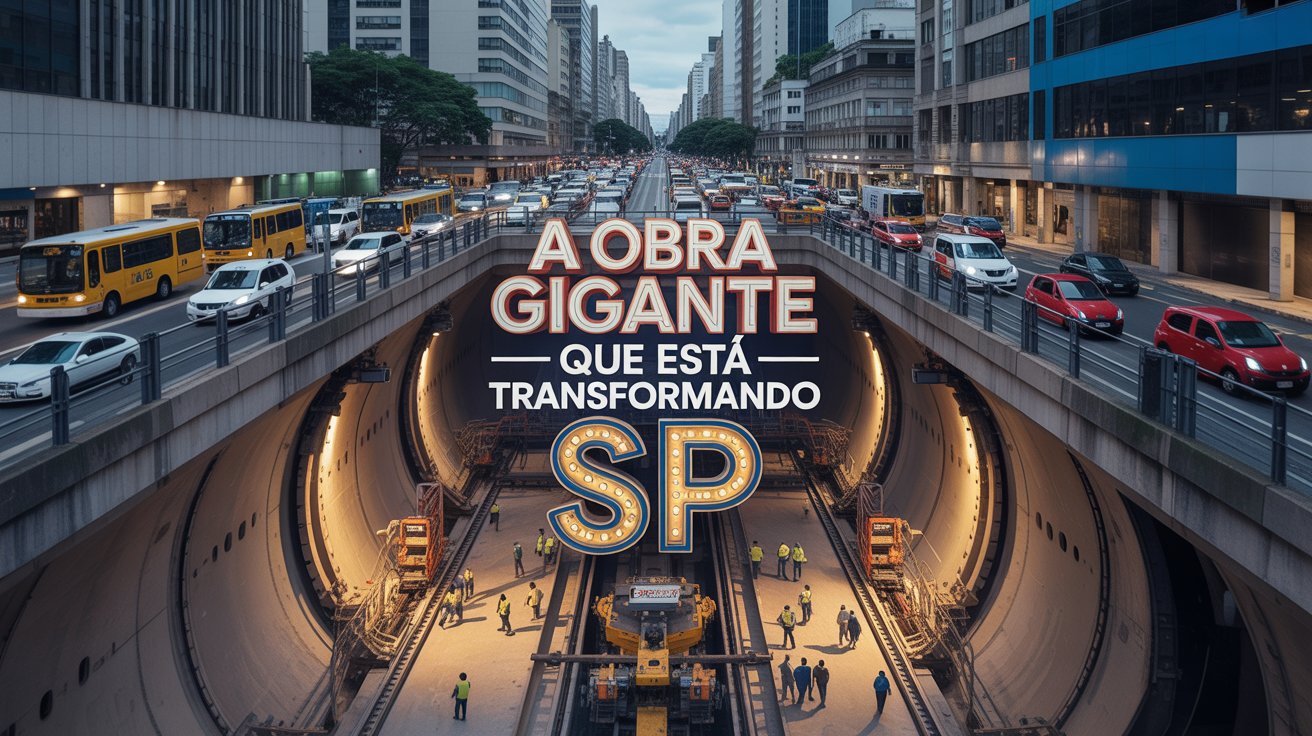

São Paulo Leads An Unprecedented Urban Transformation with High-Impact Underground Works, Connecting Regions and Revolutionizing Public Transport with Cutting-Edge Technology and Impressive Excavations in One of the Largest Metropolises in the Southern Hemisphere.
An Infrastructure Megaproject Is Putting São Paulo on the Radar of the World’s Major Urban Innovations.
This is an ambitious expansion of the rail transport system in the capital, which has attracted attention not only in Brazil but also among international experts in urban mobility.
Considered the largest metropolis in the Southern Hemisphere and the economic center of Latin America, São Paulo is undergoing a historic transformation.
-
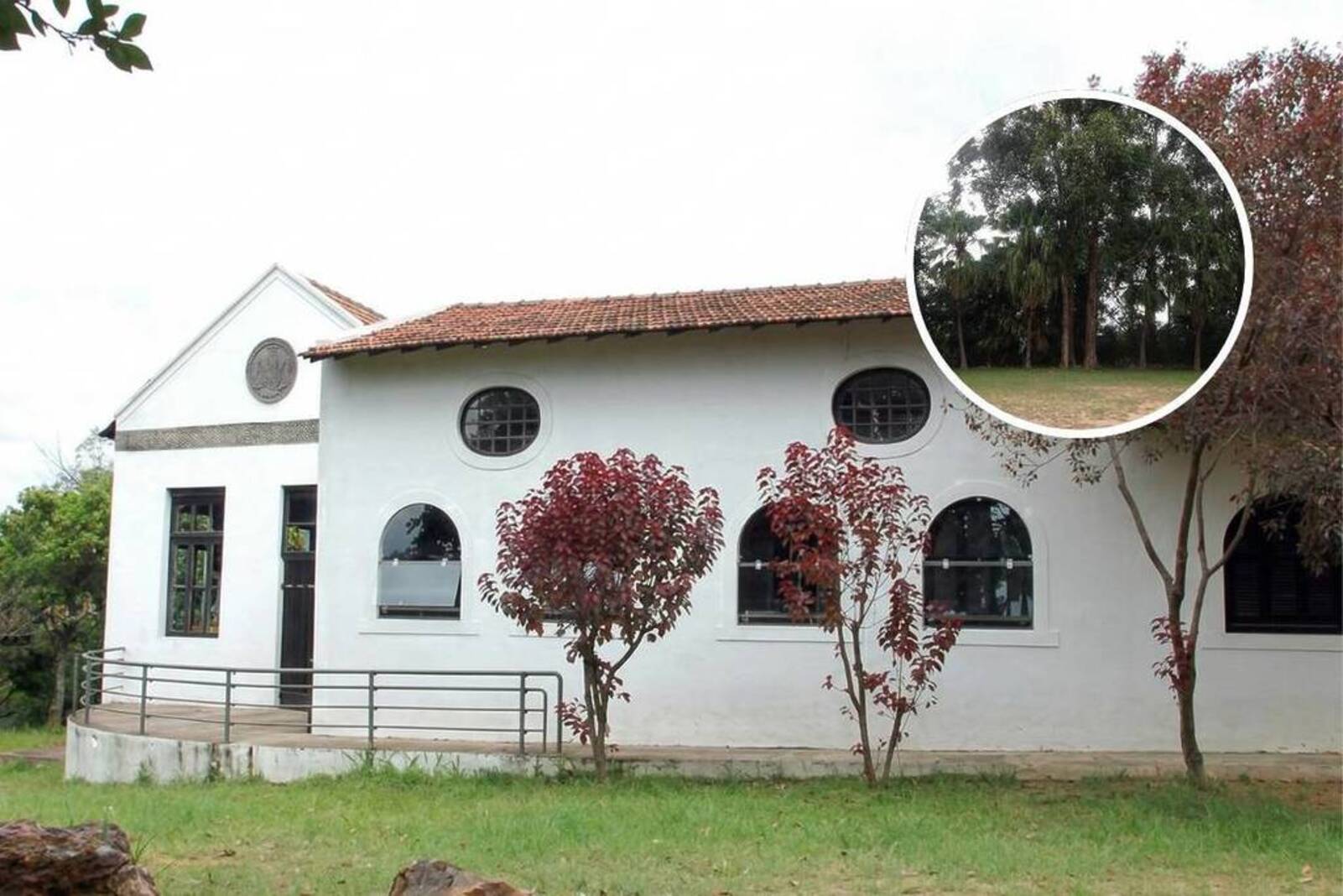
After 14 years of waiting, a rammed earth mansion built in 1702 in the North Zone of São Paulo will become a park with leisure facilities and green areas, with a million-dollar investment.
-
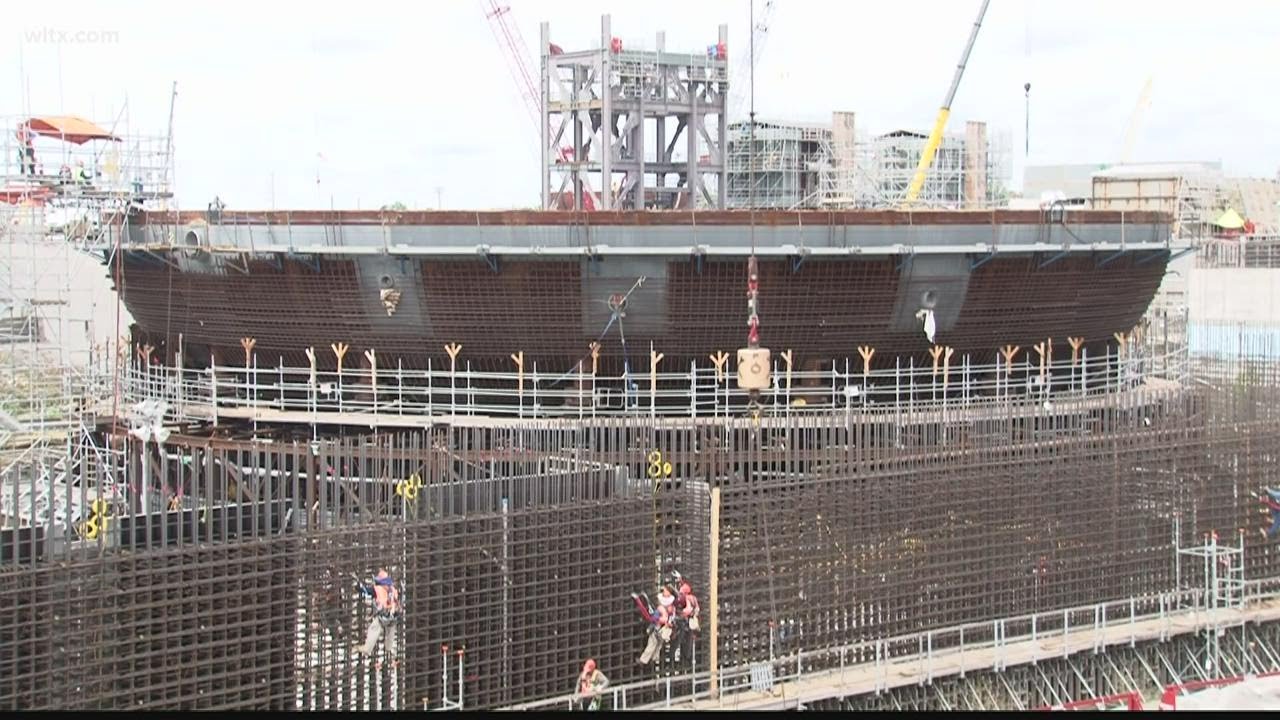
With 2 unfinished nuclear reactors, up to 25 billion in costs, and proven fraud, the Nukegate case has left 800,000 consumers still paying today for energy that will never be produced.
-
Larger than entire cities in Brazil: BYD is building a 4.6 km² complex in Bahia with a capacity for 600,000 vehicles per year, but the discovery of 163 workers in conditions analogous to slavery has shaken the entire project.

-
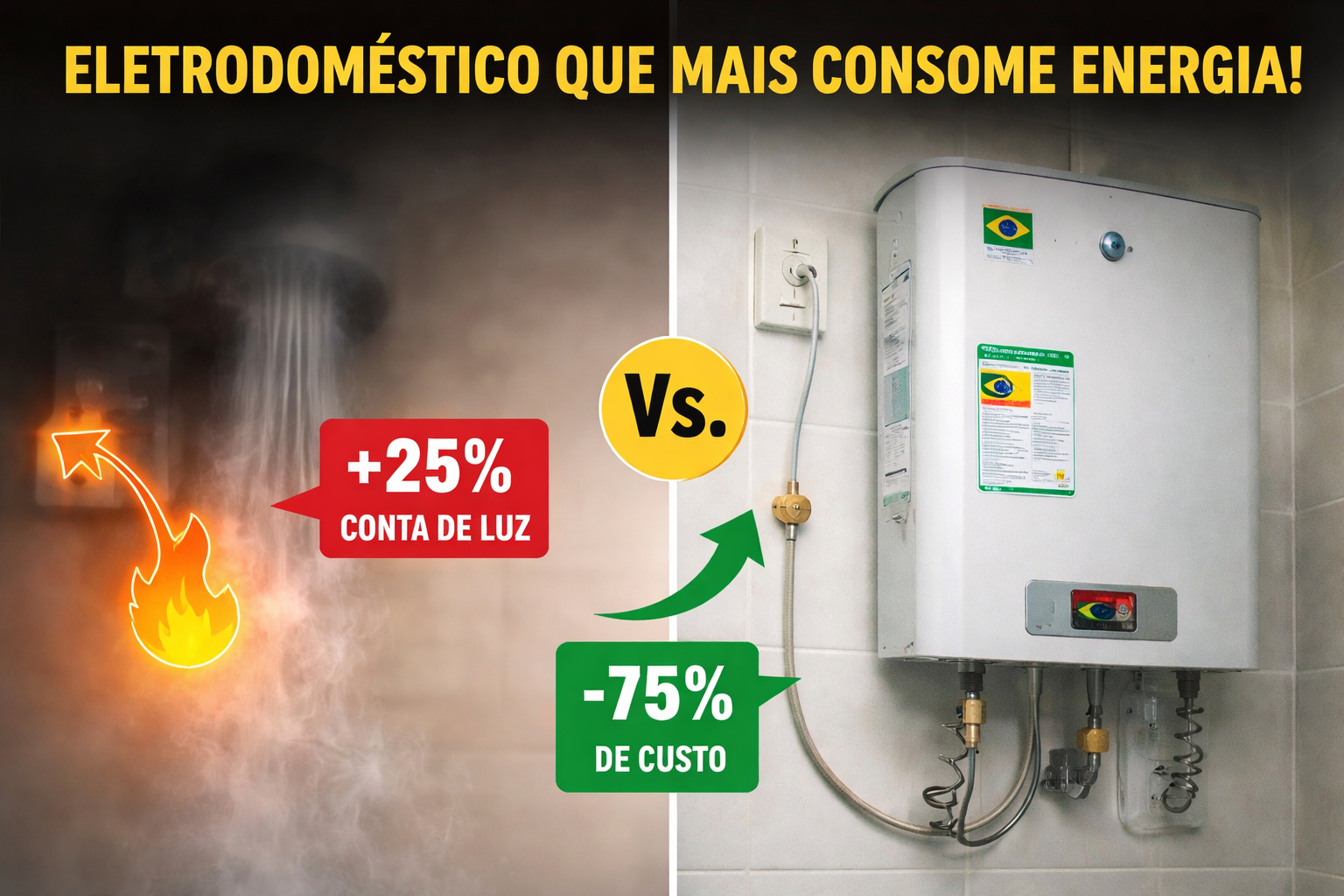
The household appliance that consumes the most energy in Brazilian homes is not the air conditioner; it is located in the smallest room of the house, is used daily, and can account for up to 25% of the electricity bill, while an alternative in the same outlet can reduce this cost by up to 75%.
The city is heavily investing in solutions to combat chaotic traffic and reduce the impact of congestion, which has been affecting the quality of life for residents and harming productivity in the metropolitan region for decades.
The Railroad Heart of Brazil
With about 22 million inhabitants in its metropolitan area, São Paulo houses the largest rail transport system in the country.
This model is mainly composed of the Metro and CPTM (São Paulo Metropolitan Train Company), which together form the backbone of urban mobility in the capital.
According to data from the São Paulo Metropolitan Transport Secretariat, the CPTM currently operates 5 fully operational lines, with 57 stations spread over 196 kilometers of track, directly connecting 18 municipalities of Greater São Paulo to the capital.
Within the city alone, over 95 kilometers of railway tracks are used daily by more than 1.6 million passengers.
Meanwhile, the São Paulo Metro already has 6 lines in operation, with 91 stations covering about 104 kilometers, according to information updated in April 2025.
Although the rail network is slightly smaller than that of the CPTM, the metro serves more than 4 million people daily, which forces the system to be partially operated by private consortia to meet the demand.
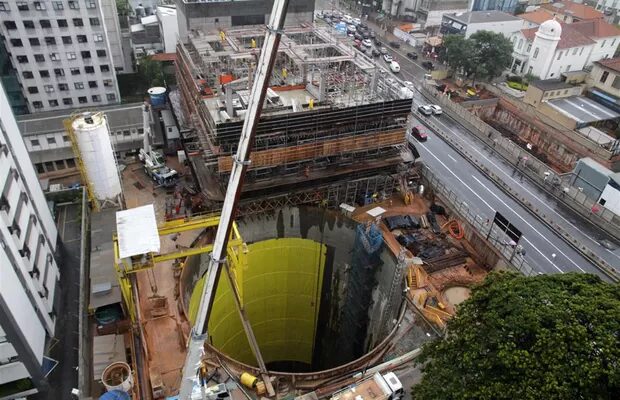
Futuristic Project: Line 6-Orange
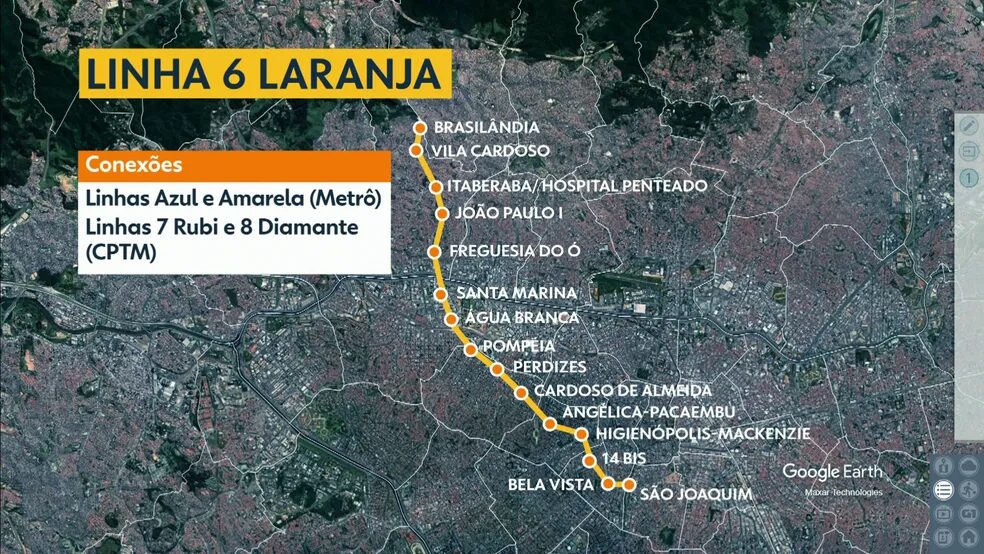
But what has really impressed mobility experts around the world is the construction of Line 6-Orange, considered one of the most complex underground works in Latin America.
With an extension of 15.3 kilometers and a forecast of 15 stations, the line will connect the northern zone of the city, in the Brasilândia neighborhood, to the central region, reaching the São Joaquim station, where there will be a connection with the Blue Line 1 of the metro.
The project is the result of a Public-Private Partnership (PPP) between the government of the state of São Paulo and the concessionaire Linha Universidade, operated by an international group that includes Acciona, a Spanish construction giant.
The expectation is that the work will be delivered in 2026, after several delays since the start of excavation in 2015.
In addition to alleviating traffic, the new line promises to significantly reduce travel time between the northern zone and the center, currently taking up to two hours by bus during peak hours.
With Line 6, this journey should take about 23 minutes.
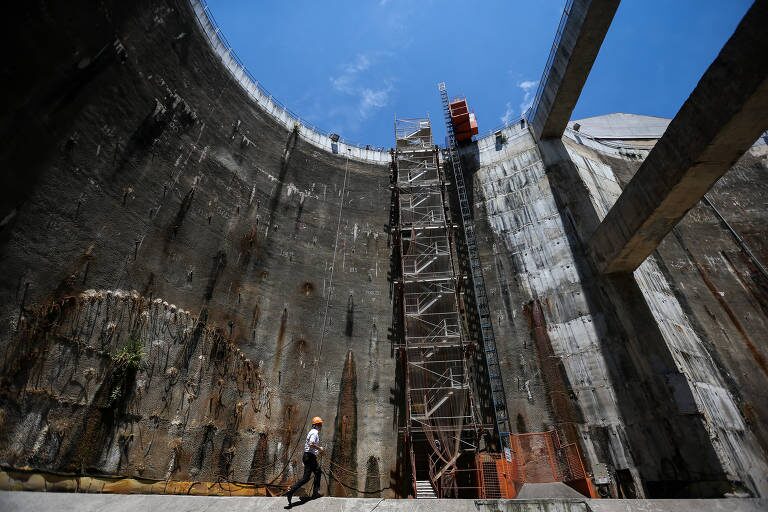
Cutting-Edge Technology and Record Excavation
To overcome the geological obstacles of a densely urbanized city like São Paulo, the excavation of Line 6 is being done with the largest tunnel boring machine in the Southern Hemisphere.
The machine — an equipment that is 109 meters long and weighs 2,000 tons — is capable of drilling the soil at a speed of up to 15 meters per day while simultaneously installing concrete rings that support the tunnels.
The technology employed in the work draws attention for its precision, safety, and speed, placing São Paulo on par with cities like London, Tokyo, and Paris, known for their advanced metro systems.
According to infrastructure specialists, the construction of Line 6 also stands out for its environmental concern.
The project adopts sustainable practices, such as reusing water during drilling and controlling particle emissions in sensitive urban areas, which reduces the impact of construction in densely populated neighborhoods.
An Integrated System on the Way to the Future
With plans for new lines in the coming years, such as Line 17-Gold (monorail) and the extension of Line 2-Green, São Paulo is advancing in creating an increasingly integrated, modern, and efficient rail network.
The expectation is that, in a decade, the total rail system in the city will exceed 300 kilometers, with more than 200 interconnected stations.
This growth aims to transform the profile of urban mobility in the capital, encouraging the use of public transport over private cars, contributing to the reduction of carbon emissions and improving air quality.
Furthermore, the digitization of services, with real-time tracking apps, QR code ticketing, and fare integration, reinforces the city’s commitment to intelligent, accessible, and sustainable public transport.
The World’s View on São Paulo
According to international publications such as Railway Gazette and Urban Transport Magazine, the rail system in São Paulo is establishing itself as one of the most promising in the world among emerging countries, both for its scale and for the efficiency of ongoing investments.
The Line 6 project, in particular, has been highlighted as a benchmark in underground engineering and urban mobility in Brazil, often cited in international infrastructure and transport conferences.
This global prominence reinforces the city’s position as a showcase of innovative urban solutions in Latin America.
And, although it still faces challenges such as overcrowding and the need for more investments in accessibility, São Paulo is making great strides toward a more connected and sustainable future.
Do you think other Brazilian capitals should follow São Paulo’s example and invest more in rail mobility? Leave your opinion in the comments!




Experiência própria da semana passada: Estava a deslocar da José Paulino até a Etação Metrô da Luz, para acessar Linha Amarela; só consegui comprar bilhete com dinheiro vivo. Nas máquinas e no guichê, humano não passou ou passa o cartão de débito. Esse sucesso consegui vivenciar.
Um monte de comentários pessimistas, só porque o cara é carioca? Kkkk…vcs esquerdistas são uma má influência no mundo ,mas isso nunca irá impedir seja quem for,de querer fazer o melhor pra São Paulo e pro Brasil…Chorem a vontade …kkkkk… Tarcísio de Freitas é hoje o melhor governador que São Paulo já teve, é um cidadão carioca sim ,mas que honra o cargo que exerce e aínda vão falar muito dele e vcs **** de infelizes, vão ter que aceitar nem que seja chorando….kkkkkkkk
Quero o metrô em Guarulhos