





 Portuguese
  English
  Spanish
  4 min of reading
  1 comment


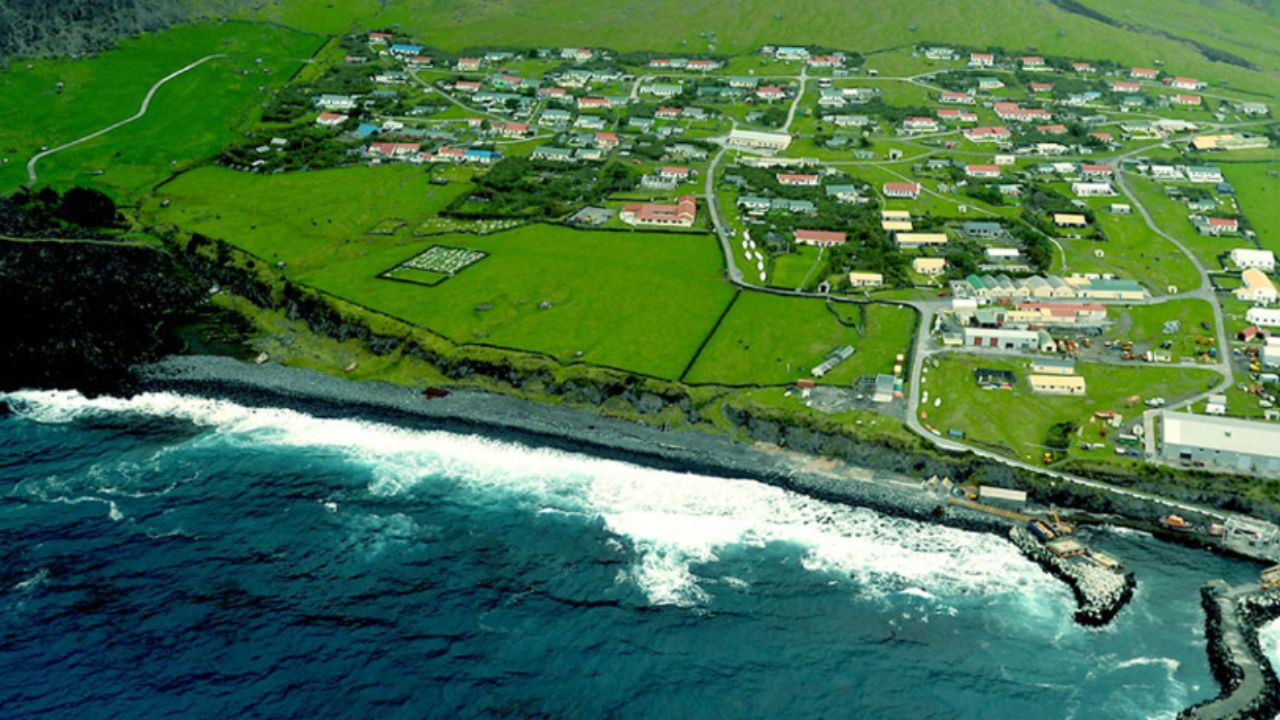

Know The Routine, The Challenges, And The Resilience Of The Most Remote Inhabited Community On The Planet, A Volcanic Archipelago More Than 2,400 Km From The Continent.
More than 2,400 kilometers from the nearest continent, Tristan da Cunha is the most isolated place in the world. About 245 people live in this volcanic archipelago without an airport. Ships arrive only a few times a year. Life depends on fishing, agriculture, and a strong sense of community. This article explores this singular existence, detailing the routine, the challenges, and the beauty of a society that redefines isolation.
The Geography Of The Most Isolated Place In The World
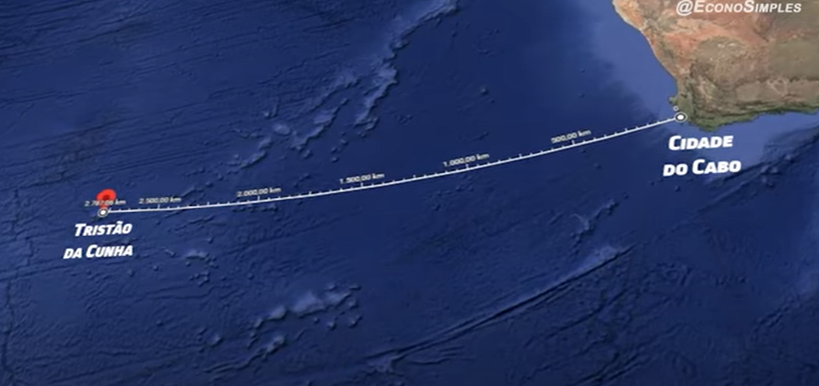
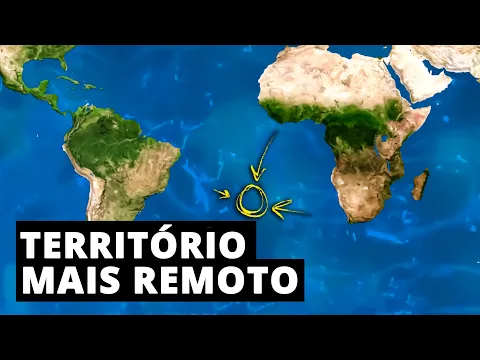
Tristan da Cunha is defined by its extreme distance. It is the most remote inhabited place on the planet. It is located in the depths of the South Atlantic Ocean. The nearest continent, Southern Africa, is about 2,816 kilometers away. South America is approximately 3,360 kilometers distant. Even Saint Helena, the nearest inhabited land from which Tristan is dependent, is located 2,430 kilometers away. This immense isolation shapes the local history, culture, and economy.
The Portuguese navigator Tristan da Cunha sighted the archipelago in 1506. He named the place, but stormy seas prevented him from landing. Only in 1816 did the United Kingdom formally annex the archipelago, establishing a garrison. Three members remained after the garrison was withdrawn in 1817, forming the nucleus of the community.
-
The Argentine government celebrates the lowest poverty rate in 7 years, but experts warn that the methodology has changed, real wages have fallen, unemployment has risen, and the number of people on the streets of Buenos Aires has increased by 57% since Milei took office.

-
7.8 magnitude earthquake in Indonesia frightens the population, triggers tsunami alert, and hits an island with over 200,000 inhabitants this Thursday.
-
Google will finally let you change that embarrassing Gmail address you created in your teenage years without losing any accounts, logins, or old emails: the feature is already available in the United States.

-
Heading to Brazil in a Bonanza F33 single-engine aircraft: a couple departs from Florida on a visual flight, makes technical stops in the Caribbean to refuel and organize paperwork, and begins the staged crossing until they reach the country.

The archipelago is volcanic. The main island, Tristan da Cunha, is dominated by Queen Mary Peak, at 2,060 meters. This is the highest mountain in the South Atlantic. The only settlement, Edinburgh of the Seven Seas, is situated on a narrow coastal strip. The climate is temperate oceanic: humid, windy, and mild, with significant rainfall. Storms and strong winds are frequent. Tristan da Cunha is a British Overseas Territory. A resident Administrator, appointed by the Governor of Saint Helena, governs the island with an elected Island Council.
The Tristanians: A Resilient And United People

Approximately 245 to 250 people inhabit Tristan da Cunha. The population descends from a small group of founders from the 19th century. These included members of the British garrison, shipwrecked sailors, and women from Saint Helena. Because of this, only seven main surnames persist: Glass, Green, Hagan, Laverello, Repetto, Rogers, and Swain. The island’s motto, “Our Faith Is Our Strength”, reflects their spirit.
The Tristanians form a united and cooperative society. Interdependence is a necessity. All land is community-owned. The number of livestock is controlled to avoid inequality. “Outsiders” cannot buy land or reside permanently. Social values include equality, integrity, and mutual respect. Crime is virtually nonexistent.
The cultural heritage is distinct. A local English dialect has evolved, with diverse influences. Words from the 19th century are still used. Sea shanties are popular. Events like “Old Year’s Night” and “Ratting Day” mark the calendar. A strong sense of identity and pride defines the islanders. Their return after the volcanic evacuation in 1961 demonstrates their attachment to the land.
The Daily Struggle For Survival

Life on Tristan da Cunha follows the rhythm of the weather and tides. Subsistence agriculture and artisanal fishing are central. All families grow potatoes, the staple food, in plots called “Patches.” They also raise cattle and sheep. Many supplement their subsistence with salaried jobs in the government or in the fishing company.
The lobster of Tristan (Jasus tristani) is the main export product. It represents over 80% of the territory’s revenue. Fishing finances essential public services. The fishing season generally starts on July 1. A modern factory processes and freezes the lobsters for markets such as the US, Japan, and Europe. The fishery is certified for sustainability by the Marine Stewardship Council (MSC).
In addition to lobster, the sale of postage stamps and commemorative coins generates revenue. Local crafts, such as wool “ganzeys,” also contribute. Tourism is minimal due to isolation and restricted access. All visits require prior approval from the Island Council. The Island Store, state-owned, imports and sells essential goods. Community efforts and mutual aid are vital.
Health, Supply, And Connectivity In The Most Isolated Place In The World
Access to Tristan da Cunha is exclusively maritime. There is no airport. Ships depart from Cape Town, South Africa, on a six to seven-day journey. About eight to ten scheduled trips occur each year, including fishing vessels and the research ship SA Agulhas II. These ships are vital for passengers, mail, and supplies. The small port of Calshot is exposed and requires constant maintenance.
The Camogli Health Center, modernized in 2017, provides basic care. It has consulting rooms, wards, a pharmacy, an emergency room, X-ray, and an operating theater. The staff includes an expatriate doctor and local nurses. Dentists visit periodically. Severe cases require evacuation to Cape Town, a complex and time-consuming process. Severe isolation makes access to specialized care a constant challenge.
St. Mary’s School is the only school, serving children ages 3 to 16. The curriculum combines UK standards with local skills. Students can pursue studies abroad after the age of 16. Historically, the internet was very limited. The introduction of the Starlink service in 2022/2024 revolutionized connectivity, with speeds of up to 300Mbps. This benefits education, health, and daily life. All homes have telephone services. Electricity is provided by diesel generators, and fresh water comes from a stream.








Gente de verdade. Carregam o essencial da humanidade.