





 English
  Francês
  Alemão
  Italiano
  Japonês
  Norueguês
  Portuguese
  Spanish
  4 min of reading


Shipbuilding Crisis in Bahia and Mature Fields with Declining Production Capacity Affect Jobs and Economy of the State
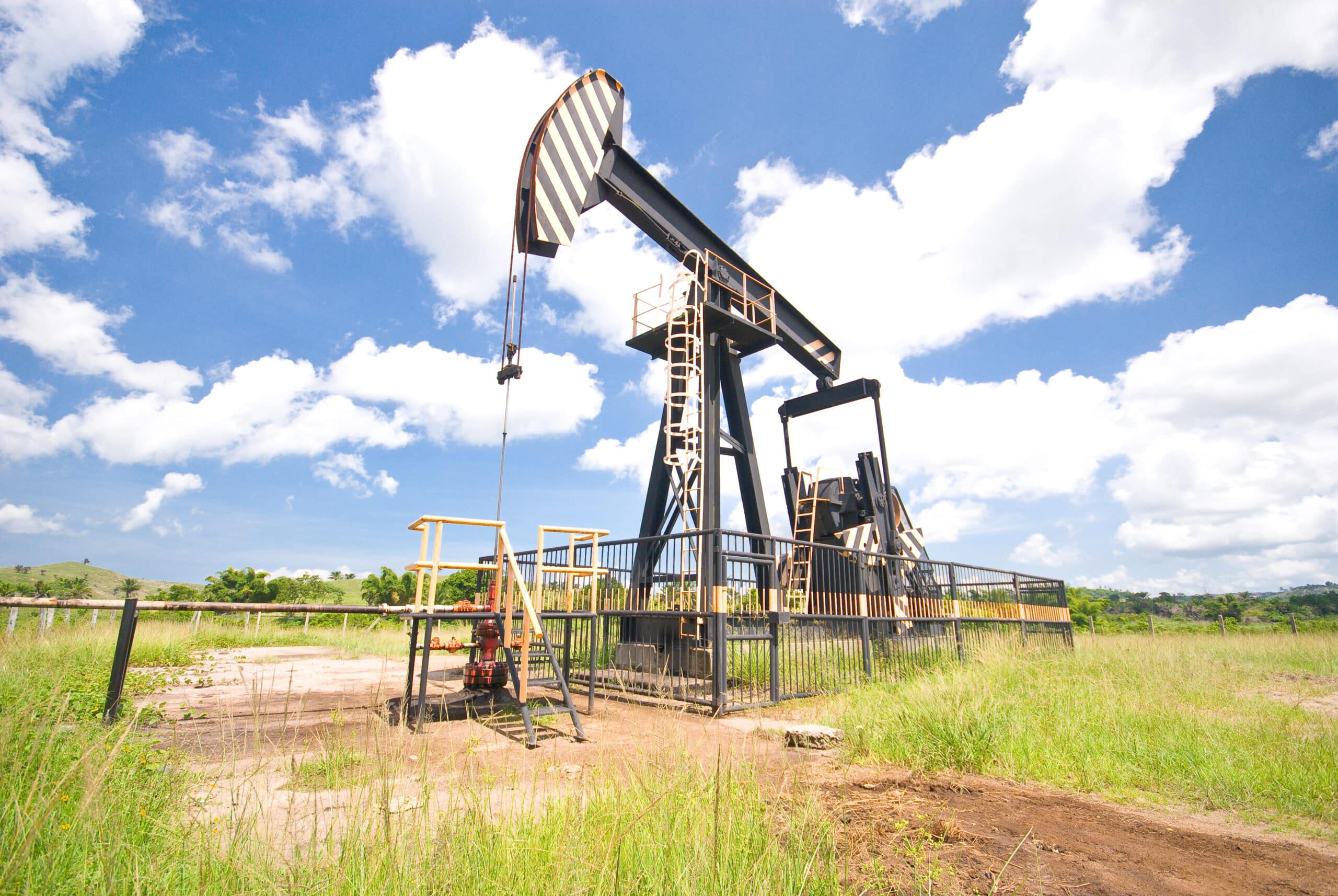
The reservoir at the old Fazenda Panelas no longer produces as it used to; 2010 was the last year that had an average production above 100,000 barrels per day in Bahia, adding up the production of oil and natural gas, in what is called oil equivalent. It was 102.1 thousand barrels/day, more precisely, according to data from the National Agency of Petroleum, Natural Gas and Biofuels (ANP). Only 42% of this was oil, the equivalent of 42.8 thousand barrels per day. In Panelas is a snapshot of the situation of a large part of the mature fields in operation in the state that are experiencing a decline in their production capacity.
Decline of Oil and Its Consequences
Radiovaldo Costa, director of the private sector at the Union of Oil Workers in Bahia (Sidipetro-Ba), believes that an important thermometer to check the level of activity in land oil exploration is the number of rigs in operation. In 2005, there were 45 SPT-type rigs operating in the state. Today there are 19, which represents a decrease of 57%. In the case of drilling rigs, the reduction was even greater. Of the 14 that were in operation, only 1 remains. This means that the capacity to drill new wells in Bahia has been reduced by approximately 93%.
-
Government unlocks R$ 554 million for a highway that has been requested for decades and accelerates the duplication of BR.
-
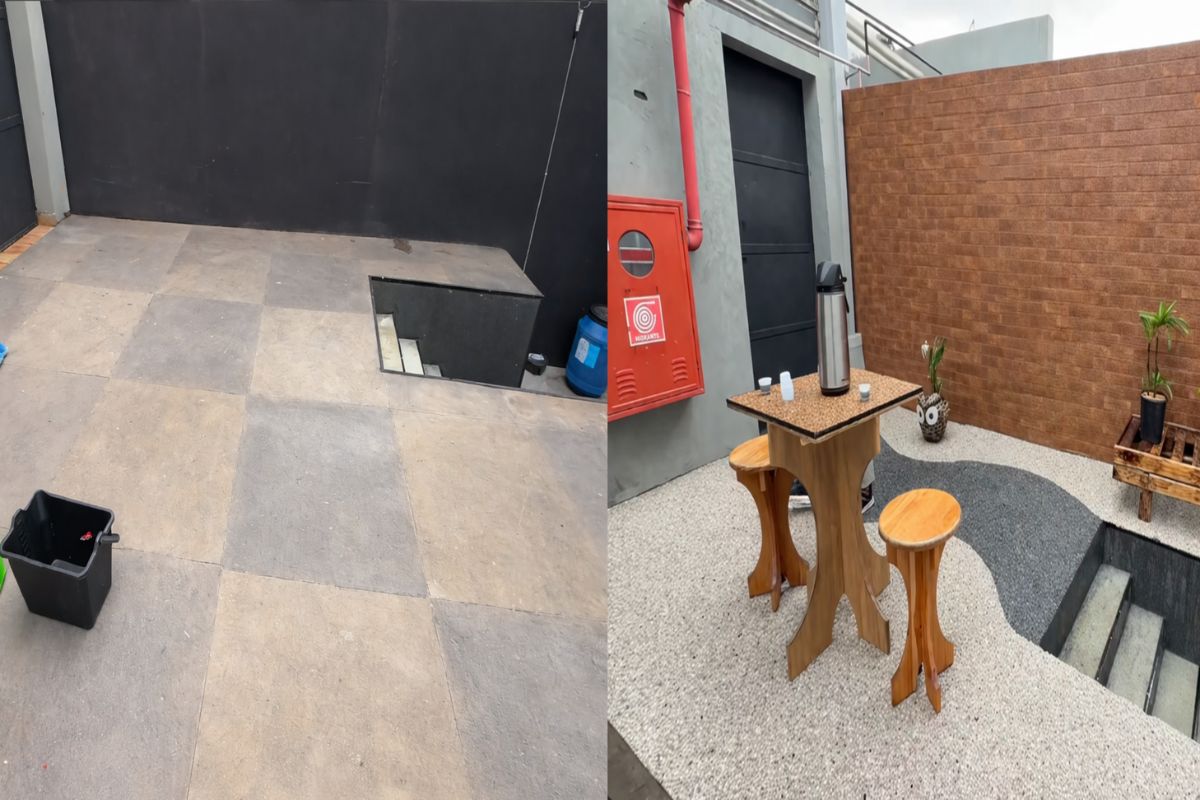
Without bricks, without cement, and without endless construction: the cardboard house that is assembled in modules and can be moved.

-
Billions of barrels on the equatorial margin could lead Amapá to double its oil production in Brazil — the state aims to enter the route of companies in the Campos Basin, attract investments, and boost jobs and businesses in the oil and gas sector.
-
Without bricks, without cement, and without endless construction: the cardboard house that is assembled in modules and can be moved.

Radiovaldo Costa explains that the consequence of this slowdown in the job market in the sector is direct. Each production rig requires an average of 35 workers to operate, while drilling rigs would depend on 80 people. Based on this, he estimates the loss of 2,000 direct jobs, not counting the effect on other activities indirectly involved, such as transportation, catering, lodging, and tax generation. If indirect jobs are considered, the estimate is a total loss of 4,000 jobs. “The damage to the local economy and to the state has been severe,” he believes.
The director of business development at the Secretary of Economic Development, Lais Maciel, explains that the number of rigs in operation, besides being an important thermometer for activity, is an indicator for the future and that the current scenario results from a shift in Petrobras’s positioning, towards prioritizing pre-salt exploration.
Bahia experienced its peak in the 60s and 70s, with annual production averages always above 100,000 barrels/day; the state reached 164,000 barrels/day in 1969, with 88% of this total being oil and the remaining from natural gas. But it lost its reign when oil was discovered in the Campos Basin, in an area of 100,000 square kilometers, extending between Rio de Janeiro and Espírito Santo.
Despite everything, the volume of oil and natural gas in Bahia’s fields is still greater than the accumulated production that was withdrawn in the last 80 years, according to information from Petrobras itself. It remains to be seen who will recover this ‘black treasure’ in the Bahia subsoil.
The Summary of Bahia’s “Black Treasure”
- 1939 Discovery of oil in the country in the Lobato neighborhood, in Salvador. In the following month, Getúlio Vargas nationalizes the reserve and prohibits access to the subsoil in the area and within a 60 km radius
- 1941 Commercial operation of the first oil well in the country in Candeias, in the Metropolitan Region of Salvador
- 1950 Creation of the first national oil refinery in São Francisco do Conde. The then National Oil Refinery is renamed in 1957 and becomes the Landulpho Alves Refinery (RLAM)
- 1953 Petrobras is created under the government of Getúlio Vargas
- 1971 In Camaçari, the Nitrogen Fertilizer Factory (Fafen) is established, producing nitrogen fertilizers from natural gas from the oil-producing fields of Bahia and Sergipe. The core for the establishment of the Petrochemical Complex is launched – one of the reasons for the city’s choice was that the industrial infrastructure for gas pipelines, water, and electricity already existed there
- 1973 Oil crisis: Arab countries raise oil prices in the global market, from US$ 3 to US$ 11.60 in just 3 months. The Organization of the Petroleum Exporting Countries (OPEC), a producer cartel formed in 1960, embargoes sales to the USA and Europe due to support for Israel in the Yom Kippur War
- 1974 Discovery of oil in the Campos basin, in Rio de Janeiro, and start of production
- 1997 Market opening: After 45 years, Petrobras loses its monopoly on Brazil’s oil industry. Legislation establishes an agency to regulate and oversee the activity
- 2007 Discovery and exploration of the pre-salt: High-quality oil in ultra-deep waters, in the layer known as Pre-Salt. Considered one of the largest events in the global oil industry in the last decade
- 2011 Petrobras announces record investment plan (US$ 225 billion in 5 years) with the launch of more than 100 vessels including platforms, oil tankers, and rigs. The number of jobs in shipyards increases (from 7,000 in 2003 to over 80,000 in 2014)
- 2014 Start of Operation Lava Jato: Operation investigates billion-dollar embezzlement from Petrobras’s coffers, which announces a repositioning in the market focusing on maritime production
Loss of Navy Bid Worsens Crisis in Pernambuco’s Shipbuilding Industry







-

Uma pessoa reagiu a isso.