





 English
  Francês
  Alemão
  Italiano
  Japonês
  Norueguês
  Portuguese
  Spanish
  4 min of reading


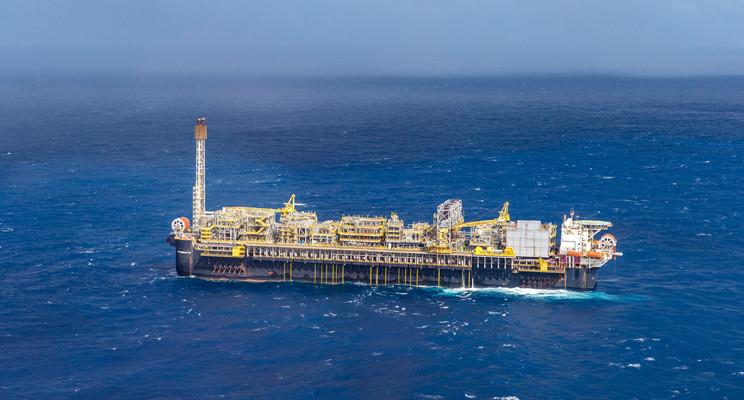
Three Out of Every Four Future Production Projects from Petrobras Will Come from the Pre-Salt. This Way, Opportunities for the Industry and the Country Are Likely to Multiply, Associated with the Drive for Innovation and Technological Development
Petrobras celebrates, with its partners, a very special milestone for the national oil industry: ten years of production in the pre-salt. Looking back at the company’s trajectory since the beginning of production at that layer until today, when it has reached the level of 1.5 million barrels of oil per day, it is undeniable how far it has advanced. Along with its other assets in deep and ultra-deep waters, the pre-salt is Petrobras’s flagship. What was once an indication, an idea, has become one of the most competitive offshore areas in the industry because it persevered, with hard work, great dedication, extensive study, and a lot of geology and engineering. Three out of every four future production projects from Petrobras will come from the pre-salt. This way, opportunities for the industry and the country are likely to multiply, associated with the drive for innovation and technological development.
If Petrobras Achieved Such Significant Results Because It Brought Together a High Dose of Intellectual Capital and Technical Competence in This Project. Solange Guedes, director of Exploration and Production at Petrobras, has followed every step of this journey and can affirm that this performance is far from trivial. It reflects not only the boldness of its workforce but also the commitment of its academic environment, business partners, and the creativity of its supply chain. These are four forces that, integrated in the search for unprecedented solutions, have been the main responsible for getting Petrobras to where it is today.
The exploration and production costs in the pre-salt have progressively decreased as new technologies were applied that increased the productivity of the wells, while the geological knowledge of the area was also enhanced. Today, the extraction cost in this horizon is less than US$ 7 per barrel. If at the beginning of the development of the pre-salt there were doubts about the viability of production in such peculiar conditions – in ultra-deep waters, 300 km from the coast, and at total depths of up to 7,000 meters – today it has been proven not only the economic viability of the project but also the benefits for society and its high potential for future production.
-
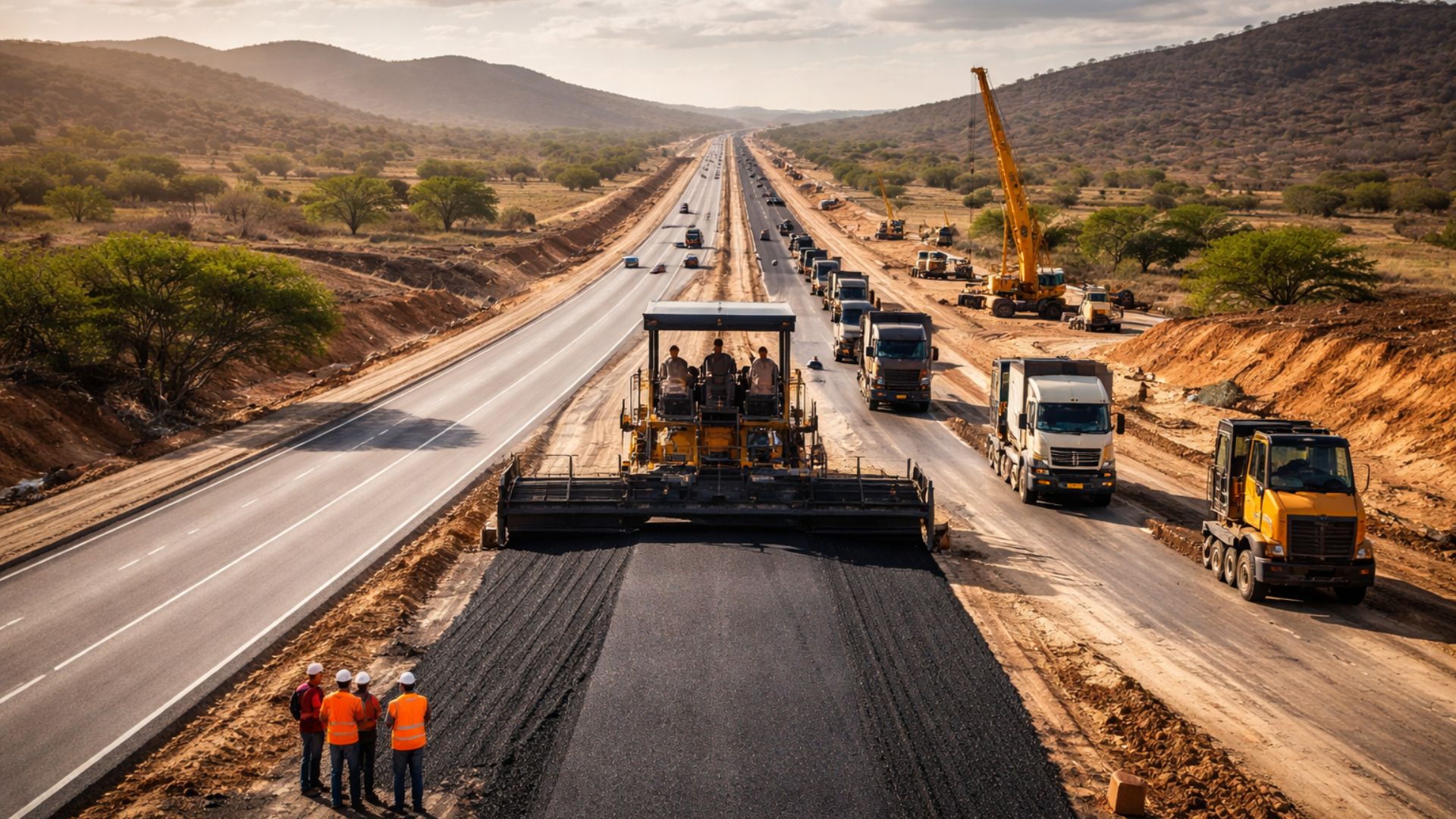
Government unlocks R$ 554 million for a highway that has been requested for decades and accelerates the duplication of BR.
-
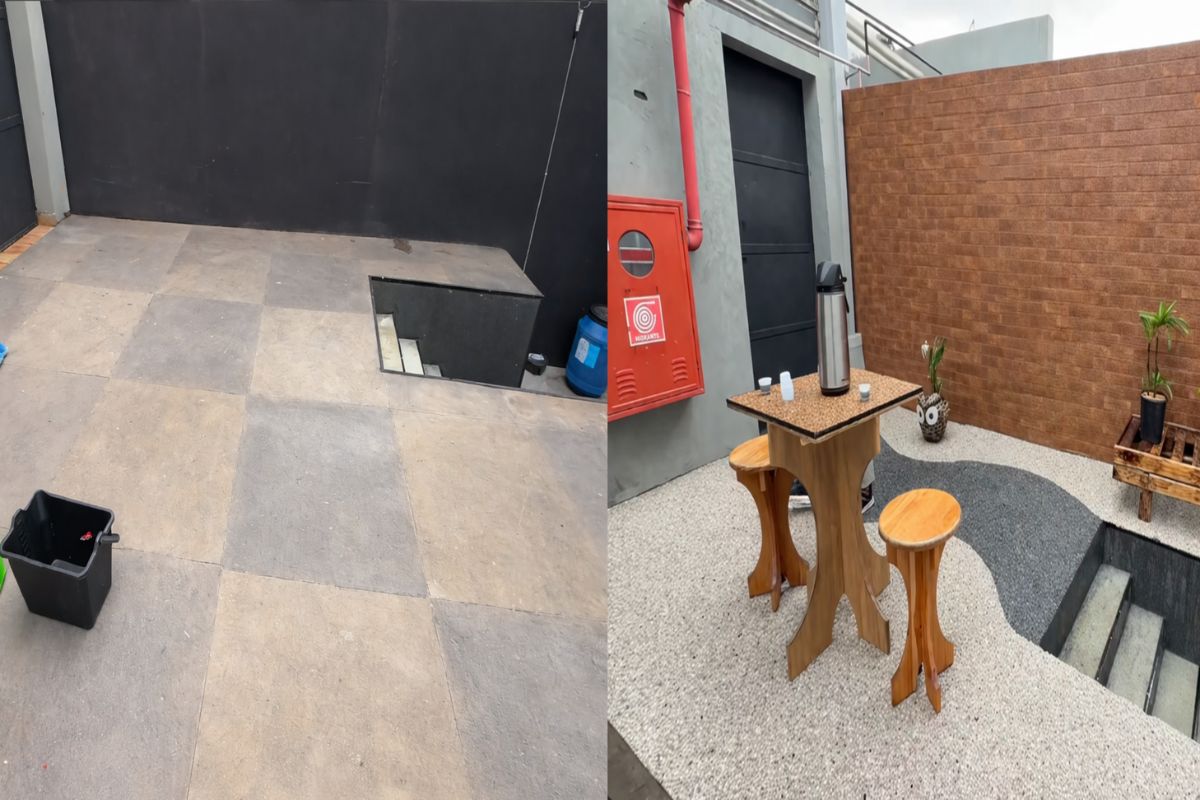
Without bricks, without cement, and without endless construction: the cardboard house that is assembled in modules and can be moved.

-
Billions of barrels on the equatorial margin could lead Amapá to double its oil production in Brazil — the state aims to enter the route of companies in the Campos Basin, attract investments, and boost jobs and businesses in the oil and gas sector.
-
Without bricks, without cement, and without endless construction: the cardboard house that is assembled in modules and can be moved.

Only this year, three major production systems in the pre-salt have been put into operation – P-74, P-69, and more recently, P-75 – each with the capacity to produce up to 150,000 barrels of oil per day (bpd). Each well in the pre-salt produces, on average, 27,000 bpd, a volume four times greater than wells in the Gulf of Mexico, for example.
Over the course of a decade, Petrobras has also accelerated its learning curve across various technical segments, ranging from seismic to platform design. The rooted culture of innovation in the company and its expertise in deep waters have played a fundamental role in this process. The advancement has been so significant that it now takes only three months to drill a well in the pre-salt, compared to an average of 1.5 years at the beginning of its activities in that layer. There is no doubt that this advancement represents a significant gain, considering that the daily cost of a drilling rig is on the order of hundreds of thousands of dollars.
As this production hub grows, business opportunities expand. In recent years, for example, driven by the challenge of developing specific equipment for unique conditions of water depth, temperature, and pressure, our supply industry has made significant leaps. The underwater equipment industry in Brazil, for example, has become competitive on a global scale. That’s no small feat.
The current moment for the oil sector in Brazil opens up great opportunities. With regulatory changes that have energized the industry, the intense auction agenda promoted by ANP, and investments in new production systems, the oil segment has regained its momentum. The projection is that Petrobras will continue to achieve the best results in the pre-salt, sustainably and progressively, driven by the entry of eleven more systems into production by 2022. Undoubtedly, what lies ahead is a promising future. Authored text by Solange Guedes, Director of Exploration and Production at Petrobras.






Seja o primeiro a reagir!