





 Portuguese
  English
  Spanish
  3 min of reading
  0 comments


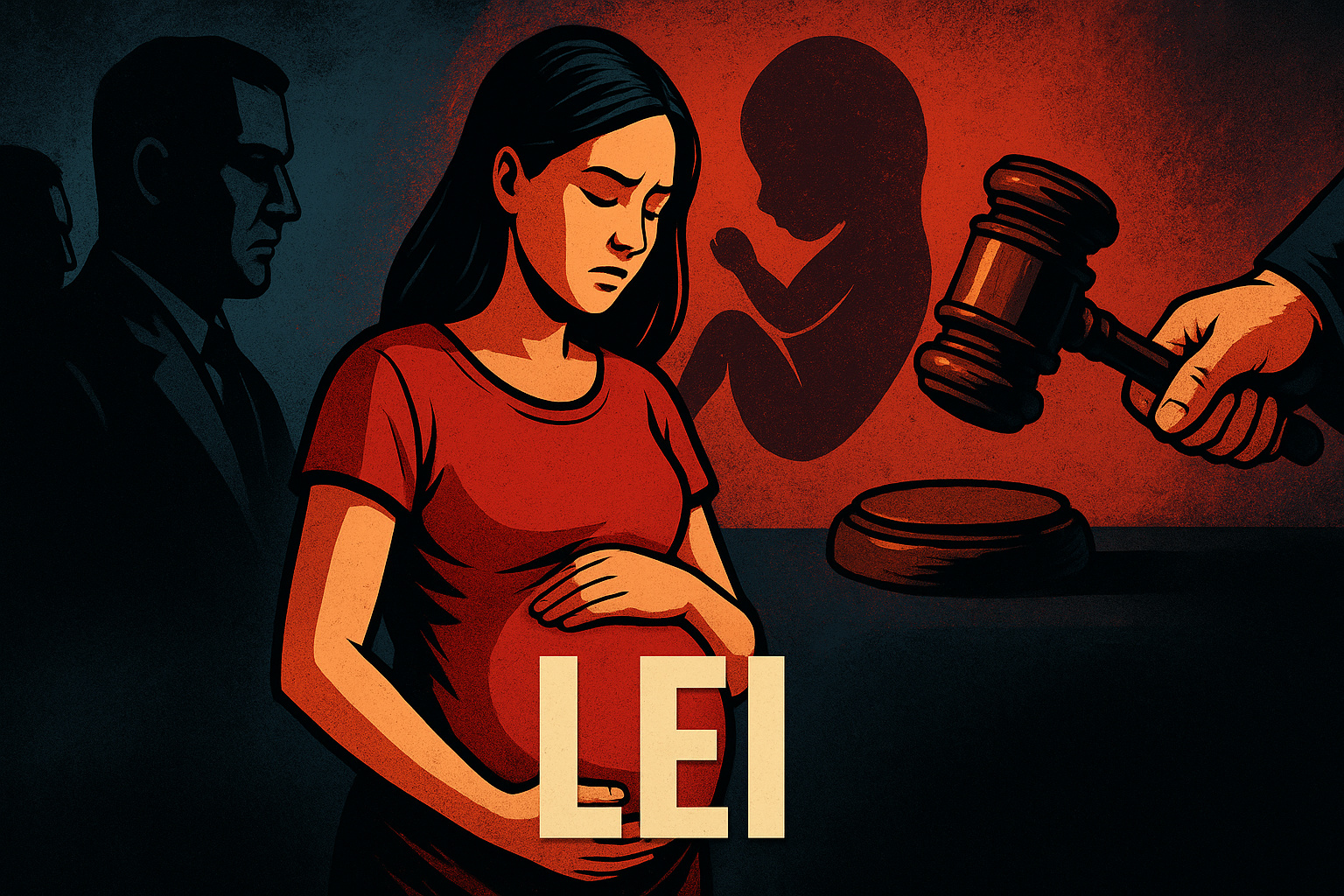
Parental Bereavement Law Pressures Labor Court and Exposes Failures in Protection for Workers After Gestational Loss.
Parental Bereavement Gains Legal Strength and Reaches Labor Court
The Parental Bereavement Law (Law 15.139/2025) came into effect in August and promises to change the way gestational loss cases are analyzed in Brazil.
Approved by Congress and sanctioned in May, the new legislation ensures more humane support in situations of miscarriage, fetal or neonatal death.
Although it does not directly change the CLT, experts point out that the law may impact decisions in Labor Court, strengthening the protection for grieving workers and bringing more sensitivity to judgments.
-
Government enacts new law: paternity leave increases from 5 to 20 days with gradual increases until 2029, and Social Security pays the paternity salary; companies no longer bear the absence cost, estimated at R$ 5.4 billion.

-
End of the 1-hour lunch break in the CLT? Current labor law maintains the break, allows for negotiated reductions, and defines rules for working hours and home office in Brazil.

-
Employee Fired After Accumulating 114 Days of Medical Leave in One Year, Labor Court Upholds Company’s Decision

-
Employee Fired While Treating Depression Wins in Court and Vale Is Required to Rehire Him Following Decision Based on the CLT and INSS Benefits


Labor Court Already Evaluates Gestational Loss Cases
An emblematic example occurred in São Paulo. A contracted security guard was coerced to return to work shortly after suffering a miscarriage, even with a medical certificate for a 15-day leave. Under threat of dismissal, she returned to her post and was awarded R$ 10,000 for moral damages in the first instance.
In the decision from TRT2, the judge highlighted that the employer’s conduct violated fundamental rights, such as physical and psychological well-being. The case is still awaiting appeal, but experts say that in similar scenarios, the new law could serve as a basis for more humane judgments.
How the Parental Bereavement Law Operates
The law does not directly alter the articles of the CLT. Currently, the Consolidation of Labor Laws provides for a two-week leave in cases of miscarriage. The INSS provides leave of up to five months in situations of stillbirth.
The key difference of the new rule is the requirement for national protocols to ensure psychological support and care for families. Public and private hospitals must offer post-discharge follow-up, making the parental bereavement process less solitary and more supported.
Impacts for Companies and Workers
Labor lawyers emphasize that the law may increase the responsibilities of companies. According to Mariana Piva from Marcos Martins Advogados, the law highlights the need for internal policies that respect bereavement and prevent worsening work-related illnesses. Failure to do so could result in compensations.
Érika de Siqueira Seddon from Mattos Filho adds that the court may consider gestational loss as an aggravating factor in psychiatric conditions, such as depression or anxiety. This means that claims for moral damages may have a higher chance of acceptance.
Recent Decisions Reveal Distinct Scenarios
Cases judged in 2024 and 2025 show different interpretations. In Alagoas, an administrative assistant sought compensation for moral damages after suffering a miscarriage and claiming a worsening of mental health. TRT19 denied this, understanding that there was no connection to work.
In Pernambuco, a worker dismissed without just cause received compensatory indemnification but not for moral damages. According to the judges, there was no illegal conduct by the company, which even offered reinstatement.
These decisions reveal how the Labor Court still faces challenges in balancing the application of legislation with the emotional realities of workers.
Bereavement Also Affects Fathers
Another innovative point is the recognition of the impact of bereavement on fathers as well. Seddon emphasizes that the law provides an opportunity for companies to rethink internal policies, as starting in 2026, it will be mandatory to include psychosocial risks in Risk Management Programs.
Broadly acknowledging parental bereavement can, therefore, prevent legal conflicts and improve the work environment, bringing benefits to both employers and employees.
Information and Prevention as Pathways
Experts stress that many female workers are unaware of the legal deadlines of the CLT for leave in cases of gestational loss. It is up to companies not only to comply with the legislation but also to disseminate rights and offer psychological support.
With the Parental Bereavement Law, society gains a tool for awareness. More than just complying with regulations, it is about seeing grieving workers as human beings, ensuring support during one of life’s most painful moments.










Seja o primeiro a reagir!