





 Portuguese
  English
  Spanish
  4 min of reading
  0 comments


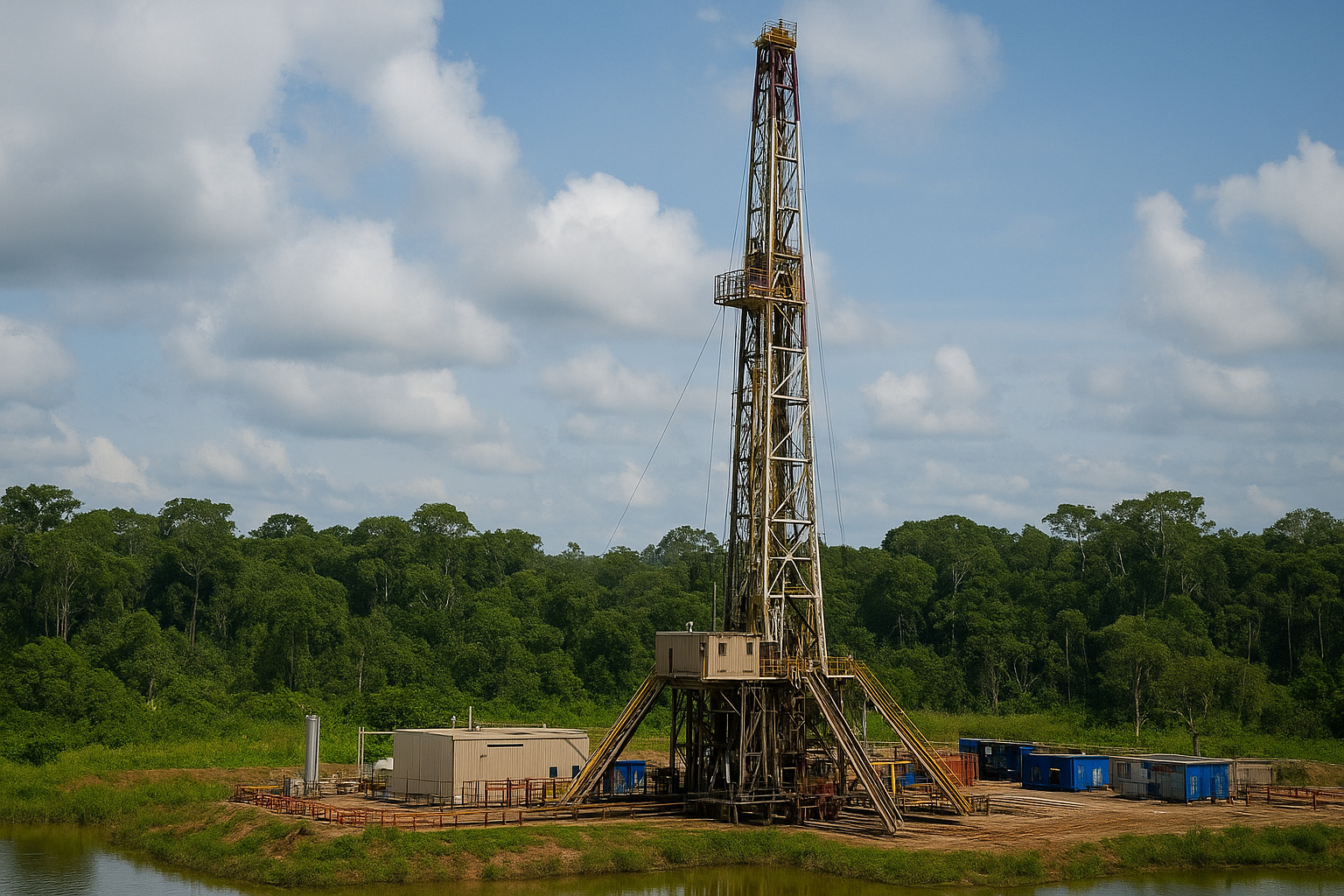
The License Granted by Ibama to Petrobras, Just Before COP30, Rekindled the Debate on Sustainability in the Amazon.
Although the topic generates controversy, the governor of Amapá, Clécio Luís, stated in an interview to the R7 portal that the authorization “was not bad”, as long as the studies advance with strict technical rigor. According to him, the research meets environmental requirements and also reveals the need to balance preservation and economic development, especially in a sensitive region like the Amazon.
Historical Context of Exploration
Historically, Brazil faces the challenge of reconciling resource exploitation with environmental preservation. In the 1970s, for example, projects in the Amazon progressed without planning, as mentioned in official government publications in old reports about the region’s occupation. Over time, the country began adopting broader control policies. According to the Ministry of the Environment, protection guidelines strengthened after 2000, especially with the creation of conservation areas and increased oversight.
Nevertheless, the search for new energy frontiers remained active. The Equatorial Margin, where research is being conducted, has been targeted for studies since 2013, according to technical documents from Petrobras cited in public notes.
-
The rise in oil prices could ensure an extra revenue of R$ 100 billion for the Federal Government, indicates a recent economic study.

-
Naturgy begins an investment of R$ 1.6 million to expand the gas network in Niterói and benefit thousands of new residences and businesses.

-
A major turn in the Justice system suspends tax increases and directly impacts oil and gas companies in Brazil by affecting costs, contracts, and financial planning, leaving uncertain what could happen to the sector if these costs had increased.

-
Brava Energia begins drilling in Papa-Terra and Atlanta and could change the game by reducing costs in oil while increasing production and strengthening competitiveness in the offshore market.
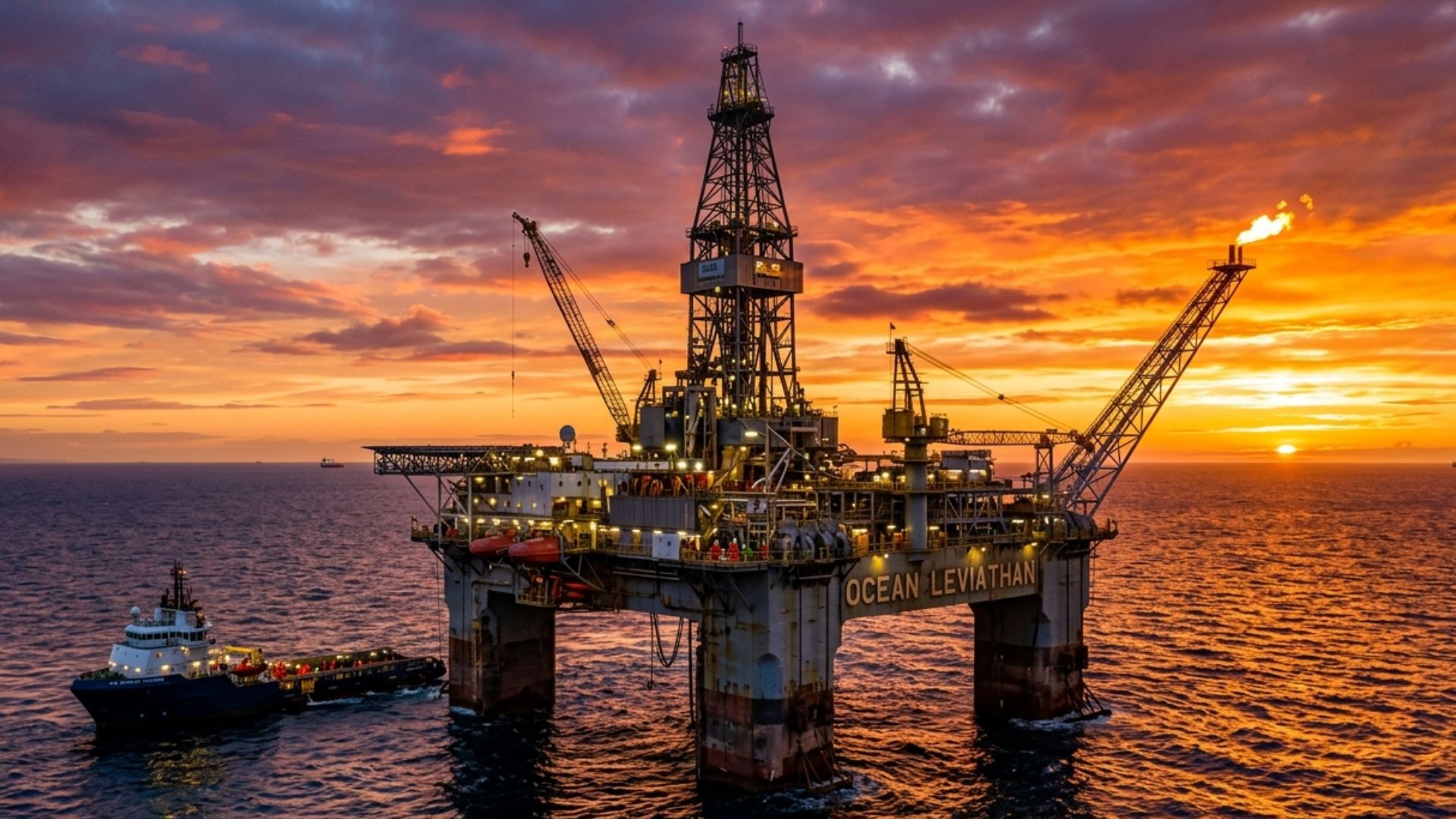
The Position of the Amapá Government
Governor Clécio Luís stated to R7 that the license complied with environmental requirements. He believes that the research can occur safely. Additionally, he emphasized that “there is no sustainability without science”, advocating for detailed studies.
Still, he acknowledges that the discussion has divided opinions. Environmental organizations warn of the risks of impacts on the marine ecosystem. According to the NGO Greenpeace, published on its official website, a spill in the region could spread rapidly through ocean currents.
Pressure from COP30
COP30 intensified international demands for climate commitments. Therefore, the license granted on the eve of the event generated criticism. However, according to Ibama, in a statement released on its website, the process followed technical criteria and analyzed more than 130 documents before approval.
Although the timing drew attention, the agency explained that the delay was due to requirements and supplements made to Petrobras over months. Thus, it concluded the analysis just before the conference by coincidence, not due to political pressure.
Sustainability as a Central Axis
The word sustainability dominates the debate. This is because oil exploration in the Amazon raises profound questions. How to develop energy while protecting the largest tropical biome in the world? How to ensure that the energy transition progresses without compromising traditional communities?
According to the International Energy Agency, released in its global report for 2023, the world still depends on fossil fuels. However, the agency emphasizes that the transition to clean sources needs to accelerate.
Brazil recognizes this movement. The federal government states, in communications from the Ministry of Mines and Energy, that the Brazilian transition should occur gradually, ensuring energy security and environmental responsibility.
Risks and Precautions
Many experts advocate for caution. The Equatorial Margin is considered a sensitive area. Therefore, environmental agencies require complex contingency plans. Ibama detailed, in official documents, that Petrobras needs to demonstrate its capacity for a rapid response in case of an incident.
The governor of Amapá agrees with this approach. However, he insists that halting research does not strengthen sustainability. On the contrary, according to him, “the absence of data creates fragile decisions.” Thus, he advocates that robust research guides more responsible choices.
Economic Importance
Besides environmental issues, there is the economic side. Amapá is still seeking to diversify its production matrix. Thus, studies on oil bring opportunities. However, the governor himself acknowledges that potential wealth cannot sacrifice the environment.
According to the government of Amapá, released in official notes from 2024, the state accelerated investments in renewable energy. The region expanded solar and wind projects, trying to build a hybrid development model.
The Role of Petrobras
Petrobras states, on its official website, that it follows international safety standards. The company mentions that seismic studies in the Equatorial Margin use lower impact methods. The state-owned company also emphasizes that Brazil needs broader geological data to plan for the energy future.
On the other hand, NGOs contest. According to the Socio-Environmental Institute (ISA), published on its portal, the region harbors rare biodiversity. Therefore, any intervention must be examined with extreme care.
The Way Forward
The debate will not end anytime soon. COP30 reignited old themes such as environmental responsibility, resource exploitation, and climate justice. However, Brazil tries to show the world that it can reconcile development with preservation.
Furthermore, the discussion on sustainability has deepened. Society demands transparency. Science calls for more data. Governments attempt to balance decisions. In the meantime, the Amazon remains in the spotlight.
The future of the Equatorial Margin depends on consistent studies. Thus, decisions can be made based on evidence. Governor Clécio Luís reinforces this point by advocating technical rigor and broad debates.
In the end, what emerges is a clear message: sustainability must be at the center of all choices, even when they involve sensitive topics like oil. And, even though there is international pressure, Brazil tries to build its own path, where science, responsibility, and development walk hand in hand.






-

Uma pessoa reagiu a isso.