





 Portuguese
  English
  Spanish
  4 min of reading
  0 comments


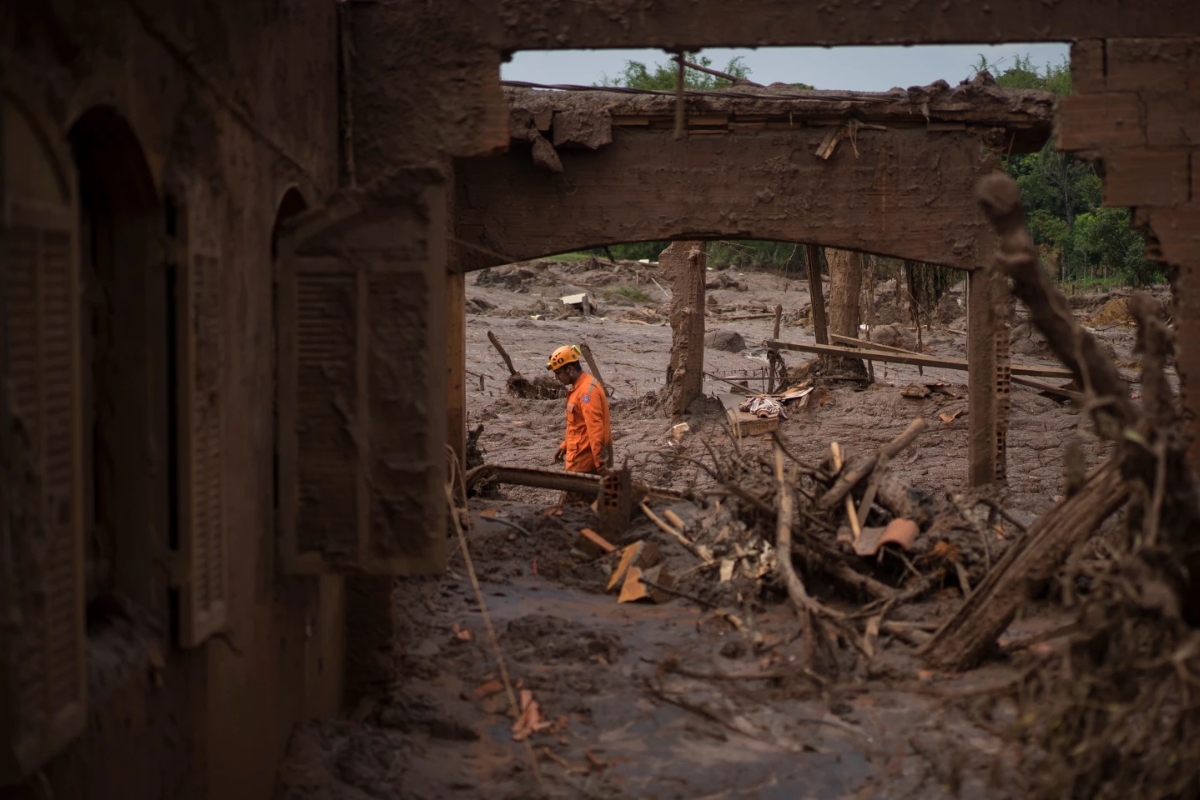
The Greatest Environmental Tragedy in Brazil Takes on a New Turn: British Court Holds Mining Giant Accountable and Opens the Door for Million-Dollar Indemnities Even After Billions Already Paid in the Country, Benefiting More Than 600 Thousand Brazilians
The sludge that devastated cities, killed 19 people, and ravaged the Doce River in 2015 is back in the global spotlight. Nearly a decade later, the greatest environmental disaster in Brazilian history has reached an unprecedented conclusion outside the country. The British court declared BHP legally responsible for the Fundão dam collapse and opened the door for hundreds of thousands of Brazilians to receive additional indemnities, even after years of agreements and payments made in Brazil.
This decision marks a historic turning point. It not only breaks the geographical barrier of reparations but also pressures global companies to respond in multiple jurisdictions when their ventures cause large-scale damage. For those who lost homes, entire communities, and especially loved ones, London may be the setting where justice finally gains real strength.

Before the British Decision, Billions Had Already Been Paid in Brazil
The Mariana disaster did not go unnoticed by Brazilian authorities. Under legal and social pressure, Samarco, controlled by BHP and Vale, accepted one of the largest environmental agreements ever made in Latin America. The package established that 132 billion reais would be disbursed over 20 years, covering human, environmental, and structural damages.
-
Friends have been building a small “town” for 30 years to grow old together, with compact houses, a common area, nature surrounding it, and a collective life project designed for friendship, coexistence, and simplicity.

-
This small town in Germany created its own currency 24 years ago, today it circulates millions per year, is accepted in over 300 stores, and the German government allowed all of this to happen under one condition.

-
Curitiba is shrinking and is expected to lose 97,000 residents by 2050, while inland cities in Paraná such as Sarandi, Araucária, and Toledo are experiencing accelerated growth that is changing the entire state’s map.

-
Tourists were poisoned on Everest in a million-dollar fraud scheme involving helicopters that diverted over $19 million and shocked international authorities.

Nonetheless, the costs continued to rise. According to data presented by the companies to the Financial Times, BHP and Vale claim that the total financial liabilities undertaken in Brazil could exceed US$ 32 billion (R$ 168.6 billion). Part of this amount has already been paid. The mining companies claim to have disbursed US$ 13.4 billion (R$ 70.6 billion) in reparations and mitigation programs.
The figures reveal something even more significant: Vale alone reports having transferred US$ 6 billion (R$ 31.6 billion) directly to 610 thousand people, including 240 thousand individuals who are also part of the process in London. This means that a significant portion of the families who have already received indemnities in Brazil may receive again, now in amounts calculated by the British court.
This financial history, however, was deemed insufficient by the UK court, which determined that BHP’s liability does not end with the agreements made on Brazilian soil.

The Turn in London Redefines the Scope of Reparations
The High Court in London rejected the mining companies’ argument that the British process would be “unnecessary” due to the Brazilian agreements. For the court, BHP exercised significant control over Samarco and therefore must be held accountable for the damages caused by the dam’s collapse. The court also considered that the victims have the right to seek compensation in multiple jurisdictions, especially when the impacts cross economic and social borders.
With this decision, the case transforms into one of the largest indemnification actions ever seen in the mining sector. More than 600 thousand Brazilians are claiming reparations for human losses, property destruction, economic impacts, and long-term environmental damage. Estimates presented in the UK suggest claims that could reach £ 36 billion (R$ 252.7 billion), a figure that surpasses any previous agreement involving the disaster.
For Brazil, the repercussions go beyond indemnification. The British decision creates a global precedent that reinforces the supremacy of environmental and human rights over corporate structures scattered around the world. It is also a warning for corporations that bet on strategies of diluting responsibility.
A New Chance for Justice for Those Who Lost Everything
The collapse of the Fundão dam covered entire cities with waste, destroyed Bento Rodrigues, ravaged kilometers of forest, contaminated the Doce River, and left a scar that has yet to heal. Despite years of reparative programs, many families report incomplete reconstructions, indemnities that did not match their losses, slow resettlements, and difficulties in resuming their lives.
The British decision reignites hope for these communities. It does not matter if some of them have already received indemnities in Brazil. In London, each family will be reassessed based on criteria independent of the British Justice and free from the burdens already fulfilled by BHP and Vale.
If the projected amounts are confirmed, Brazil may witness the largest set of environmental indemnities ever granted to victims of a single disaster. And the greatest tragedy in its history will gain another chapter: the possibility that, at last, each victim receives what they truly lost.










-

Uma pessoa reagiu a isso.