





 Portuguese
  English
  Spanish
  4 min of reading
  0 comments


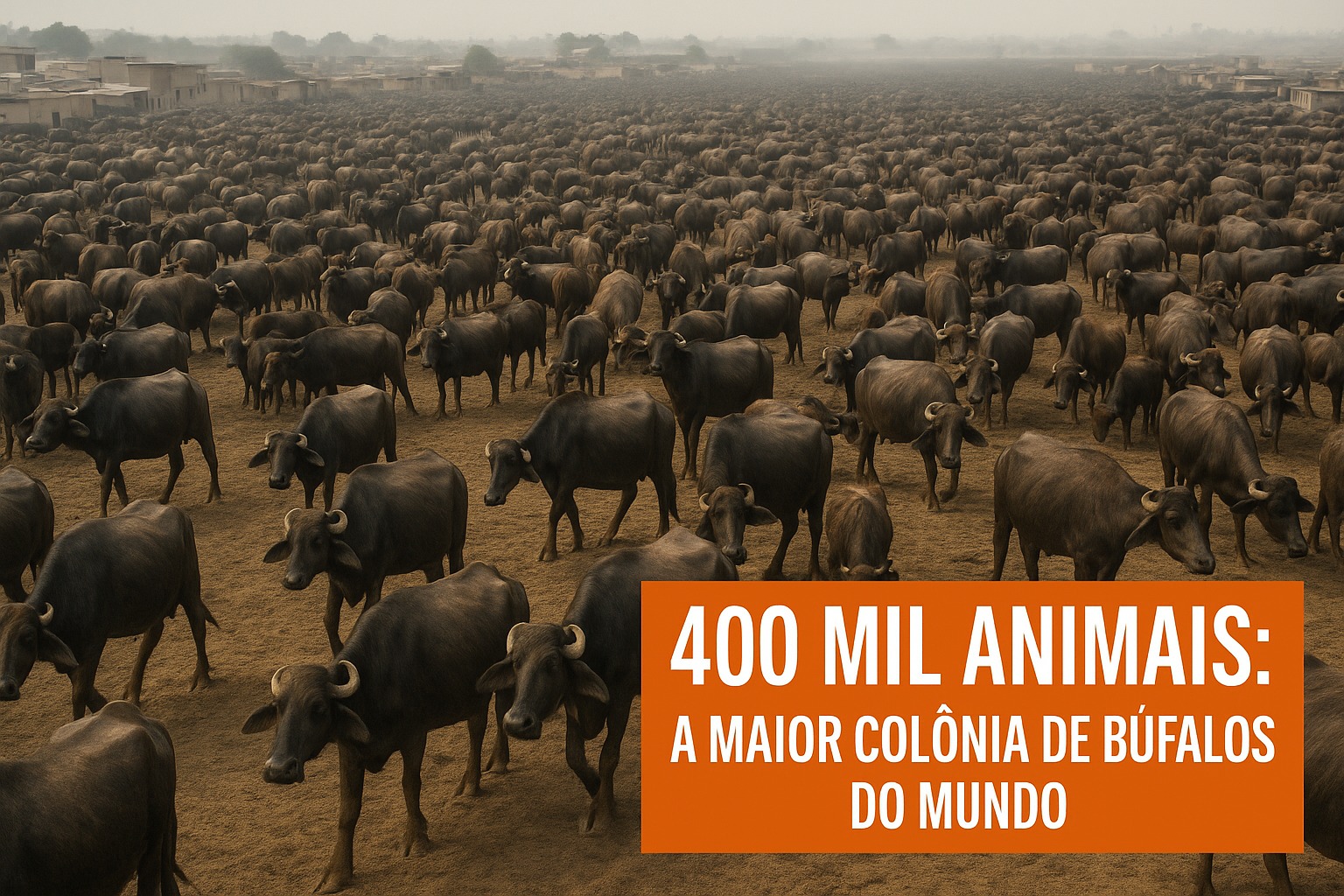
In Karachi, the Landhi Dairy Colony Concentrates the Largest Milk Production in the World and Hosts an International Project That Transforms Tons of Animal Waste into Energy and Fertilizer, Reducing Environmental Impacts and Strengthening the Local Economy
The Landhi Dairy Colony, also known as the Bhains Colony, is located in the Malir district of Karachi. It is known for supplying more than 80% of the milk consumed in the city. This gigantic structure has made the location essential for daily supply, in addition to being an important economic hub in the region.
The New Zealand Agency for International Development funded a pilot project to convert animal waste into energy and fertilizer.
The initiative originated with the intention of reducing pollution and improving the living conditions of those living in the colony.
-
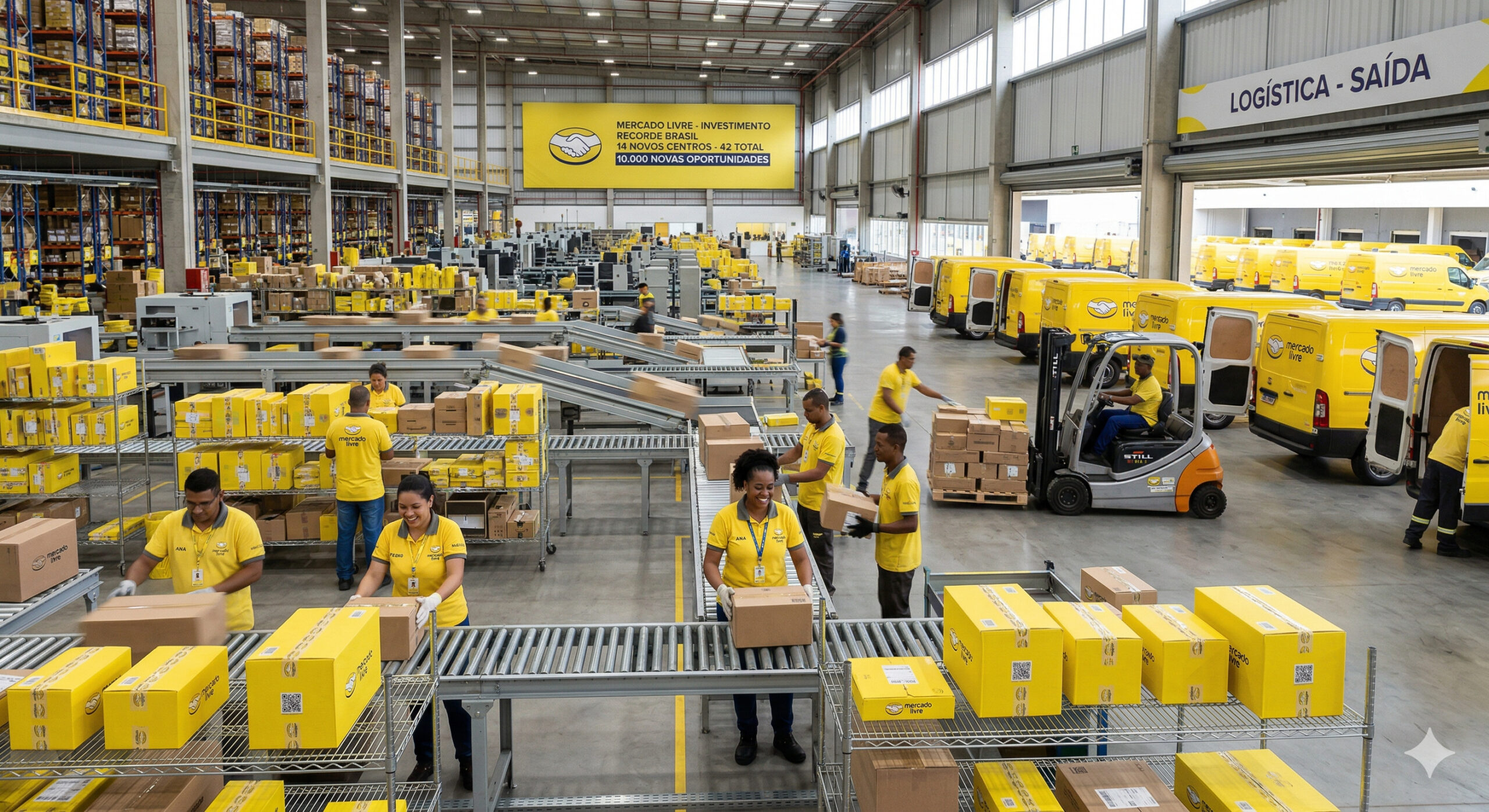
Mercado Livre “opens the vault” and announces a record investment of R$ 57 billion in Brazil in 2026, a value 50% higher than the previous year, with an expansion plan that includes 14 new logistics centers, totaling 42 units in the country and hiring an additional 10,000 employees.
-
How investment in technology can revolutionize the national economy and enhance industrial gains, according to a study that highlights the direct impact on productivity, innovation, and wealth retention within Brazil.

-
The largest food company on the planet, JBS, has just opened a 4,000 square meter laboratory in Florianópolis to develop customized proteins that modulate muscle mass gain, immune response, and metabolic performance.

-
After nearly 30 bids and competition among industry giants, a Spanish company purchases one of the largest airports in Brazil for almost R$ 3 billion and takes over the management of Galeão in a concession that will last until 2039.

In addition, the plan aimed to address the growing accumulation of waste, which had been a long-standing issue in the district.
How It All Began
The colony is on the outskirts of Karachi. It was founded in 1958 on an area of 752 acres and was designed to house 15,000 animals. The initial proposal was to create an organized space to concentrate milk production.
Today, however, the scenario has changed dramatically. The region now hosts around 1,500 farms spread over 6.5 km². This expansion occurred because the demand for milk has increased significantly in recent decades.
The current herd consists of approximately 400,000 animals, with 95% being buffalo and 5% cows. There are also sheep and goats, but in unknown numbers.
This giant structure produces about four million liters of milk every day. It is an amount that distinguishes the colony as the largest in the world in this segment.

Routine of Buffalo Farmers
Buffaloes are the main source of milk in Pakistan. The pattern repeats itself in the colony. Each producer usually has up to 200 animals, showing how production is distributed among many families.
Most animals are kept only during the lactation period. Thus, between 10% and 12% of the herd is replaced monthly.
When the cycle ends, many animals are sold to farmers or for slaughter. Only a portion is kept for breeding.
This constant movement also helps explain the intensity of exchanges with Punjab and Sindh, regions rich in livestock.
The Waste Challenge of the Largest Buffalo Colony in the World
The volume of manure corresponds to the size of the herd. Every day, about 7,200 tons of waste are produced. Before the project, there was no proper treatment.
This caused accumulation, bad odors, and disposal into the sea. The lack of alternatives pressured the environment and public health.
Therefore, the idea of converting manure into energy became crucial. It promised to solve a serious environmental problem while generating economic benefits.
The Power Generation Plant
The first gas-fired power plant fueled by manure was planned with a capacity of 25 MW. The plant would convert manure into methane and also produce fertilizer.
Therefore, the project would help Karachi address its urgent electricity needs.
The plant also produces 1,500 tons of natural fertilizer per day. This volume reinforces the economic value that manure has gained.
The inauguration of the project was attended by New Zealand’s Minister of Trade, Phil Goff, and Karachi’s Nazim, Syed Mustafa Kamal.
The ceremony highlighted the regional impact of the initiative, which sought to unite sustainability and social development.

The Beginning of the International Partnership
The plan began in 2005 when NZAID invested up to US$ 500,000. In April 2007, the project was officially inaugurated.
At the time, Phil Goff stated that the organizations involved could take pride in the initiative. He also emphasized that the partnership further strengthened ties between New Zealand and Pakistan.
Syed Feroz Shah, director of the National Engineer Corporation, noted that this was the country’s second carbon credit project. This detail underscores the environmental dimension of the proposal.
Other Livestock Colonies in Karachi
Karachi is home to other dairy production areas, such as Al-Momin Dairy Society, Nagori Colony, Surjani Colony, Bilal Colony, and Saif Colony. All help sustain the city’s production chain.
With information from Wikipedia.








-

-

-

-

22 pessoas reagiram a isso.