





 Portuguese
  English
  Spanish
  3 min of reading
  0 comments


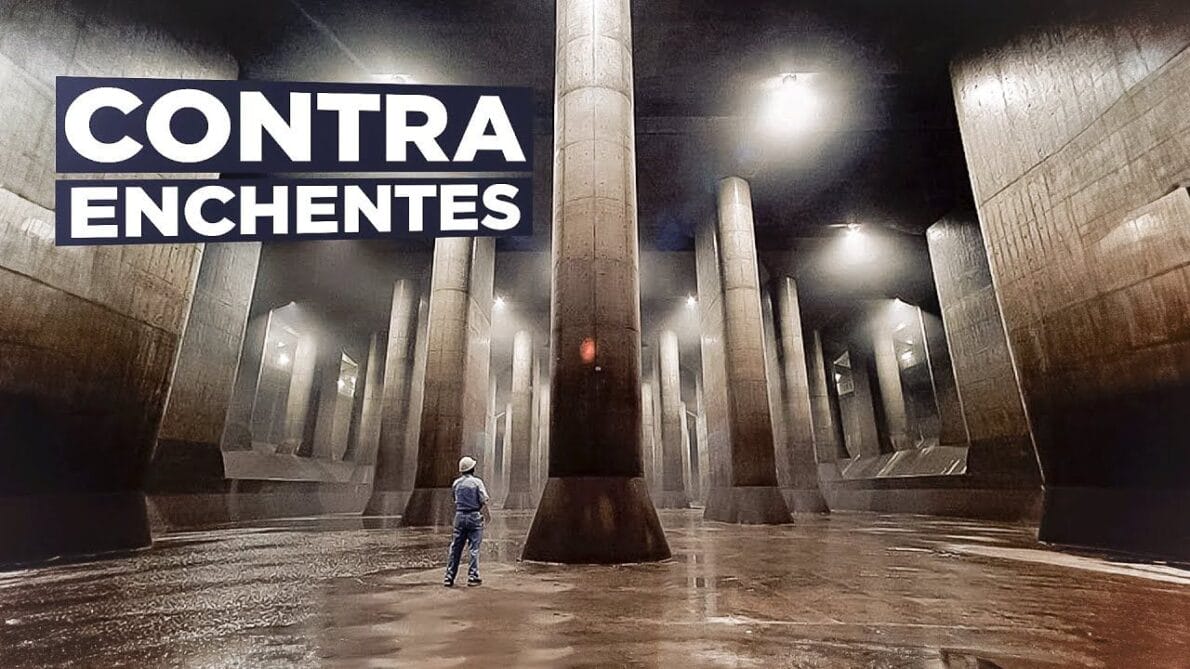
Imagine A Tunnel System With Over 200 Kilometers In One Of The Largest Cities On The Planet. This May Seem Like The Perfect Scenario For A Road Solution, But The Purpose Of This Complex Is Different: To Provide Flood Protection. The G-Cans Project Is A Milestone In Japanese Civil Engineering And Has Widely Helped The Tokyo Metropolitan Area To Prevent Tragedies Resulting From Heavy Rains.
Inaugurated In 2009, The G-Cans Project Is Located In Saitama City, Approximately 200 Km From The Japanese Capital, Tokyo. The Largest Flood Control Construction In The World Is Composed Of Five Large Underground Storage Tanks, Each 32 Meters High And 177 Meters Long. These Tanks Are Connected By A Main Drainage Tunnel 6.3 Km Long And 10 Meters In Diameter. There Are Several Secondary Drainage Tunnels, Totaling Over 50 Km In Length.
The System Can Drain Up To 200 Tons Of Water Per Second During A Flood. To Get An Idea Of The Scale Of This Project, Just Imagine That The Maracanã Stadium Could Easily Fit Into One Of These Gigantic Storage Tanks. Construction Began In 1992 And Was Completed In 2009, Requiring A Huge Effort And Investment From The Japanese Government, Totaling About 2 Billion Dollars At The Time.
The Need For A Solution Like This Arose From The Recurring And Devastating Floods That Affected The Tokyo Metropolitan Area Throughout The 20th Century


Floods Such As The One In 1947, Which Caused The Death Of Over 1,000 People, Demonstrated The Urgency For A Comprehensive Solution. The Project Was Led By The Flood Control Agency Of The Ministry Of Land, Infrastructure, Transport And Tourism Of Japan And Involved The Participation Of Engineers, Architects And Specialists From Across The Country.
-
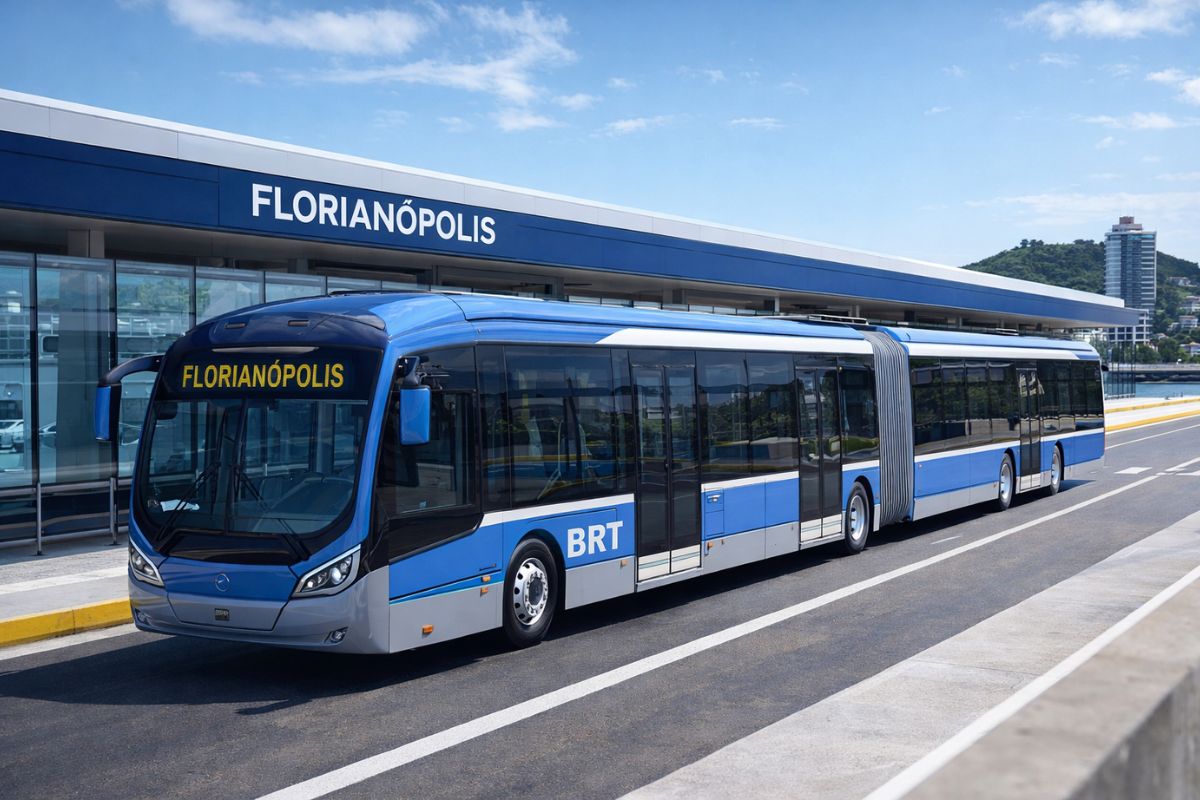
Florianópolis will receive a million-dollar BRT that will begin construction in 2026 with nearly 400 million in funding from the federal government and the Inter-American Development Bank, and the map already shows the routes for the exclusive bus corridors.
-
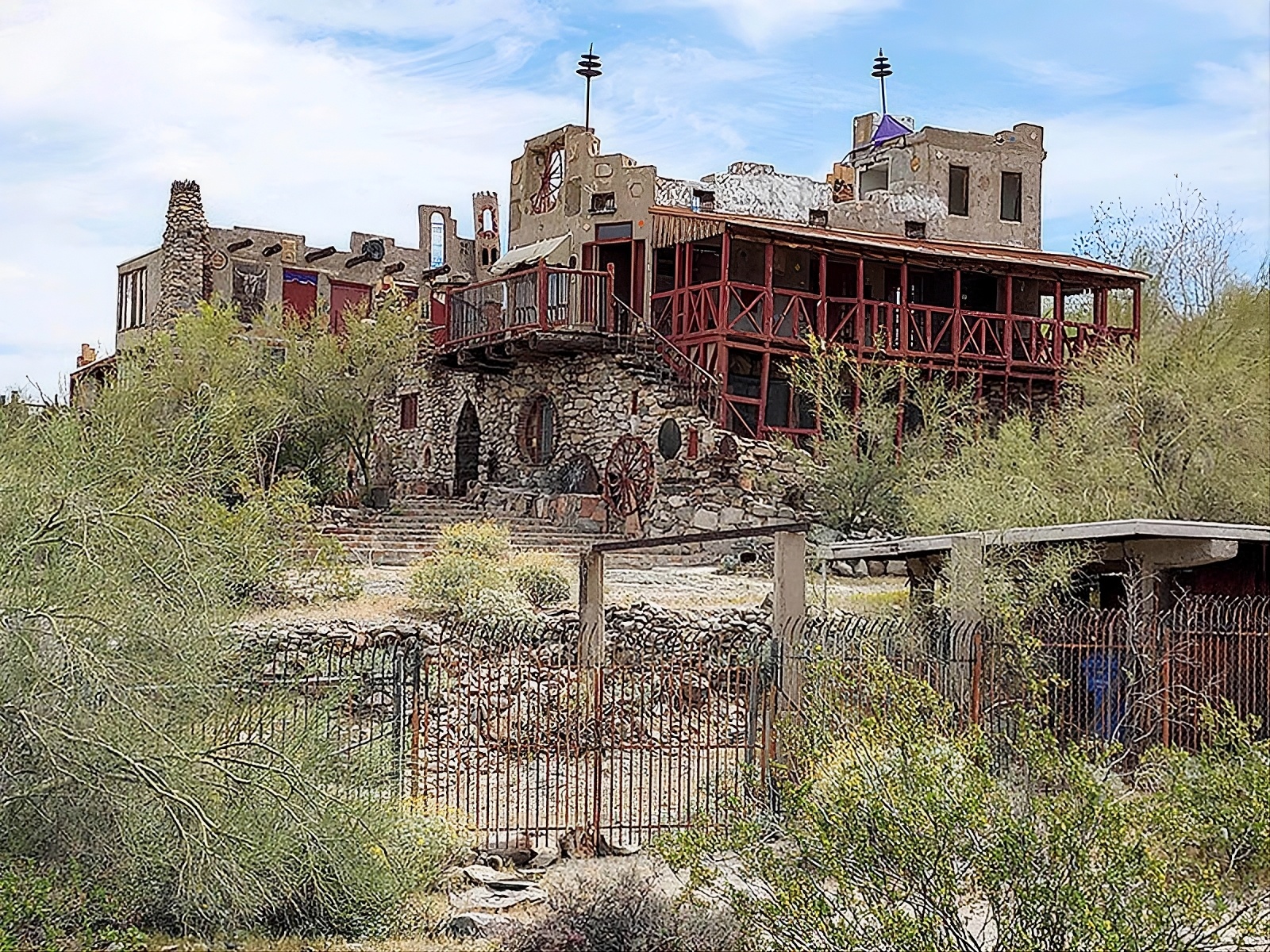
Without a blueprint, without an engineer, and using scrap from the dump, a father spends 15 years building an 18-room castle for his daughter, featuring tram tracks, 13 fireplaces, and over 700 m², which may now be demolished.
-
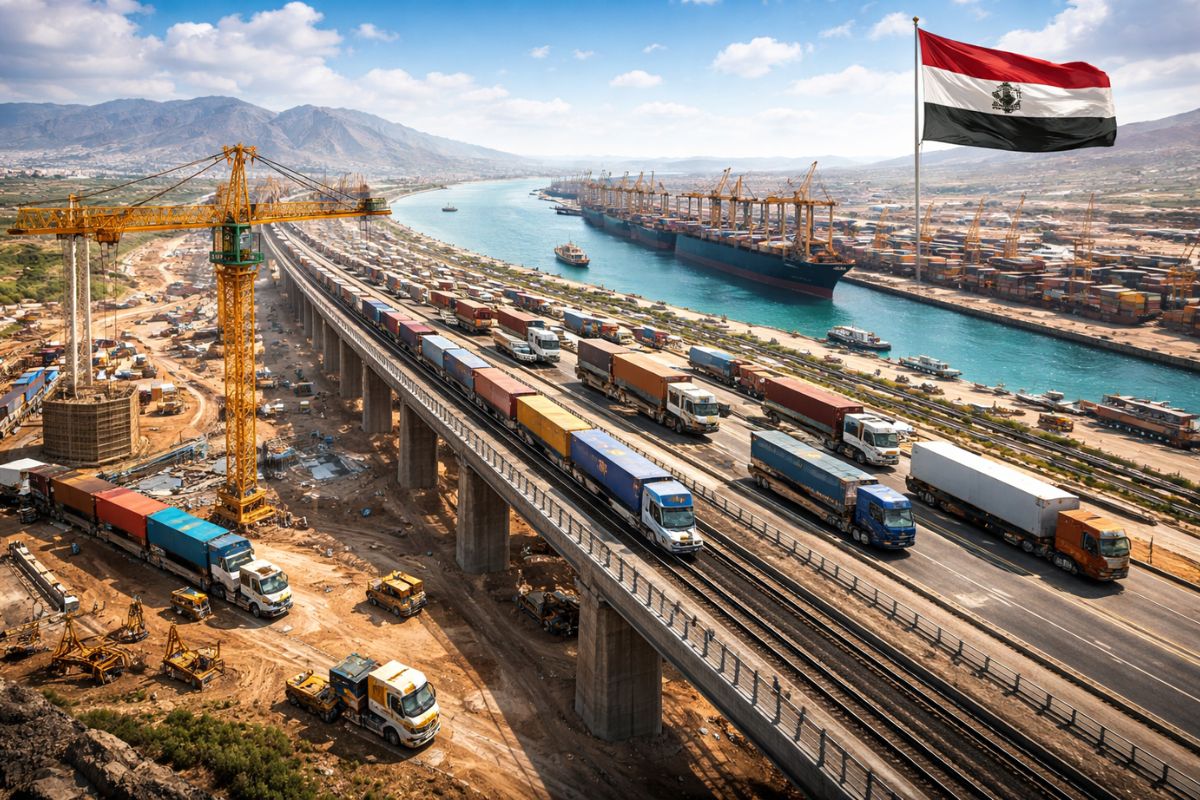
A megaproject worth R$ 89 billion is advancing in Iraq and promises to change the game in global trade by creating a new corridor between Asia and Europe, reducing traditional routes and repositioning the country as a logistics powerhouse.
-
Goodbye bedside table: floating shelves become a trend in 2026 by freeing up space in the bedroom, improving circulation, bringing visual lightness, and integrating technology without taking up floor space.


The G-Cans Project Not Only Protects Millions Of People From Floods, But Also Serves As An Inspiring Example Of Innovation And Determination In The Search For Solutions To Critical Environmental Problems. With A Pumping System Capable Of Draining Up To 200 Tons Of Water Per Second, The Project Ensures That Urban Areas Remain Safe Even During Periods Of Heavy Rains And Typhoons.
The Largest Flood Control Construction In The World Continues To Gain Importance Over Time, Especially With The Increase Of Global Climate Challenges
The Success Of The G-Cans Project In Japan Serves As An Incentive For Other Nations To Invest In Similar Projects, Adapted To Their Local Needs And Realities, To Protect Their Vulnerable Populations And Prevent Tragedies Resulting From Recurring Floods.
Thus, The Largest Flood Control Construction In The World Is A Milestone In Modern Engineering, Showing That The Combination Of Determination, Innovation And Investment In Infrastructure Can Make A Crucial Difference In Protecting Against Natural Disasters.





-

2 pessoas reagiram a isso.