






 Portuguese
  Spanish
  2 min of reading
  1 comment




The Differences Between Trucks in the USA and Brazil Are a Result of Various Factors, Including Regulations, Geography, and Culture. While American Trucks Prioritize Comfort and Customization, Brazilian Trucks Are Designed to Maximize Load Efficiency and Navigate Challenging Roads. These Variations Reflect the Needs and Preferences of Drivers in Each Country.
In Brazil, the history of trucks began with the Bandeirante model, manufactured in Rio de Janeiro in 1942. Truck production in Brazil expanded in the 1950s with the entry of companies like Mercedes-Benz, Volvo, Scania, and Volkswagen. Brazilian trucks, known as “flat-nose,” due to having the engine beneath the cabin, are designed to maximize cargo capacity due to length restrictions set by the National Traffic Council (Contran).
In the USA, the truck industry began in the late 19th century. Companies like Peterbilt, International, Freightliner, and Kenworth created iconic trucks with the engine in front of the cabin. These trucks, called “long-nose,” are more common in the United States due to the wide and flat roads, where vehicle length is not as restrictive.
In the United States, Roads Are Predominantly Flat and Straight, Facilitating the Use of Larger and Longer Trucks


American cities generally have wide streets, allowing large vehicles to navigate without much trouble. American legislation does not restrict truck length as strictly as in Brazil, allowing for the construction of larger and more comfortable cabins.
-
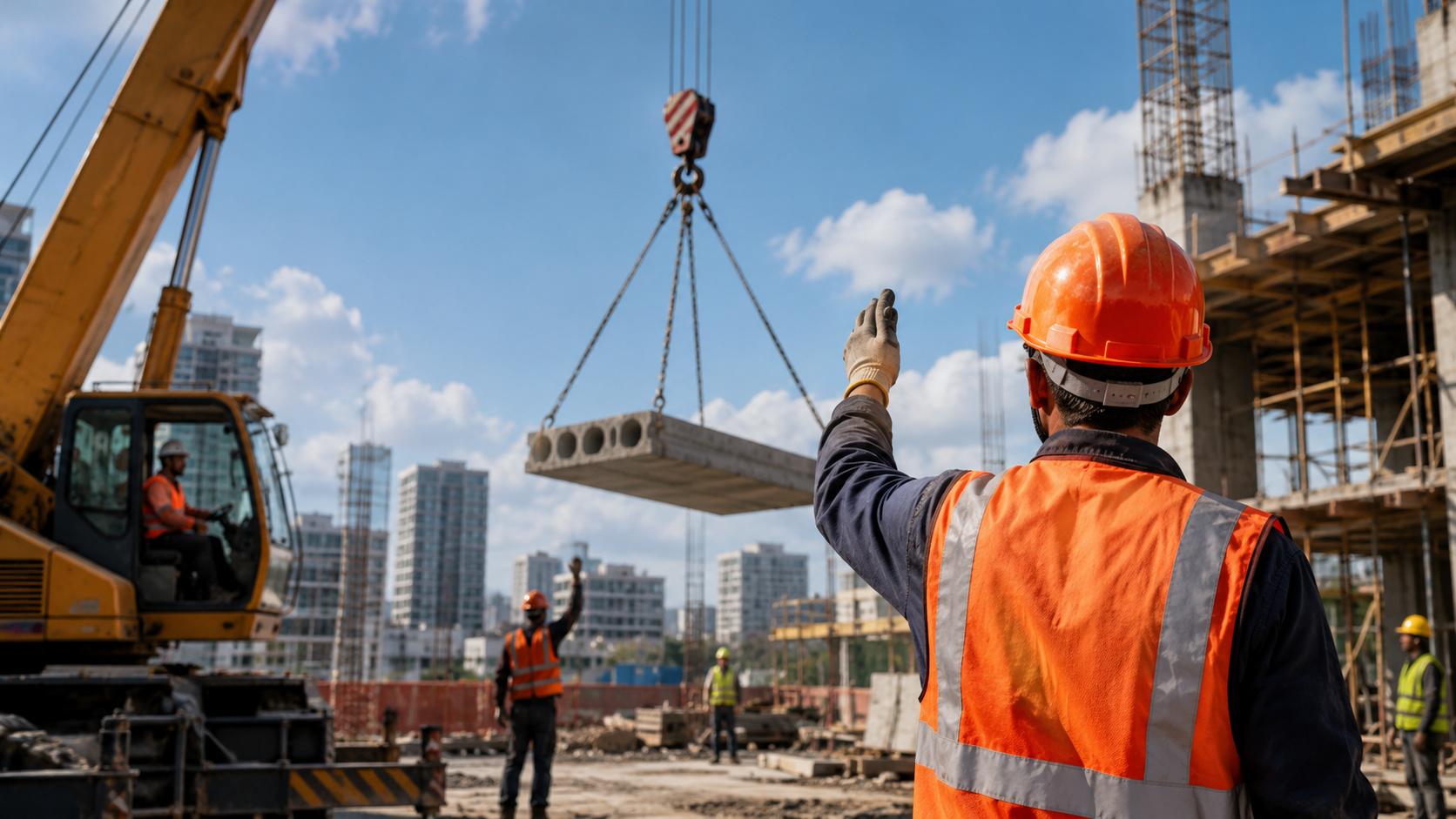
Why can the crane operator only obey the correct signalman on the construction site: among dozens of workers, a hand raised by the wrong person can confuse the maneuver and turn a load of tons into an immediate risk.

-
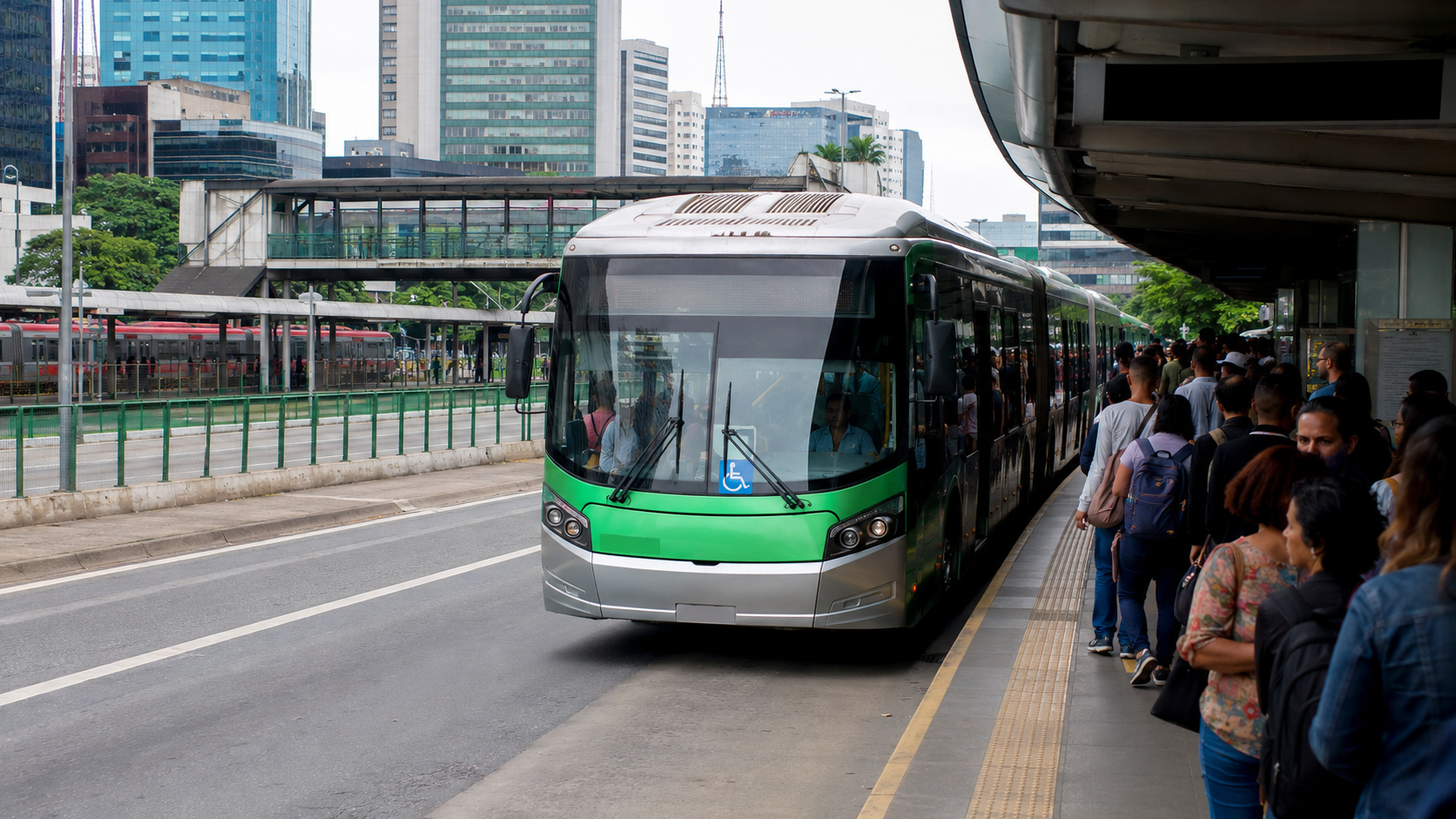
What changes with the new public transportation rules that can reduce pressure on fares and pave the way for zero fare in Brazil?
-
Driver who “holds” the left lane can receive a hefty fine and 4 points on their driver’s license even if they think they are going at the correct speed for the road.
-
São Paulo Government puts R$ 343 million on the table and releases 31 km of duplication, 9.84 km of third lanes, 4 reinforced viaducts, and 8 grade-separated returns.



In Brazil, the roads are more winding and often traverse rugged terrain, requiring more powerful and compact trucks for better maneuverability. Brazilian cities tend to have narrower and more congested streets, making “flat-nose” trucks more practical and efficient.
In the USA, the “long-nose” trucks offer more comfort to drivers. They typically have spacious cabins that can be equipped with beds, microwaves, refrigerators, and other comforts, turning them into true homes on wheels. This is particularly useful for drivers on long trips.
In Brazil, the Focus Is on Maximizing Cargo Capacity Within Length Restrictions
This means that the cabins are more compact and less equipped for prolonged comfort. However, they are efficient and well adapted for the conditions of local roads. Another interesting difference is customization. In the USA, it is common to see trucks customized with elaborate paint jobs and personalized accessories. There are competitions that award the most beautiful and well-equipped trucks. In Brazil, customization is not as common, and trucks usually retain their factory original appearance.







E caminhões bicudos são mais seguros, pois quando acontece uma batida nos caminhões cara chata, o motorista sempre fica preso nas ferragens , geralmente morre na hora, pois na verdade o motorista se torna o para choque do caminhão.