





 Portuguese
  English
  Spanish
  3 min of reading
  1 comment


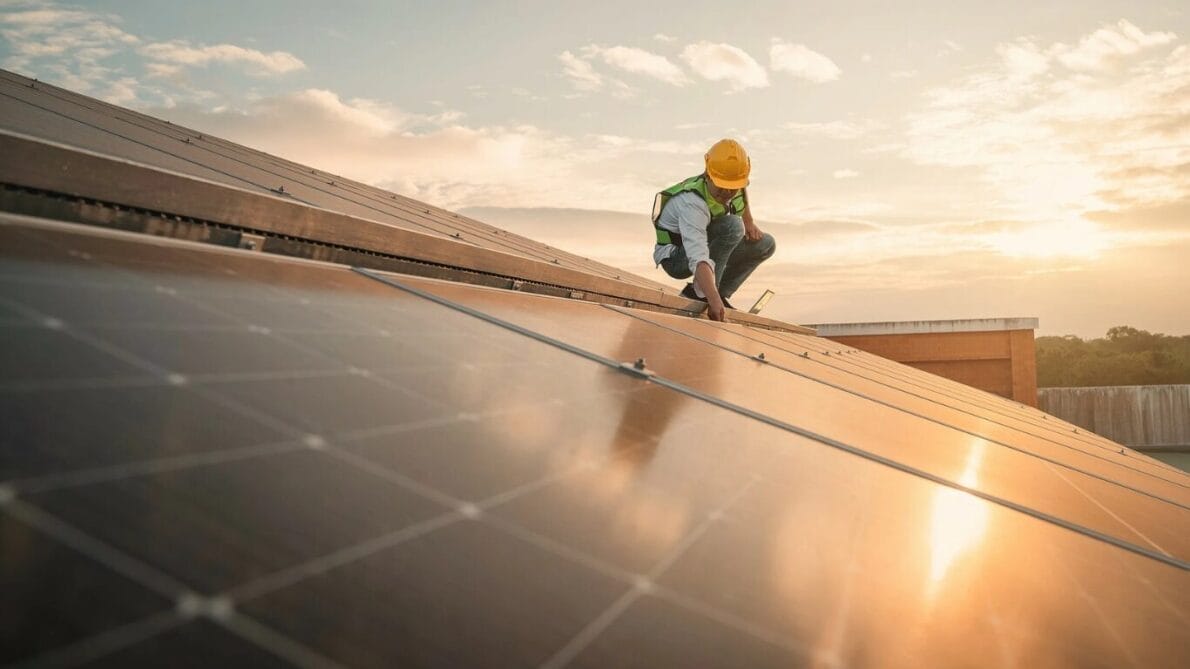

The Solatio Plant in Bom Princípio do Piauí Promises to Revolutionize Brazil’s Energy Sector, Powering a Future Green Hydrogen Factory!
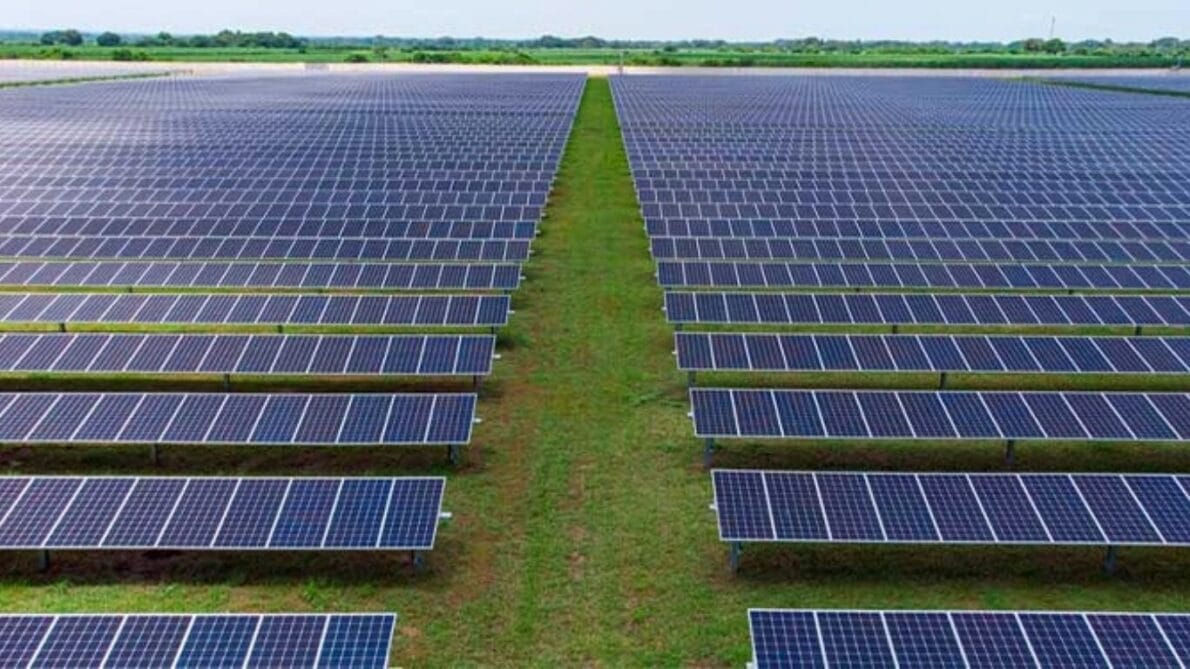
The solar energy company Solatio has just announced an ambitious project to build the largest solar power plant in Brazil. Located in Bom Princípio do Piauí, in the Parnaíba region, the new plant will have an initial capacity to generate 4 GW of energy. This monumental undertaking will not only set new standards in the solar energy sector but will also power a future green hydrogen factory, expected to begin operations in 2028 according to the examination.
Billion-Dollar Investment and Strategic Partnerships
The Solatio project involves an investment of R$ 10 billion, marking a significant step towards sustainable and technological development in Brazil. “We will start construction in 2025, and the delivery will be in January 2028, to coincide with the delivery of the hydrogen factory,” stated Pedro Vaquer, president of Solatio, during the International Conference on Renewable Energy Technologies (Citer) in Teresina.
The plant will be constructed in six phases, each generating 1.9 GW of hydrogen production, until reaching a total of 11.4 GW. Thus, a memorandum of understanding was signed with the state of Piauí, and contracts with local landowners have already been established. Vaquer emphasized the importance of the project: “The entire state of Piauí consumes 750 MWh. We are talking about a project that will consume 3,000 MWh at just one point.”
-
Renewable energy advances over protected areas in Brazil, and a survey by the Energy Transition Observatory reveals silent impacts that challenge environmental conservation and pressure sensitive traditional territories.

-
Rio Grande do Sul accelerates energy transition: State invests in renewable technologies and consolidates decarbonization strategies and pathways to attract billions in new industrial investments.

-
With 160,000 m² of collectors, an area larger than 20 football fields, Silkeborg, in Denmark, hosts a solar thermal plant that heats 19,500 homes and could become the largest solar heating plant in the world.

-
A study reveals the expansion of renewable energy procurement in Brazil and shows how companies are taking advantage of opportunities to reduce expenses, ensure energy efficiency, and strengthen strategic environmental commitments.


Green Hydrogen: The Fuel of the Future
Green hydrogen is produced through the electrolysis of water, using energy from renewable sources such as solar, wind, or hydroelectric. This process ensures that the hydrogen is completely free of carbon emissions, making it an ecological alternative to fossil fuels. Victor Hugo Ricco, business development manager at Eletrobras, emphasized: “The cost of energy accounts for 80% of the value of green hydrogen.”
Brazil, with its vast capacity for producing hydroelectric, wind, and solar energy, has enormous potential to become a global leader in green hydrogen production. Solatio’s solar power plant, by providing clean and continuous energy for hydrogen manufacturing, exemplifies how the country can capitalize on this potential.
Economic and Social Impact
However, beyond the positive environmental impact, Solatio’s project promises to bring significant economic benefits to Piauí. Thus, the expectation is that investments in the green hydrogen sector, including other projects like Green Energy Park, will total R$ 200 billion by the next decade, generating approximately 20,000 jobs.
This movement represents a great opportunity for Brazil not only in terms of sustainability but also as a lever for regional economic development. Solatio’s new solar power plant will position Piauí as an important hub for renewable energy in the country.
The Future of Solar Energy in Brazil
The construction of the largest solar power plant in Brazil by Solatio in Bom Princípio do Piauí is a milestone in the renewable energy sector. With an initial capacity of 4 GW, this project will not only boost green hydrogen production but also contribute to the diversification of the country’s energy matrix. As Brazil advances towards a more sustainable future, such projects are essential to ensure a clean energy supply and promote economic and technological development.
Therefore, following the evolution of this project will be crucial to understand the impact of renewable energies in Brazil and the world. Solatio’s plant represents a significant step towards a greener and more innovative future.








Pretendo fazer parte desse marco no meu estado Parnaíba pi