Portuguese
  Spanish


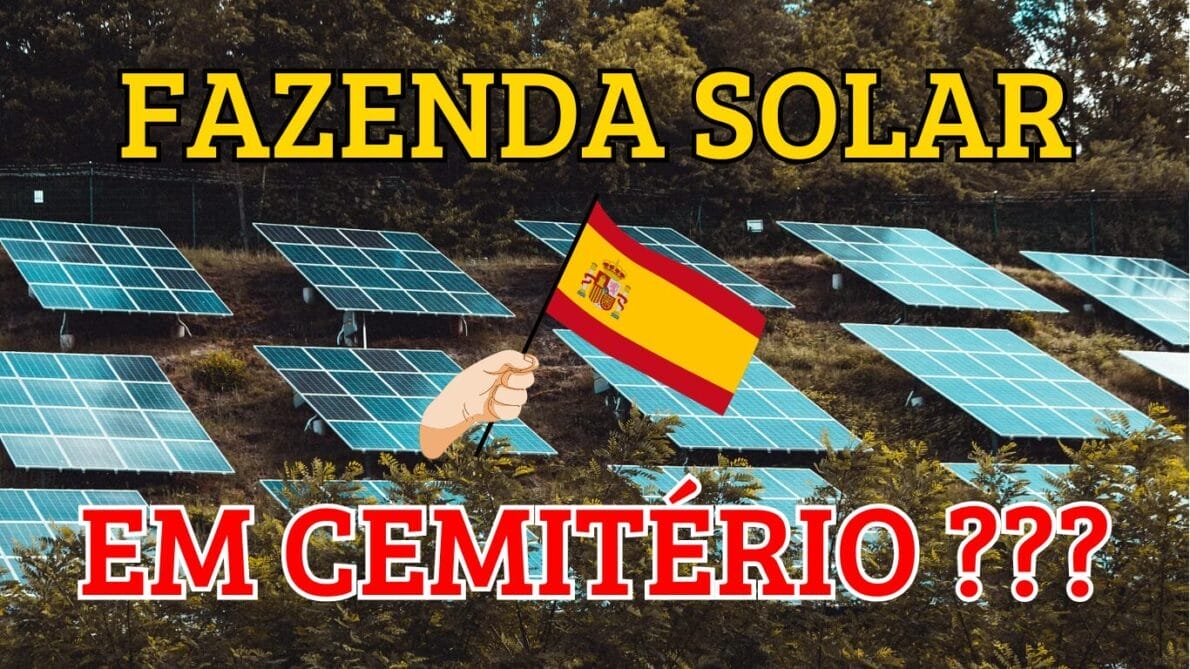

Innovative Project Aims to Reduce CO₂ Emissions and Generate Clean Energy in Valencia’s Cemeteries: A Disrespectful View or Innovative?
Valencia, a city on the east coast of Spain, is revolutionizing renewable energy by transforming its cemeteries into solar farms. With the installation of solar panel batteries, the city aims to achieve climate neutrality by 2030 and become a model of urban sustainability.
In Europe, several countries are innovating and creating alternatives for a cleaner future, focusing on solar energy and other renewable sources. Germany, for example, leads with its solar plants in urban and rural areas, while Denmark heavily invests in wind farms. Additionally, countries like Portugal and France are expanding the installation of solar panels on public and private buildings.
This trend reflects the European commitment to reducing CO₂ emissions and promoting more sustainable and accessible energy. Thus, Europe advances as a global example in the fight against climate change, according to olhardigital.
-
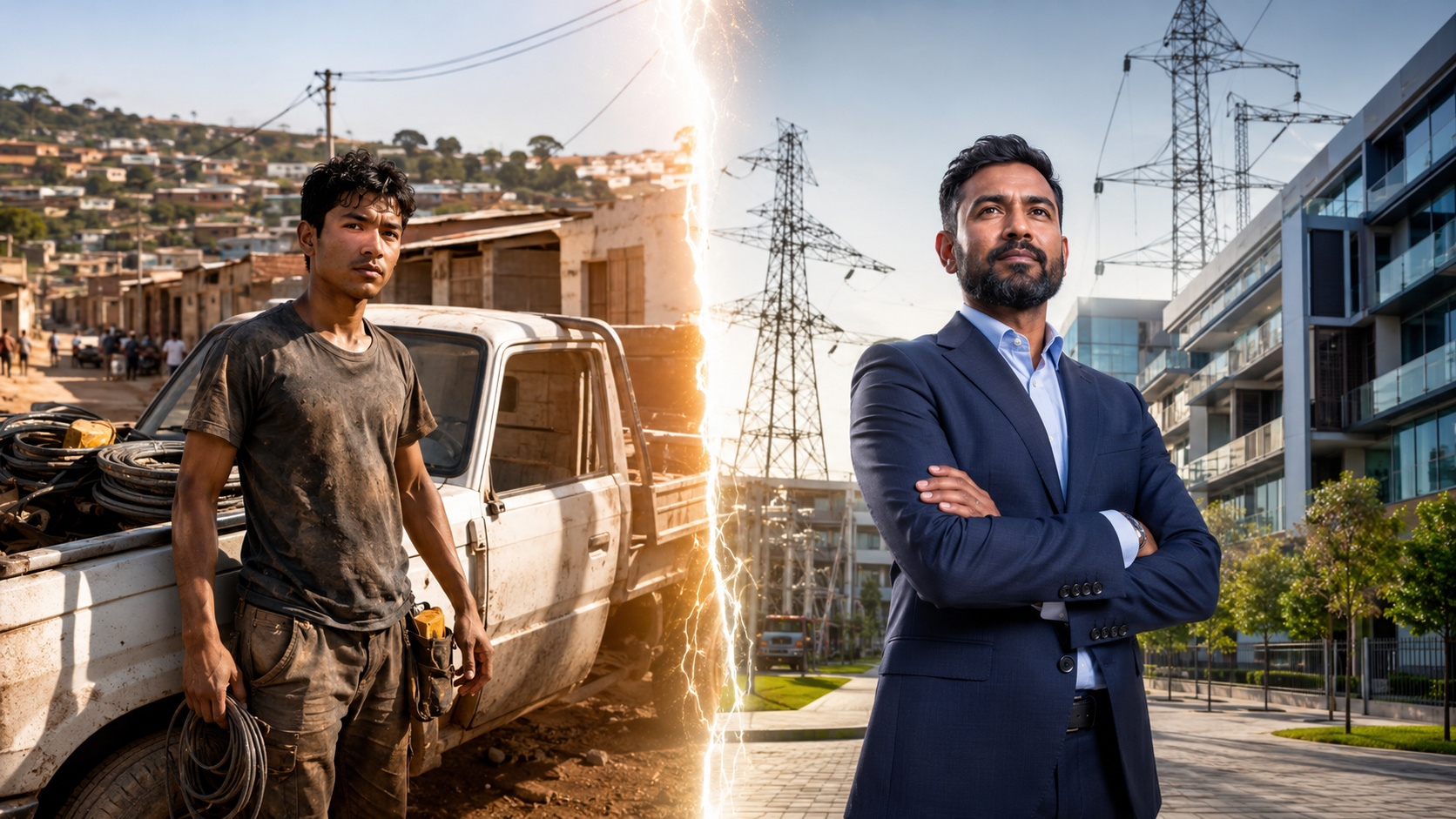
Fired during apartheid and with a little borrowed money, an electrician started with a borrowed truck and transformed electrical services into a group connected to energy, real estate, and infrastructure in South Africa.

-
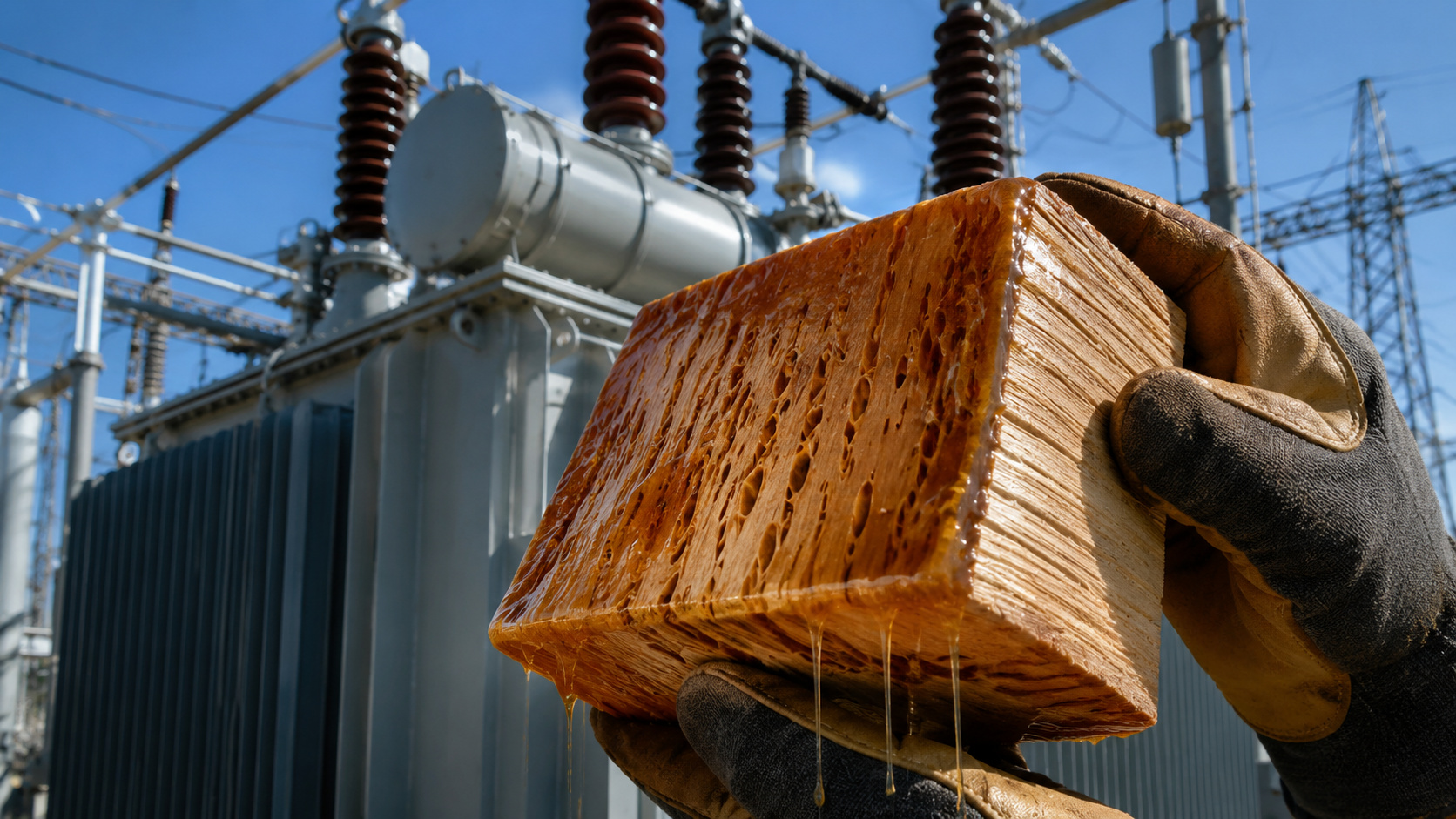
Wood has ceased to be just a construction material in Yale research and has become insulation for electrical transformers that face intense heat, aging, and increasing pressure from the renewable energy-powered grid.
-
More than 1,000 residents of a remote island in Kiribati now have clean water and electricity with solar systems operated by the community itself.
-
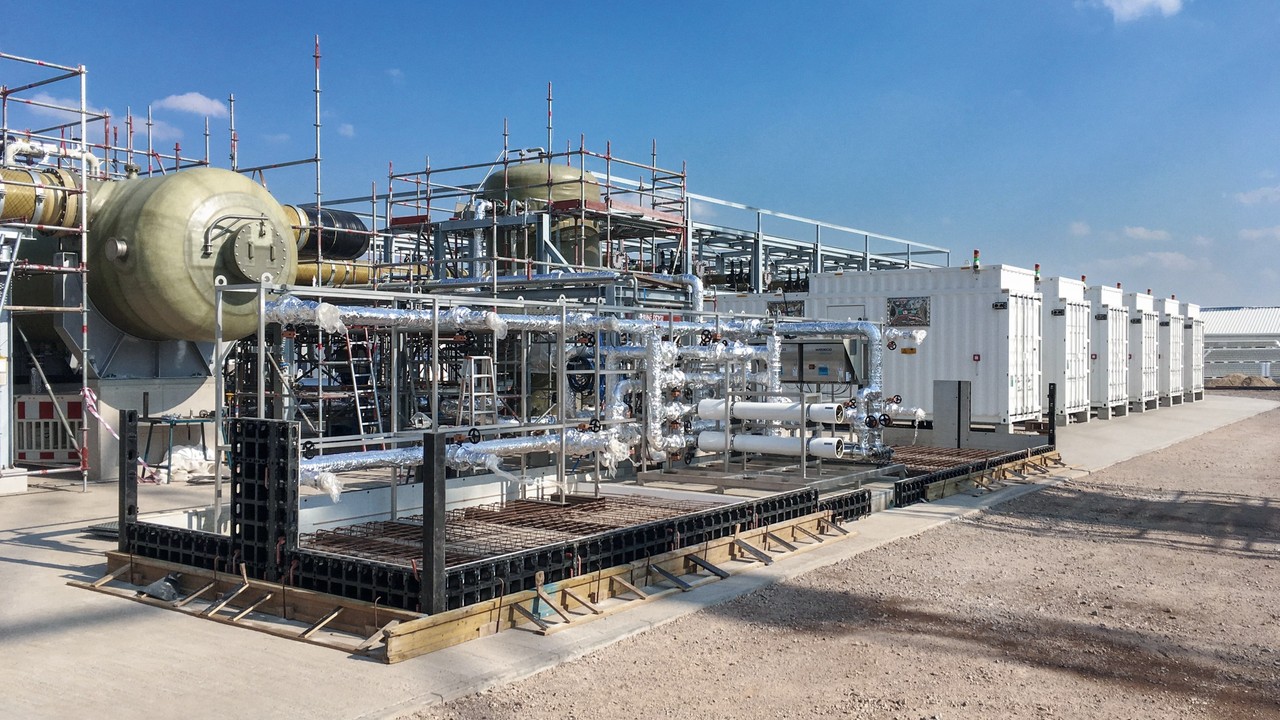
Ceará brings together 7 giants and R$ 66 billion to transform Pecém into the largest green hydrogen hub in Brazil, with final decisions expected by the end of 2026.


Bet on Energy
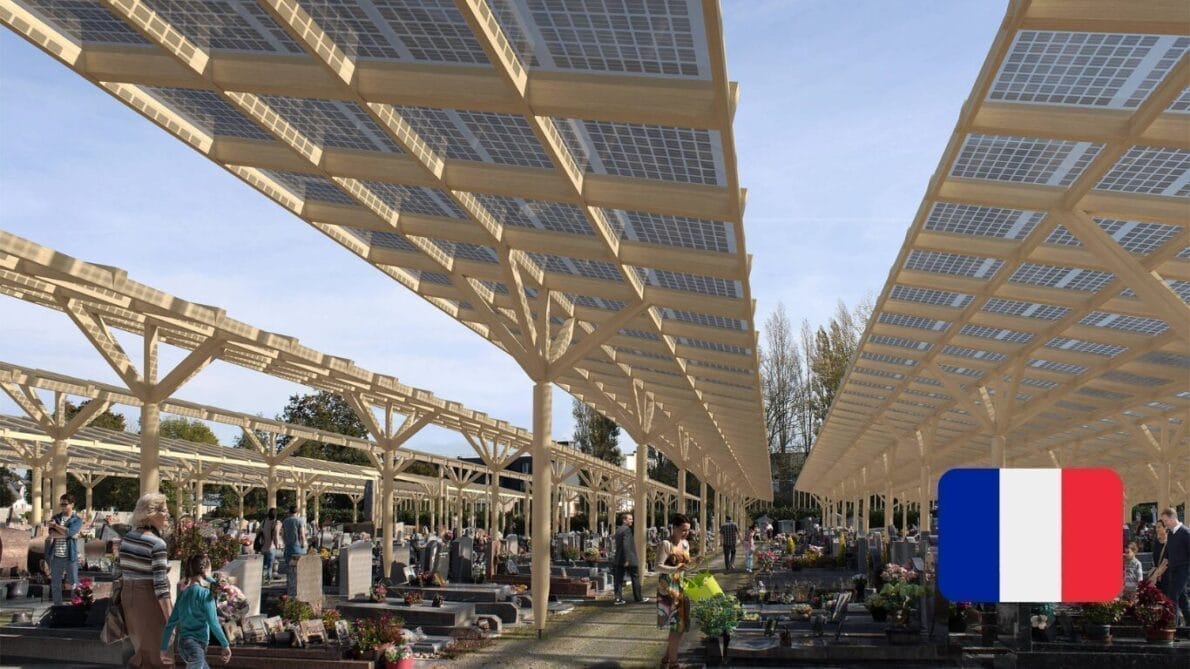
Valencia has set an ambitious goal of achieving climate neutrality by 2030, and solar energy plays a crucial role in this plan. However, installing large solar plants in densely populated urban areas is a challenge. It was then that the idea for the “Requiem In Power” (RIP) project emerged. Authorities decided to utilize the underutilized spaces of cemeteries to install 6,658 solar panels, creating an innovative and efficient solution.
Environmental Impact and Capacity of Solar Panels
The initiative plans to install solar panels over crypts and other structures in five public cemeteries in Valencia. With a total capacity of 2.8 megawatts, these solar panels can generate up to 27% of all the energy consumed in the city. So far, 810 panels have already been installed in three cemeteries, producing 440 million kilowatts of electricity per year and reducing CO₂ emissions by 140 tons annually. This demonstrates a significant impact both on energy production and climate change mitigation.
Largest Urban Solar Farm in Spain
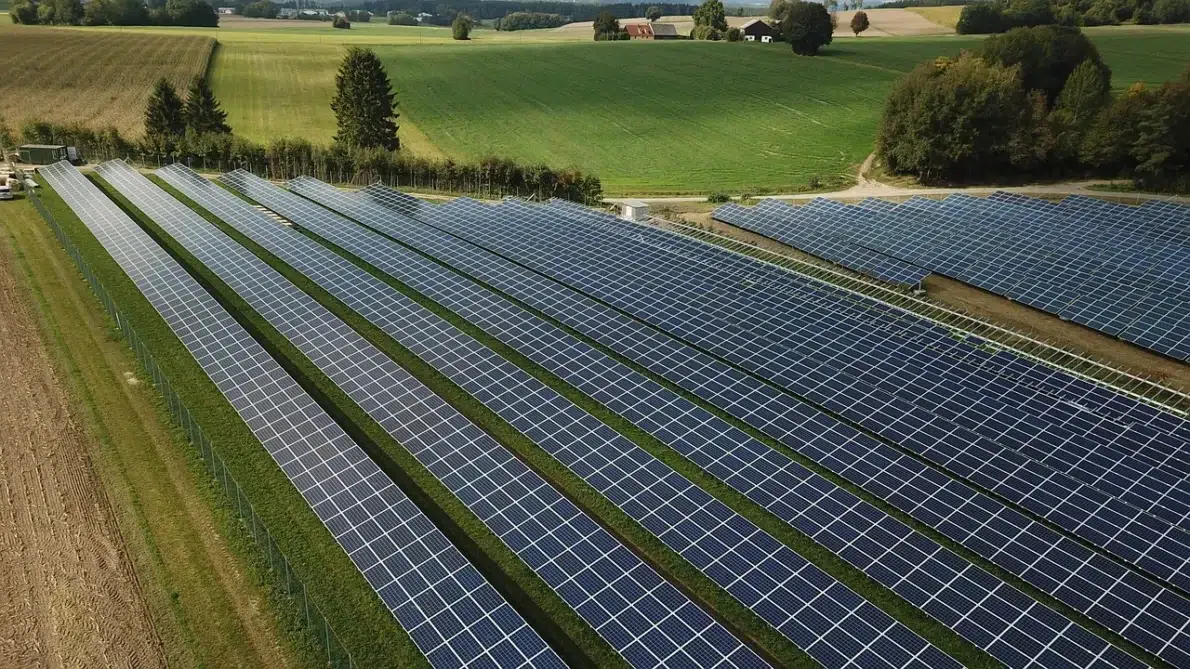
The “Requiem In Power” project will position Valencia as a city with the largest urban solar farm in Spain. This initiative not only maximizes the use of urban spaces but also serves as an example of creativity and innovation in the quest for sustainable solutions. The energy generated will primarily be used for public services, also benefiting some local residences and contributing to a more sustainable future.
Innovation and Sustainability Moving Together
Valencia is showing the world that it is possible to find innovative solutions for environmental challenges. By transforming cemeteries into solar plants, the city is not only advancing towards its climate neutrality goal but also redefining the use of urban spaces. This groundbreaking initiative inspires other cities to explore creative alternatives to promote sustainability.
Therefore, Valencia’s project to convert cemeteries into solar farms is a brilliant example of how innovation can be allied with sustainability. With the installation of 6,658 solar panels, Valencia is paving the way for a greener and more responsible future, demonstrating that even unexpected locations can contribute to renewable energy production. After all, who would have thought that a cemetery could bring new hope to renewable energy!