





 Portuguese
  English
  Spanish
  3 min of reading
  0 comments


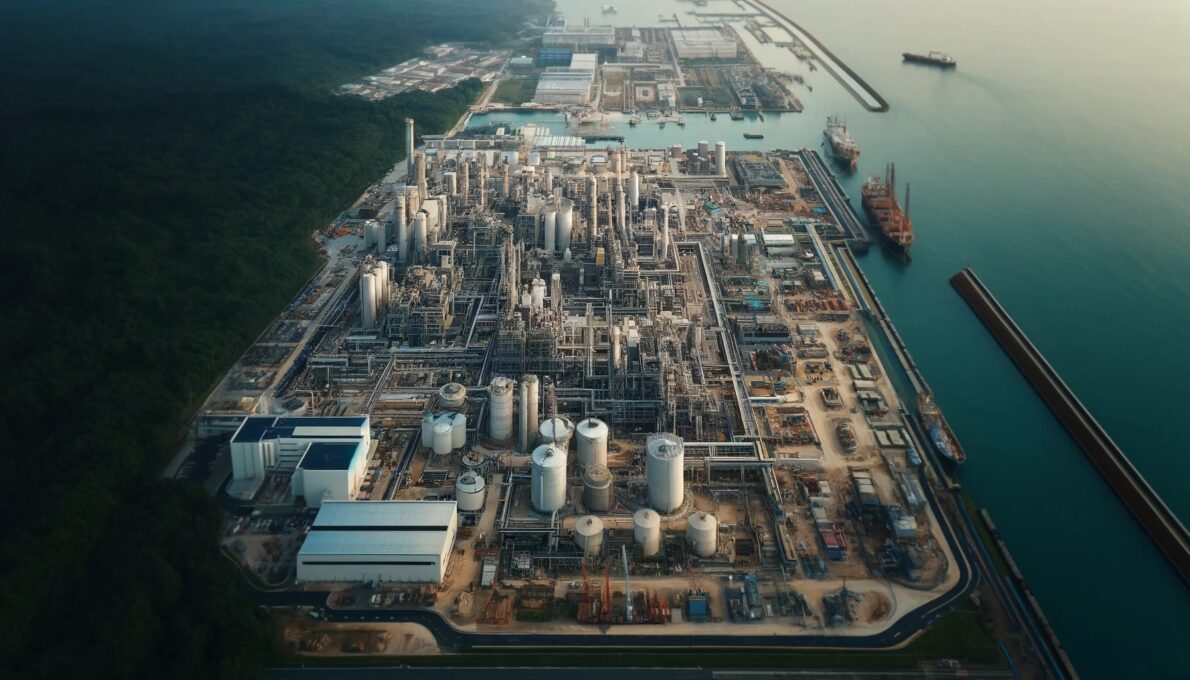
Largest Nuclear Power Plant in the World Is Located in Japan. Deactivated for Over a Decade, the Facility Could Provide 8,200 MW and Is Expected to Resume Operation Soon.
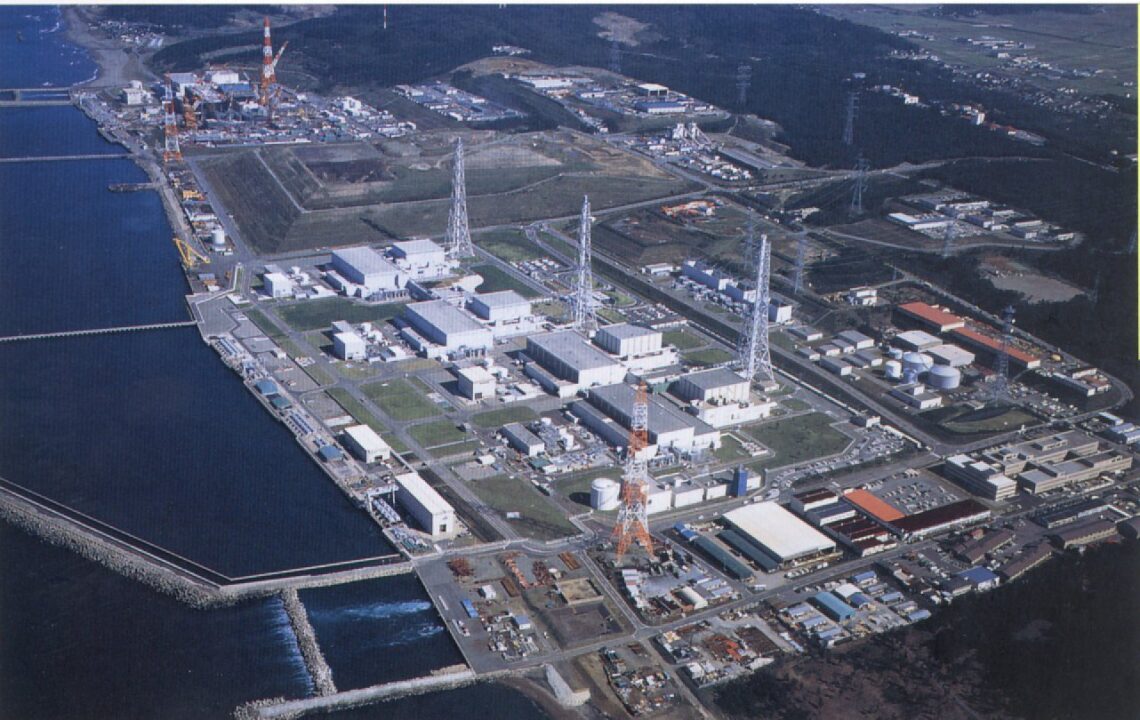
The largest nuclear power plant in the world, in terms of installed capacity, is the Kashiwazaki-Kariwa, located in Niigata city, 368 km northwest of Tokyo, Japan. Managed by Tokyo Electric Power Company (TEPCO), the third-largest electricity company in the world, the plant incorporates seven boiling water reactors that together provide around 8,200 MW of power.
Largest Nuclear Power Plant in the World Was Deactivated in 2011
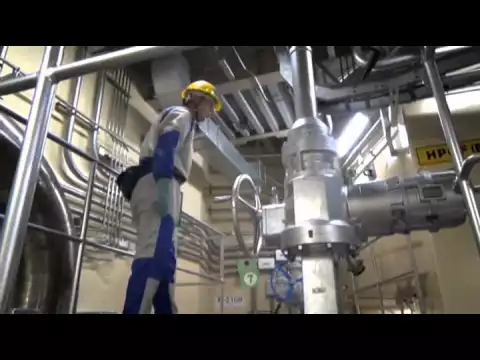

This nuclear power plant fell into disuse after the Fukushima plant accident (in 2011), despite its very important role in Japan’s electrical infrastructure. Safety is paramount, and after what happened in Fukushima, the Japanese nuclear organization, Nuclear Regulation Authority (NRA), decided to revoke its operating license until TEPCO could implement new safety measures derived from what was recorded in this facility in 2011.
Japan currently operates twelve nuclear reactors, but also has two more under construction and twenty-seven reactors that remain out of service at this time. In April 2023, the Japanese government approved new nuclear energy legislation that allows extending the operation of nuclear power plants beyond the current limit, which is set at 60 years.
-
Japan is transforming dirty diapers from babies and the elderly into an ambitious and surprising project that could forever change the way the world deals with one of the most difficult types of waste to dispose of.

-
Goodbye to waste: a Brazilian created a revolutionary brick that uses construction debris, has already entered the markets of the United Kingdom and the USA, and promises to shake up the global construction industry.

-
China has created a mass-produced hypersonic missile that costs the same as a Tesla, and this is changing everything in modern warfare because the United States cannot defend itself without spending millions.

-
100% Brazilian technology transforms agricultural waste into a meat-scented ingredient using fungi from the Amazon rainforest. The process does not use excessive water or chemicals, and it also increases the nutritional value of the final product.


In practice, this simply means that if a nuclear power plant can operate safely beyond these six decades, the regulation permits it.
Nuclear Power Plant Kashiwazaki-Kariwa, the Largest in the World, May Resume Operation Soon
In this context, the Kashiwazaki-Kariwa plant has a promising future ahead. This is because in December 2023, the NRA lifted the veto it imposed on this facility in March 2011 – shortly after the accident at the Fukushima Daiichi nuclear plant.
This milestone is the first step toward granting the operating license, and this regulatory body decided to accept it after inspecting the facilities of the nuclear plant for over four thousand hours. According to the NRA, TEPCO has introduced improvements in the necessary safety measures and protocols for the recovery of the plant’s operation.
Now we just have to wait for the regional government of Niigata, which also has to approve the plant’s facilities before it can regain its operating license. In any case, it is likely that after the green light from the NRA, the city administration will not hinder the resumption of activity at the largest nuclear power plant in the world.
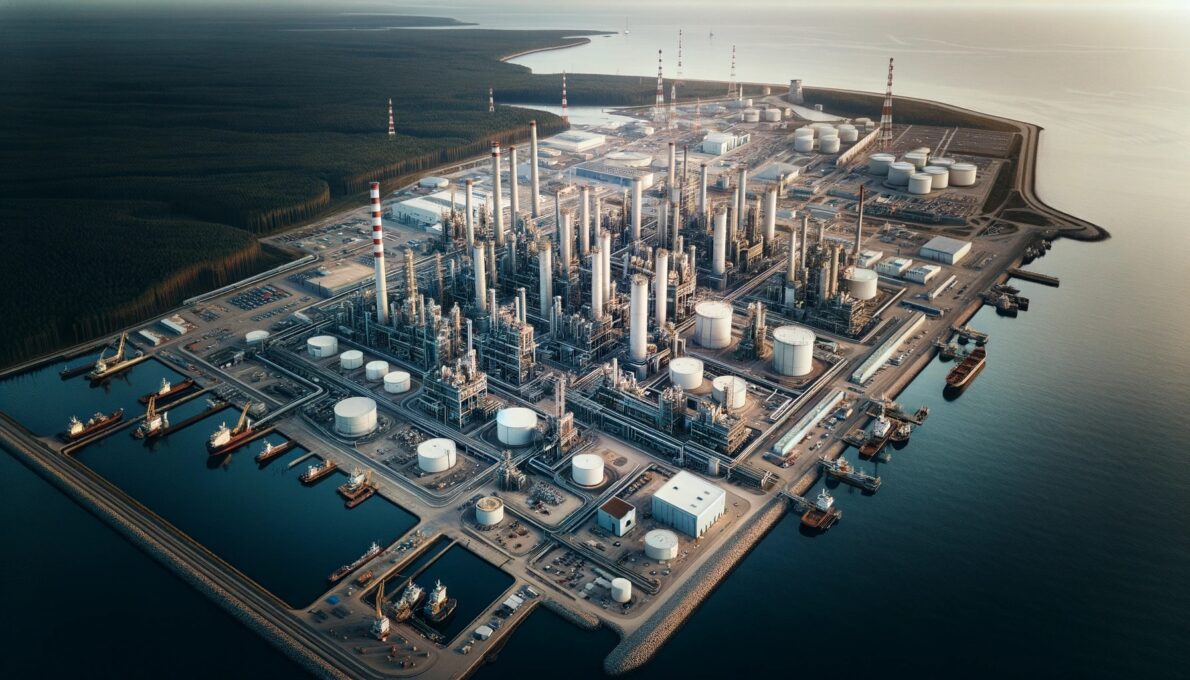
For now, TEPCO has expedited and has already requested the NRA to begin introducing fuel into the plant’s reactors. The largest nuclear power plant in the world is close to returning.
Learn How a Nuclear Power Plant Works
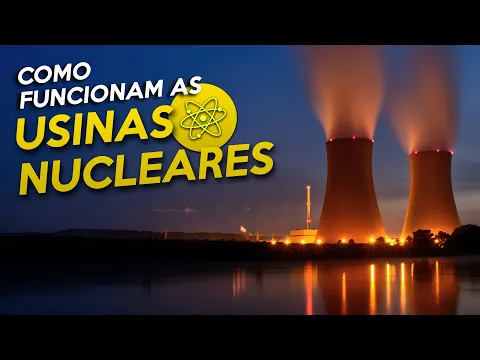
The nuclear power plant operates like a thermal power plant, meaning it works from the energy released by any product that can generate heat. In general, fuels like coal, natural gas, diesel, or fuel oil, for example, heat water in a boiler until it generates high-pressure and temperature steam.
This steam then spins the turbines through mechanical work that is converted into electromagnetic power in the generator. In the case of nuclear power plants, however, the fuel is not burned to generate steam.
The fission of uranium atoms occurs inside the rods of the fuel element, a component that contains, in a sealed manner, the nuclear fuel. The splitting of the nuclei of the atoms heats the water, which passes through the reactor at a temperature of 320 °C.
In summary, the steam generator then performs a heat exchange between the waters of this first circuit and the secondary circuit, which are independent of each other. This heat exchange allows the water from the secondary circuit to turn into steam and move the turbine, which in turn drives the electric generator.








-

-

2 pessoas reagiram a isso.