





 Portuguese
  English
  Spanish
  4 min of reading
  8 comments


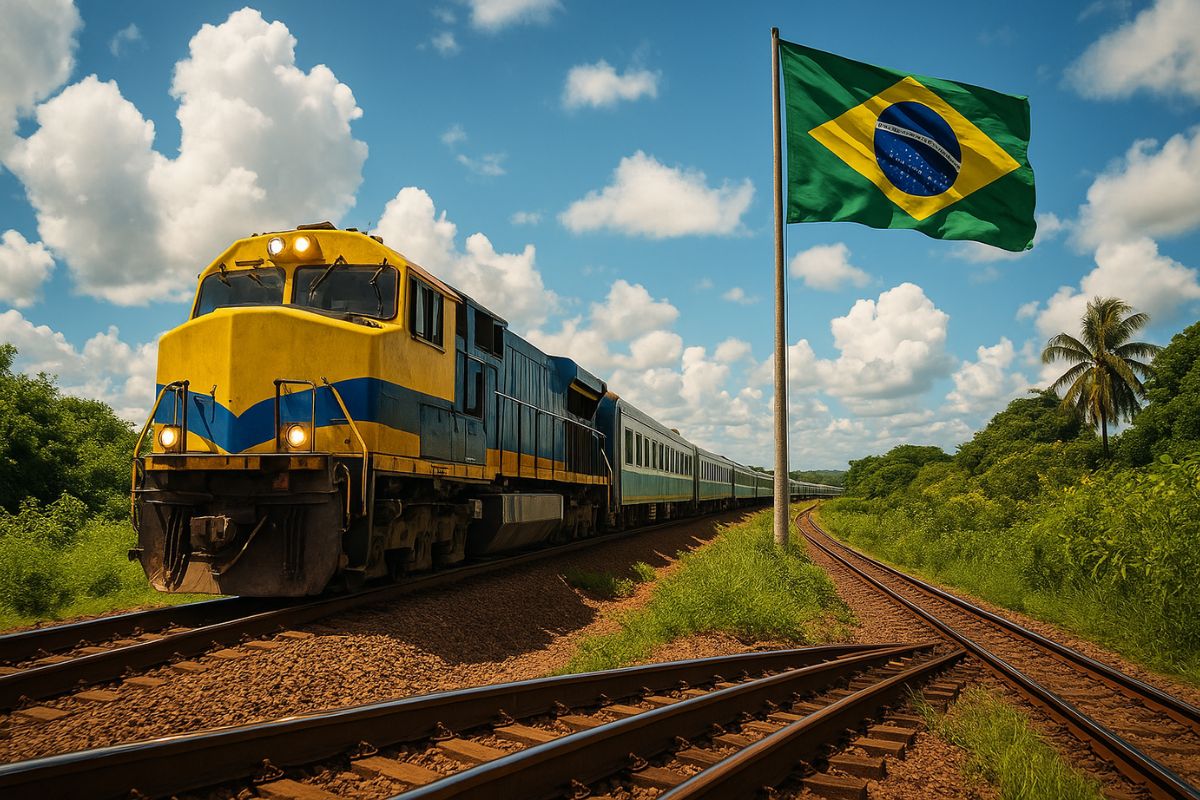


The Longest Train Journey In Brazil Connects São Luís (MA) To Parauapebas (PA), Crosses 892 Km, Passes Through 27 Cities And Can Take Up To 1,500 Passengers Per Day.
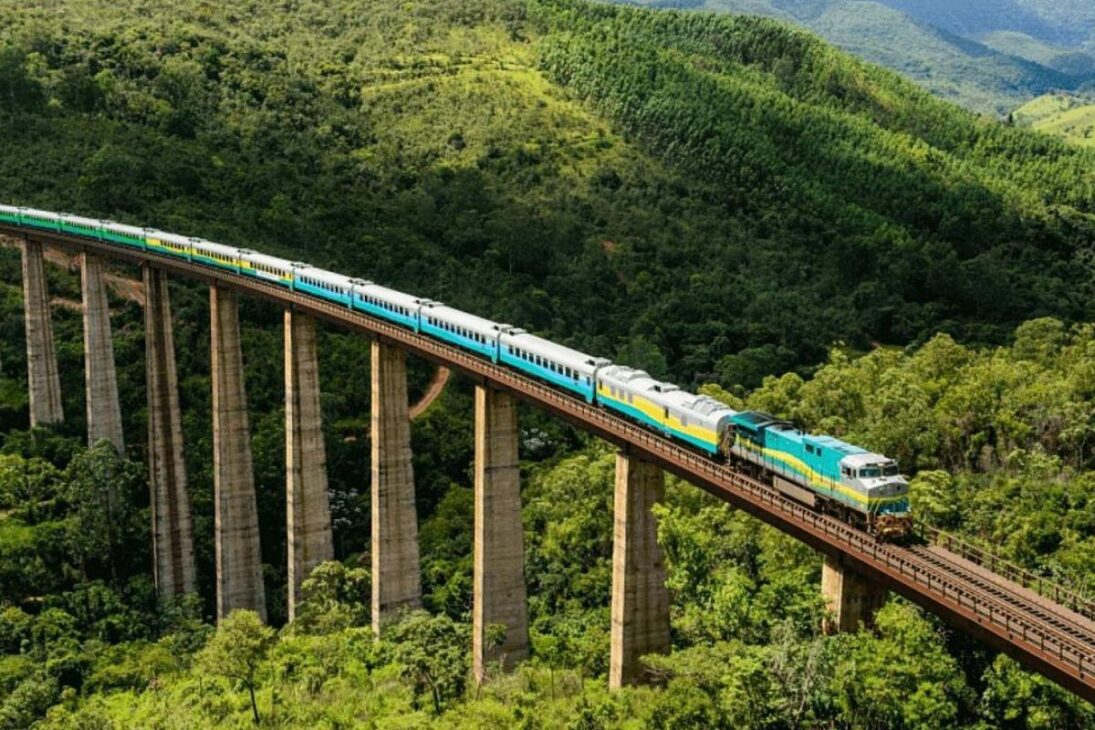
The longest train journey in Brazil is operated by the Carajás Railroad (EFC), owned by Vale, and connects São Luís (MA) to Parauapebas (PA) in about 16 hours. The route spans 892 kilometers of tracks and serves 27 cities, making it a rare long-distance route in the country, with three weekly frequencies in both directions.
More than just transportation, the longest train journey in Brazil offers a scenic experience: air-conditioned cars, a dining car, and a snack bar, with seating in economy and executive classes and landscapes that transition from Maranhão to southeastern Pará. For those seeking comfort and value, the train establishes itself as a safe alternative along the Carajás Corridor.
Route And Operation: What Makes The Journey Unique
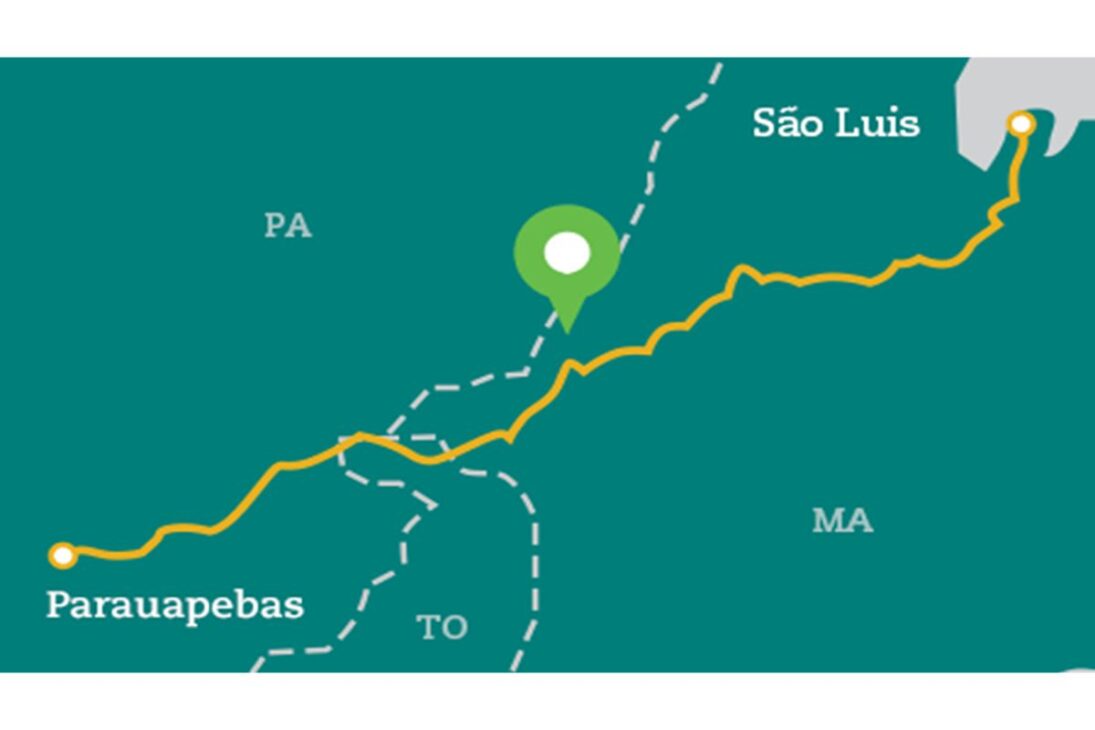
The EFC connects São Luís to Parauapebas as one of the few regular long-distance services in the country. Departures at 6 am occur at both ends: arriving around 10 pm (Parauapebas → São Luís) and 11:50 pm (São Luís → Parauapebas). The operation is punctual and does not wait for passengers — arriving early is mandatory.
-
Brazilian city neighboring Paraguay becomes a ‘magnet’ for people seeking quality of life and high standards with exceptional growth and commutes of up to 15 minutes.
-
A rare storm transformed part of the Gulf into an unlikely scene of hail, extreme rain, and tornado risk in the middle of the desert, with volumes that exceeded the annual average in a single day.

-
Brazil catches the world’s attention with ships powered by ethanol and biodiesel that have lower emissions, an unprecedented certification with advantages in chartering, and a revolution in cabotage.
-
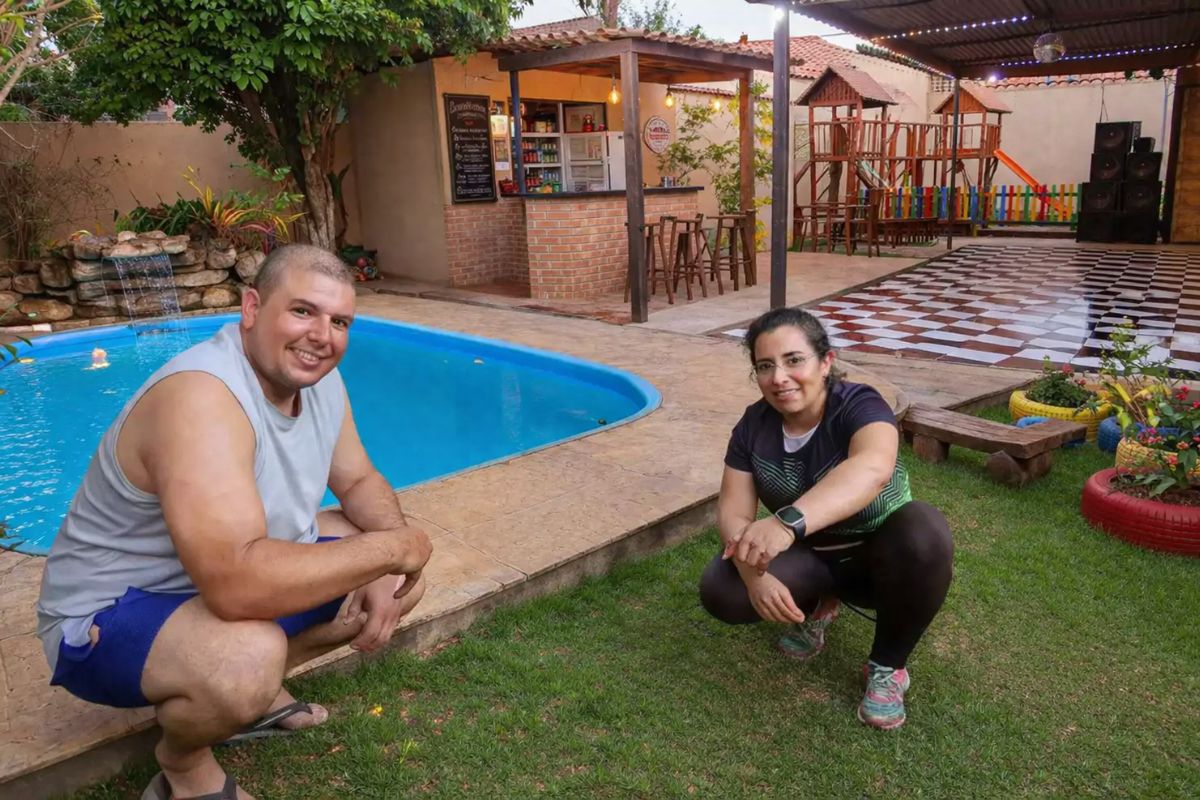
A couple who only has Sundays free has built a hand-dug pool, a hamburger joint, a dance hall, and a playground in their own home without hiring a mason, and even with breaks due to accidents and the pandemic, the work has never truly stopped.

The train operates three times a week in both directions and can transport up to 1,500 passengers per day, solidifying the longest train journey in Brazil not only by travel time but also by the scale of service across 27 cities along the railway.
Onboard Comfort: Classes, Services, And Travel Pace
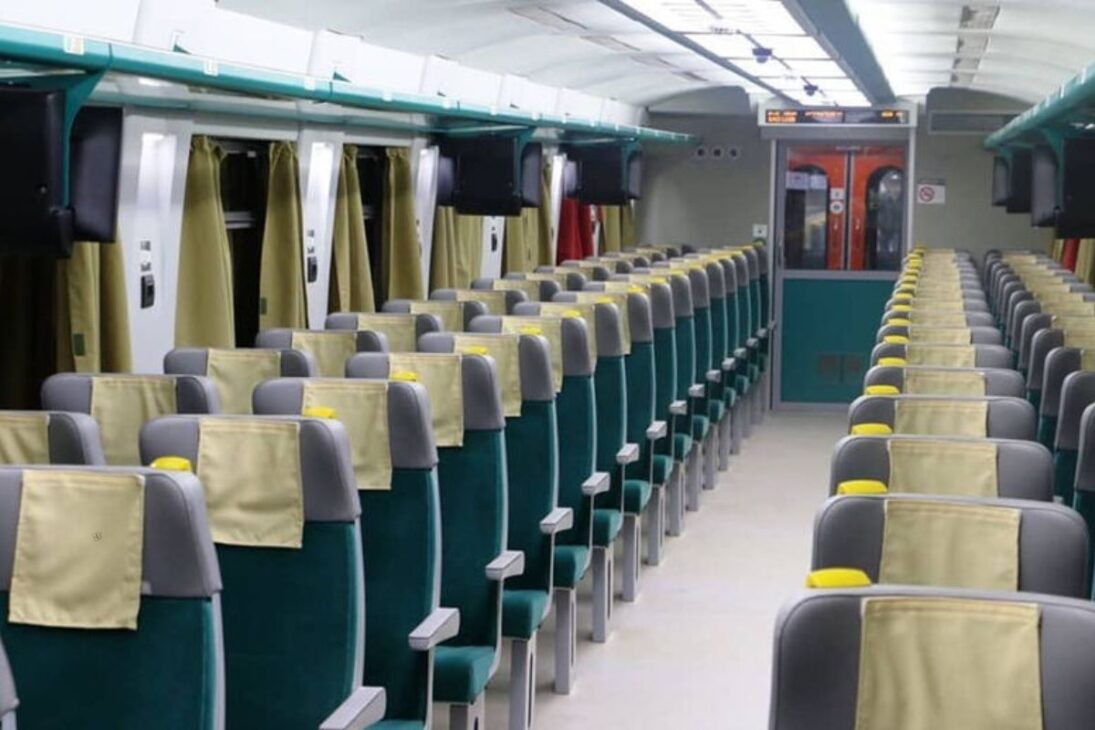
The train offers economy and executive classes, with individual seating and air conditioning. Dining and snack cars feature tables and chairs, allowing for full meals or quick snacks along the way. Constant climate control and ergonomics of the seats are praised by frequent travelers.
The slowed pace of the longest train journey in Brazil favors reading, resting, and observing. The experience is nostalgic yet practical: restrooms distributed, spacious areas, and safe circulation provide predictability for the journey — an advantage for families, the elderly, and those carrying luggage.
Demand, Capacity, And Regional Impact
The EFC transports about 350,000 passengers per year, serving residents, students, workers, and tourists. The predictability of schedules and the daily capacity reduce pressure on intercity buses along the served areas.
As critical infrastructure in the North/Northeast, the railway integrates municipalities, accommodates daily flows, and supports local economies with intermediate boarding and disembarking. For cities without nearby airports, the longest train journey in Brazil is an essential connection.
Duality Of EFC: Passengers And The Largest Freight Train In The Country
The same railway houses large-scale freight operations. Vale operates the largest freight train in Brazil, dedicated to iron ore. This dual vocation — passengers and ore — requires planning of operational windows and strict safety standards.
For passengers, this means reliability with predictability; for the region, efficient logistics that sustain productive chains without extinguishing the public transport service for people — a rare differential in the national railway scenario.
How To Plan The Journey: Purchase, Boarding, And Practical Tips
Tickets for the longest train journey in Brazil can be purchased on the official Vale Passengers Train website and app or at the stations along the route. Prices vary by segment and class, with lower prices in economy and additional services in executive.
Essential Tips:
• Arrive early for boarding (the punctuality is strict).
• Plan land connections for nighttime arrivals (especially in Parauapebas and São Luís).
• Have cash/card for onboard purchases in the dining/snack car.
• Bring a light jacket — the climate control can be chilly at night.
Historical Overview And Tourist Experience
Inaugurated to facilitate the mineral production from Carajás, the EFC has evolved into a logistical and mobility axis. The longest train journey in Brazil preserves railway memory, connects communities, and attracts tourists who wish to see rivers, forests, and changes in landscape safely.
For those seeking alternative routes, the train offers a 16-hour window for landscapes of Maranhão and Pará, with stops that maintain local economic ties. It is an experience-journey as much as it is transportation.
The longest train journey in Brazil is functional, extensive, and culturally relevant. In 16 hours and 892 km, it connects 27 cities, moves up to 1,500 people per day, and keeps the railway experience alive in the country — a rare long-distance service that combines comfort, predictability, and scenery.
Have you taken the longest train journey in Brazil? What was the most important factor in your choice: price, comfort, safety, or the scenery along the route? Share in the comments — we want to hear from those who have boarded and those who are thinking of going.






As poltronas da classe econômica poderia ser inclinavel
Eu já andei em partes do trajeto pás pretendo fazê-lo um pouco maior do que já fiz. Ainda este ano de 2025 pretendo viajar de Marabá PA a São Luís MA.
Esta viagem faz parte da minha história. No, hoje longínquo, ano de 1995, viajei no sentido para São Luis (MA), embarcando em Marabá (PA), a 3ª ou 4a parada após Parauapebas e, a última no território do Pará. Depois disso, a viagem é toda no território maranhense. Foi uma experiência singular, no Brasil. Pois, trens de passageiros só havia usado na Europa.
Naquela época, o trem da EFC, já possuía duas categorias para os passageiros, entretanto, a classe popular não tinha climatização e suas janelas eram abertas. Espaços pelos quais, os passageiros compravam as refeições, oferecidas em marmitas, na beira da estrada -de-ferro. Era, realmente, uma imagem singular.
As paradas intermediárias eram cronometradas, poucos minutos, 1 ou 2, nas pequenas cidades e, entre 5 e 10 minutos nas duas ou três cidades maiores (incluindo Marabá).
Nos anos de 1980 e 90, esta ferrovia era a alternativa para os inúmeros emigrantes e/ou garimpeiros nordestinos, que se aventuravam, aos borbotões, na sanha do ouro fácil, na Serra Pelada, no Pará.