





 Portuguese
  English
  Spanish
  4 min of reading
  0 comments


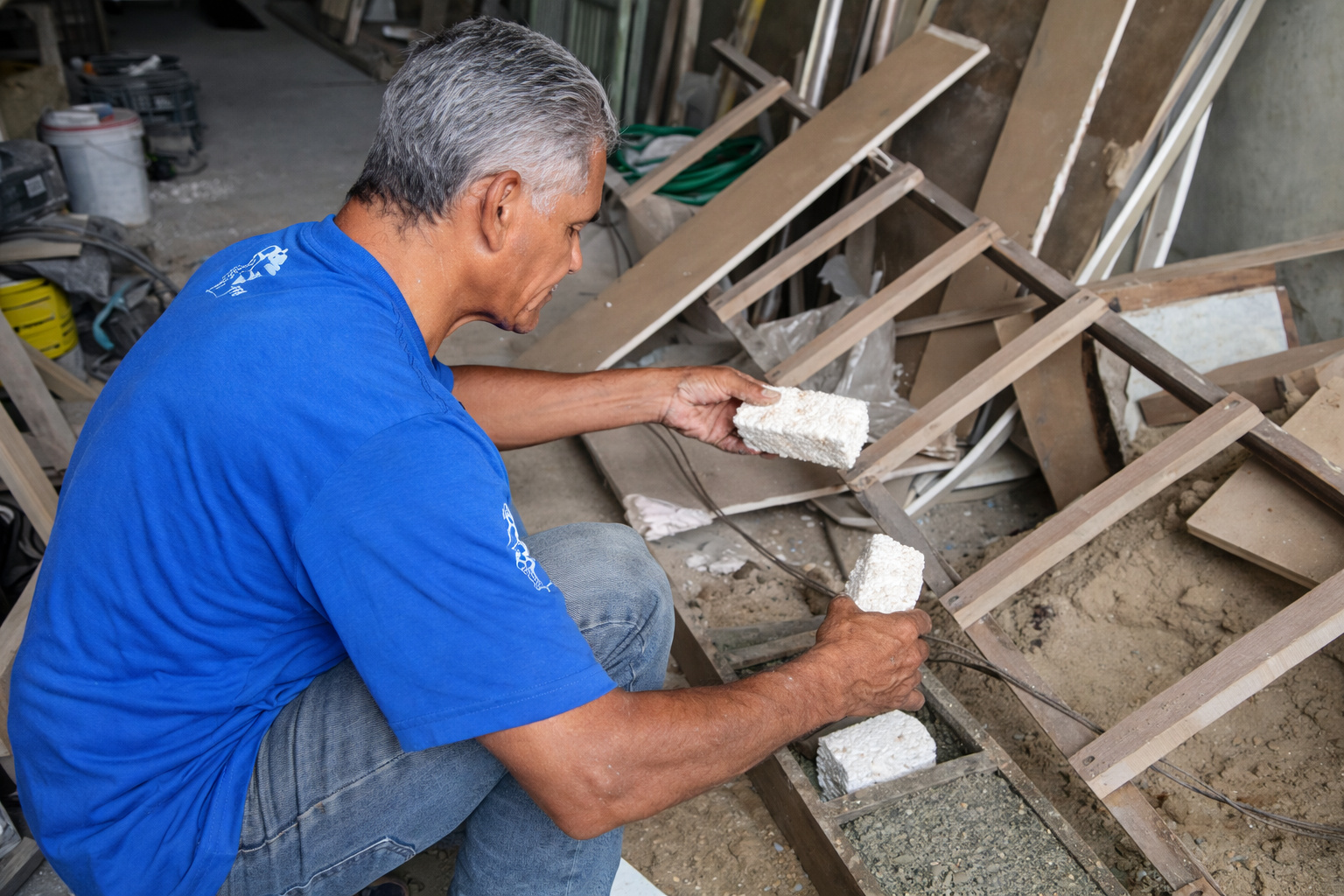
The technique created by an average man transformed foam and PET bottles into a light and resistant recycled block for wall construction with simple fitting
An average man developed a practical way to reuse foam, PET bottles, sand, and cement to produce a recycled block aimed at wall construction with simple and easy execution.
The idea draws attention for its use of discarded materials and the final result, which combines lightness, strength, and rustic finish. The technique also facilitates work on the site, reducing effort in raising the structure.
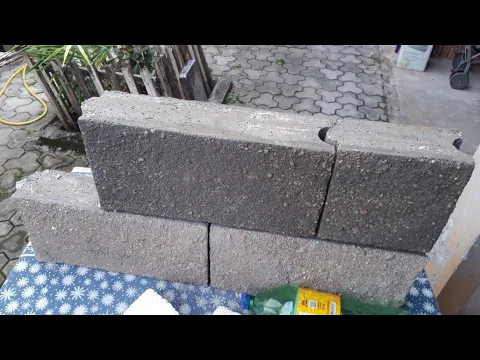

The report was published by Construa-se channel, a video channel focused on practical civil construction. The content shows a block model with dimensions of 40 by 20, as well as smaller pieces of 20 by 20, with a thickness of 10 cm.
-
Man uses technique to save plaster with 20mm polystyrene panels, promises efficient thermal insulation and impresses with low cost in the construction.
-
Man digs a pool in his backyard, finds bars and coins of gold hidden, and discovers a treasure of nearly R$ 4 million buried for years.
-
Material present in millions of kitchens raises global alarm after causing severe lung disease and leading to multimillion-dollar lawsuits in the United States.
-
A person became a millionaire with just a 10-hour video of a lit fireplace on YouTube.


How the man used foam and PET bottles inside the recycled block
The process begins with the inclusion of PET bottles inside the recycled block. This element reduces the weight of the piece and helps facilitate handling during the construction of the wall.
To fit correctly, the bottle needs to be adjusted. The method heats the packaging, releases some air, and allows shaping until the desired thickness is achieved.
In addition to the PET bottles, the use of ground foam is also applied in the filling. The material occupies internal space and helps keep the block lighter without compromising the structure.
Mix of sand and cement with foam forms the base of the recycled block
The mixture used combines sand, cement, and foam, creating a blend that can vary according to the project’s needs. The presented proportion uses three measures of sand and two of cement, with the addition of water until the ideal point is reached.
The ground foam is used in significant quantity to ensure lightness. Even with a larger volume of foam, the structure maintains superior firmness compared to conventional blocks, as demonstrated in the content.
An additional layer of sand and cement can be applied to the bottom of the mold. This finish reinforces the piece’s resistance and improves the appearance when the recycled block will be used visibly on the wall.
Mold made from old board and 50mm pipe creates precise fitting for wall
The mold used by the man was made from reused old board and pieces of 50 mm pipe. The structure allows for creating fittings that facilitate the alignment of the blocks during wall construction.

The pieces have concave and convex parts, ensuring that one block connects to another simply. This system reduces errors in assembly and improves the locking of the structure.
The mold also allows for producing whole blocks and half pieces. This variation is important for closing the wall, ensuring greater stability to the set.
The Construa-se channel, a video channel focused on practical civil construction, showed that the mold can have assemblies with screws or nails, maintaining the same fitting principle.
Rustic finish of the recycled block depends on the compaction of the mixture
The final finish of the recycled block varies according to the compaction of the mixture inside the mold. The more the mixture is pressed, the lower the porosity and the more uniform the result.
To create the rustic effect, a layer of sand is placed at the base before molding. This generates a differentiated texture, ideal for those who want to leave the wall visible.
It is also possible to opt for a smoother finish if the intention is to apply plaster or coating later. The choice depends on the type of project and the desired look.
Use of the recycled block with foam and PET bottles can reduce effort in wall construction
The main highlight of the method lies in the combination of lightness and simple fitting, which facilitates the raising of the wall and reduces physical effort during the work.
The use of foam, PET bottles, sand, and cement also contributes to the reuse of materials that would have been discarded, giving a new function within construction.
The proposal allows applications in walls, external walls, and various structures. The demonstration itself reinforces the potential of the recycled block for larger projects, including complete constructions.
The method created by an average man shows that it is possible to transform waste into practical solutions for civil construction, focusing on simplicity and functionality.
If you found this idea interesting, leave your comment and share it with others looking for creative alternatives to build walls with recycled materials.









Seja o primeiro a reagir!