





 Português
  Inglês
  Espanhol
  3 min de leitura
  0 comentários


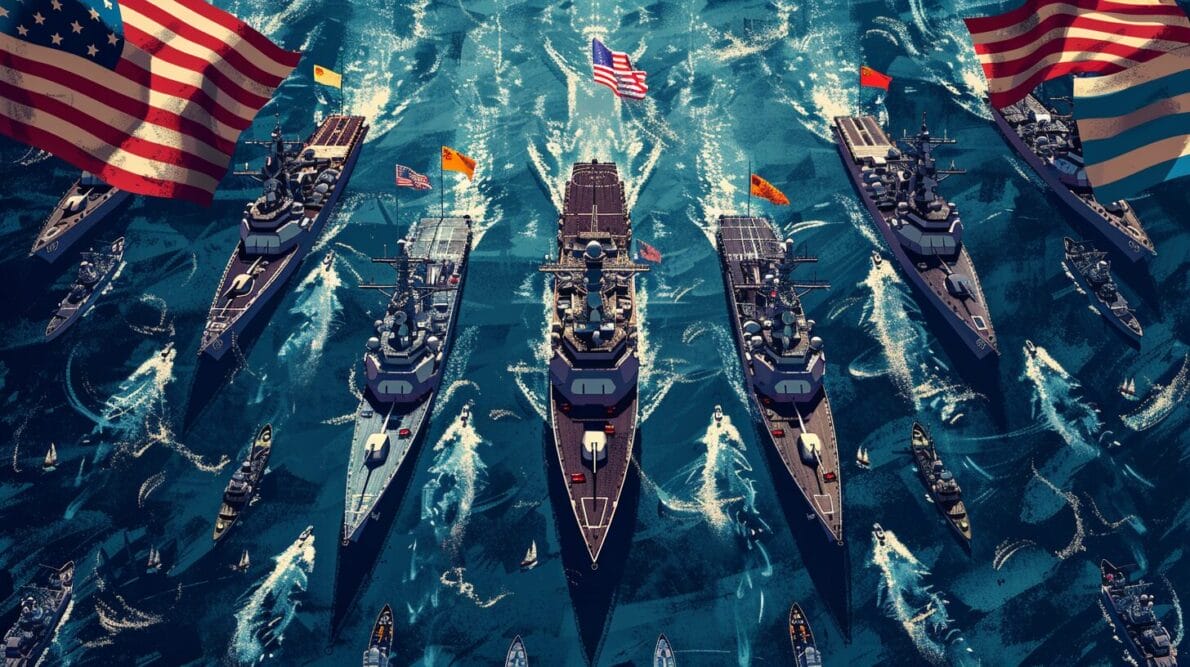
Due To Crisis Since The Cold War, US Struggles In National Defense And Loses Naval Race Against China: To Recover, It Will Take Decades!
According to ocafezinho, the naval competition between the United States and China is intensifying, and the US Navy faces significant challenges in building warships. While the Chinese fleet grows exponentially, the US struggles to keep pace. Let’s explore the factors behind this disparity and how strategic allies can help balance the scales.
The US Navy At A Disadvantage
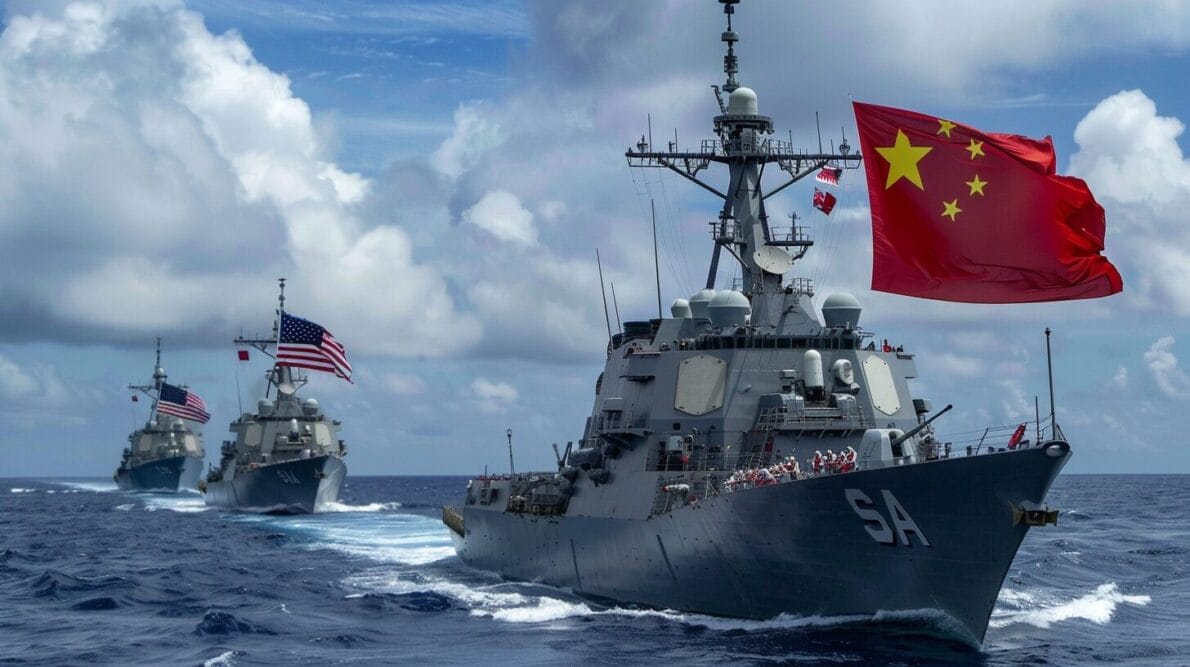
The US Navy, although still one of the most powerful in the world, is falling behind compared to China. Currently, China has around 340 warships, while the US has fewer than 300. The forecast is that the Chinese fleet will reach 400 vessels in the next two years, while the US will take until 2045 to reach 350. This numerical difference is concerning, especially considering China’s increasing aggression in the South China Sea and around Taiwan.
The Challenge Of Shipbuilding
American shipyards face difficulties in keeping up with the Chinese in shipbuilding. Some experts estimate that China can build three warships in the time it takes the US to build just one. Outsourcing US naval construction could be a solution, but the current law prevents the Navy from purchasing ships built by other countries, even allies. However, there is an opportunity: allies like South Korea and Japan are producing high-quality and affordable naval equipment. Why not join forces with them to outpace China?
-
Historic bankruptcy of Centauro shocks the market, and the century-old company puts more than 500,000 products, machines, and complete infrastructure up for online auction.

-
If the USA were to go to war with Brazil, Washington’s greatest fear would not be the attack itself, but facing a vast territory, prolonged resistance, and a costly, chaotic, and unpredictable occupation.
-
In 2013, Nicaragua sold the concession for a canal to rival Panama to a Chinese billionaire who lost 85% of his fortune, disappeared, and was declared bankrupt. Now the project resurfaces with a new route, a new Chinese partner, and a cost of $64.5 billion.
-
New shoe factory in Ceará is expected to create 400 jobs and strengthen the local economy.

Mistakes That Led The US To The Current Situation In Naval Construction
- Deindustrialization And Budget Cuts: Deindustrialization after the Cold War and budget cuts drastically harmed US defense production. The defense industrial base is still struggling to recover, impacting naval construction capacity.
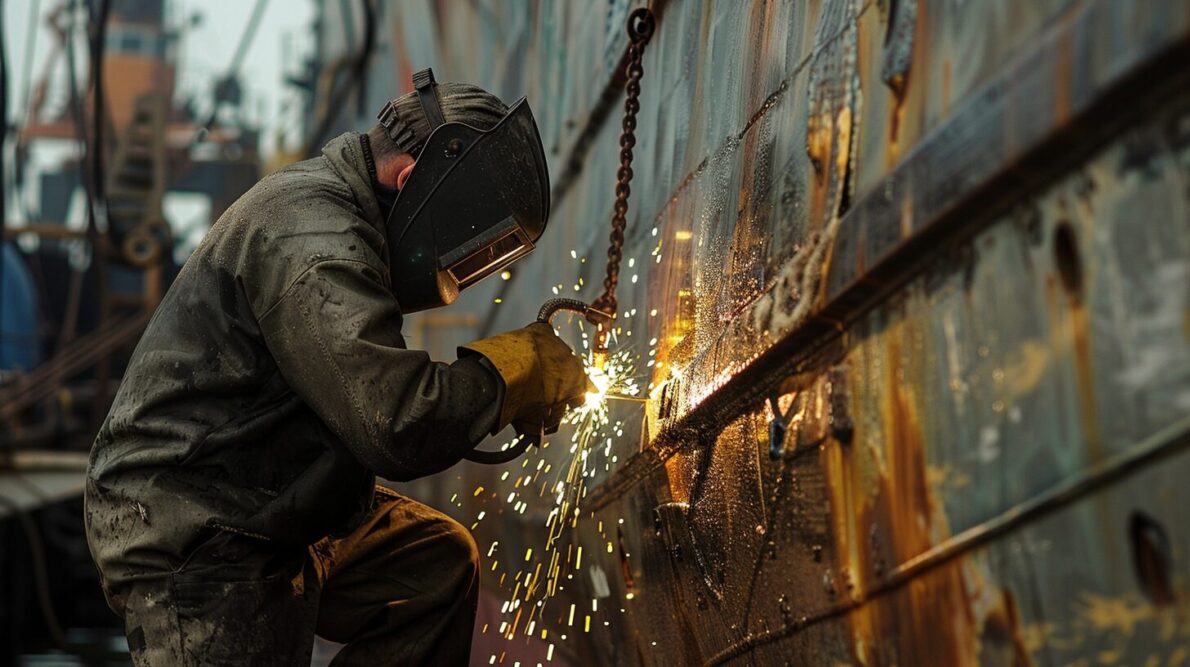
- Labor Shortage And Lack Of Welders: The lack of skilled workers, especially welders, is a significant barrier to expanding naval production. The industry struggles to attract talent, losing out to sectors like fast-food restaurants that offer better wages and benefits for newcomers.
Perspectives And Future Challenges
Rebuilding the naval capabilities of the US is a generational project. Although the Shipyard Infrastructure Optimization Program is underway, it will not be enough to compete with China. A post-World War I-like effort would be necessary to expand the industrial base and produce warships on a large scale. China, with its vast shipbuilding capacity, presents a significant challenge to the US on the global stage.
Strategic Allies And The Potential Solution
Japanese and South Korean warships are highly regarded. The designers from these countries are among the best in the world. Given that both have mutual defense treaties with the US, strategic collaboration could level the playing field. Acquiring ships from these allies or jointly building vessels designed by the US in their shipyards could be a cost-effective and efficient alternative to narrow the gap with China.
Toward A Balanced Fleet
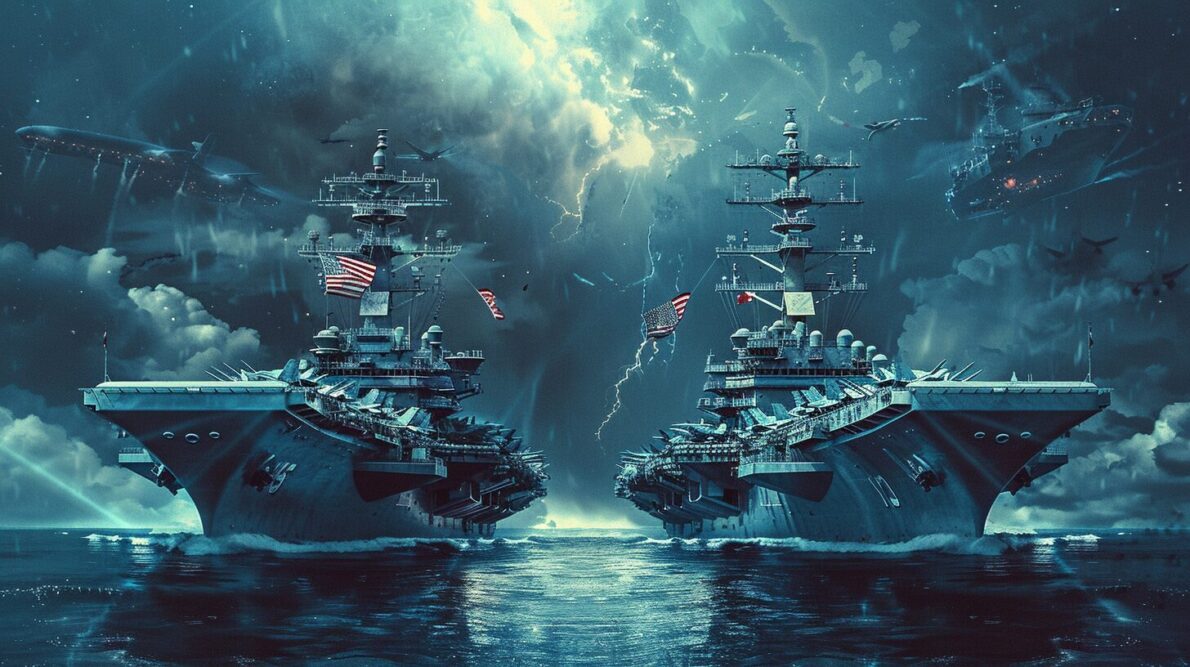
The US Navy faces a crucial challenge in the era of Chinese naval ascendance. Collaboration with strategic allies and exploring innovative solutions can help ensure the US maintains its position as a global naval power. The future of maritime security depends on how we confront these challenges and seize opportunities to strengthen our fleet.









Seja o primeiro a reagir!