





 Portuguese
  English
  Spanish
  4 min of reading
  0 comments


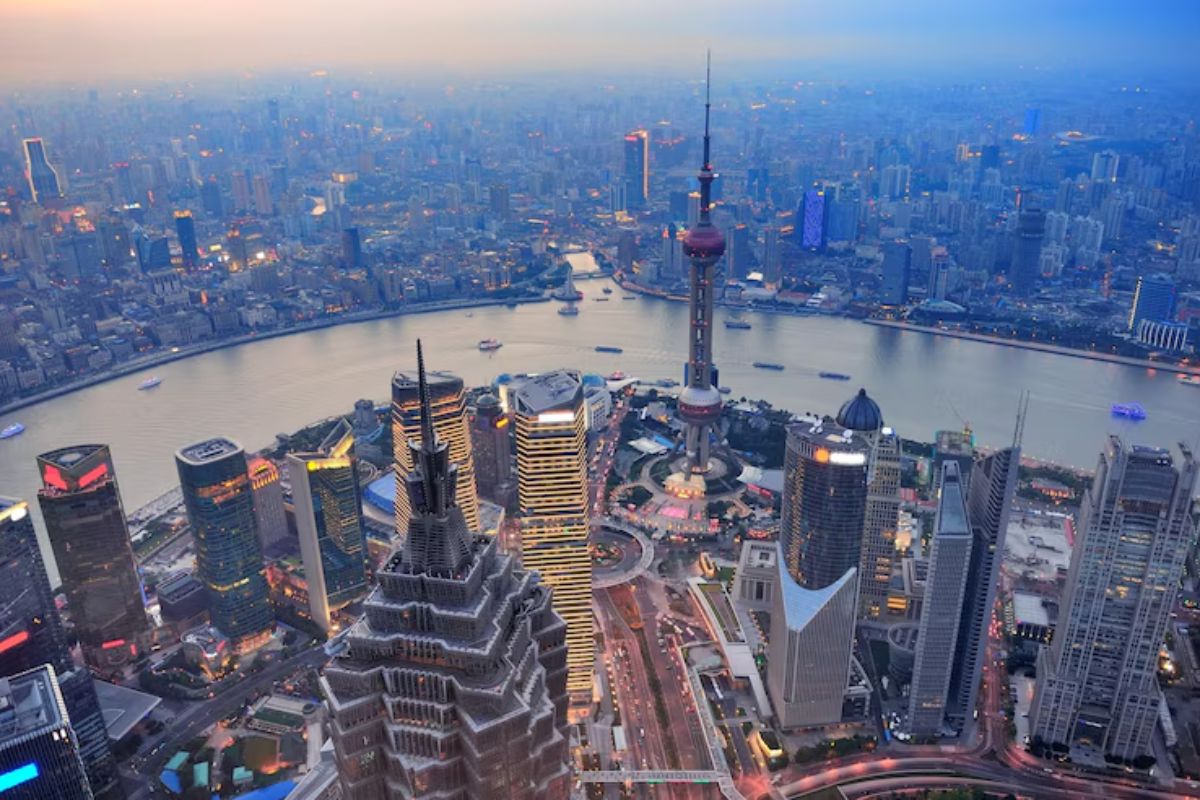
Land Subsidence, Often Caused by Human Activity Such as Excessive Groundwater Extraction, Threatens More Than One Megacity in the World, with Cities Sinking at a More Alarming Rate Than Iconic Venice. Understand the Causes, Dangers, and Possible Solutions to This Growing Crisis Unfolding Beneath Our Feet.
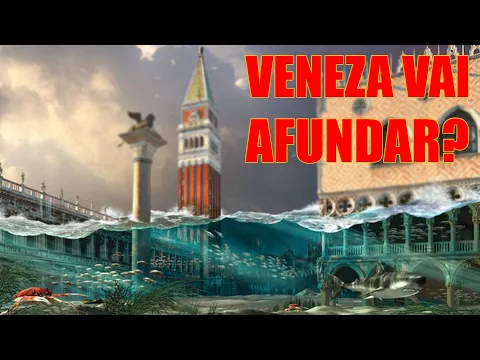
Venice, with its canals and palaces, has become the global symbol of a sinking city. However, the reality is that numerous other large cities, including more than one megacity with millions of inhabitants, face a similar fate, often at an even faster pace and with potentially more devastating consequences. This land sinking, known as land subsidence, is a global crisis unfolding silently beneath our feet.
Driven predominantly by excessive groundwater extraction to supply growing populations and industries, and by the weight of unchecked urbanization, subsidence threatens infrastructure, multiplies flooding risks, and directly impacts the lives of nearly two billion people worldwide. This article unveils why so many cities, including some densely populated megacities, are giving way and what can be done to tackle this challenge.
Understanding the Science Behind Subsidence That Threatens Every Vulnerable Megacity
Land subsidence is the gradual or sudden sinking of the Earth’s surface due to the movement of materials underground. While natural processes contribute, 77% of global cases are human-induced. The main anthropogenic cause is excessive groundwater extraction, responsible for 60% of this share. When water is pumped from aquifers faster than it is replenished, the pressure of water in the pores decreases, causing layers of clay and silt to compact irreversibly.
-
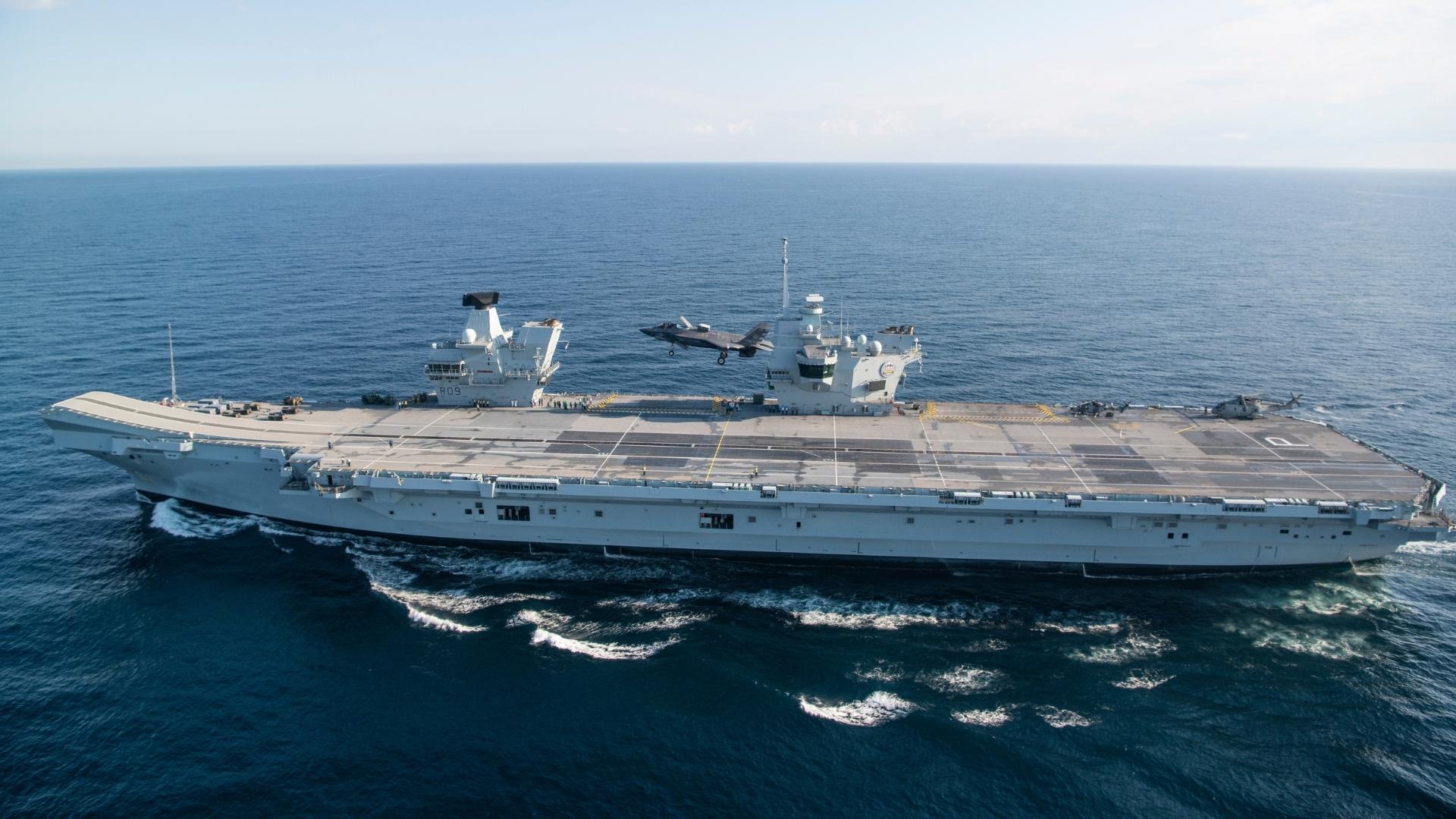
The aircraft carrier HMS Prince of Wales is heading to the Arctic with F-35 fighters, helicopters, and warships in an operation that repositions the United Kingdom at the forefront of NATO in 2026.
-
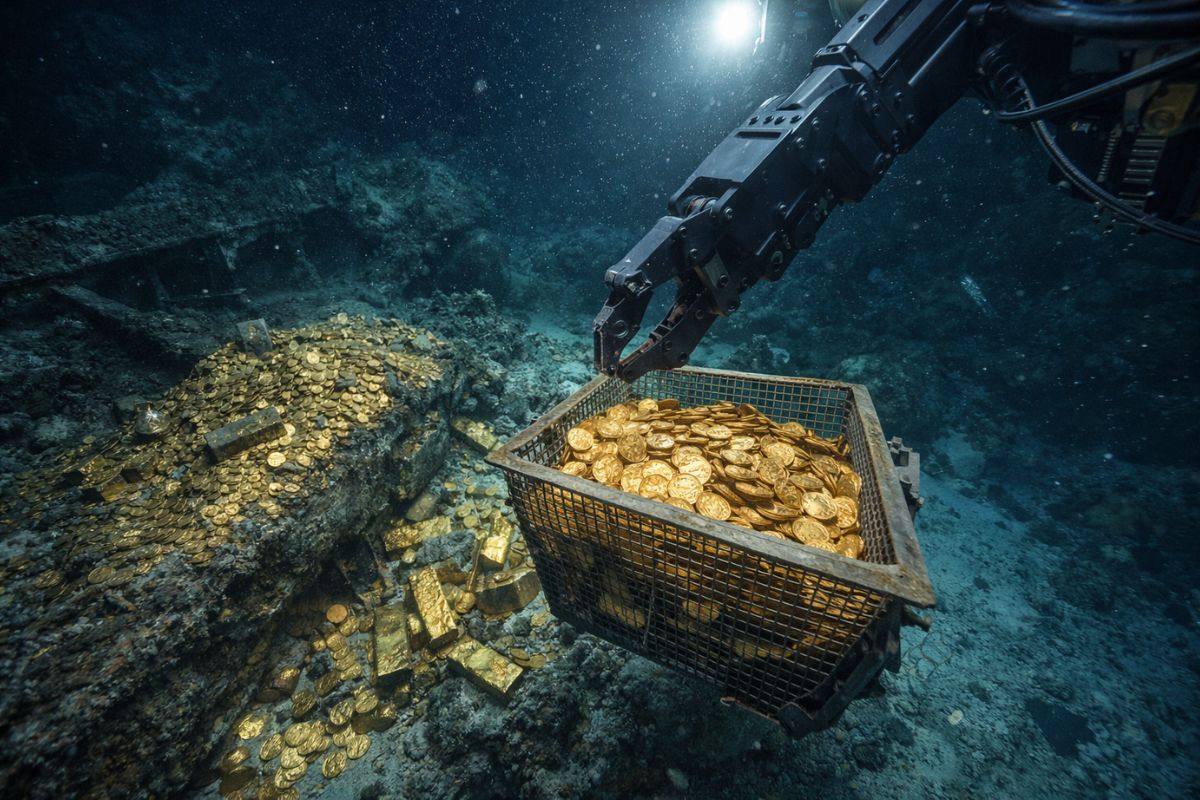
He found the largest gold shipwreck in the United States with tons of the precious metal at a depth of 2,400 meters in the Atlantic and recovered a treasure that no one thought possible to reach, but 500 gold coins disappeared without explanation.
-
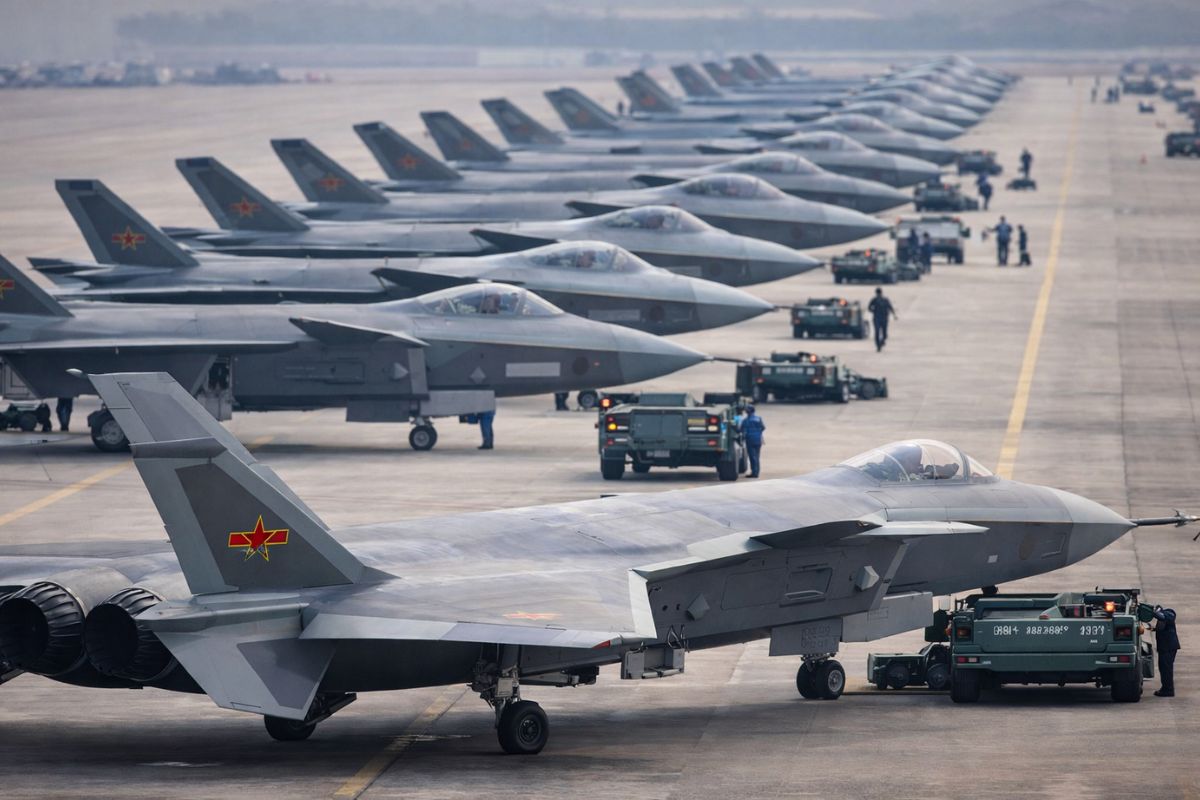
The United States has a serious problem with its F-35s: China is already producing fighters at a pace that exceeds American capacity and could manufacture up to 300 aircraft per year before the end of the decade, shifting the global military balance.
-
A retired IT professional built a 22-meter boat in his backyard in Oklahoma with a school bus engine, light pole masts, and handmade watertight doors to become the redneck version of Jacques Cousteau.

Other human factors include the weight of urbanization (buildings and infrastructure) on soft soils, the extraction of oil, gas, and minerals, and the drainage of organic soils (peatlands), which leads to compaction and oxidation. These factors, combined with rising sea levels, drastically amplify the flood risk for any coastal megacity.
The Megacity (and Other Large Cities) Sinking Faster Than Venice
While Venice sinks about 1 to 2 millimeters per year, many other cities face much higher rates. Jakarta, Indonesia, is the “capital of sinking”, with areas sinking up to 25 centimeters annually, primarily due to groundwater extraction. Asian megacities such as Bangkok (Thailand), Dhaka (Bangladesh), Tianjin, Shanghai and Beijing (China), Ho Chi Minh City (Vietnam), and Manila (Philippines) also report alarming rates.
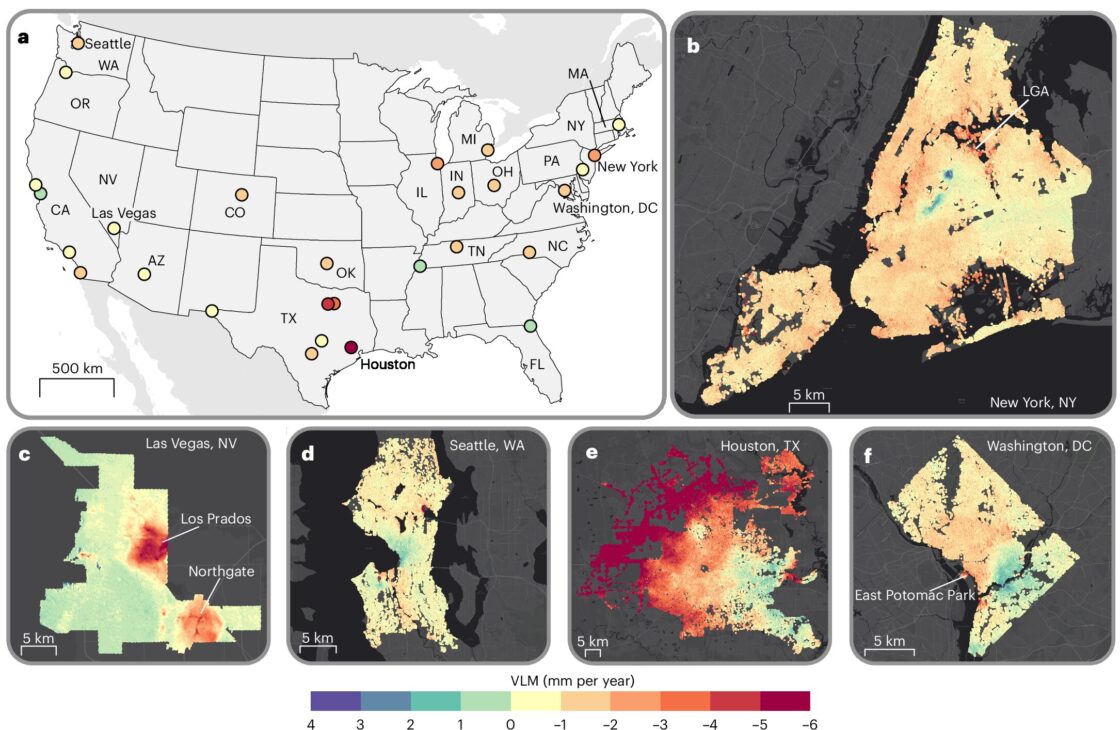
In the Americas, Houston (USA) stands out, while New Orleans struggles with sinking in its delta, and Mexico City, a gigantic megacity, sinks over an ancient lake bed due to groundwater extraction. African cities like Lagos (Nigeria) and historic cities like Alexandria (Egypt) are also on the list, showing the global scope of the problem.
The Long-Range and Often Underestimated Consequences
The repercussions of subsidence are vast. Vulnerability to flooding increases dramatically, as seen in Jakarta and Semarang (Indonesia) with their “rob” flooding. Severe damage occurs to critical infrastructure such as buildings, foundations, roads, bridges, and water and sewage networks. Economic losses are immense, including repair costs and property devaluation.
There is forced displacement of populations, especially vulnerable communities, and risks to public health arise from drinking water contamination (saline intrusion) and sanitation issues. Environmental degradation includes the loss of protective wetlands. These cascading impacts deeply affect the quality of life in every megacity or city affected.
Why This Global Crisis Affecting Every At-Risk Megacity Remains Largely Ignored?
Despite the severity, subsidence is an “invisible” crisis. Its “slow-motion disaster” nature makes immediate public perception and sustained media coverage difficult, unlike earthquakes or hurricanes. Often, the first signs are normalized.
Limited public understanding of causes and risks is a key factor, and the scientific complexity of the phenomenon hinders effective communication. Government responses may be reactive, and the lack of comprehensive long-term monitoring data in some regions also contributes to the awareness deficit, even when an entire megacity is at risk.
Mitigation, Adaptation, and Resilience Strategies to Save Every At-Risk Megacity and City

Tackling the crisis requires a multifaceted approach. Sustainable groundwater management is the most critical pillar, involving regulation of extraction, development of alternative sources, and artificial recharge of aquifers, as successfully done in Tokyo and partially in Bangkok.
Resilient urban planning should include restrictive zoning, adapted building codes, and the use of Nature-Based Solutions, such as creating “Sponge Cities” to enhance water infiltration. Continuous monitoring with technologies like InSAR and GPS is imperative. Education and public engagement are crucial to build political will and implement long-term solutions, ensuring a safer future for every megacity and city facing the silent but relentless land subsidence.







Seja o primeiro a reagir!