





 Português
  Inglês
  Espanhol
  4 min de leitura
  0 comentários


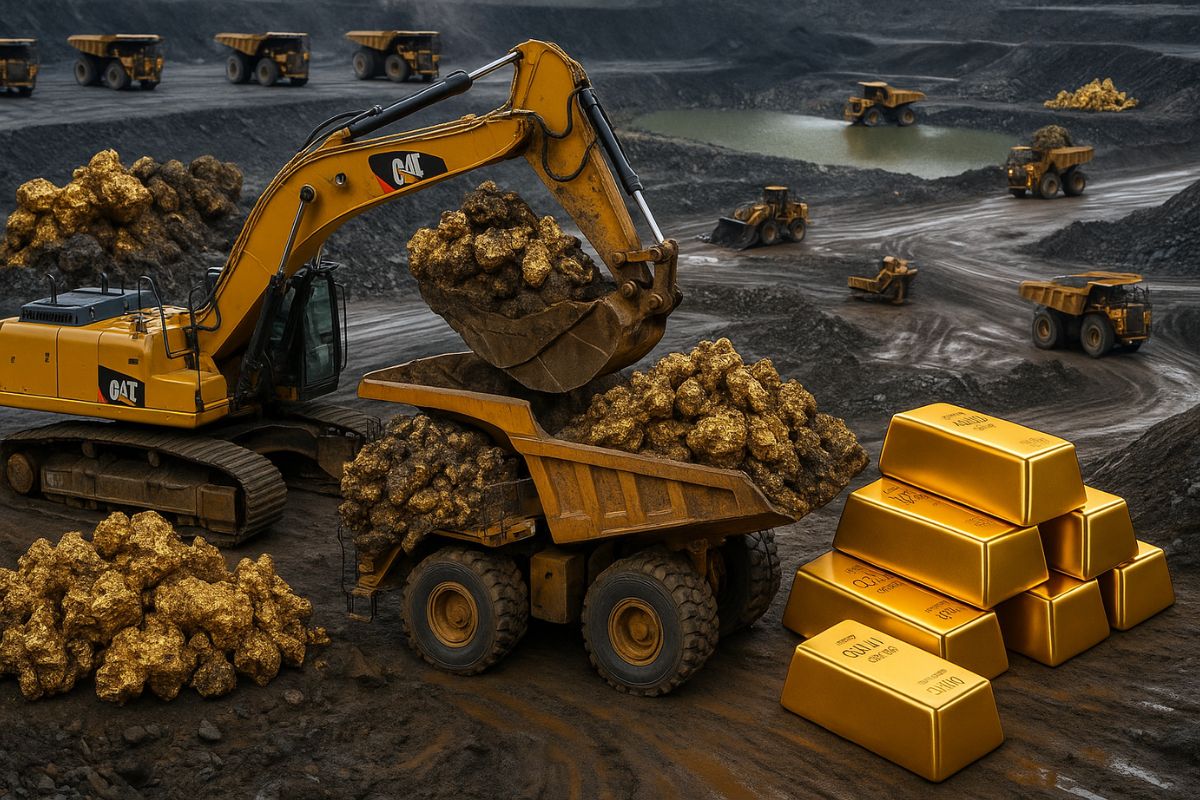
In Paracatu (MG), the Canadian Giant Kinross Operates One of the Largest Mines in the Americas, a Colossal Scale Operation with Significant Economic Impacts and Socio-Environmental Challenges.
In the northwest of Minas Gerais, the Morro do Ouro mine, in Paracatu, represents one of the largest and most complex mining operations in the world. Operated by Canadian Kinross Gold, this is the largest open-pit gold mine in Brazil and one of the largest in the Americas. Its scale is so monumental that the pit and waste structures are visible from space, a testament to its immense physical footprint.
Fully operational in 2025, the Paracatu mine is an engineering feat, specialized in low-grade ore mining on a massive scale. While it consolidates itself as a pillar for the local economy and for Kinross’s global production, the operation faces ongoing challenges related to waste management, water resource usage, and its impact on neighboring communities.
The History of Gold in Paracatu: From 1744 to Today
The relationship of Paracatu with gold is ancient, dating back to 1744, when bandeirantes made the first discoveries.
-
The world’s first octopus farm wants to open in the Canary Islands and is already provoking an international reaction: the plan aims to produce 3,000 tons per year.

-
Drought may be creating stronger superbugs in the soil and helping antibiotic resistance reach hospitals, warns a study highlighting a problem that could grow alongside extreme weather.

-
The biggest scam in history: Napoleon’s France deceived the United States by selling them a territory that was Spanish.

-
Why is the Danakil Desert so dangerous? It has unstable terrain and how extreme temperatures and toxic gases turn the region into one of the most hostile environments on Earth.


This event marked the last great cycle of gold in Minas Gerais during the colonial period and led to the founding of the settlement that would give rise to the city.
However, after the exhaustion of easily extractable gold, the region plunged into a period of decline, turning to agriculture.
Modern industrial mining only began in 1987. Kinross Gold Corporation entered the scene in January 2003, acquiring 49% of the mine.
In a strategic move to consolidate its control, the company purchased the remaining 51% at the end of 2004, in a transaction of US$ 260 million, becoming 100% owner of the operation.
How the Largest Gold Mine in Brazil Works
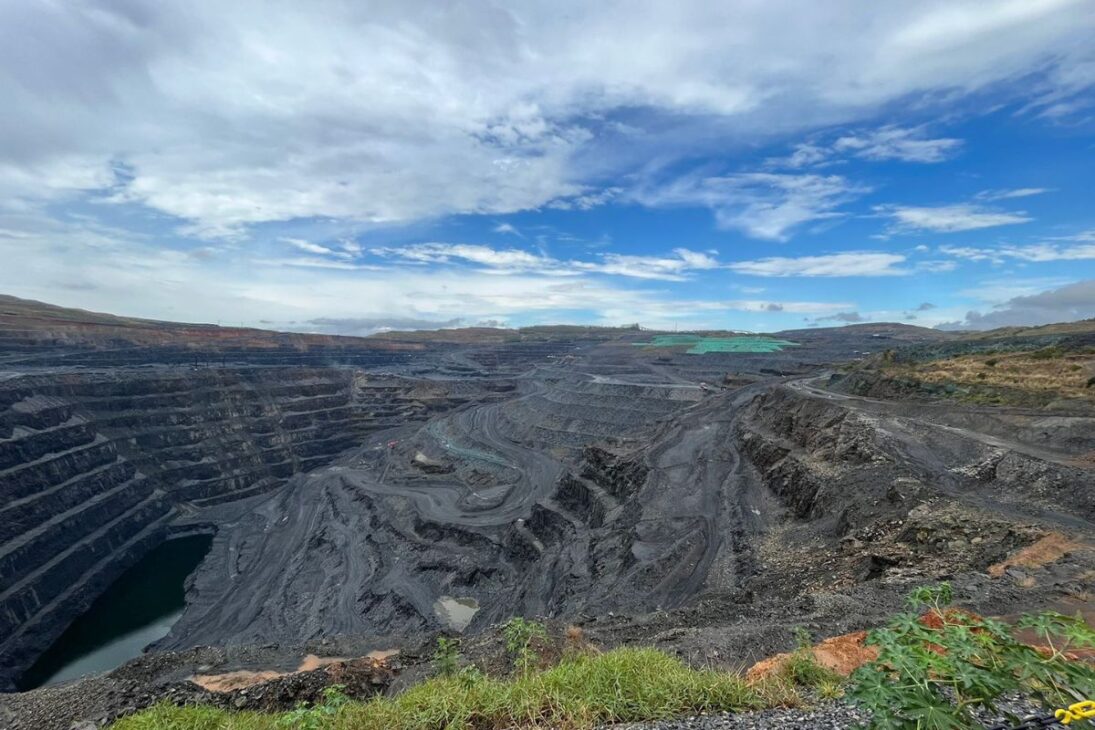
The main feature of the gold mine in Paracatu is its low-grade ore, averaging only 0.4 grams of gold per ton of rock.
To make the operation profitable, vast volumes of material must be moved and processed. In 2019, for example, 47 million tons of rock were moved to produce 19 tons of gold.
The operation runs 24 hours a day and involves several complex steps:
Detonation: with the advancement to harder rocks since 2004, about 180 daily detonations are conducted to fragment the material.
Comminution: the ore goes through some of the largest mills in the world to be pulverized and release the gold particles.
Cyanide Leaching: in a process known as CIL (Carbon-in-Leach), gold is dissolved in a cyanide solution, a common technique for low-grade ores but requiring strict handling due to its toxicity.
US$ 141 Million in Taxes and Job Creation
The gold mine in Paracatu is an economic engine for the region. In 2023, Kinross Brazil paid US$ 141 million to governments in taxes and royalties.
In the first quarter of 2025, royalty revenue (CFEM) in the municipality was R$ 33.5 million.
The company is also a major employer. In 2023, it employed 1,825 employees and 2,827 contractors, with a total payment of US$ 57 million in salaries and benefits.
Additionally, Kinross invests in social development programs and fosters the local economy, with US$ 627 million in goods and services purchases in Brazil in 2023.
Arsenic and the Agreement to Decharacterize the Dams
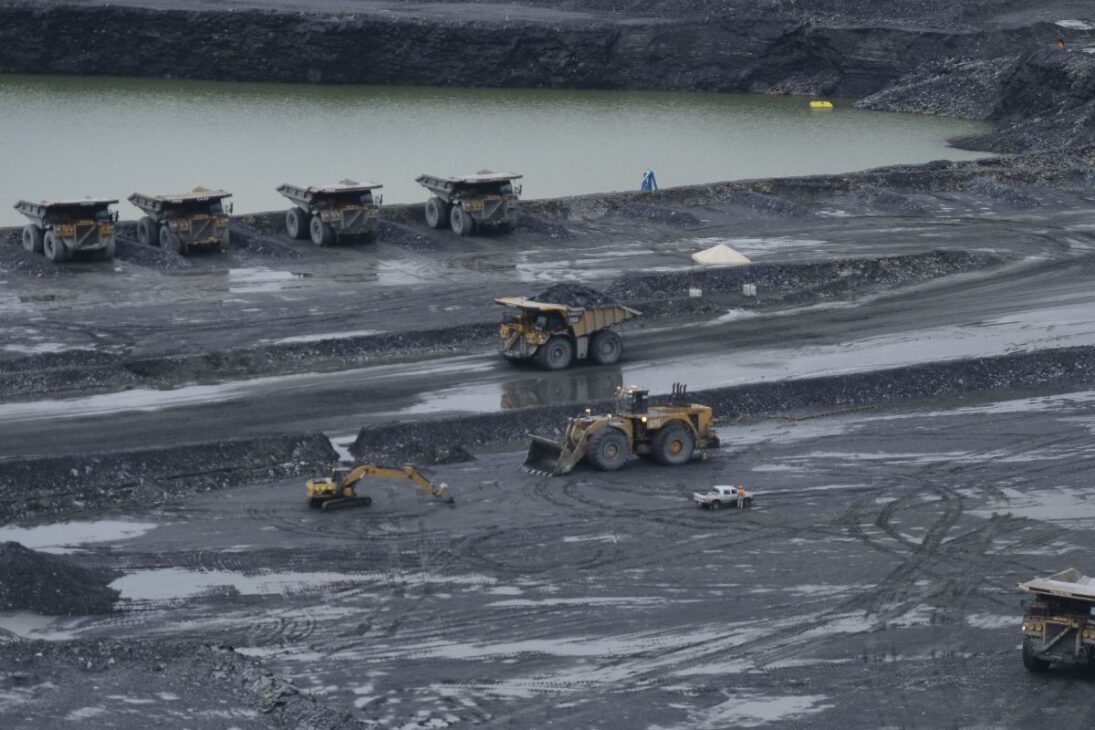
The scale of the operation brings with it significant challenges. The rock in Paracatu is rich in arsenopyrite, which releases arsenic, a toxic substance, into the environment during the process.
Studies have already pointed out elevated concentrations of the element in the soil and streams in the region, raising concerns in the community and Civil Public Actions.
Another critical point is the management of the two huge waste dams, Santo Antônio and Eustáquio. In May 2024, Kinross signed an agreement with the Public Ministry of Minas Gerais (MPMG) to begin the process of decharacterizing the dams starting in 2028 and 2033, respectively, aiming to minimize risks. The agreement also provides for socio-environmental investments of R$ 27.5 million.
The Dimension of the Paracatu Gold Mine in the Global Scenario
The production of Paracatu is world-class. In 2022, the mine produced 577 thousand ounces of gold, making it the largest producer in South America that year, surpassing famous operations in Peru and Ecuador. With estimated reserves of 17.5 million ounces, its lifespan is projected to extend beyond 2030.
Its immense physical footprint, resulting from the need to excavate millions of tons of rock, ensures that the gold mine is visible in satellite images.
This visibility from space is not just a curiosity, but a powerful reminder of the colossal scale of the operation and its impact on the landscape, reinforcing the importance of sustainable mining practices.








-

-

-

4 pessoas reagiram a isso.