





 Portuguese
  English
  Spanish
  4 min of reading
  1 comment


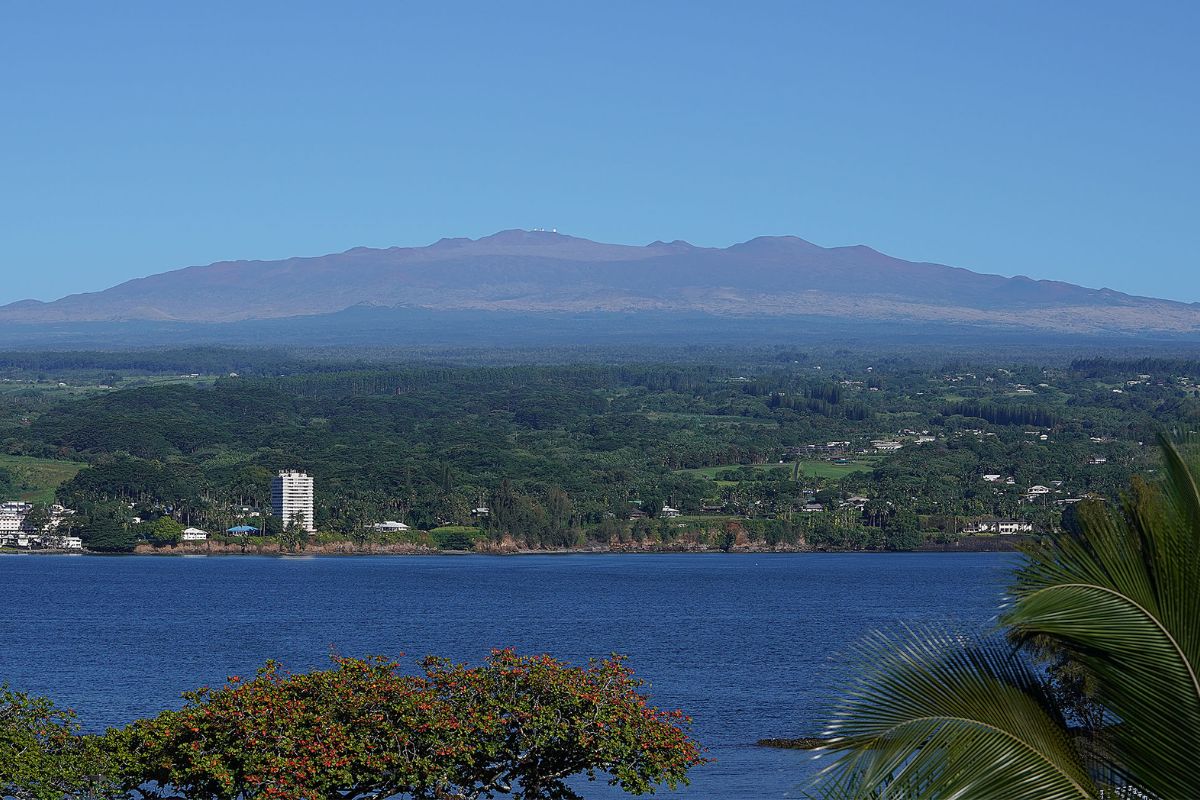


Mount Everest Is Famous For Being The Highest Peak Above Sea Level. However, When Measured From Base To Summit, The Highest Mountain In The World Is Actually A Volcano In Hawaii: Mauna Kea.
The image of Mount Everest as the highest mountain in the world is ingrained in popular imagination. However, this statement, although correct under a specific metric, does not reveal the entire geological story. A volcano in the Pacific Ocean, Mauna Kea, surpasses the Himalayan giant in total height when measured from its base on the ocean floor to its summit.
Mount Everest is universally recognized as the highest point on Earth. However, the definition of “highest mountain in the world” critically depends on the measurement criteria used. This raises the intriguing question: Is Mauna Kea, a volcano in Hawaii, the true holder of this title when we consider its height from the submerged base to the peak? Geodesic science offers multiple perspectives for this evaluation.
How Is A Mountain Measured? The Different Metrics That Define The True “Height” Of A Peak
There are several methodologies for assessing the magnitude of a mountain:
-
A forgotten cord on the floor of a basement in Vienna leads a plumber to a box containing 30 kilograms of gold with Mozart’s face, hidden before World War II. The treasure, worth 2.3 million euros, was just centimeters away from a worker who ignored the sign a day earlier.

-
A couple buys an old chalet, breaks the kitchen floor for renovation, and finds over a thousand coins of gold and silver hidden since the English Civil War over 4 centuries ago.

-
Rigid bags with their days numbered: new trend prioritizes comfort in 2026.

-
YouTuber creates an excavator equipped with a giant 4.5-meter sword to challenge his brother to a rematch, and the invention quickly goes viral on social media.


- Elevation Above Mean Sea Level (MSL): This is the most conventional and globally standardized metric. It uses the mean level of the oceans as the reference point zero.
- Height From Geological Base To Summit: Measures the total vertical ascent of the mountainous structure, from where it actually begins at its geological foundation to its highest point.
- Distance To The Center Of The Earth: Considers which point on the Earth’s surface is farthest from the planet’s center, taking into account the non-spherical shape of the Earth (oblate spheroid). The challenge of defining the “base” of a complex continental mountain, like Everest, makes measuring total height (base-to-summit) more subjective than for isolated oceanic volcanoes.
Mount Everest: The Imposing “Roof Of The World” At 8,848.86 Meters Above Sea Level
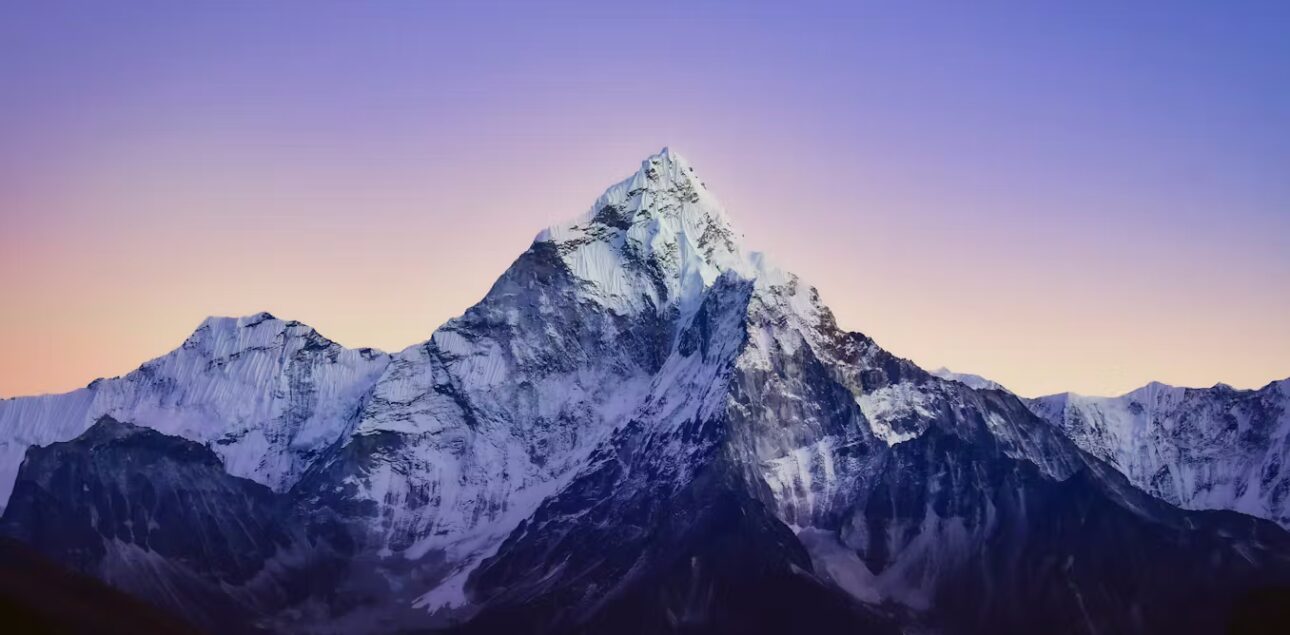
Located in the Himalayan range, on the border between Nepal and China, Mount Everest’s altitude is officially recognized at 8,848.86 meters above MSL. Its formation resulted from the colossal collision between the Indian and Eurasian tectonic plates.
Determining its “base” for a total height measurement is complex, as it rises from the already elevated Tibetan Plateau or the foothills of the Himalayas, resulting in an estimated vertical rise of between 3,650 and 4,650 meters from these bases.
Mauna Kea: The Volcano In Hawaii And Its Impressive 10,210 Meters From Hidden Base To Top
Mauna Kea, a shield volcano on the Big Island of Hawaii, has its summit at 4,207 meters above sea level. However, much of its massive structure rests below the surface of the Pacific Ocean, extending approximately 6,000 meters down to the ocean floor.
Adding these portions together, the total height of Mauna Kea, from its base on the ocean floor to its peak, is approximately 10,210 meters. This volcano, whose last eruption occurred about 4,600 years ago, is a sacred site (wahi pana) for Native Hawaiians, holding deep cultural and spiritual significance.
Why Mauna Kea Surpasses Everest In Total Height (From Base To Summit) By More Than 5,000 Meters
The direct comparison is revealing. In altitude above mean sea level, Mount Everest is the undisputed champion. However, when considering the total height from geological base to summit, Mauna Kea is substantially taller, surpassing Everest’s estimated vertical rise by more than 5,000 meters (10,210 m of Mauna Kea against a maximum of ~4,650 m elevation of Everest from its continental base).
Other Notable Mountains And The Importance Of Perspective In Defining The Highest Mountain In The World
Other peaks also hold “highest” titles under specific criteria. Mount Chimborazo in Ecuador has its summit as the farthest point from the center of the Earth, due to the planet’s equatorial bulge.
Meanwhile, Denali (formerly Mount McKinley) in Alaska (USA) has the greatest vertical rise from base to summit entirely on land, at around 5,500 meters. The topographic prominence, which measures how much a peak stands out from its surroundings, is another metric where Everest leads globally.
The Highest Mountain In The World Is A Matter Of Criteria, And Mauna Kea Reigns Supreme From Base To Summit


Exploring the different ways to measure mountain height demonstrates that the title of “highest mountain in the world” does not have a single answer but depends on the chosen criteria. Mount Everest is the highest in relation to sea level.
However, Mauna Kea, with its impressive 10,210 meters from its base on the ocean floor to the summit, is the true giant in terms of total height. This perspective enriches our appreciation for the geological diversity of the Earth and challenges conventional notions, revealing the hidden magnificence beneath the oceans.







Resumindo, informação errada e pronto,agora foi que eu vi mesmo,todo mundo agora vai ter que pegar uma trana e sair medindo as montanhas pra saber quem é ou não mais alto.