





 Portuguese
  English
  Spanish
  5 min of reading
  0 comments



Latin Grammy Requested Special Message for Tribute to Celia Cruz, Celebrated on November 13 in Las Vegas, Highlighting the Singer’s Emotional Bond with Antônio Carlos and Jocafi and the Global Impact of Você Abusou
At the end of September, Antônio Carlos Pinto received a direct request from the Latin Grammy production team at his apartment in Rio because the organization was preparing a tribute for the centenary of Celia Cruz, celebrated at the ceremony on November 13 in Las Vegas, United States.
The production wanted Antônio Carlos and Jocafi to record a special message. However, the partner was unable to participate in the recording.
This absence led the composer to record the testimony alone that would open the tribute because Celia had a deep affection for the duo.
-
The Argentine government celebrates the lowest poverty rate in 7 years, but experts warn that the methodology has changed, real wages have fallen, unemployment has risen, and the number of people on the streets of Buenos Aires has increased by 57% since Milei took office.

-
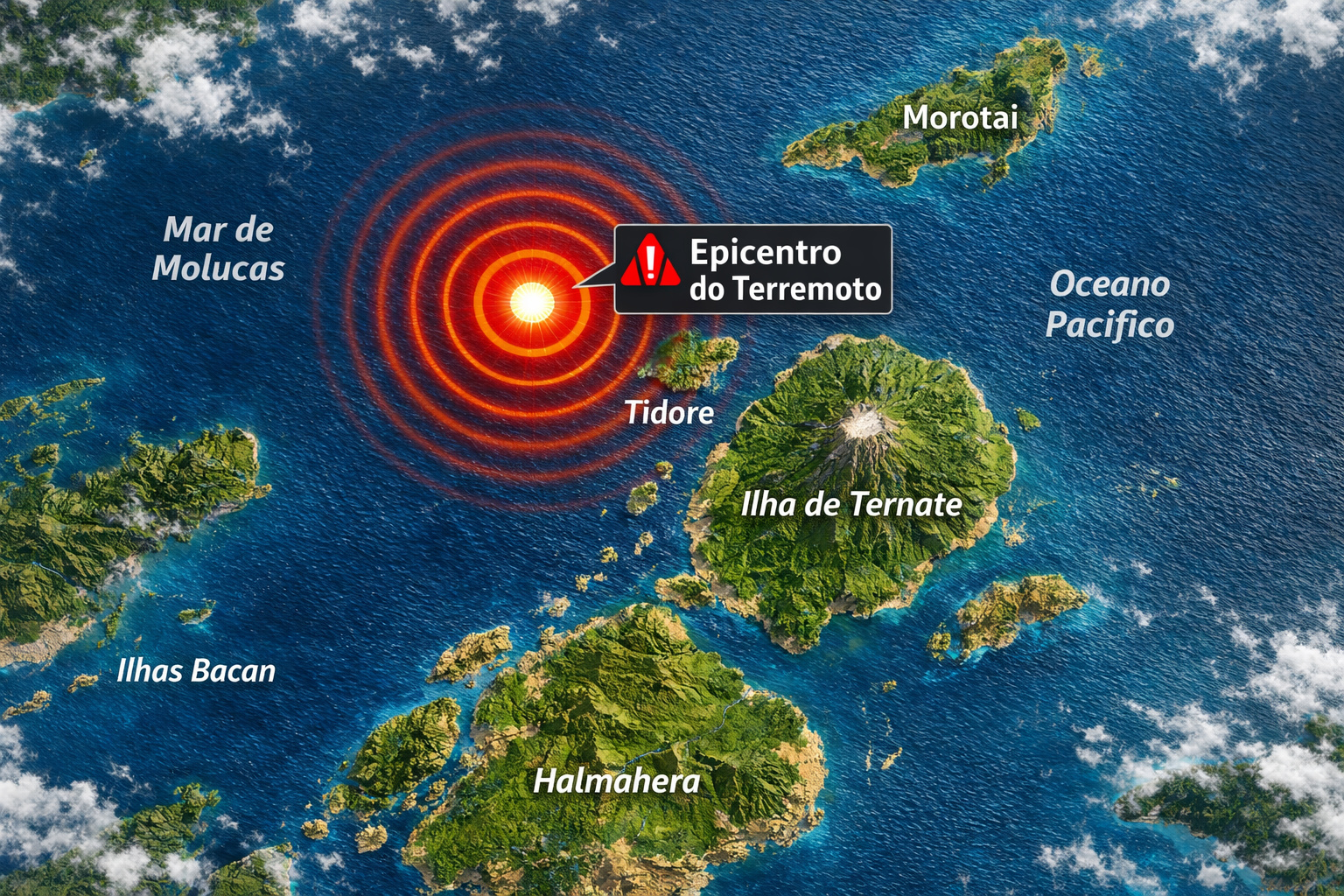
7.8 magnitude earthquake in Indonesia frightens the population, triggers tsunami alert, and hits an island with over 200,000 inhabitants this Thursday.
-
Google will finally let you change that embarrassing Gmail address you created in your teenage years without losing any accounts, logins, or old emails: the feature is already available in the United States.

-
Heading to Brazil in a Bonanza F33 single-engine aircraft: a couple departs from Florida on a visual flight, makes technical stops in the Caribbean to refuel and organize paperwork, and begins the staged crossing until they reach the country.


He explained that the Cuban-American singer held immense fondness for them, something she always remembered.
The Song That Crossed Borders
In 1977, Celia Cruz recorded the salsa Usted Abusó with Willie Colon, an adaptation of Você Abusou, released in 1970 by the Bahia duo. The song traveled around the world.
Additionally, it gained versions from Ella Fitzgerald, Sérgio Mendes, Serge Gainsbourg, Vinicius de Moraes, Toquinho, Maria Creuza, and other Brazilian and foreign names. The list includes Maysa, Jorge Aragão, MPB 4, Sivuca, Pauline Croze, Daniela Mercury, and Diogo Nogueira.
Stevie Wonder even hummed the song during a performance at Rock in Rio 2011, alongside Gilberto Gil. The audience sang along in chorus.
The melody drew attention for uniting sophisticated harmony with a sweet bass line, almost a lament. The lyrics played with simplicity, something rare at a time when manifestos were gaining ground among more intellectualized youth.
Antônio Carlos shared that this was the only partnership where Jocafi wrote the entire melody while he created the complete lyrics.
An Initial Strangeness
When he received the friend’s verses, Jocafi reacted poorly because he found the lyrics excessively simple. He said the melody deserved a more elaborate text.
The multi-artist Edy Star intervened and changed the composer’s perception. According to him, the lyrics were modern and different from everything being produced. The duo agreed and continued with the project.
Extensive Production
The musical trajectory of both includes 16 albums, tracks for TV and cinema, tours, and various awards.
They never considered ending their careers.
Their compositions have been performed by Orlando Silva, Luiz Gonzaga, Alcione, Emílio Santiago, and other important names. The work also inspired reinterpretations from rap and experimental music artists.
At 80 years old, Antônio Carlos celebrated the 54th anniversary of the album Mudei de Ideia, recorded in 1971, the first alongside Jocafi, who will turn 81 in December.
Childhood Shaped by Music
Antônio Carlos grew up surrounded by instruments because his family cultivated the habit of playing. He heard piano, accordion, and guitar from an early age.
His father had a habit of bringing home 78 RPM records weekly with names like Francisco Alves, Orlando Silva, and Nelson Gonçalves. The artist keeps vivid memories of this period.
He lived in Rio Vermelho, close to Carmen Oliveira da Silva, daughter of Mãe Menininha do Gantois. Carmen became Mãe Carmem in 2002. The rhythm of candomblé surrounded his childhood.
Jocafi, raised in Cosme de Farias, recalled a similar influence because radio played a significant role in his youth. His father, a waiter in Bonfim, saved money to buy a set.
Public address services were also common, broadcasting music and messages through the streets.
Paths That Cross in Music
When the duo met, Antônio Carlos had already participated in festivals in Bahia and the Festival da Record in 1967. The song Festa no Terreiro de Alaketu was performed by Maria Creuza.
In the following year, Antônio Carlos and Maria Creuza married and worked together on albums and tours. The relationship lasted almost two decades.
Jocafi had been a fan of his partner since the festival. The two were introduced by pianist Carlos Lacerda.
The partnership only began in 1968 due to the poet Ildásio Tavares. They composed Catendê and other songs together.
Catendê was selected for the Festival da Record in 1969 but was disqualified for having competed before. Nevertheless, the duo continued strong.
Move to Rio
After a season in São Paulo, the musicians went to Rio de Janeiro. There, they met Vinicius de Moraes, Tom Jobim, Dori Caymmi, and Nelson Motta.
On that same day, Antônio Carlos learned of his mother’s death through a telegram. Even though he was shaken, he chose to keep the meeting because she supported his career.
Nelson Motta praised the duo in his television column. Soon after, they signed a contract with RCA Victor.
The First Album and Challenges
The first single included Roberto, Não Corra, a satire on Roberto Carlos’ success, and Por Causa Dela.
Their participation in a Silvio Santos program generated tension because the host might ridicule them.
Critic José Fernandes had broken one of their records live, criticizing the supposed rock in the song. The duo responded with humor.
The public’s reaction was positive. The record label’s director went to Rio especially to meet them.
Thus, the album Mudei de Ideia was born, featuring Você Abusou and other important tracks.
The French Dispute
After a European tour, Maria Creuza informed them about the success of Vous Abusou in France, adapted by Michel Fugain as Fais Comme L’oiseau. The duo sued Fugain for plagiarism.
They won the case and received financial compensation. Even today, many French people think the song is local.
For the musicians, the global success is explained by the roots of samba de roda. The genre is present in Salvador and integrates references from candomblé and Afro-Brazilian tradition.
New Partnerships and Future
The duo remains active, even after decades. They have focused more on guitar and arrangement work.
Marcelo D2 re-recorded Kabaluere in 2003. The collaboration with Russo Passapusso and BaianaSystem expanded creative possibilities.
The album O Futuro Não Demora, released in 2019, had strong environmental prominence. Then came Miçanga, awarded at the Latin Grammy.
In 2022, they released Alto da Maravilha, recognized by APCA. The group continues to release music, with Praia do Futuro among their recent works.
The next step will be a trilogy inspired by Jorge Amado. The duo has previously explored this universe in a prior album.
In the Studio Again
As the report was being concluded, Antônio Carlos responded via message. He said he was in the studio.
He sent the latest track, recorded with Maria Creuza. The sound mixes guitar, organ, strings, and percussion.
The song is called Ingorossi. Antônio Carlos shared that it was the first he composed in his life, and he revisited it with Jocafi.
With information from BBC.








-

Uma pessoa reagiu a isso.