





 Portuguese
  English
  Spanish
  5 min of reading
  0 comments


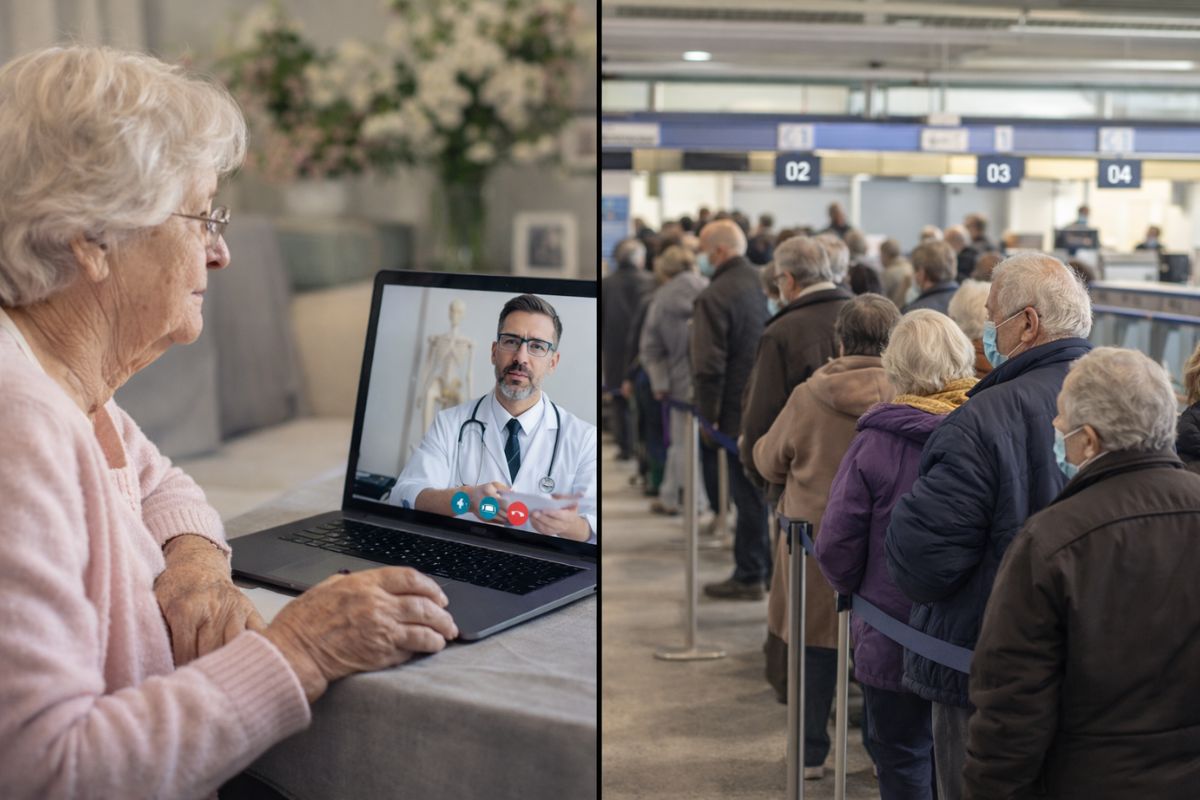
The Joint Ordinance No. 18, of 2026, officialized telemedicine as a regular procedure of INSS expertise, allowing medical evaluations by video conference to reduce waiting times and speed up the granting of benefits such as BPC, especially in regions with a scarcity of experts.
A change that millions of Brazilians were waiting for has just become official. The INSS expertise can now be conducted by video conference thanks to Joint Ordinance No. 18, of 2026, which officialized telemedicine as a regular procedure of Federal Medical Expertise. The measure transforms what was an experimental project into a definitive part of the INSS structure, aiming to reduce the backlog of requests and make the system more efficient. For those who have faced months of waiting for an in-person appointment, the change in INSS expertise represents the end of one of the most criticized bottlenecks in the social security system.
With the new regulation, telemedicine will permanently integrate the procedures of Federal Medical Expertise. The proposal is to expand the capacity of INSS expertise, especially in regions where the scarcity of expert doctors turns scheduling into a wait that can exceed months. The ordinance establishes standardized rules for the use of technology, ensuring legal security for both the professionals conducting the evaluation and the insured who depend on the result to access benefits.
How the new INSS expertise by video conference works in practice
Although the consultation is done remotely, the model does not completely eliminate the physical presence of the insured. To conduct the INSS expertise by video conference, the person must attend the Social Security Agency (APS) on the scheduled day, where they will be directed to a room equipped with a computer, camera, and internet connection. The expert doctor, who can be anywhere in the country, conducts the evaluation remotely via the screen.
-
EDGE Group accelerates in Brazil with SIATT, Condor, and a new CAT factory in May, aims for borders in Latin America, signs letter with Ecuador, and promises announcements in 2026 with cyber and local production.

-
Without ships, the world comes to a halt in days, 90% of trade is by sea, 11 billion tons, 100,000 vessels; China dominates shipyards, builds giants of 400 m and even aircraft carriers.

-
Son of farmers becomes the king of barges in Brazil and creates Grupo Pipes with up to 300 barges in six states, connecting regions without bridges and investing in Pedra Caída tourism.

-
Russia pressures BRICS for joint food reserves after the crisis in Iran closed Hormuz, threatening fertilizers and halving productivity; warning indicates inflation and hunger affecting 673 million people.

Before the consultation, the insured undergoes an in-person screening at the agency itself. At this stage, medical and personal documents are submitted and digitized, and the insured signs a term authorizing the INSS expertise by video. After the remote evaluation, the process follows the traditional flow of benefit analysis. The format combines the practicality of technology with the need for in-person document verification, creating a hybrid model that addresses the main issue without eliminating the guarantees of the process.
Which benefits are covered by the new form of INSS expertise
Initially, telemedicine will be used in initial medical expertise and in evaluations and re-evaluations of the Continuous Cash Benefit (BPC). Other services may be included in the future as the system is tested and improved. The BPC, which serves low-income people with disabilities and the elderly, is one of the benefits with the highest volume of pending requests, making its inclusion in telemedicine especially relevant for reducing waiting times.
INSS expertise by video conference appointments must be scheduled in advance through official channels, such as the INSS website and app. The scheduling process follows the same format already known to the insured, with the difference that the consultation will be conducted remotely. For expert doctors, access to the system occurs through security protocols that include the use of VPN and two-factor authentication, ensuring that the insured’s information remains protected.
Why INSS expertise needed this change urgently
The backlog of medical expertise requests at INSS is a chronic problem that affects millions of Brazilians. The scarcity of expert doctors in various regions of the country has created queues that forced insured individuals to wait months for an in-person appointment, often traveling hundreds of kilometers to the nearest agency with an available expert. For people with disabilities, elderly individuals with mobility difficulties, and workers on leave who depend on the benefit to survive, each month of waiting represents a month without income.
Telemedicine solves the problem of the geographical distribution of experts because it allows a doctor in a capital city to attend to insured individuals in rural areas without either needing to travel. INSS expertise no longer depends on the physical presence of the expert in the same city as the insured, which multiplies the capacity for service without requiring the immediate hiring of new professionals. It is a solution that uses existing technology to solve a logistical problem that has persisted for years.
What changes for those who need to schedule INSS expertise from now on
For the insured, the process changes little in practical terms. The scheduling continues to be done through the INSS website or app, and on the scheduled day, the person attends the agency as usual. The difference is that, instead of being attended by an in-person expert, they will be directed to a video conference room where the evaluation will take place remotely. Documents continue to be required and verified in person before the consultation.
The expectation is that the time between scheduling and conducting the INSS expertise will decrease significantly because the availability of experts is no longer limited by geographical location. An insured individual in a rural area who previously waited four months for an expert who visited the region once a week can now be attended to in weeks by a professional connected from anywhere in the country. The reduction in waiting time especially benefits people with health conditions that require quick access to benefits.
What telemedicine means for the future of INSS expertise
Joint Ordinance No. 18 is part of a broader government strategy to modernize the social security system. The officialization of telemedicine as a permanent procedure of INSS expertise signals that telemedicine will be expanded to other services as the technological infrastructure of the agencies is updated and security protocols are validated on a national scale.
For the insured, the change represents faster access to benefits that are often the only source of income for the family. For the social security system, it represents operational efficiency that reduces costs and improves human resource distribution. INSS expertise by video conference does not replace in-person medicine. It complements it in a context where demand has always exceeded the capacity for physical service.
What do you think of the new INSS expertise by video conference? Do you believe it will work well or do you prefer in-person service with the expert in the room? Share in the comments. Changes in INSS affect millions of Brazilians, and the opinion of those who use the system is the most important in this debate.









Seja o primeiro a reagir!