





 Português
  Inglês
  Espanhol
  4 min de leitura
  0 comentários


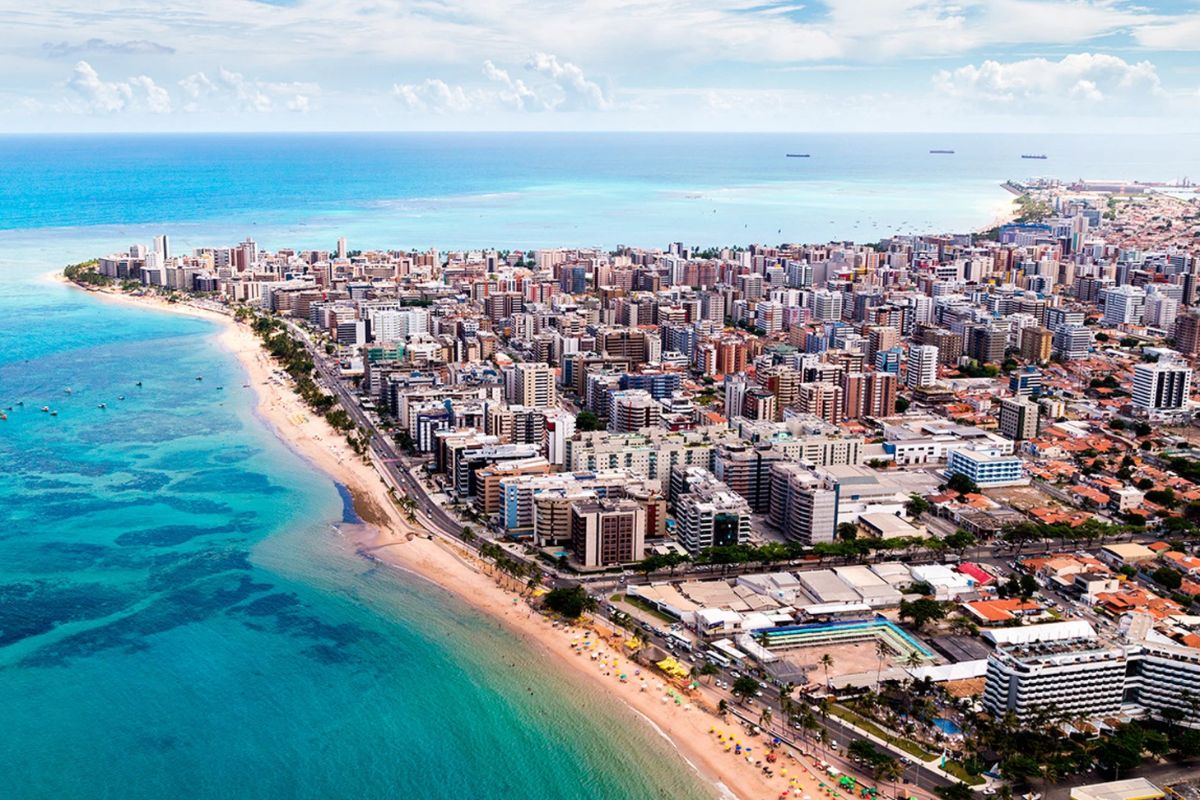
With Maceió Registering the Highest Appreciation in the Country and Fortaleza Becoming a Luxury Construction Site, the Real Estate Market in the Region Attracts a Rush of Investors, but Experts Warn of Risks and Social Impacts.
The northeastern coast is experiencing an unprecedented explosion in its real estate market. A true rush for luxury land and condominiums has transformed the landscape of capitals like Maceió, João Pessoa, and Fortaleza, with price appreciation that many already compare to a “bubble” akin to the one that recently occurred in Florida.
This craze is driven by a combination of factors: a strong influx of Brazilian and foreign investors, government incentives, and large infrastructure projects. However, behind the shine of luxury developments, concerns about the sustainability of this growth, the risks of a price correction, and the impact on the local population are growing.
The Record Valuation of Maceió and the Transformation of Fortaleza into the “Dubai of the Northeast” by 2024
The warming of the market on the northeastern coast is not occurring uniformly throughout the region. Some cities stand out as the major centers of this new real estate rush.
-
Drought may be creating stronger superbugs in the soil and helping antibiotic resistance reach hospitals, warns a study highlighting a problem that could grow alongside extreme weather.

-
The biggest scam in history: Napoleon’s France deceived the United States by selling them a territory that was Spanish.

-
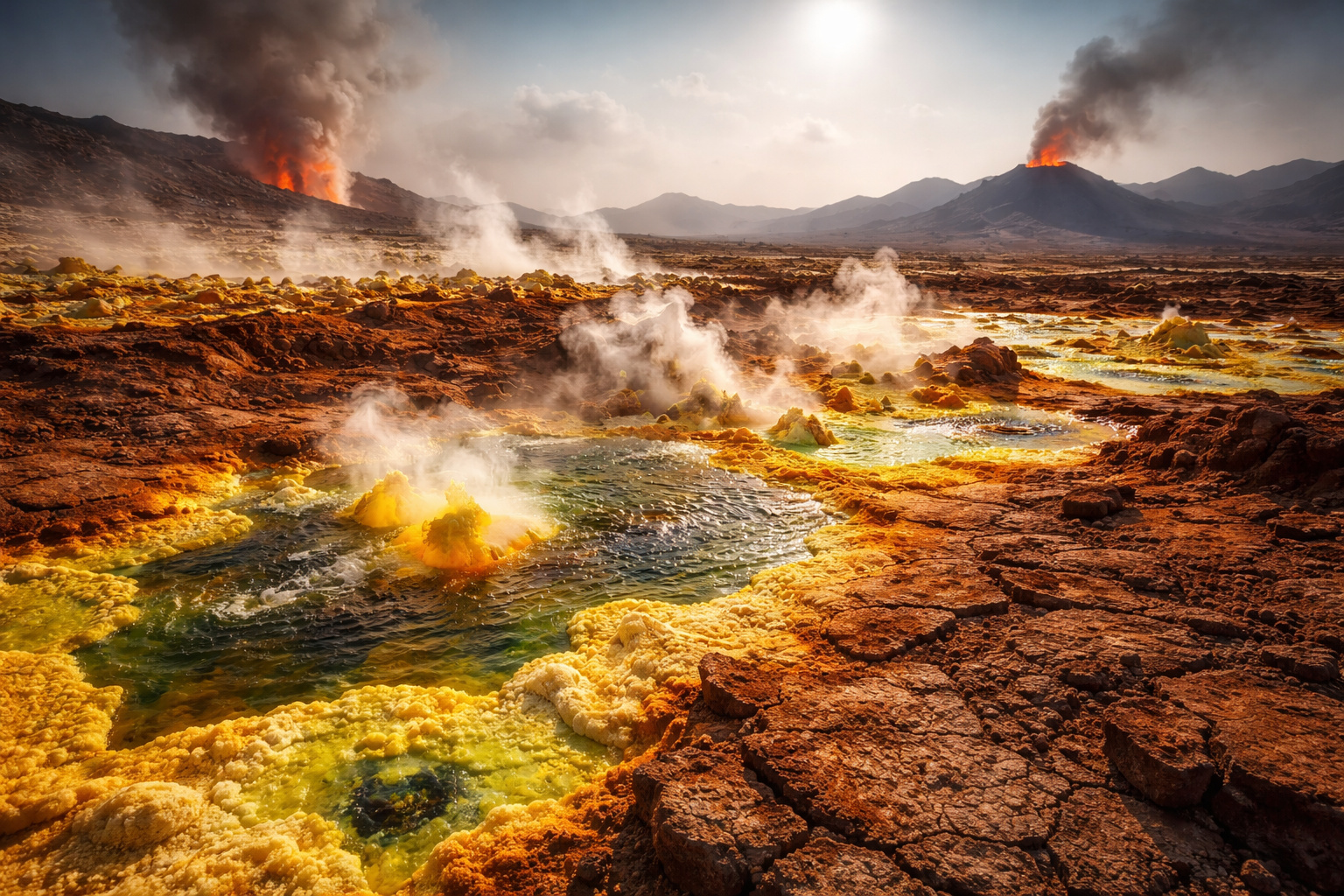
Why is the Danakil Desert so dangerous? It has unstable terrain and how extreme temperatures and toxic gases turn the region into one of the most hostile environments on Earth.
-
With a height of 221 meters and a capacity for trillions of liters, Hoover Dam still holds a trick that makes water defy logic.

Maceió (AL): is the city with the highest real estate appreciation in Brazil. The growth has been driven by an extraordinary demand for housing, caused by the displacement of 60,000 people due to the geological disaster of Braskem, and by the region’s strong tourist appeal.
João Pessoa (PB): the capital of Paraíba is notable for its high quality of life. With a 15.26% increase in population in the last census, the city saw property prices rise by 22.30% between January 2021 and June 2023.
Fortaleza (CE): has become the epicenter of the ultra-luxury market, being nicknamed the “Dubai of the Northeast”. In 2024, the city recorded R$ 8.51 billion in real estate transactions, with luxury projects reaching a General Sales Value (VGV) of R$ 600 million.
In contrast, cities like Recife (PE), despite their potential, have lagged behind due to laws that hinder the construction of large enterprises.
Who Is Buying: Capital from the Southeast and Foreigners Attracted by the “Investor Visa” with a R$ 300,000 Discount
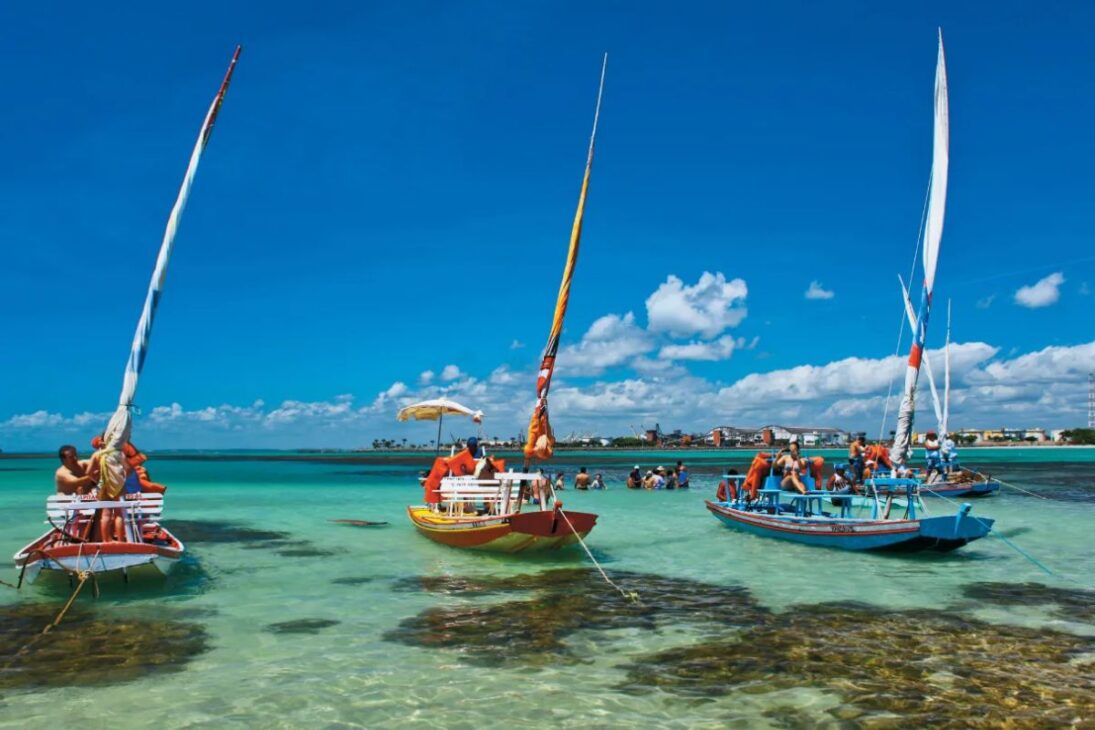
The high demand that inflates prices on the northeastern coast comes from two main sources. The first is the capital of high-income Brazilians, mainly from the South and Southeast regions, who seek a second home for leisure and a safe investment to protect themselves from inflation.
The second source is a growing number of foreign investors, primarily Europeans. A decisive factor in attracting this capital is the “Investor Visa”, which grants residency authorization in Brazil.
The Brazilian law offers a significant incentive: while the minimum investment amount for real estate is R$ 1 million in most of the country, for the North and Northeast, this amount drops to R$ 700,000, a discount of R$ 300,000 that directs money flow to the region. In 2024, immigrants invested R$ 283 million in real estate in Brazil.
The Billions in Infrastructure and the PRODETUR Program that Prepared the Ground for the Market
The real estate boom would not be possible without strong public policy initiatives. Federal programs, such as PRODETUR-NE (Tourism Development Program in the Northeast), have financed infrastructure projects for years, such as roads and sanitation, appreciating coastal lands that were later exploited by private capital.
State governments have also heavily invested. In Pernambuco, for example, the investment in roads in 2024 was R$ 670.2 million, an increase of 207% compared to 2022. In Ceará, the government reported a record investment of R$ 830 million in the first four months of 2025 for tourism infrastructure projects.
The Comparison with Florida: Why the Risk on the Northeastern Coast Is Not Credit-Related, but a Price Bubble
The comparison with the recent real estate crisis in Florida helps understand the risks. There, a 23% drop in sales in Miami in April 2025 and a 43% increase in the inventory of properties showed how euphoria can turn into crisis.
However, there is a crucial difference: the Brazilian market has a much more rigorous and less leveraged credit system. This makes a widespread financial collapse, such as the subprime crisis of 2008, very unlikely in Brazil.
The risk on the northeastern coast is not a “credit bubble”, but rather “localized price bubbles”. In other words, in specific cities, prices may have risen so much that a correction becomes inevitable, affecting the wealth of those who invested at the peak.
Gentrification and the Environmental Impacts of Accelerated Growth
Behind the shine of luxury condominiums, there is a social and environmental cost. The current development model generates a process of gentrification, where the rising cost of living forces low-income local residents to move to more peripheral areas. A case study in the Old Center of Salvador showed how real estate appreciation led to the systematic eviction of thousands of residents.
The environment also suffers. The intensive construction of resorts and condominiums along the beachfront pressures fragile ecosystems, such as dunes and mangroves.
Often, the “sustainability” used in the marketing of developments, with “green” seals and solar panels, serves merely as a facade that hides the real environmental impact of the coastal occupation model. The paradise sold in brochures is, in many cases, built on the degradation of the real paradise.








-

-

-

5 pessoas reagiram a isso.