





 Portuguese
  English
  Spanish
  4 min of reading
  0 comments


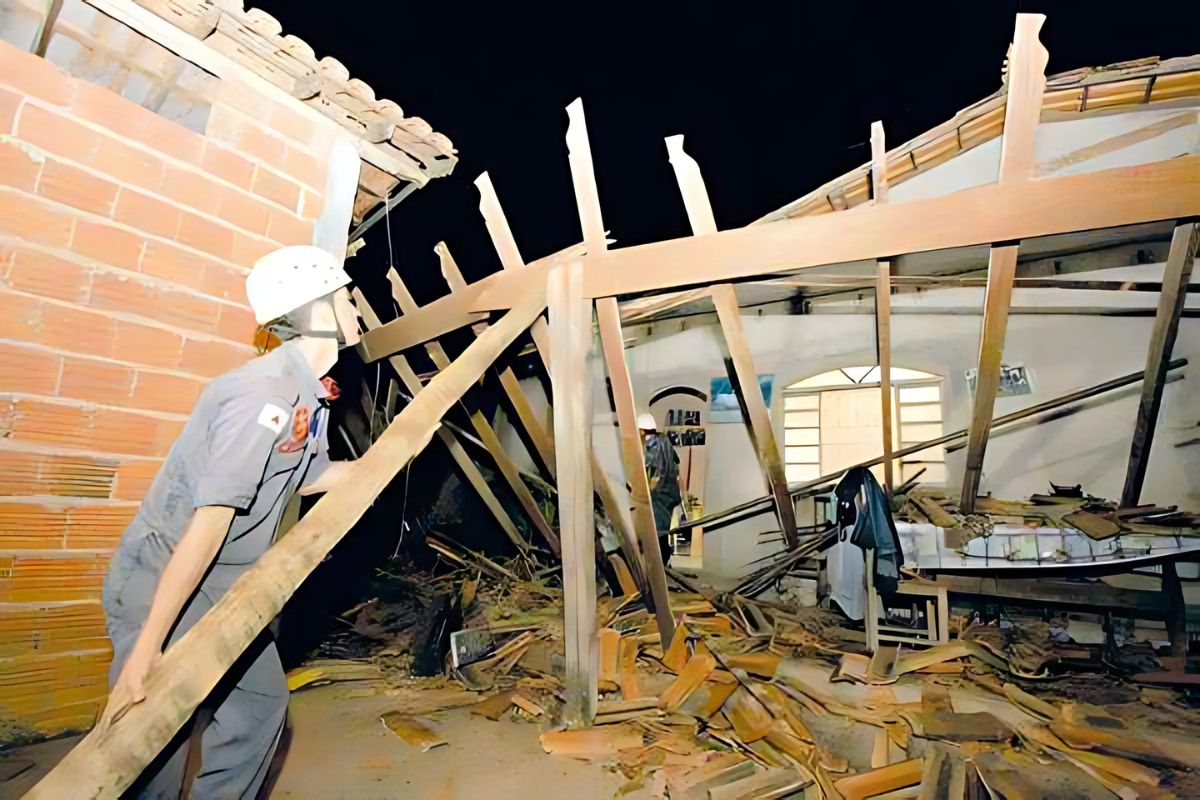
In 2007, A Moderate Magnitude Earthquake Hit Itacarambi, In Northern Minas Gerais, Causing The First Recorded Seismic Fatality In Brazil And Changing The Perception Of Risks In Our Territory. Learn The History Of This Brazilian City.
The day December 9, 2007, was marked in the history of this Brazilian city and in national seismology. An earthquake, although of moderate magnitude, proved to be a crucial event, forcing a reassessment of seismic risks and driving improvements in monitoring across Brazil.
Itacarambi, a small municipality in Northern Minas Gerais, lived in apparent tranquility until it became the epicenter of an event that would shake the country. The rural community of Caraíbas, within its territory, personified this quietude but was about to experience a phenomenon for which no one was prepared, in a region considered seismically calm.
The Day Itacarambi, A Quiet Brazilian City, Felt The Ground Take A “Leap”
Before 2007, Itacarambi and its rural community of Caraíbas were places of quiet routine. Few imagined that this Brazilian city would become the center of a notable seismic event. The expression “a sudden leap of the ground,” used by the local population, describes the abrupt and shocking nature of the phenomenon.
-
With 30 meters in length, a house in England appears to float in the air and surprises engineers and architects around the world due to its visual effect and construction method suspended over sloped terrain.

-
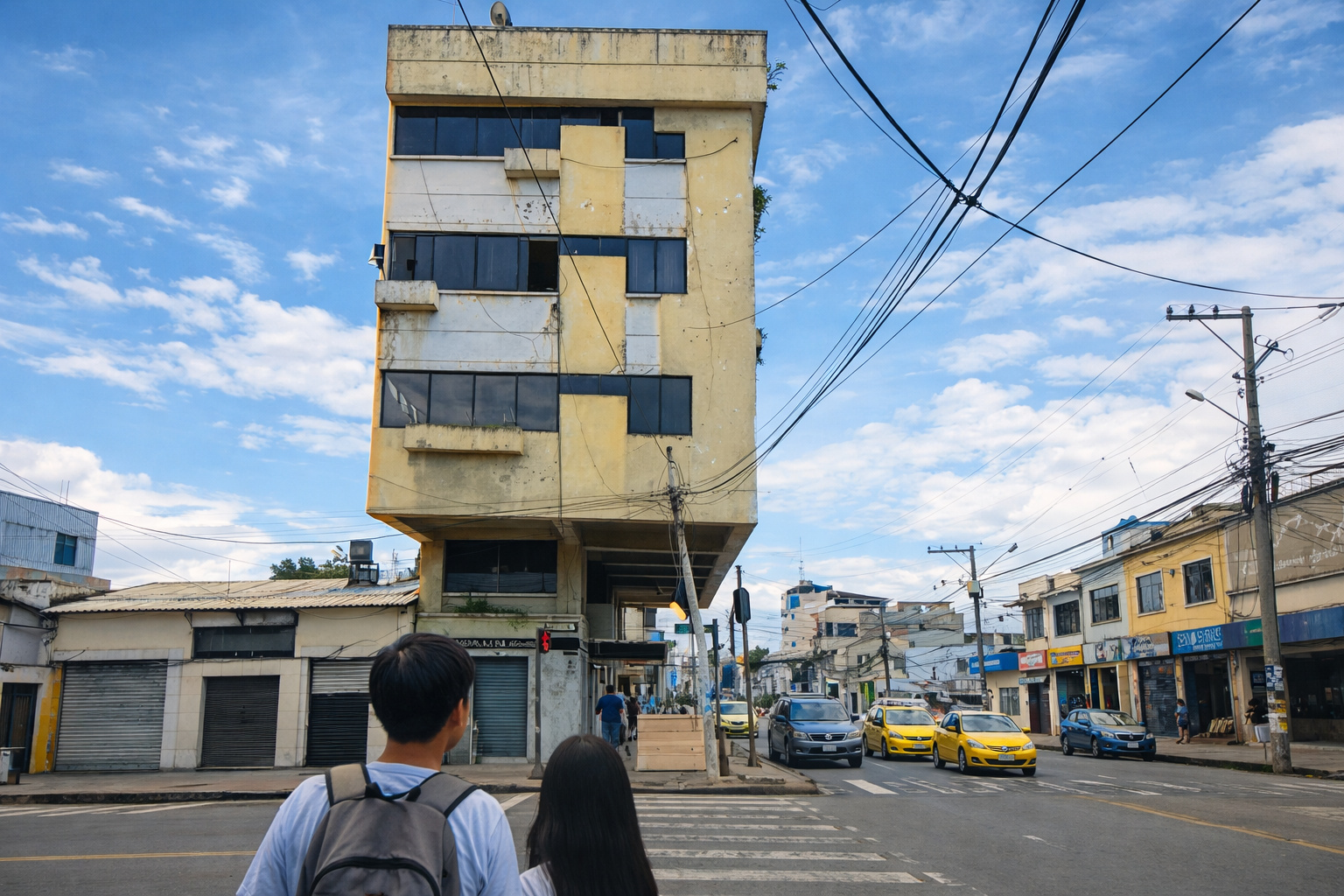
Called El Inmortal, the building that survived earthquakes in Ecuador seems to balance, defies the laws of physics, and impresses with its bold construction structure.
-
A gigantic dam project in the Himalayas could solve one crisis but silently create another for millions of people.

-
Nikola Tesla said that intelligent people tend to have fewer friends, and now science partially confirms this: a study with over 15,000 people showed that for the more intelligent, socializing too much can even reduce life satisfaction.


The date December 9, 2007, is the date confirmed by scientific studies for the main earthquake, which resulted in a fatality and extensive damage, although some initial news sources reported a differing date. This event indelibly inscribed Itacarambi in the seismic history of Brazil.
The Itacarambi Earthquake In Detail: Magnitude, Epicenter, And The First Fatality Recorded In The Country
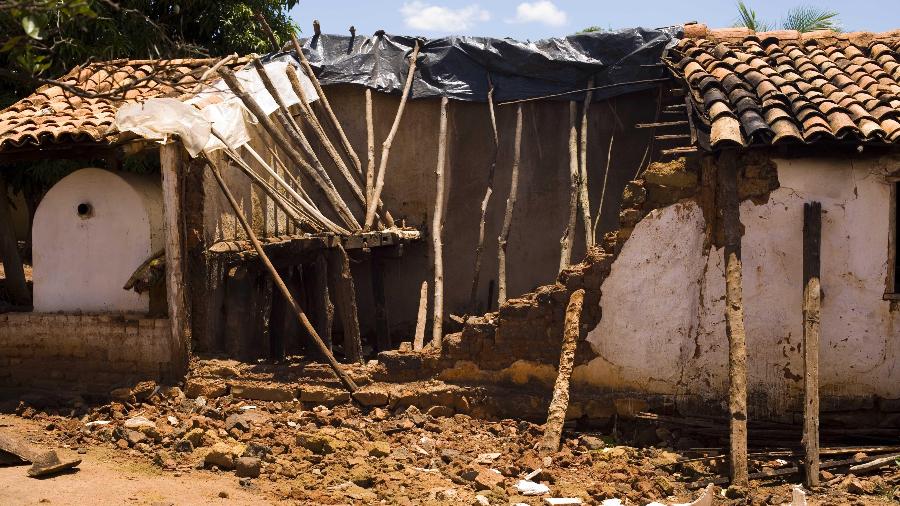
In the early hours of December 9, 2007, the ground shook in Itacarambi. The Seismological Observatory of the University of Brasília (Obsis/UnB) recorded the main event with magnitude 4.9 on the Richter scale (mb 4.9). The epicenter was in the rural community of Caraíbas, 35 km from the urban center of Itacarambi. The tremor was also felt in Manga and Januária. In Caraíbas, the intensity reached level VII on the Modified Mercalli scale (MM), indicating a very strong earthquake.
The most tragic consequence was the death of Jessiane de Oliveira Silva, a five-year-old girl, crushed by the wall of her house in Caraíbas. This was the first earthquake to cause a death directly related to an earthquake in Brazil since the beginning of modern instrumental records. There were also six injuries. The material destruction was severe: practically all houses in Caraíbas (between 75 and 76) were affected, and six were completely destroyed. The vulnerability of the simple structures was a determining factor for the tragedy in this Brazilian city.
Unraveling The Phenomenon In The Brazilian City Of Itacarambi
The earthquake in the small Brazilian city of Itacarambi occurred in the central portion of the São Francisco Craton, an ancient and stable area of the continental crust. The local geology is characterized by metamorphic rocks of the Bambuí Group over a cratonic basement. The region is crossed by geological faults, and the seismicity in Caraíbas-Itacarambi is associated with the reactivation of these fractures and faults in the basement.
Investigations revealed that the earthquake had a shallow focus, between 0.3 and 1.2 km deep, which intensified the tremors at the surface. The faulting was reverse, occurring on a plane with an N30°E direction, consistent with the predominant E-W compressional stress field in the region. The primary cause is attributed to this tectonic adjustment. The expression “sudden leap” describes the violent seismic shock, as there was no evidence of surface rupture of the fault. The seismic activity included foreshocks (since March 2007, with one of magnitude 3.5 in May) and aftershocks that followed for months.
The Place of Itacarambi And Its Earthquake In Brazilian Seismic History


The Itacarambi earthquake of 2007, which deeply marked this Brazilian city, holds the sad distinction of causing the first death directly attributable to an earthquake in Brazil in modern times. This fact elevated the national importance of the event, challenging the common perception that Brazil is “safe” from seismic disasters. The event demonstrated that even moderate intraplate earthquakes can be destructive and fatal, especially where there are vulnerable structures.
The impact of Itacarambi served as a catalyst for the improvement of seismic monitoring and research in Brazil. It raised public and governmental awareness of the risks, contributed to the expansion of the Brazilian Seismographic Network (RSBR), and stimulated a significant volume of scientific research. The main earthquake of Itacarambi was adopted as a reference event in global seismic hazard studies by the International Seismological Centre (ISC).
The Aftermath In Caraíbas And The Lessons From Itacarambi: Challenges And The Future Of Seismic Prevention
The Caraíbas community was the most affected. All of its 75 to 76 houses were damaged, and 380 people were displaced, affecting 76 families. The families were moved to the urban area of Itacarambi, where the state government built a new housing complex. The State Coordinator of Civil Defense of Minas Gerais (CEDEC/MG) coordinated emergency actions, and the municipality declared a “State of Emergency”.
Ten years after the tremor, in 2017, many relocated families still faced socioeconomic challenges, depending on social programs and with few job opportunities. This situation led some families to return to Caraíbas, despite the risks. The tragedy in the small Brazilian city of Itacarambi underlines the importance of mapping intraplate risks, developing seismic-resistant building codes (especially for rural and low-income areas), and planning post-disaster recoveries that integrate long-term socioeconomic support. Continued investment in research and monitoring, as well as public education, is crucial.








Seja o primeiro a reagir!