





 Portuguese
  English
  Spanish
 4 min of reading
  0 comments


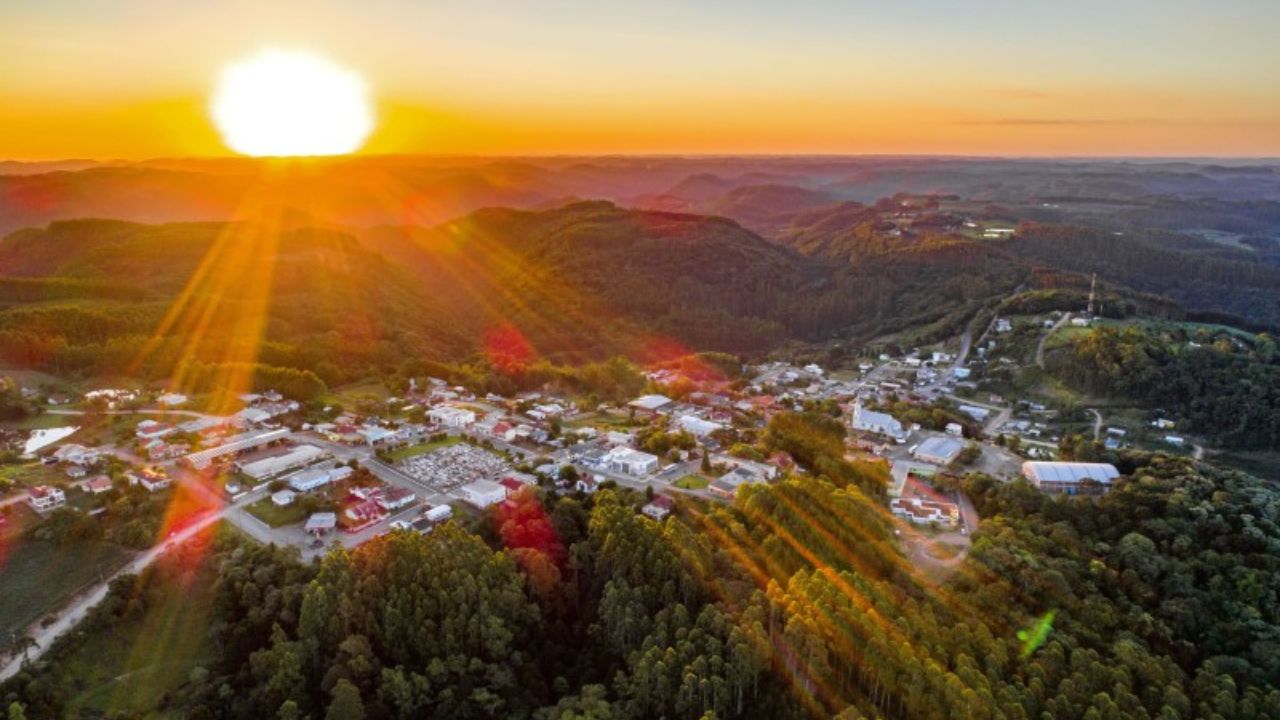
With A Festival That Attracts 30,000 People And Innovative Products, A Small Town In Southern Brazil Transforms An Exotic Fruit Into A Million-Dollar Economy And Becomes A National Model.
In the heart of the Taquari Valley, in Rio Grande do Sul, the small town of Sério, with less than two thousand inhabitants, has rewritten its economic destiny. What was once a municipality focused on traditional agriculture, such as dairy cattle and poultry, is now the national hub for an exotic fruit: the pitaya. The bet on a single crop not only gave a new identity to the town but also forged a million-dollar economy, driven by industrial innovation and a gigantic tourism event.
This transformation is the result of a meticulously planned strategy that unites the public power, rural producers, and academia. Instead of just selling the fruit in natura, the town invested in creating high value-added products and consolidated its brand as the “Land of Pitaya.” The success is celebrated annually at a festival that attracts a crowd fifteen times greater than its population, proving that strategic planning can turn a niche product into a complete regional development engine.
The Origin of A Hub: How Sério Became The “Land of Pitaya”
Until a few years ago, Sério’s economy was solid but without great differentiators, with 95% of its activity concentrated in conventional agriculture. The turning point began around 2017, when the municipal administration, in a visionary initiative, encouraged the cultivation of pitaya. According to information from the Grupo A Hora portal, an initial group of seven families of farmers embraced the idea, betting on a fruit that was practically unknown in the region at the time. The calculated risk proved to be a monumental success.
-
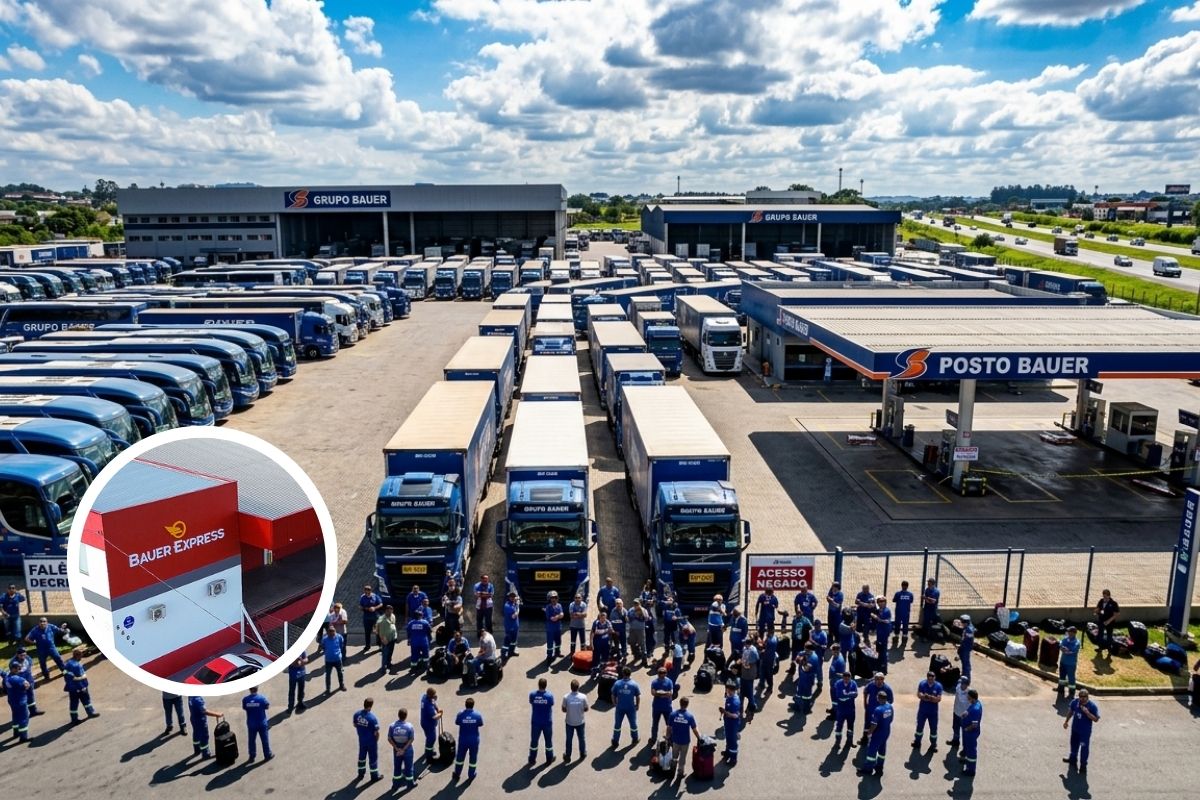
Bauer Group collapses after failed judicial recovery: 25 years, 800 vehicles, and a network of gas stations leave a debt of R$ 50 million and 100 layoffs, exposing costs, tight margins, and expensive credit in Brazil.
-
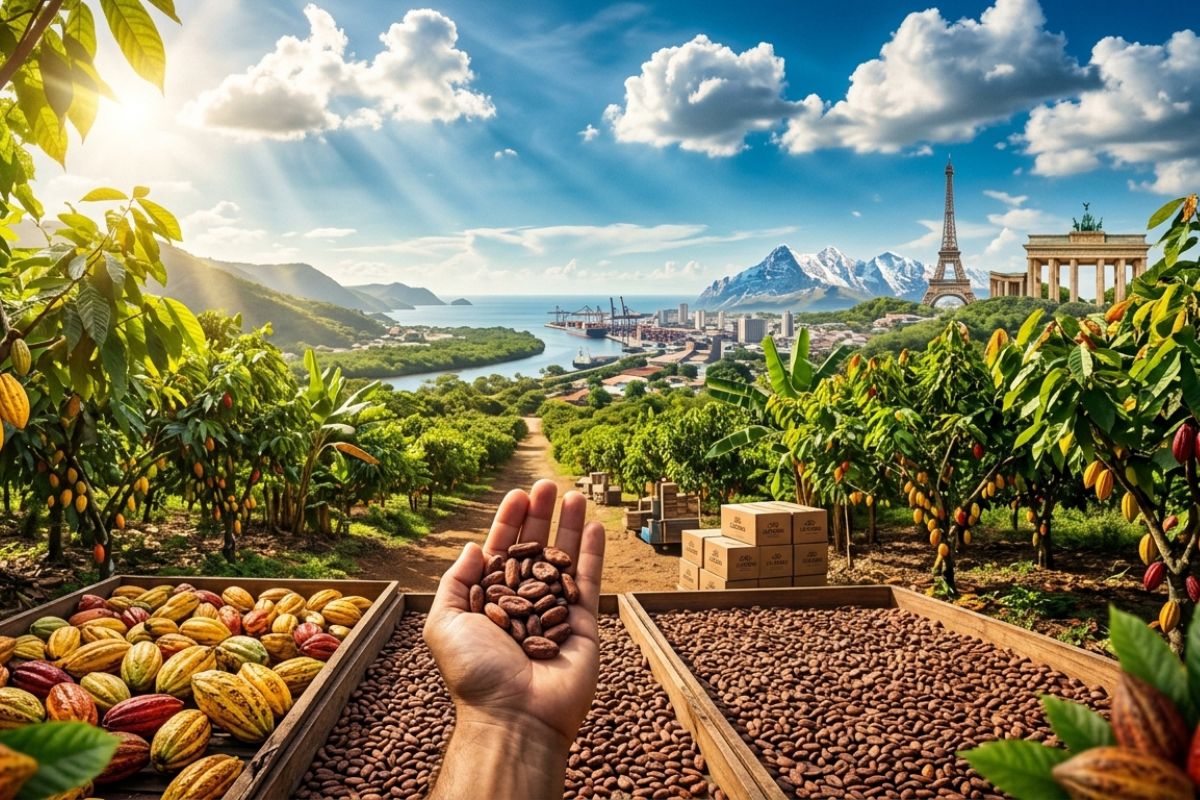
Premium Brazilian brand born during the pandemic brings fine cocoa from Bahia to Switzerland, Germany, and France, has won 9 awards, and claims to have the 2nd best milk chocolate in the world: meet Luz Cacau.
-
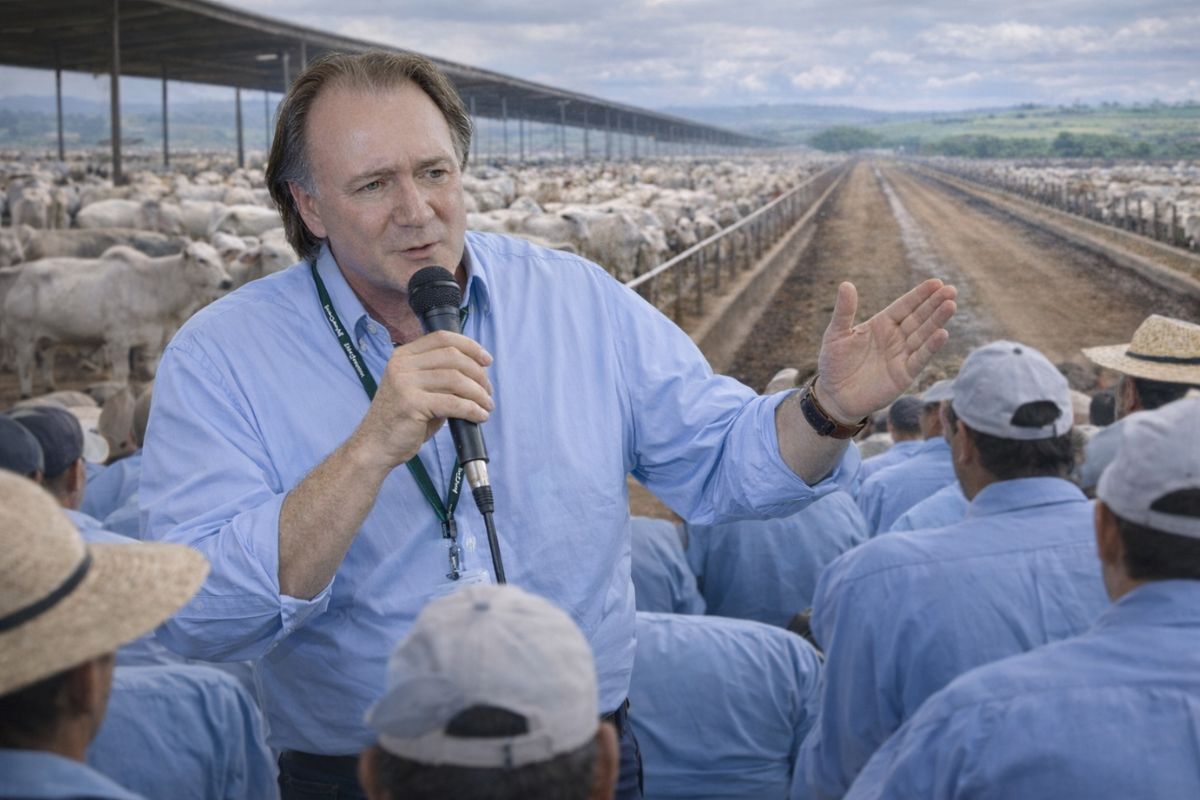
Júnior Friboi has just purchased one of the largest feedlots in all of Brazil, located in Goiás, with the capacity to produce 180,000 cattle per year, and the manager has already come forward to reassure employees about layoffs.
-
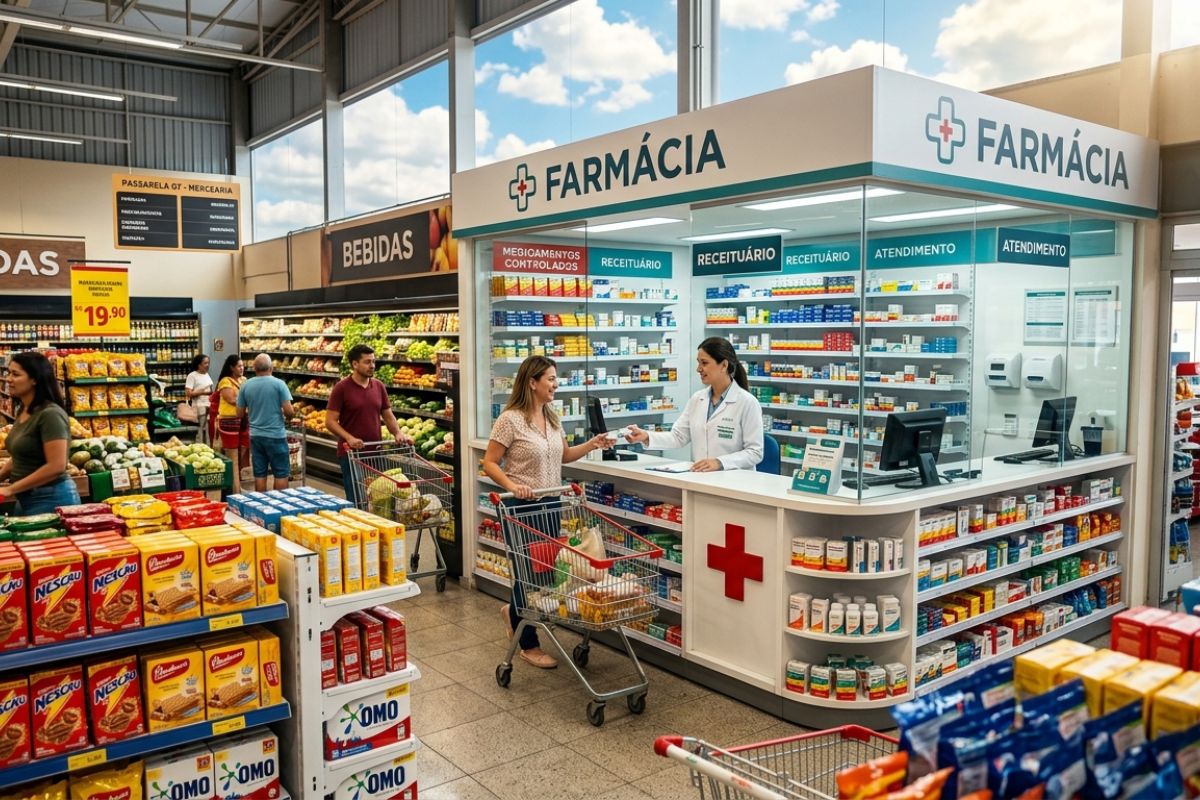
Pharmacy inside the supermarket: what changes now in your purchase, why medicines won’t go on the shelves, which rules remain strict, mandatory pharmacist, separate space, controlled storage, more convenience and competition in the country.

The consolidation of the new identity came in 2021, with the approval of a law that officially designated Sério as “The Land of Pitaya”. As detailed by the Grupo A Hora, this was not a symbolic measure, but the legal basis that justified public investments and united the community around a common goal. The brand strengthened the city’s image and paved the way for the creation of an event that would become the main showcase of the municipality, solidifying its position as a reference in fruit production.
From Harvest to Industry: The Value-Added Strategy
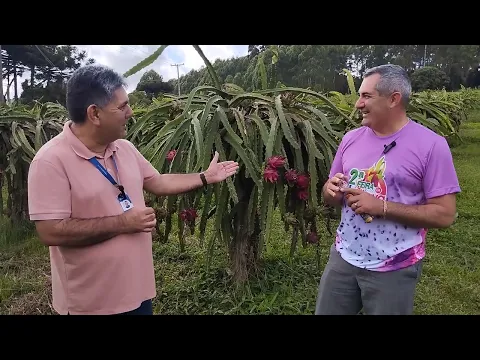

The foundation of Sério’s million-dollar economy begins in the field, but its great differentiator lies in the industry. Today, the town has around 10 producers who cultivate over 10,000 pitaya plants on an area of 6 hectares. The annual production, according to the Grupo A Hora, reaches 90 tons, which represents a gross value of approximately R$ 900,000.00 just from the sale of fresh fruit. However, local leaders understood that the true potential lay in not relying solely on raw material.
The value-adding strategy was driven by a decisive partnership with the Technological Institute in Foods for Health (itt Nutrifor) of Unisinos. The university’s website confirms that this collaboration was fundamental for the development of innovative products that put Sério on the national map. The most notable result was the launch of Brazil’s first pitaya soda, along with the creation of wine and sparkling wine from the fruit. Meanwhile, family agro-industries developed beers, jams, and breads, diversifying the offering and ensuring that a larger slice of the profit remains in the local economy.
The Festival That Multiplies The Economy And Local Pride
The pinnacle of Sério’s model is the Pitaya Fair, an event that has transcended municipal borders and become a regional phenomenon. With a schedule that includes performances by nationally renowned artists, exhibitions, and business meetings, the fair is the engine that drives tourism and visibility for the city. The organization, a partnership between the city hall and the commercial association, transformed the harvest celebration into a powerful development tool.
The impact of the event is impressive. According to data from the Vale Mais RS portal, the second edition of the fair, in March 2024, attracted over 30,000 visitors. This number not only injects significant capital into the local commerce but also serves as a launch platform for new products and an amplifier of the brand “Land of Pitaya.” The festival is thus more than just a result of agricultural success; it is its main catalyst, creating a virtuous cycle where tourism, innovation, and community pride feed into each other.
Can Sério’s model, which unites agriculture, innovation, and tourism, be a pathway for other small towns? Do you believe that focusing on a single product is a risky strategy or a brilliant bet? Share your thoughts in the comments; we want to know what you think!






-

-

-

-

-

-

168 pessoas reagiram a isso.