





 Portuguese
  English
  Spanish
 2 min of reading


An Analysis of the New Pricing Policy of Petrobras Reveals Repetitions of Past Errors, with Imminent Risks for One of the Largest Companies in Brazil.
The economic scenario for Petrobras is proving challenging due to the new pricing policy recently implemented. The recent explanation to the press by the company’s president, Jean Paul Prates, that Petrobras “is not losing money” is being questioned after a closer examination of the company’s financial numbers.
The Pricing Policy of Petrobras
In 2016, Petrobras adopted a parity policy with international fuel prices (PPI). However, this strategy was abandoned, and the recent changes in the pricing policy have raised doubts about the effectiveness of the new approach. For Jean Paul Prates, a former senator from the PT, the company passed the “test,” but the numbers tell a different story.
Recent balance sheets from Petrobras show that the reality is different. Coming in with a nearly 50% drop in profit in the second quarter of 2023, Petrobras’s financial situation seems far from stable. This destruction of value has still been contained, as the company changed its pricing policy only in May, midway through the quarter. Had the change been made earlier, the result would have been an even larger loss, the first after four years of profits.
-
IR 2026 will affect those who have crypto: the Revenue Service receives monthly data, pre-filled forms pull even cashback from Mercado Pago, and exchanging Bitcoin for USDT becomes a taxable sale; declare correctly or fall into scrutiny.

-
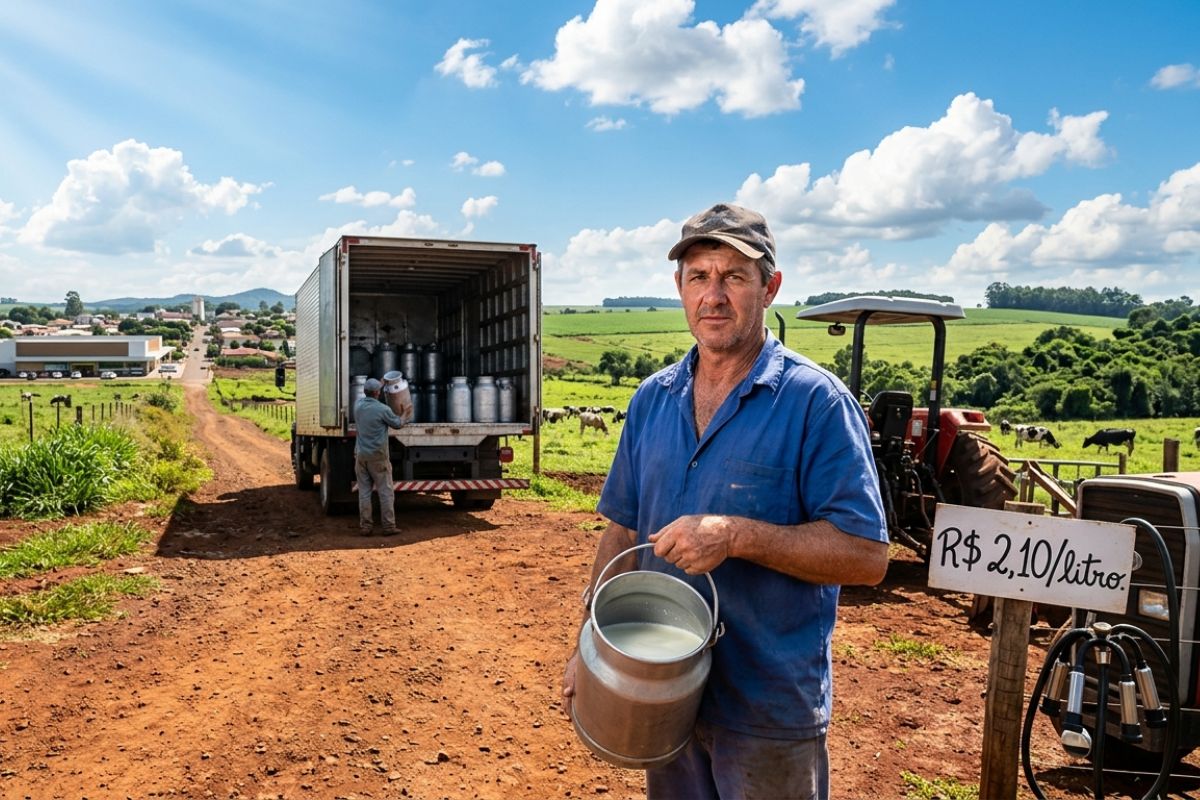
In Paraná, long-life milk prices rise by 17% and powdered milk by nearly 9%, but producers still receive R$ 2.10 while the market charges R$ 7; middlemen keep the difference and are awaiting a price adjustment.
-
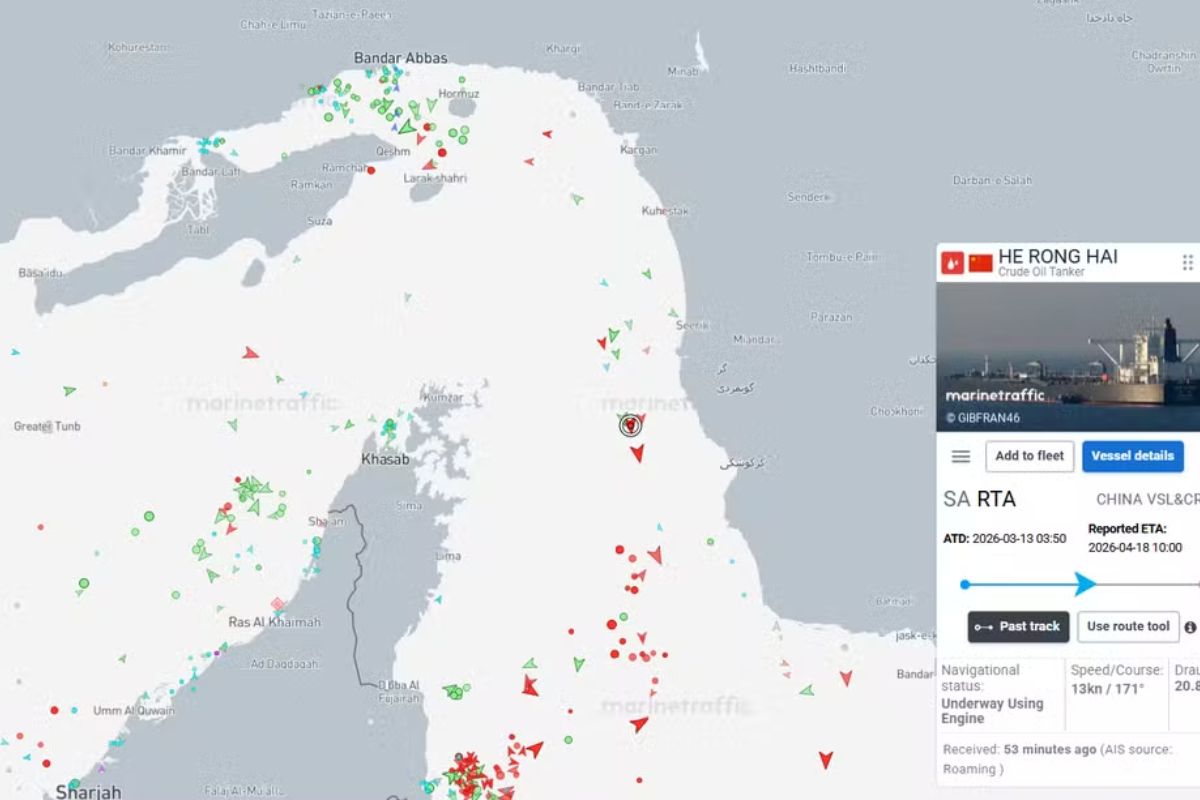
Two Chinese supertankers chartered by Asia’s largest refiner have just crossed the Strait of Hormuz and may be the first to leave the Persian Gulf since the ceasefire between the United States and Iran on a route that still has mines and uncertainties.
-
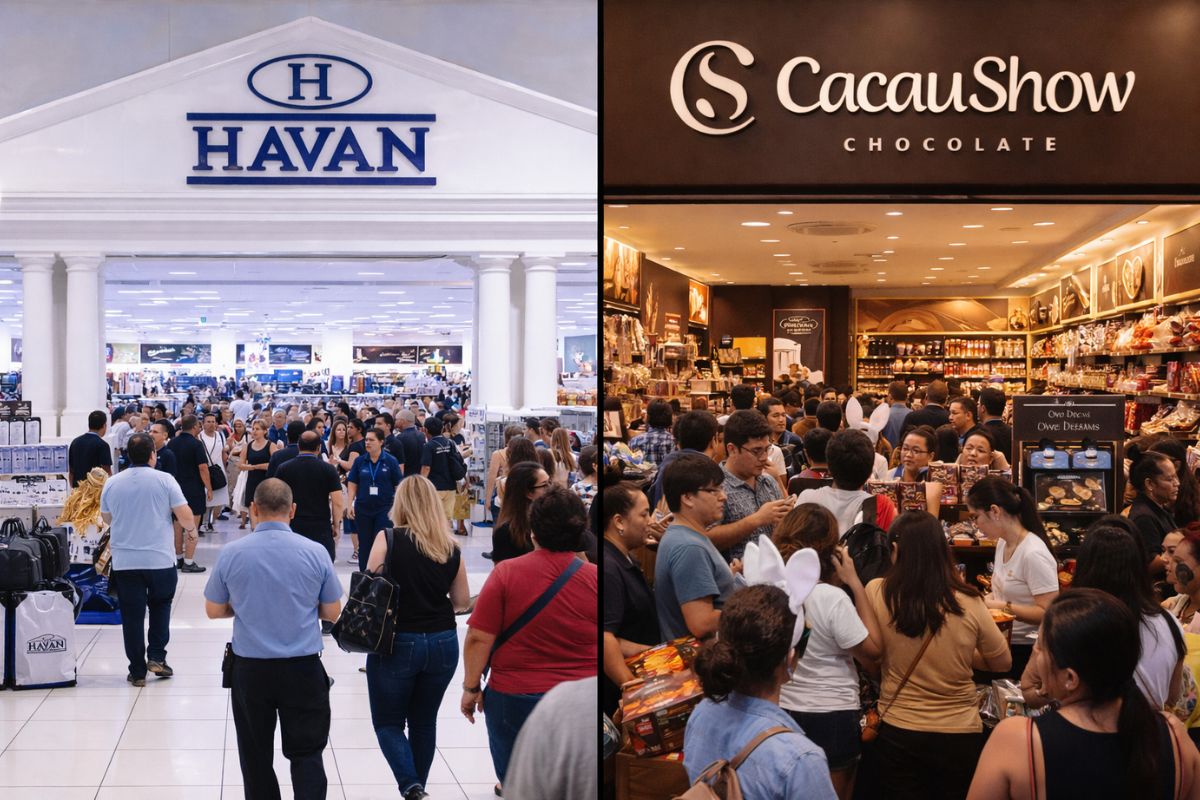
While Havan earns R$ 50 million per day throughout the year, Cacau Show managed six times more in just 24 hours, totaling half a billion reais in two days of Easter.
Petrobras and the Errors of the Past
The new approach repeats mistakes made earlier by past PT administrations, threatening to harm one of the country’s leading companies for the second time. The pricing strategy previously adopted by the state-owned company has shown flaws, and experts are pointing to concerning similarities with the current pricing policy.
The situation of Petrobras is indicative that the company’s management is navigating through turbulent waters. With a significant loss in profit and a questionable pricing policy, the company’s future is at risk. A detailed analysis of the numbers and understanding of previous policies show that the state-owned company may be on a dangerous path.
Upon examining the situation of Petrobras, it becomes clear that a more cautious and well-thought-out approach is needed to ensure the financial stability of the company. Lessons from the past must be learned, and future strategies should be formulated carefully, so that Petrobras can continue to be one of the leaders in the oil industry in Brazil.
By André Catto*, g1










Seja o primeiro a reagir!