





 English
  Francês
  Alemão
  Italiano
  Japonês
  Norueguês
  Portuguese
  Spanish
  3 min of reading


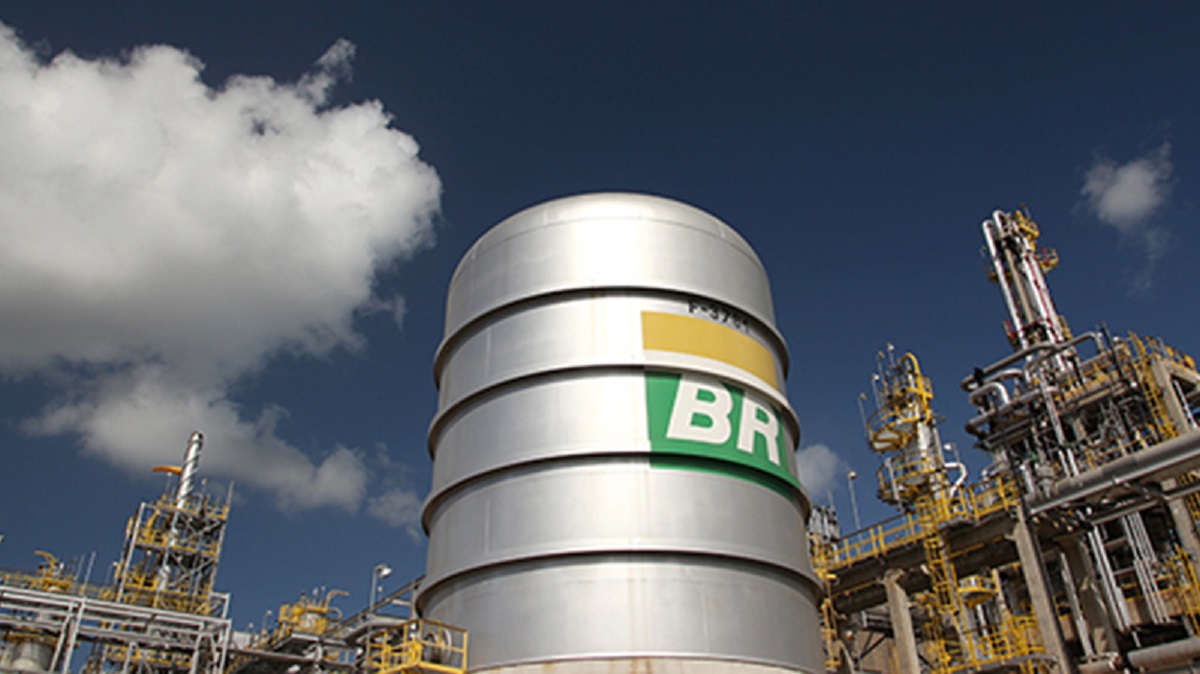
Question Raised By Industry Expert Puts Into Question Whether Responsibility For Fuel Prices Should Be Attributed To Petrobras Or The Government
Fuel prices, especially diesel, have raised questions about how they are passed on to the final consumer. Some attribute this responsibility to Petrobras, others to the government, but in fact, there are technical data that few know and that will be revealed in this article, preceding the emergency meeting called by Jair Bolsonaro with the management of Petrobras this Tuesday (16).
Should Petrobras Subsidize Fuels With E&P Profits?
Many would respond to the title question by saying yes, after all, we are self-sufficient in oil.
-
Government unlocks R$ 554 million for a highway that has been requested for decades and accelerates the duplication of BR.
-
Without bricks, without cement, and without endless construction: the cardboard house that is assembled in modules and can be moved.

-
Billions of barrels on the equatorial margin could lead Amapá to double its oil production in Brazil — the state aims to enter the route of companies in the Campos Basin, attract investments, and boost jobs and businesses in the oil and gas sector.
-
Without bricks, without cement, and without endless construction: the cardboard house that is assembled in modules and can be moved.

The country exports the crude oil it extracts but consumes and imports (part) derivatives (Alcohol, gasoline, diesel, kerosene, etc.) that are value-added products.
The specialist’s reasoning is that the profit from oil production could, in part, be passed on to the final consumer while the company would still retain some portion of the profit to reinvest in its activities. Gauto then decided to detail some numbers to help us better understand this pricing math.
Evaluating Petrobras’ balance sheet in its FORM F 20, a document submitted to the SEC in the USA, the following numbers regarding E&P in 2018 are observed: E&P net income: US$ 12.19 billion; Oil and gas production: 869.8 MMboe/year; Net income/boe: US$ 14.00.
Now let’s suppose that the company passed on half of that in benefit of refining, meaning a discount of US$ 7/boe would be given to the refiner (US$ 0.08/liter of oil). At an exchange rate of 4:1, it would be R$ 0.32/liter of oil in discount. By comparison, the ICMS on a liter of gasoline in Porto Alegre in March 2019 was R$ 1.26. Federal taxes and contributions were R$ 0.65/liter in that same month.
If Petrobras passed on the R$ 0.32/liter discount to its refineries…
- Would the discount benefit only diesel and gasoline? What about QAV, for example?
- How would private refiners (Dax Oil, Riograndense, and Refit) be affected?
- What about importers?
- What guarantees would we have that distributors would pass the discount to the gas stations?
- What guarantees would we have that gas stations would pass the discount to consumers?
- How would the ethanol and biodiesel market be affected?
- Would Petrobras import fuel alone if demand increased?
The issue raised is not new in our country. It is worth recalling that the company subsidized fuels from 2011 to 2014 (see figure 1), during the Dilma Government, by not passing on the rise in oil barrel prices to the domestic market. The result was a brutal loss to the company, totaling about US$ 30 billion, apart from the reduction of its capacity for self-funding investments, in addition to making it impossible for private investments in the sector.
Not to mention that by subsidizing fossil fuels, we undermined the biofuel market in the country, among other distortions caused by this kind of economic intervention.

Figure 1 – Petrobras Net Income in E&P and Refining from 2007 to 2018 (Source: Petrobras Annual Reports)
It would be very difficult for Petrobras, as a publicly traded company with obligations to its shareholders, to provide such subsidies, but the Federal Government could do so through the profits received (dividends) from the shareholding it holds in the company, as well as through royalties and special participations (received from Petrobras and other companies operating in E&P) if it were its desire to lower fuel prices in the country.
The tax burden has a significant impact on the final price of fuels, thus, reducing taxes would be another very effective measure, without harming market agents, including Petrobras.
Therefore, passing on the profit from oil production in the country to consumers and lowering fuel prices at gas stations should not be attributed to Petrobras, which is just another company in the oil and gas chain, but rather should be an action of the Federal Government and State Governments.








Seja o primeiro a reagir!