





 Portuguese
  English
  Spanish
 3 min of reading
  1 comment


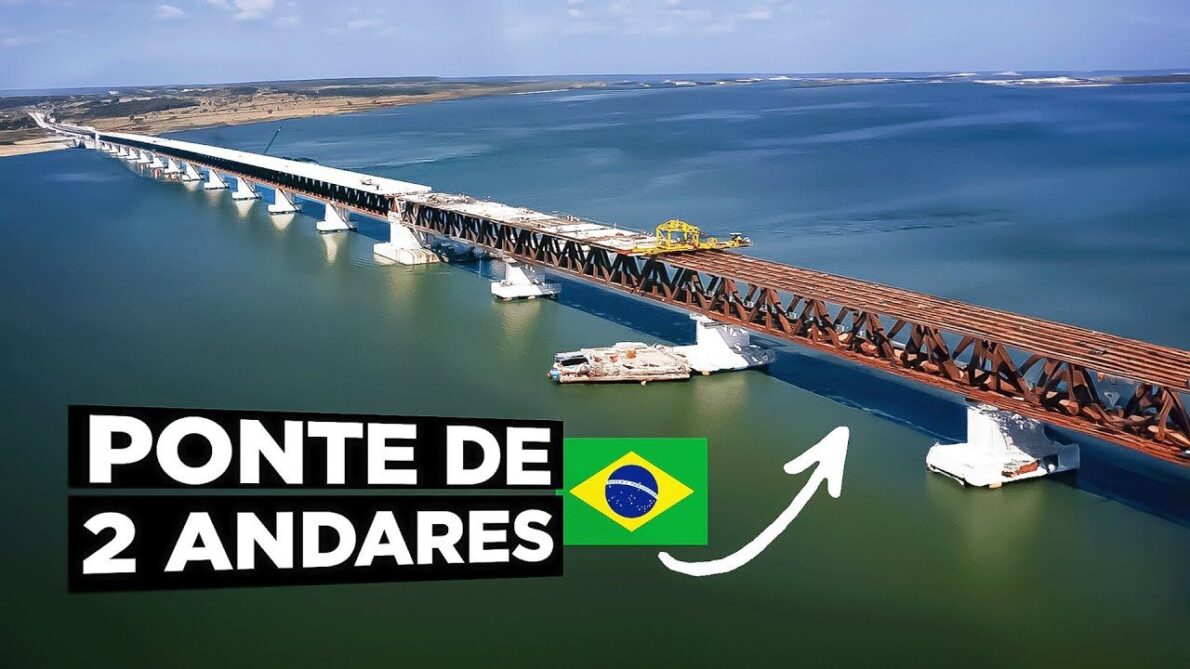


The Rollemberg-Vuolo Bridge, with over 3 km in length, connects São Paulo to Mato Grosso do Sul. Inaugurated in 1998, this monumental work facilitates the transport of vehicles and trains, reducing crossing time and promoting regional economic development.
The largest road-rail bridge in Brazil, the Rollemberg-Vuolo Bridge, is an impressive construction that connects the states of São Paulo and Mato Grosso do Sul. With over 3 km in length, this engineering work facilitates the transport of vehicles and trains, in addition to offering a stunning view over the Paraná River.
Inaugurated in May 1998, the bridge connects the cities of Rubineia, in São Paulo, and Aparecida do Taboado, in Mato Grosso do Sul. Let’s learn more about this incredible structure and its importance to the country.
Largest Road-Rail Bridge in Brazil


The Rollemberg-Vuolo Bridge is a true landmark of Brazilian engineering. With 3,700 meters in length, 26 meters in height, and 18 meters in width, it is the largest road-rail bridge in Brazil. The construction cost about R$ 50 million at the time, a value that, adjusted for today’s standards, exceeds R$ 4 billion.
-
Historic bankruptcy of Centauro shocks the market, and the century-old company puts more than 500,000 products, machines, and complete infrastructure up for online auction.

-
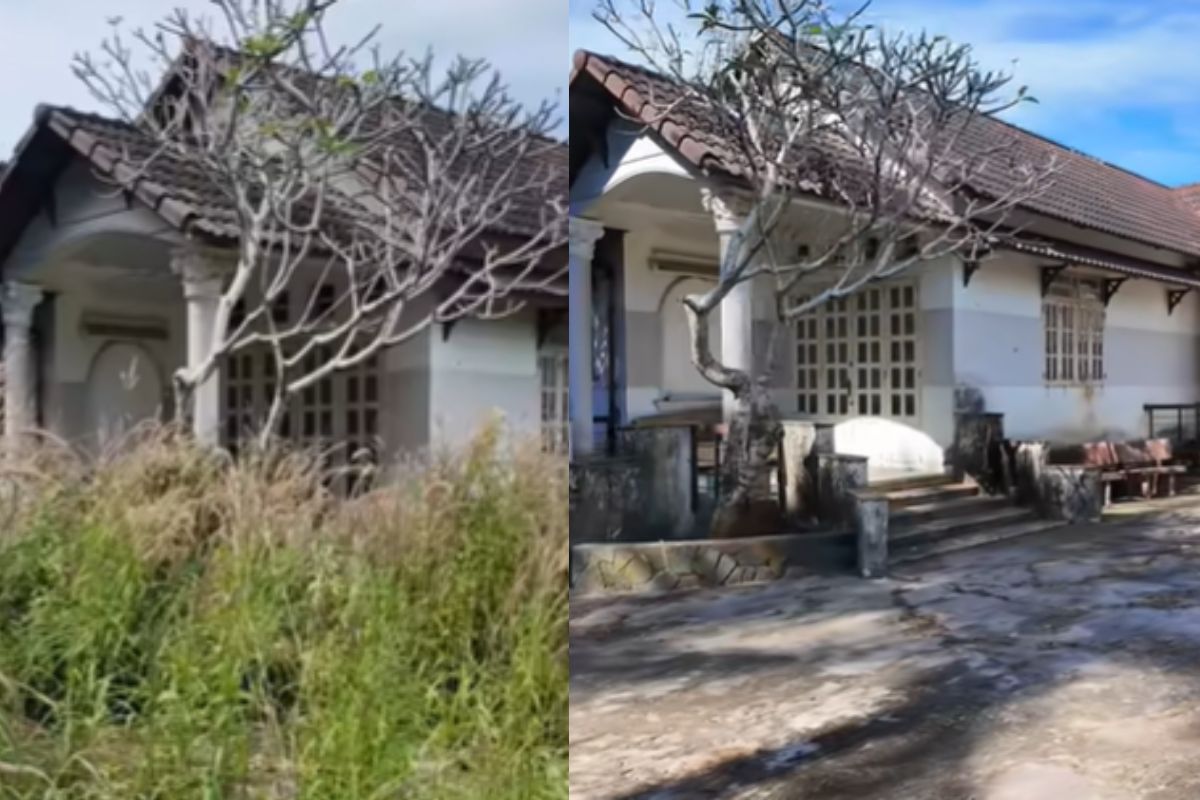
Abandoned house for 15 years disappears in the woods, shocks owner with unrecognizable scenery and is reborn in an intense transformation after almost 90 hours of work in just 10 days.
-
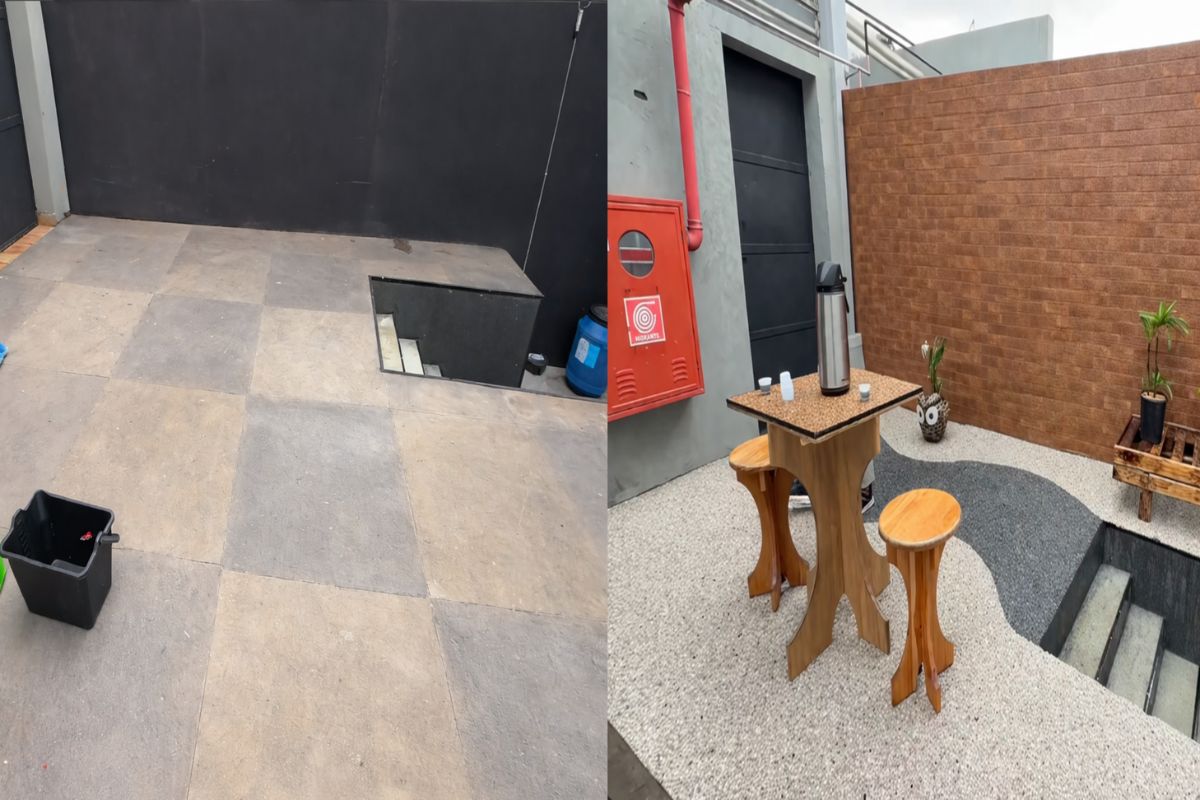
In just three hours, a natural stone floor transforms the entrance of the house with an organic effect, immediate drainage, and a sophisticated non-slip finish that doesn’t puddle water, dries quickly, and impresses with the final result.
-
‘Interlocking brick’ made of earth arrives in the construction industry with cost reductions of up to 40% on the project.

The bridge was designed to facilitate transport between São Paulo and Mato Grosso do Sul, reducing the crossing time from one hour to just five minutes. Before the bridge, the crossing was done by ferries, which depended on weather conditions.
Rollemberg-Vuolo Bridge Project Took Shape in 1901
The Rollemberg-Vuolo Bridge project took shape in 1901, when writer Euclides da Cunha suggested the construction of a bridge over the Paraná River. However, it was only in 1974 that federal deputy Vicente Vuolo presented a concrete project, which was only initiated in 1991 and completed in 1998.
The construction faced many challenges, such as the presence of rocks in the riverbed and strong winds. Advanced engineering techniques, such as the use of a hoisting platform imported from the Netherlands and storm alert systems, ensured the safety and stability of the work.
Rollemberg-Vuolo Bridge Has Two Levels
The Rollemberg-Vuolo Bridge has two levels: the lower one is designated for the railway, which is part of Ferronorte, while the upper one is a highway with four lanes. This versatility allows for the passage of cargo trains and road vehicles, making the bridge a crucial piece in the logistics and economic development of the region.
Today, the Rollemberg-Vuolo Bridge is not only a functional work but also a symbol of progress and innovation in Brazilian civil engineering. With impressive figures, such as the 100-meter spans and robust concrete pillars, it continues to be an attraction for visitors and an example of overcoming challenges in civil construction.
The largest road-rail bridge in Brazil, the Rollemberg-Vuolo Bridge, continues to play a vital role in connectivity between São Paulo and Mato Grosso do Sul, being a true icon of development and efficiency.









Maravilhas da Engenharia Brasileira.