





 Portuguese
  English
  Spanish
  3 min of reading
  0 comments



Itaú BBA Analysis Indicates That the Advance of the E-Commerce Giant in the Pharmaceutical Sector May Pressure Margins of the Retail Leader, but Also Open Space With the Exit of Smaller Competitors.
The entry of Mercado Livre into the Brazilian pharmacy sector represents a new and powerful competitive dynamic. According to an analysis by Itaú BBA, the e-commerce giant has the potential to redefine the retail of medications. The projection is alarming for traditional players: by 2030, the pharmaceutical category could account for 6.5% of the company’s gross merchandise volume (GMV), a move that raises a red flag for large established chains.
The Threat of E-Commerce to the Margins of the Pharmaceutical Giant
The advance of Mercado Livre directly threatens RD Saúde (RADL3), owner of Droga Raia and Drogasil. Analysts at Itaú BBA predict that the chain could face margin pressure of up to 200 basis points over the next three to five years. The primary cause would not be the direct loss of customers, but rather the inevitable need to reduce prices to remain competitive. This scenario is similar to what has already occurred in the personal care and beauty (HPC) segment with the increase in online competition.
OTC: The Strategic Entry Point for Mercado Livre
The most logical path for Mercado Livre is to start with over-the-counter (OTC) medications. This market, which moved US$ 8.5 billion in 2024, already has an online penetration of 26% in Brazil. The attractive margins, close to 35%, make this category a perfect target. If the online channel reaches 35% market share by 2030 and Mercado Livre maintains its share of 42%, its GMV in OTC could reach US$ 2 billion.
-
Mothers and daughters come together, create an ‘express’ beauty salon and turn the idea into a network with 21 units, revenue of R$ 16.7 million and 12,000 subscribers.

-
End of the 6×1 schedule: how the reduction of hours can affect service companies, industry, and agribusiness.

-
Brazil Ignores Trump’s threats to BRICS, Buys 42 tons of gold and reduces the Dollar’s share by 6.45% in international reserves.

-
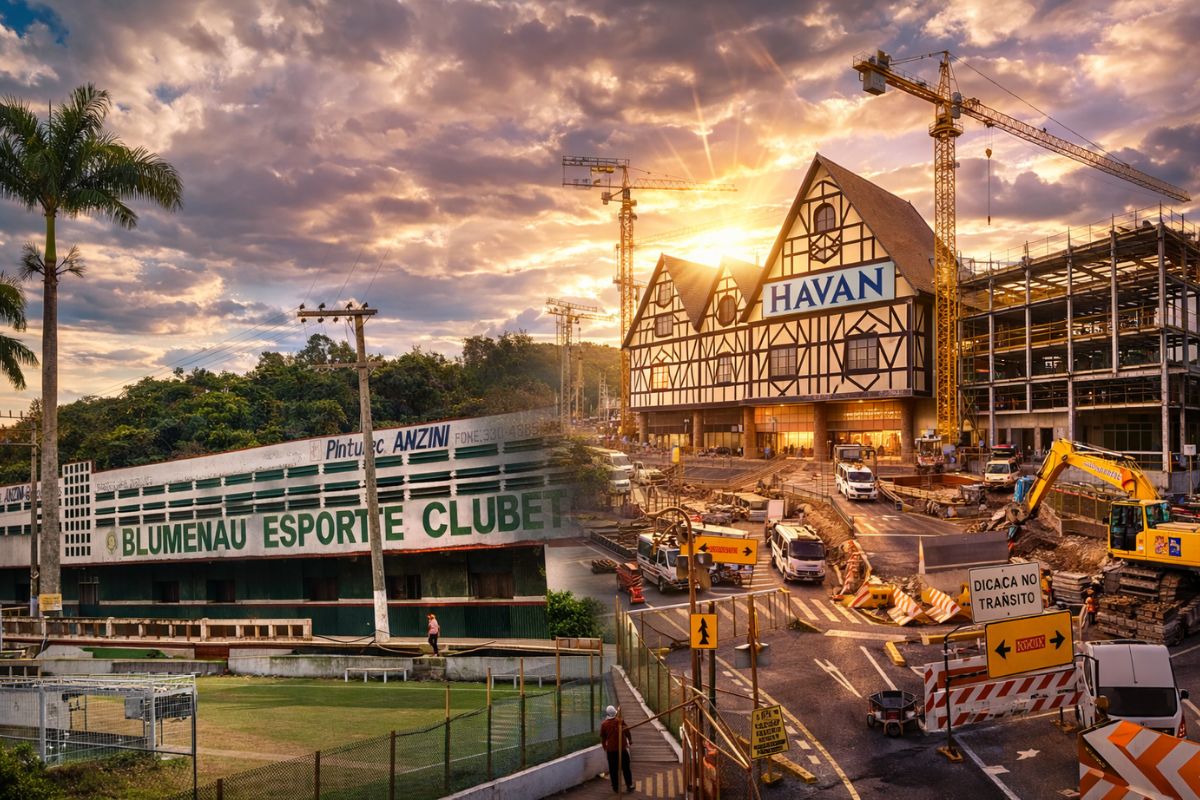
Havan buys historic football land in Blumenau for a million-dollar amount protected by a confidentiality clause and is already planning to change even the layout of streets to build a megastore in half-timbered style costing 80 million reais.

The Challenge of Prescription Medications and the Focus on Chronic Use
The prescription medication market (Rx) is larger, generating US$ 18.5 billion in 2024, but it is also much more complex. Sales require prescriptions, retention of documents, and sophisticated logistics. The expectation is that Mercado Livre will focus on chronic use medications, which account for 55% to 60% of the Rx market, as their customers are more price-sensitive. In contrast, the convenience of physical pharmacies is likely to prevail for acute use medications.
The Direct Impact on RD’s Accounts and Competitive Pressure
For Raia Drogasil, the pressure on OTC and Rx prices could mean a reduction of up to 2 percentage points in gross margin. Currently, OTCs account for 11% of the chain’s revenue and Rx for 54%. If the impact on the hygiene and beauty sector is also considered, the total effect on the gross margin of 27.3% could reach 3.3 percentage points.
The Hidden Opportunity: Independent Pharmacies in the Crosshairs
Despite the pressure, RD Saúde may find a way to offset the losses. Itaú BBA projects that independent pharmacies will be the most affected by the advance of Mercado Livre in pharmacies. This group, which generated R$ 35 billion in 2024 (17% of the sector), operates with low margins and much lower productivity. The forecast is that between 25% and 45% of these pharmacies may exit the market, opening space for RD to capture part of this revenue, just as it did in the past when it absorbed more than half of the share lost by independents since 2014.






-

Uma pessoa reagiu a isso.