





 Portuguese
  English
  Spanish
  4 min of reading
  0 comments


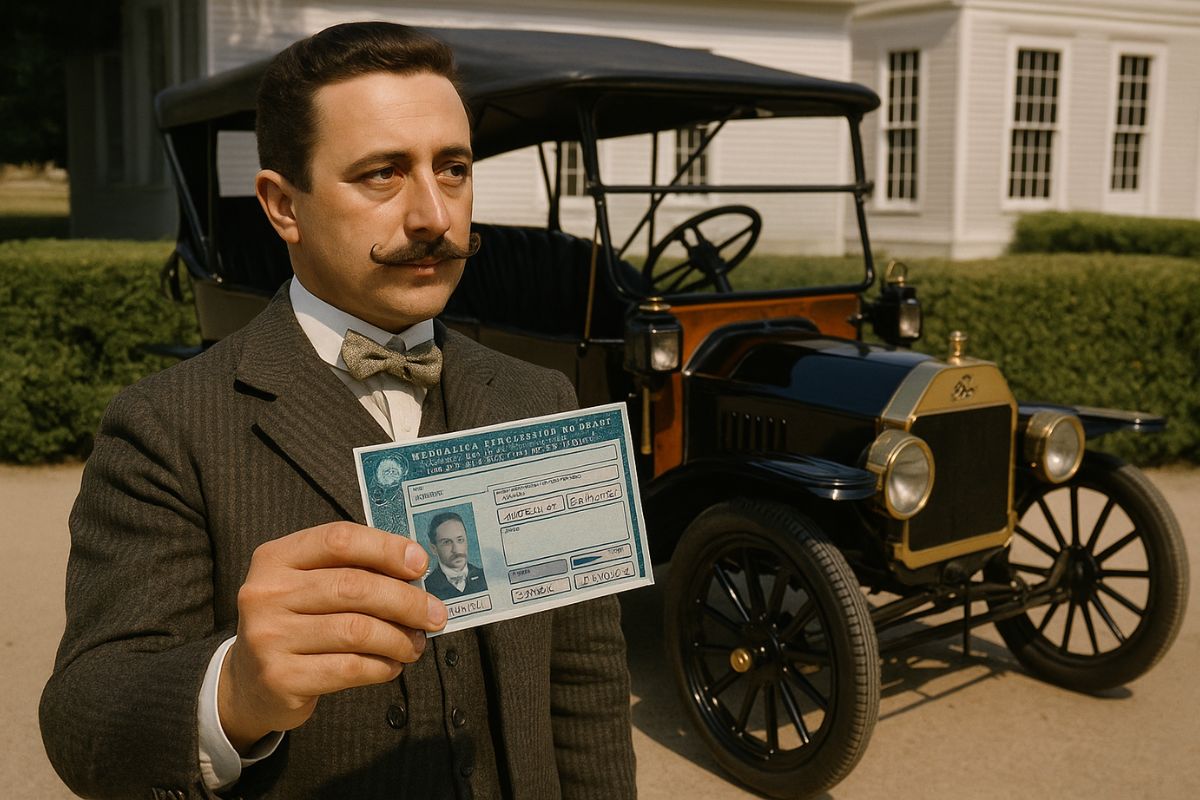
The Industrialist Menotti Falchi Was the First Person to Obtain a Driver’s License in Brazil, in 1904, and Socialites Virginia Lowndes and Maria Andréa Patureau de Oliveira, in 1906, Were the Pioneers to Obtain a Driving License, at a Time When the Document Was Municipal and the Automobile a Symbol of Power.
The story of the first person to obtain a driver’s license in Brazil takes us back in time to the early 20th century. It was an era of great transformations, when automobiles hit the cobblestone streets as symbols of modernity and status, sharing space with streetcars and horse-drawn carts.
At that time, there was no way to buy a license as we know it today. What existed was a “chauffeur’s license”, a municipal document that certified the skill of a few privileged individuals. The story of these pioneers is a portrait of the elite who embraced modernity and the rivalry between Rio de Janeiro and São Paulo to see who would lead progress in the country.
The Scenario of the Brazilian Belle Époque: The Car Arrives in the Streets (1891-1903)
The history of the automobile in Brazil officially begins in 1891, when inventor Alberto Santos Dumont imported from France the first vehicle with an internal combustion engine, a Peugeot Type 3. At that time, the car was an extreme luxury item, accessible only to a tiny elite.
-
Spain surprises the world by erecting 62 artificial dunes, mixing sand with natural remains of posidonia, and causing the structure to lose only 1.4% of its volume in 1 year.

-
With 16 Bulava missiles, improvements in acoustic stealth, and a design focused on silent patrols, Russia’s nuclear submarine was born to ensure Moscow’s invisible retaliation and has become one of the pillars of its maritime strength.

-
‘Populous’ city in Rio among the worst in Brazil in national ranking and exposes silent development crisis.
-
Couple buys house in the South Zone of São Paulo, opens a hidden door in the garage, and finds a secret wine cellar with dozens of old wines forgotten since the 1970s.

In the early years of the 20th century, with Brazil experiencing its Belle Époque, the automobile became a powerful status symbol for the new industrial and coffee elite. Not surprisingly, the first registered license plate in the city of São Paulo, in 1903, belonged to the vehicle of Count Francisco Matarazzo, one of the country’s largest industrialists. During this period, there was no national traffic legislation, and each municipality created its own rules to control the circulation of these new and noisy vehicles.
The First Licensed Driver of São Paulo: The Industrialist Menotti Falchi in 1904
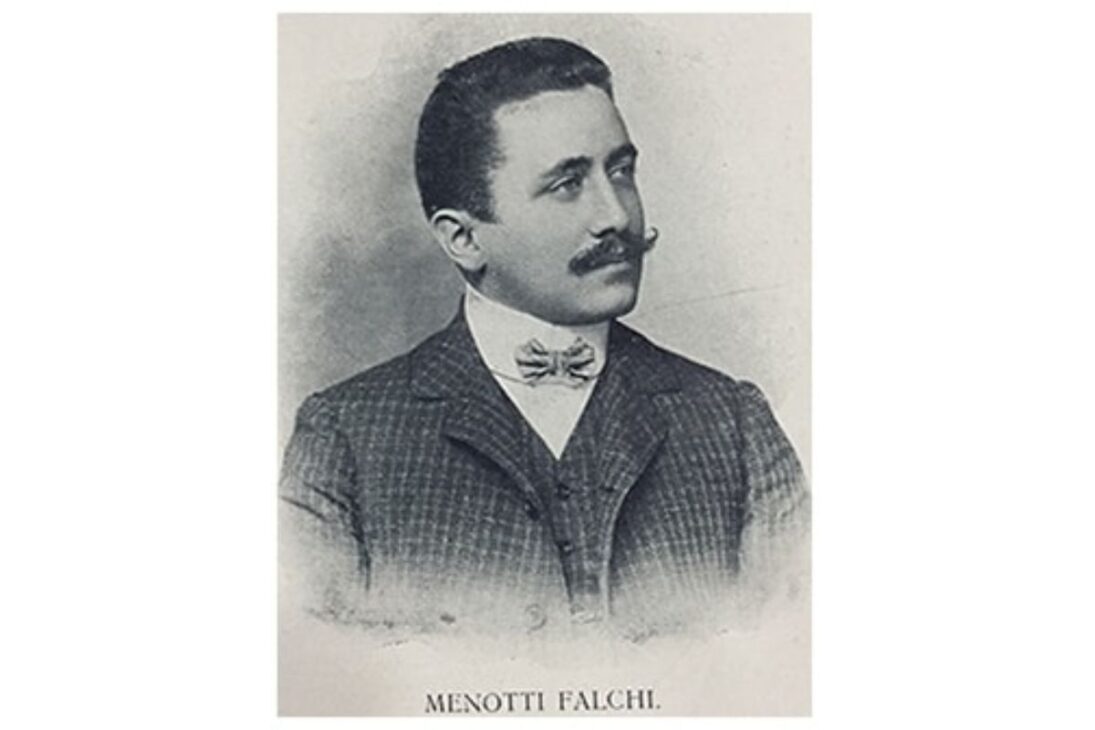
With the increase in the number of cars, the City Hall of São Paulo instituted, through a municipal law in 1904, the “examination for drivers”. Historical sources confirm that, that same year, the first “driver’s license” in the city was issued to Menotti Falchi.
Falchi was a prominent figure in São Paulo society. A member of an important family of Italian immigrants, he was the owner of the famous Falchi Chocolate Factory, founded in 1885. Besides being an industrialist, he was an active figure in the community, having served as president of Palestra Italia (which would become Palmeiras) and one of the founders of Hospital Umberto I, Hospital Matarazzo. Being the first citizen officially licensed to drive was a demonstration of the power and modernity of the new industrial elite shaping São Paulo.
The Dispute for the First Woman Behind the Wheel: Rio vs. São Paulo in 1906
The story of the first woman licensed in Brazil reflects the fierce cultural rivalry between Rio de Janeiro and São Paulo. In early 1906, newspapers from the federal capital, Rio de Janeiro, prominently reported that socialite Virginia Lowndes had become the country’s first “chauffeuse” (the feminine term for driver at that time), after passing the local vehicle inspection exam.
The carioca primacy, however, was immediately contested. A few days later, the São Paulo newspaper “Diário Popular” published an article claiming pioneering rights for São Paulo. The newspaper stated that Maria Andréa Patureau de Oliveira had obtained her license in March 1906. There is no historical consensus that resolves the dispute, but the episode illustrates how the two cities competed for the status of vanguard and modernity at the dawn of the Republic.
The Long Road to the Driver’s License: The Evolution of the Document (1941-1997)
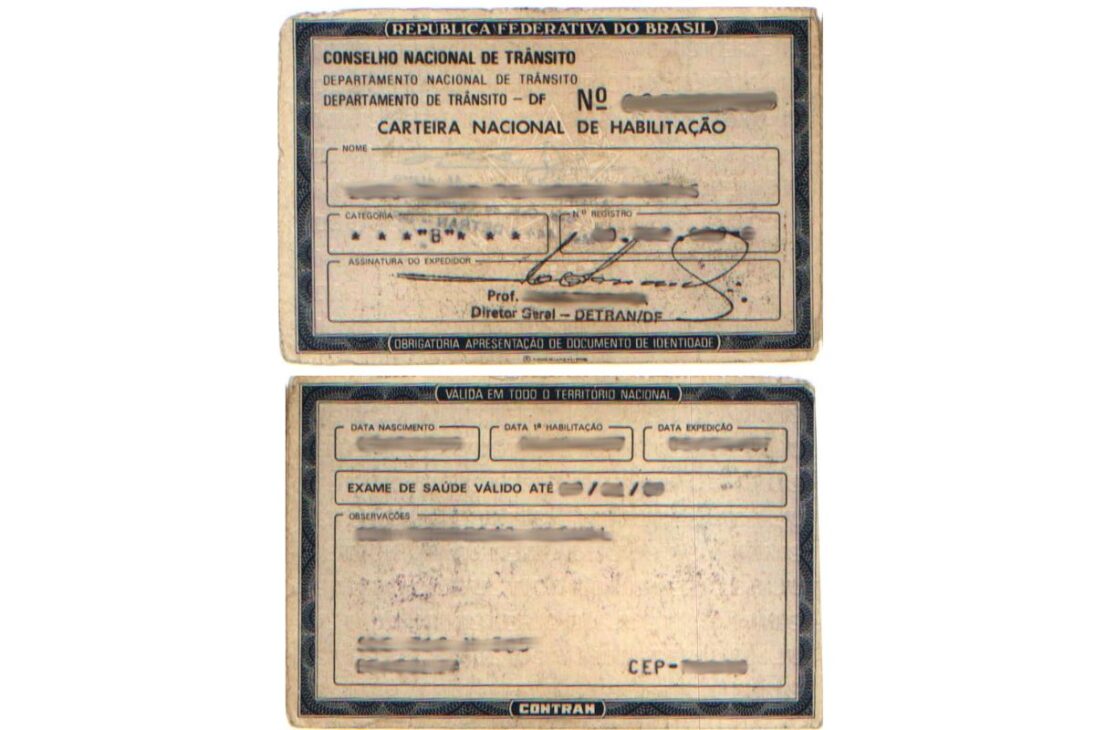
The document that these pioneers received was far from being the driver’s license we have today. The unification of traffic legislation only began to take place more seriously during the Vargas Era, with the first National Traffic Code, instituted in 1941.
The name “National Driver’s License (CNH)” was officially created in 1966, with a new code. A curious fact is that, starting in 1981, the document (then called PGU) began to be issued without the driver’s photo, requiring the presentation of an ID for it to be valid. The driver’s license as we know it today, with a photo and valid as an identification document throughout the national territory, only emerged with the Brazilian Traffic Code of 1997, which came into effect in 1998.
The Verdict of the Facts: Who Were the True Pioneers?
Historical analysis confirms that Menotti Falchi was the first man to receive a license to drive in São Paulo, in 1904. As for the title of first person to obtain a driver’s license in Brazil, in the female category, is disputed. It is more accurate to say that Virginia Lowndes (in Rio) and Maria Andréa Patureau de Oliveira (in São Paulo) were the pioneers who, in 1906, paved the way for women behind the wheel, each in their respective capital.








-

-

-

-

-

-

74 pessoas reagiram a isso.