





 Portuguese
  English
  Spanish
  3 min of reading
  0 comments


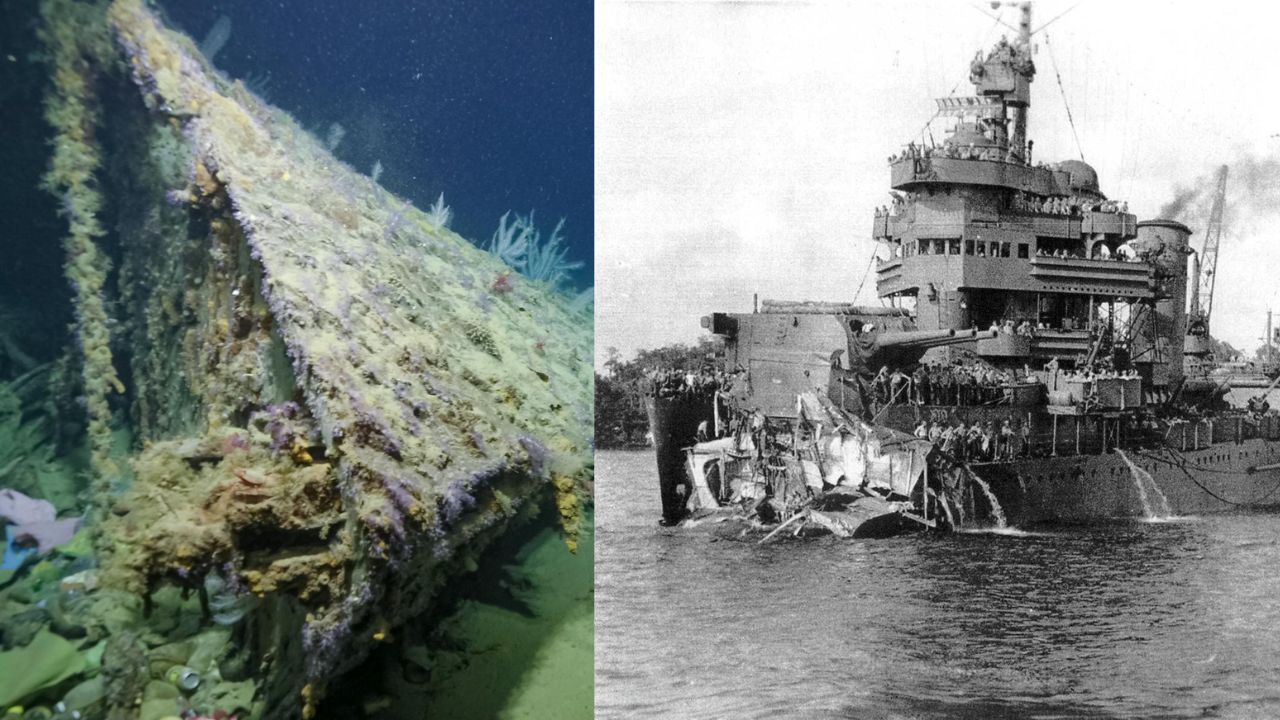
Wrecks of USS New Orleans, Located in the Pacific Ocean, Reveal an Incredible Story of Survival, Improvisation, and Crew Courage.
The lost bow of the American cruiser USS New Orleans was found at a depth of 2,215 feet in the Pacific Ocean. The discovery occurred more than 80 years after the ship’s bow was torn off during a battle in World War II. The find, made in the Solomon Islands, brings to light the story of a crew that used coconut logs to improvise a new bow and sail backward for nearly 3,000 kilometers to save themselves.
The Impact of the Torpedo at the Battle of Tassafaronga
On November 30, 1942, the USS New Orleans faced Japanese naval forces. The Battle of Tassafaronga was a brutal night confrontation. During the fight, a Japanese torpedo hit the American ship on the port side.
The impact caused a massive explosion in the forward ammunition stores. The force of the detonation violently ripped the bow off the ship, which corresponded to nearly 20% of its total length. More than 180 of the approximately 900 crew members died in the attack.
-
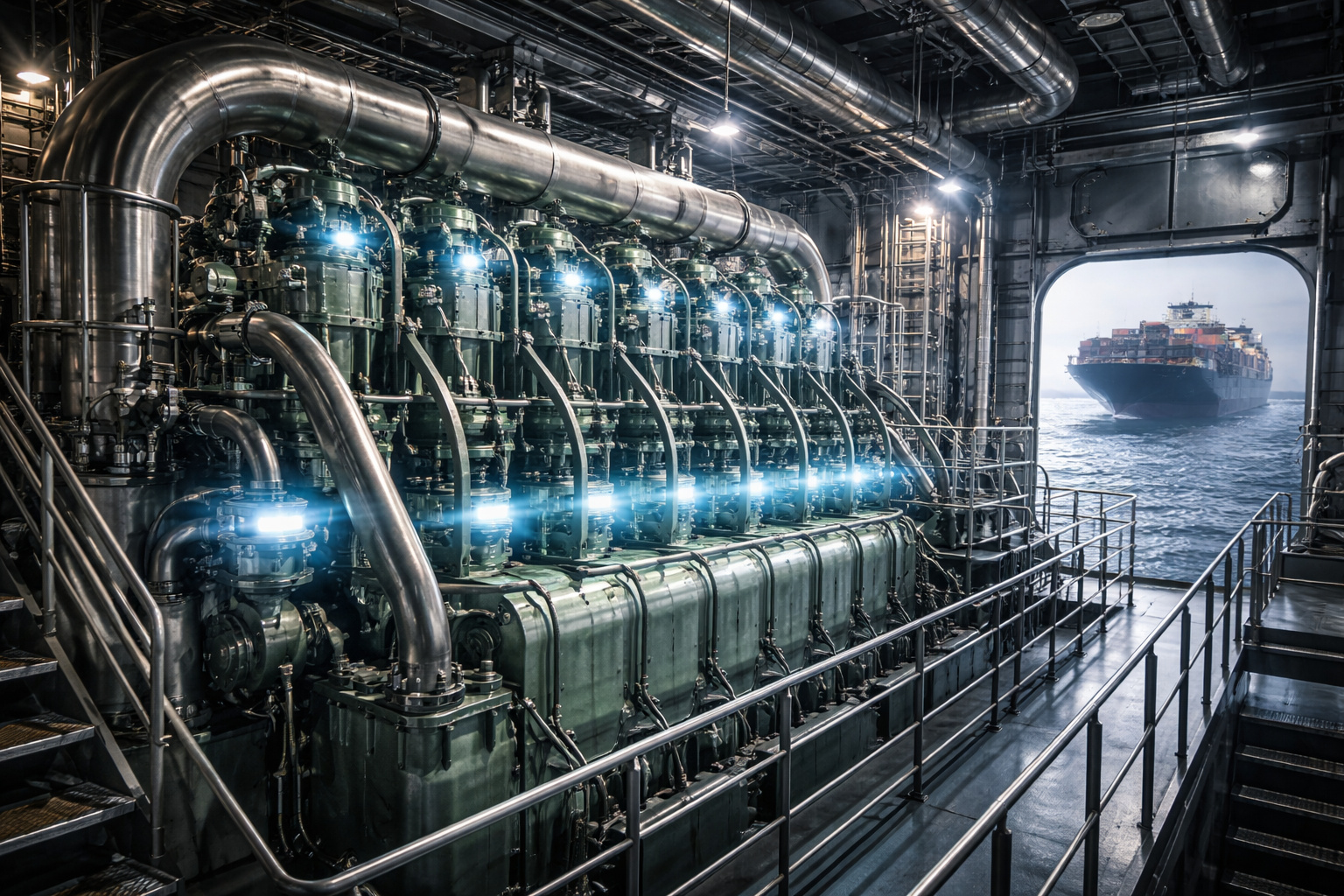
Europe is trying to create an ammonia-powered marine engine without auxiliary fuel, which could unlock the race for giant emission-free ships. The technology aims to eliminate one of the biggest obstacles to clean maritime propulsion.
-
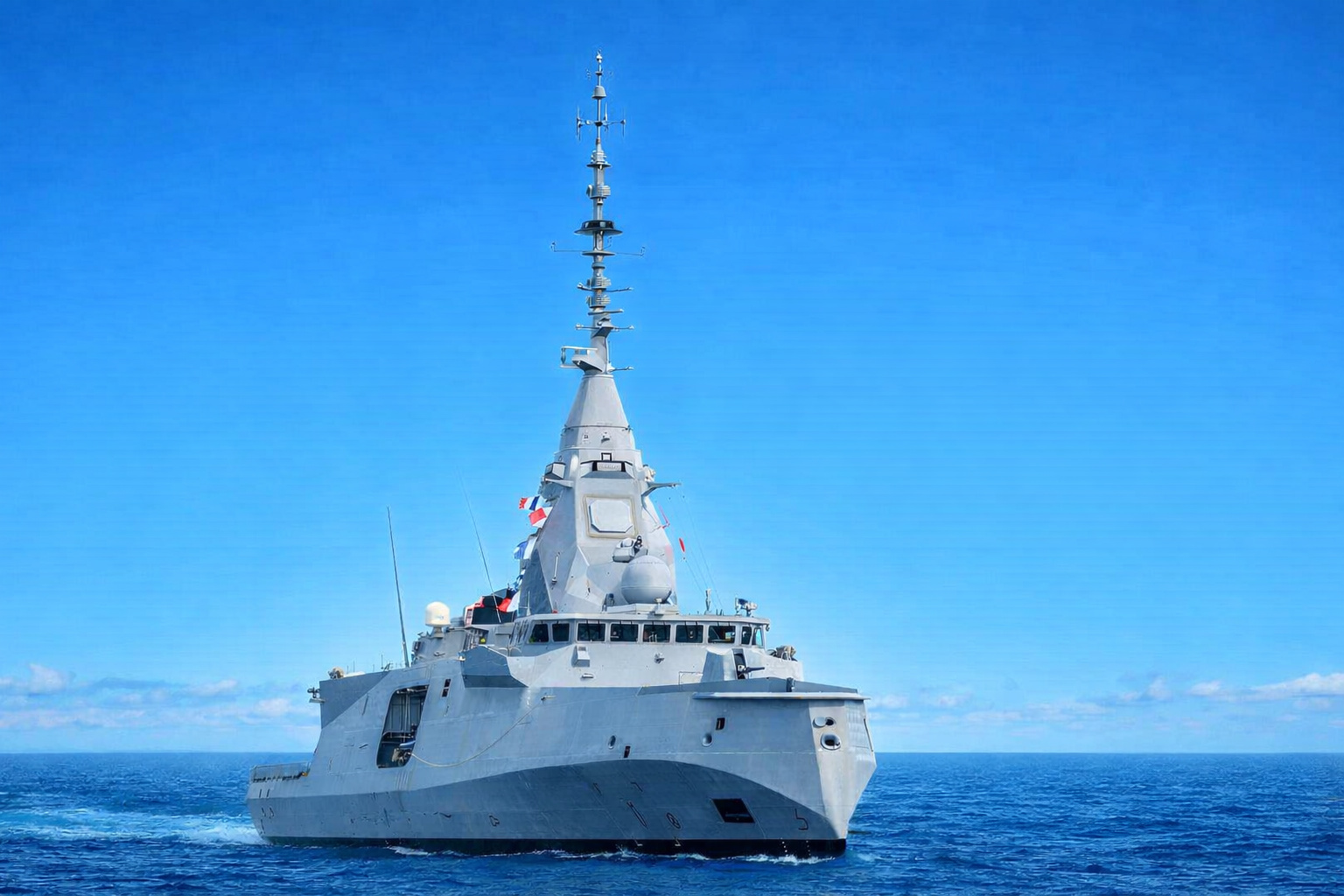
A 4,500-ton frigate with just over 100 crew members, state-of-the-art radar, and cruise missiles is being touted as the new standard of naval warfare in the 21st century.
-
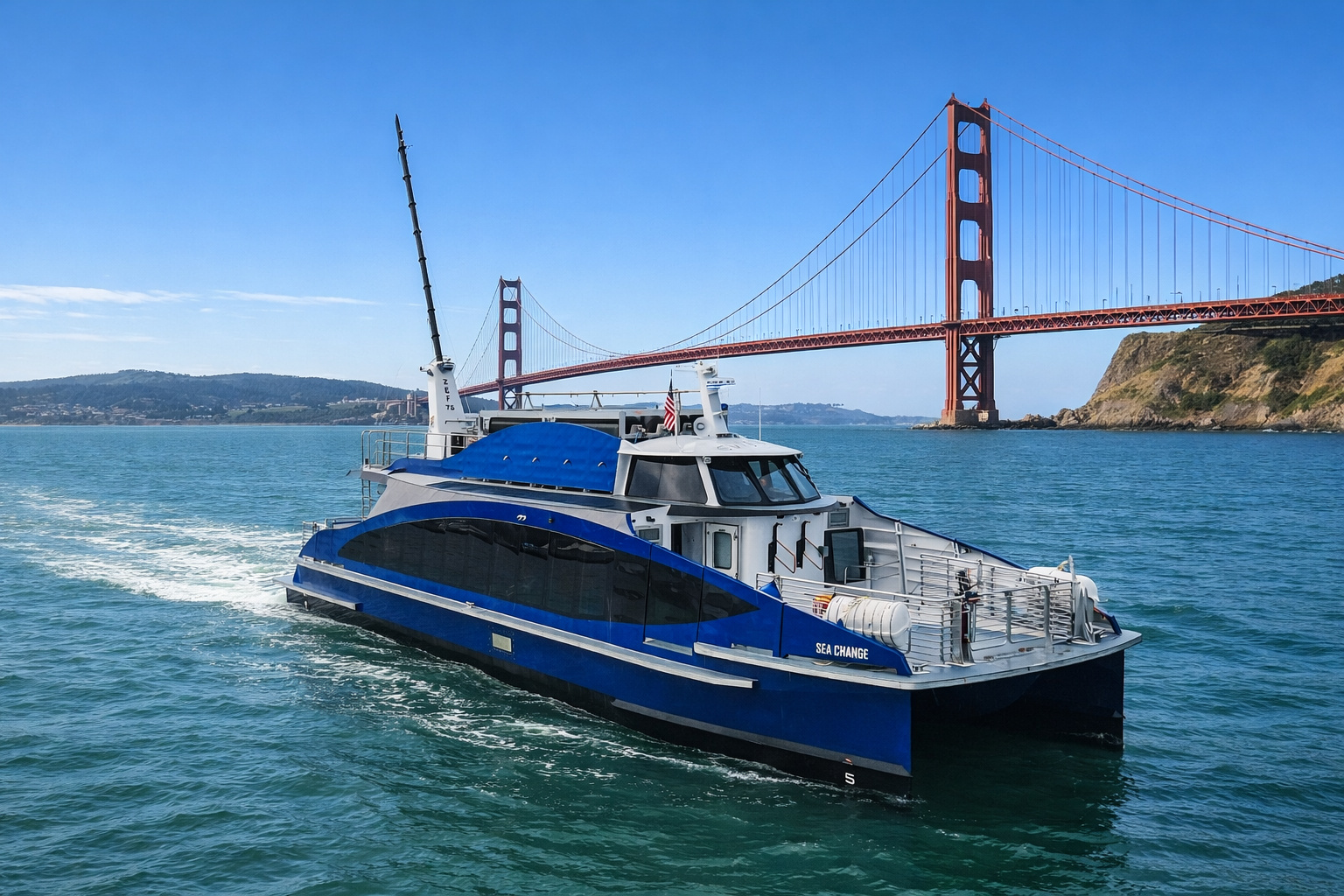
The first commercial hydrogen-powered ferry enters operation in the U.S., eliminates the use of diesel, uses fuel cells to generate clean energy on board, and transforms San Francisco Bay into a landmark of the new era of emission-free navigation.
-
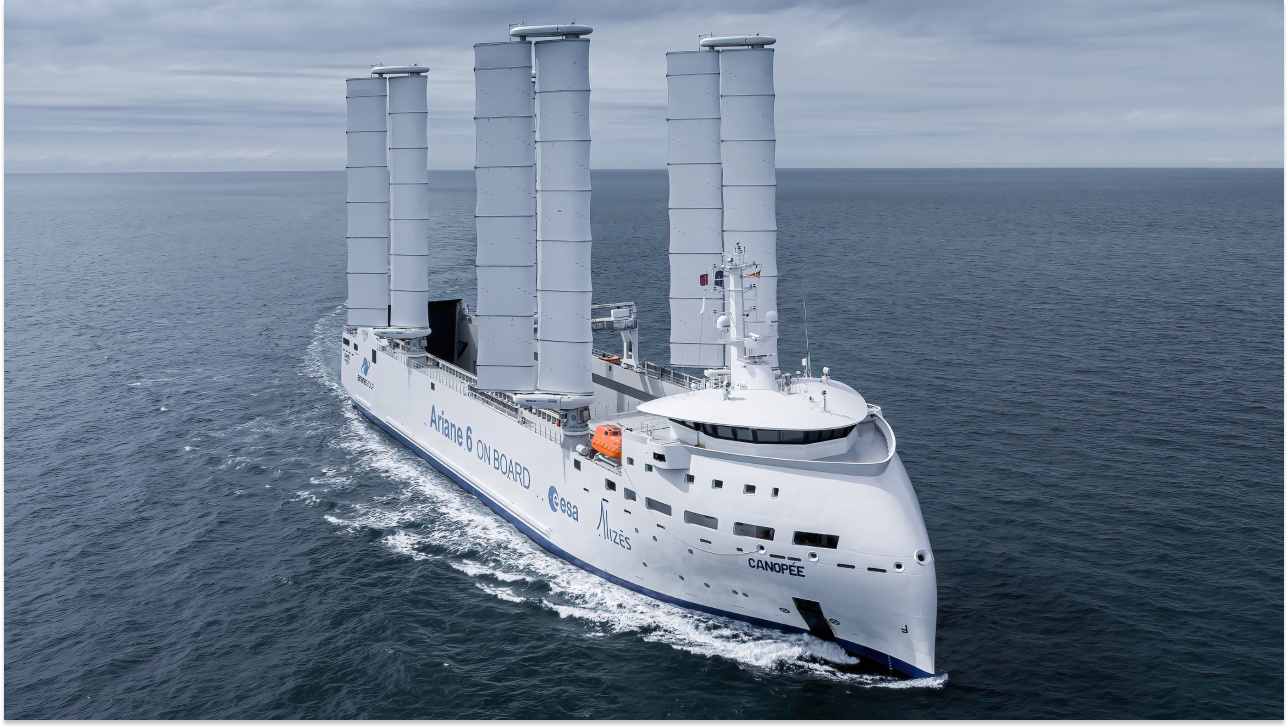
With a length of 121 meters and four rigid sails of 36 meters that automatically rotate to capture the wind, Canopée is the world’s first hybrid industrial cargo ship powered by wind, used to transport rockets and reduce fuel consumption by up to 30% on transoceanic routes.

The Coconut Log Bow and the Reverse Journey
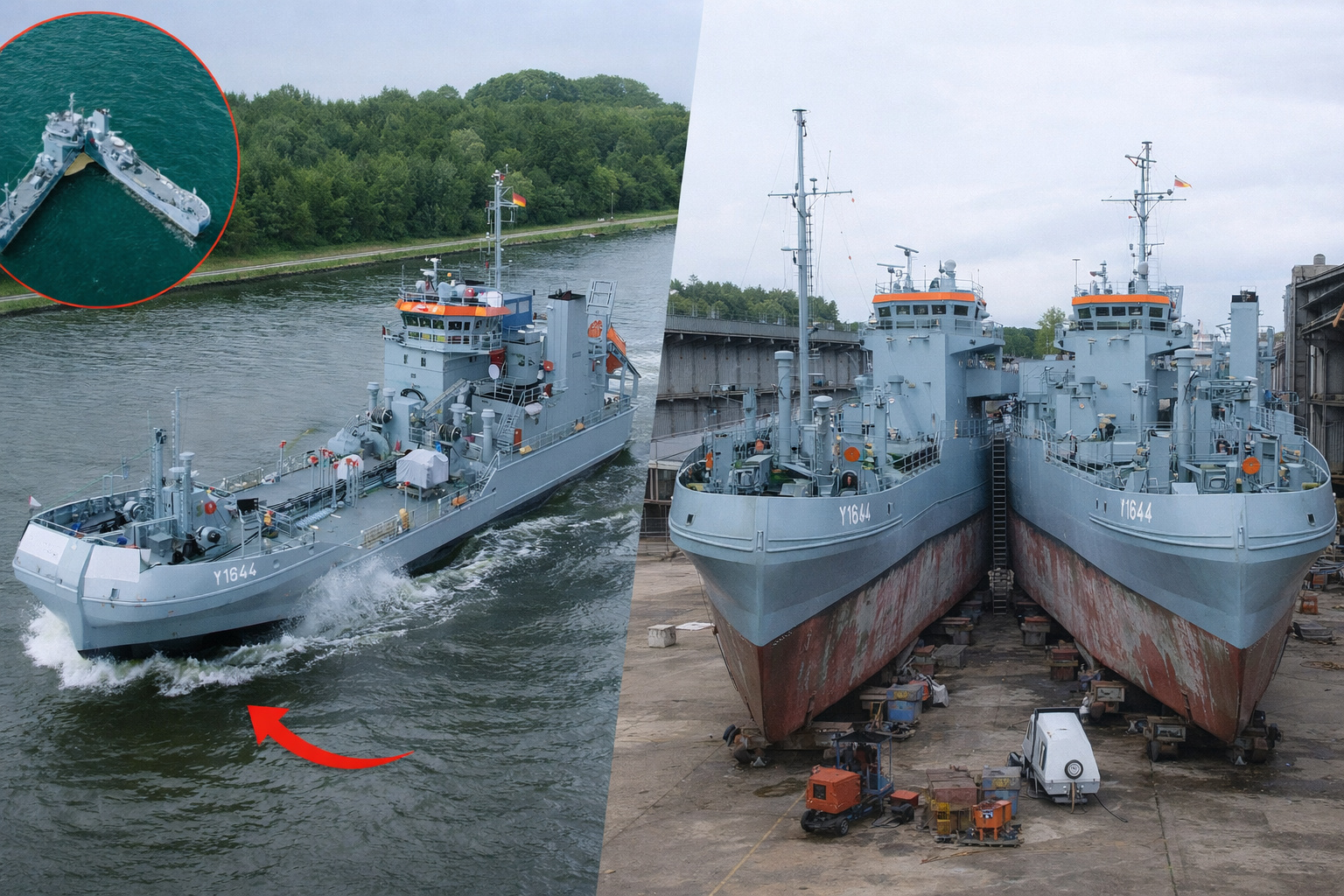
Despite the devastating damage, the remaining crew kept the cruiser afloat. The ship was taken to Tulagi Island, where the sailors performed emergency repairs. They used jungle materials to improvise a temporary bow with coconut logs. The vessel was also camouflaged to protect it from air attacks.
With no other option, the USS New Orleans began a 2,900-kilometer journey in reverse. Navigating forward would flood the ship. Maneuvering a warship backward was a nearly impossible task, as the stern was not designed to cut through waves, complicating the use of the rudders and propellers. The crew had to adapt quickly to keep the ship stable and on course.
The Discovery of the Lost Bow in “Iron Bottom Sound”
The ship’s bow was located by a Nautilus Live expedition team. The mission involved NOAA Ocean Exploration and other research institutions. The discovery occurred during a 21-day survey in “Iron Bottom Sound”, a name given by sailors due to the large number of ships sunk in the area in 1942.
The confirmation of the wreck was achieved using remotely operated underwater vehicles. The team analyzed the structure’s features, the paint, and details of the anchor to verify that it was the lost part of the USS New Orleans. More than 111 warships were lost in the region, but fewer than 100 have been located to date.
The Legacy of Courage and the Return of USS New Orleans to Combat
The discovery of the ship’s bow helps to understand an important moment in naval history. Against all odds, the New Orleans made it to Australia. There, it received more adequate repairs before heading to a shipyard in the United States for a complete restoration.
After being fully rebuilt, the cruiser returned to battle. It fought in major campaigns in the Pacific, such as Saipan and Okinawa, and earned 17 battle stars during the war. This lost bow symbolizes survival in extreme circumstances and honors the courage, ingenuity, and memory of the sailors who did not return.








Seja o primeiro a reagir!