





 Portuguese
  English
  Spanish
  3 min of reading
  0 comments


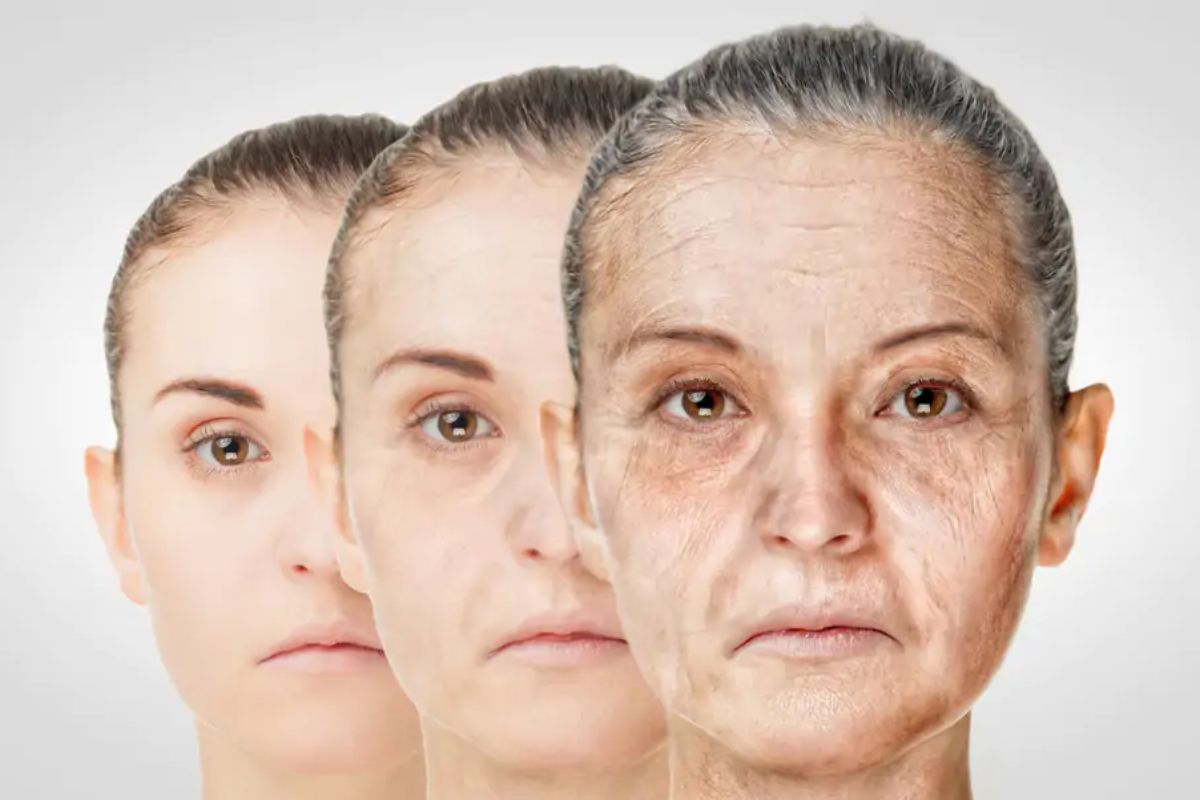
The Search for Ultra-Long Life Advances with Cell Reprogramming, a Technique That Promises to Reverse Aging and That Is Already Showing Results in the Laboratory, According to Researchers From Harvard and the University of Birmingham.
According to an article published by the news portal IGN Brazil, the quest for an extremely long life may be closer to reality than we imagine, and the key may not lie in a fountain of youth, but in our own genetic code. Imagine a future where the biology of humans can be “reset,” reversing the damage of time. For some of the world’s leading scientists, this is not a science fiction idea but a tangible goal.
The missing piece for humans to live for over a thousand years is complete mastery of a revolutionary technique: cell reprogramming. If aging is a program, they argue, then it can be hacked. This line of research advocates that aging is not an inevitable consequence, but rather a “disease” that can be treated and even cured.
The Key to Reversing Aging in Humans
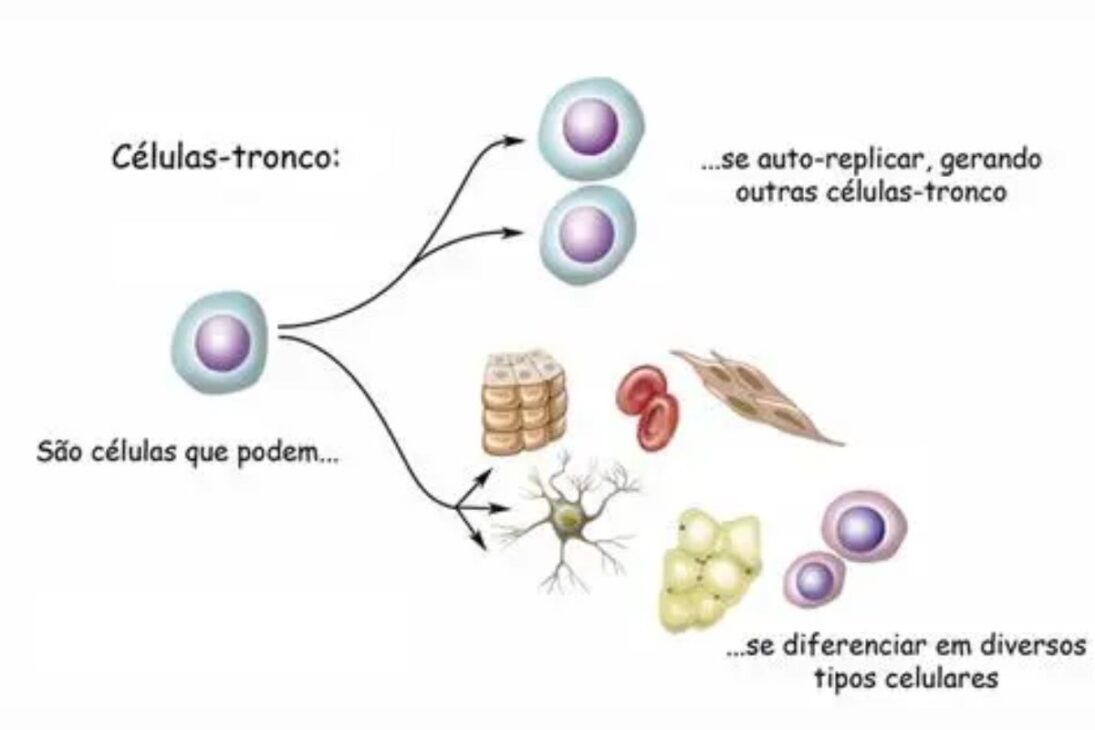
The central concept behind super longevity is cell reprogramming. It is a process that seeks to reverse the biological clock of cells, transforming adult and aged cells into a younger and pluripotent state, similar to that of stem cells. The basis of this theory is epigenetic information, which works like software that tells our genes how to operate. Over time, this information gets corrupted, leading to aging.
-
They were going to build a highway, but they ended up finding in the Czech Republic an entire Celtic city buried for more than 2,000 years, with hundreds of gold and silver coins, precious amber, and one of the largest archaeological treasures ever discovered.

-
Archaeologists find lost medieval city in Poland with a central square, cemetery, forge, and more than 500 buried artifacts.

-
A massive warm air mass stretched from Brazil to near Antarctica and caused something that almost never happens: lightning and thunderstorms in Ushuaia, in the Falkland Islands, and in the South Georgia Islands.

-
Larger than a football field, with a wingspan of 117 meters, six Boeing 747 engines, and a capacity of 250 tons, the Stratolaunch Roc turns the sky into a gigantic hypersonic launch ramp and accelerates the way the U.S. tests weapons from Mach 5 to Mach 10.


The discovery of the so-called “Yamanaka factors” in 2012, which earned a Nobel Prize for Shinya Yamanaka, was the starting point. These specific genes, when expressed, can convert adult cells into stem cells. More recently, in studies published in journals such as Aging, researchers from Harvard demonstrated that it is possible to achieve a similar result using chemical cocktails, a more accessible alternative than gene therapy.
Who Are the Scientists Leading This Revolution?
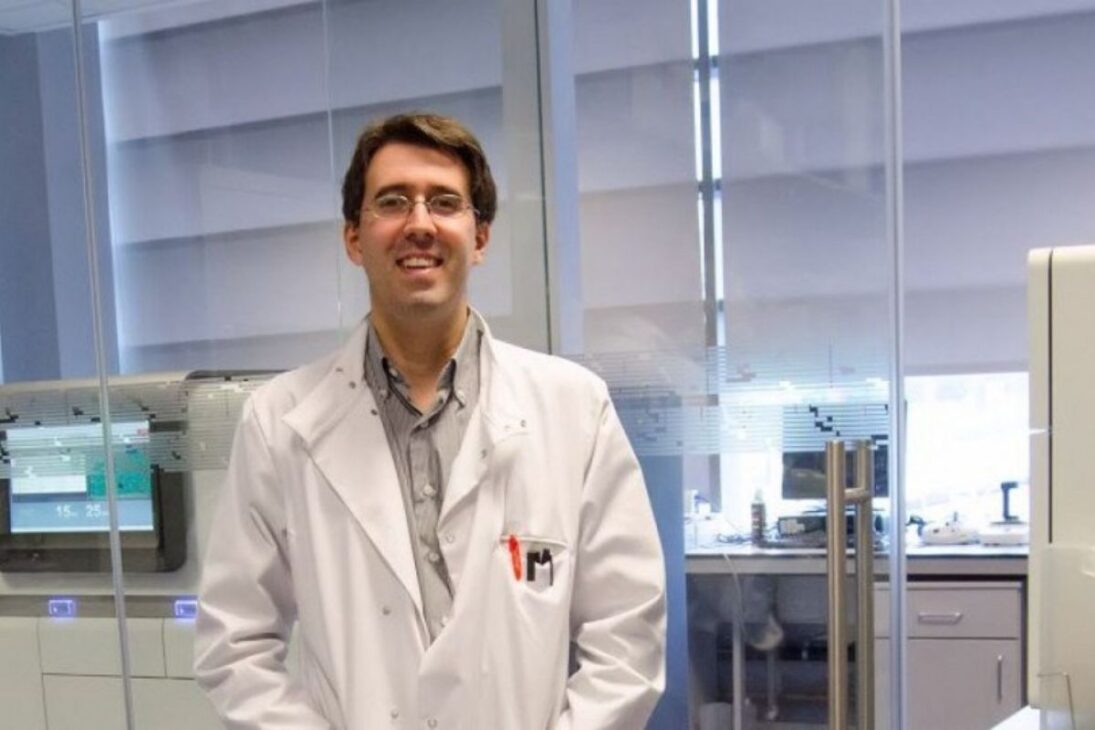
Two names stand out in this field. One of them is João Pedro de Magalhães, a professor of molecular biology at the University of Birmingham in the United Kingdom. Magalhães studies the genomes of long-living animals, such as the bowhead whale, to understand their DNA repair mechanisms and apply them to humans. He believes that by mastering cell reprogramming, we can not only extend life but halt the aging process completely.
Another pioneer is Dr. David Sinclair from the Harvard Medical School. Sinclair compares aging to a scratched CD, where the epigenetic information gets lost. His lab managed, in a 2023 study, to reverse aging in human cells “in less than a week” using the mentioned chemical cocktails, without the need for gene therapy.
What Science Has Achieved, From Mice to Restored Vision
The promises of this technology are already seen in the laboratory. David Sinclair’s team was able to reverse aging and restore vision in old mice. By reprogramming the optic nerve cells, age-blind animals regained their sight.
Research with chemical cocktails has also shown promising results in brain, kidney, and muscle tissues of animals, resulting in increased lifespan and health. These experiments are proof of concept that the biological age of a complex organism can be controlled and reversed.
The Future of Human Longevity
While the prospect of living over a thousand years is exciting, the road ahead is still long. The main challenge is to translate these laboratory results into safe and effective treatments in humans. Cell reprogramming needs to be controlled to prevent tumor formation, such as cancer.
Scientists predict that, with advancements in research, the first therapies may emerge to treat age-related diseases, such as vision loss or neurodegenerative conditions. From there, the goal would be a rejuvenation of the entire body, making extreme longevity a real possibility for future generations.








Seja o primeiro a reagir!