





 Portuguese
  English
  Spanish
  9 min of reading
  0 comments


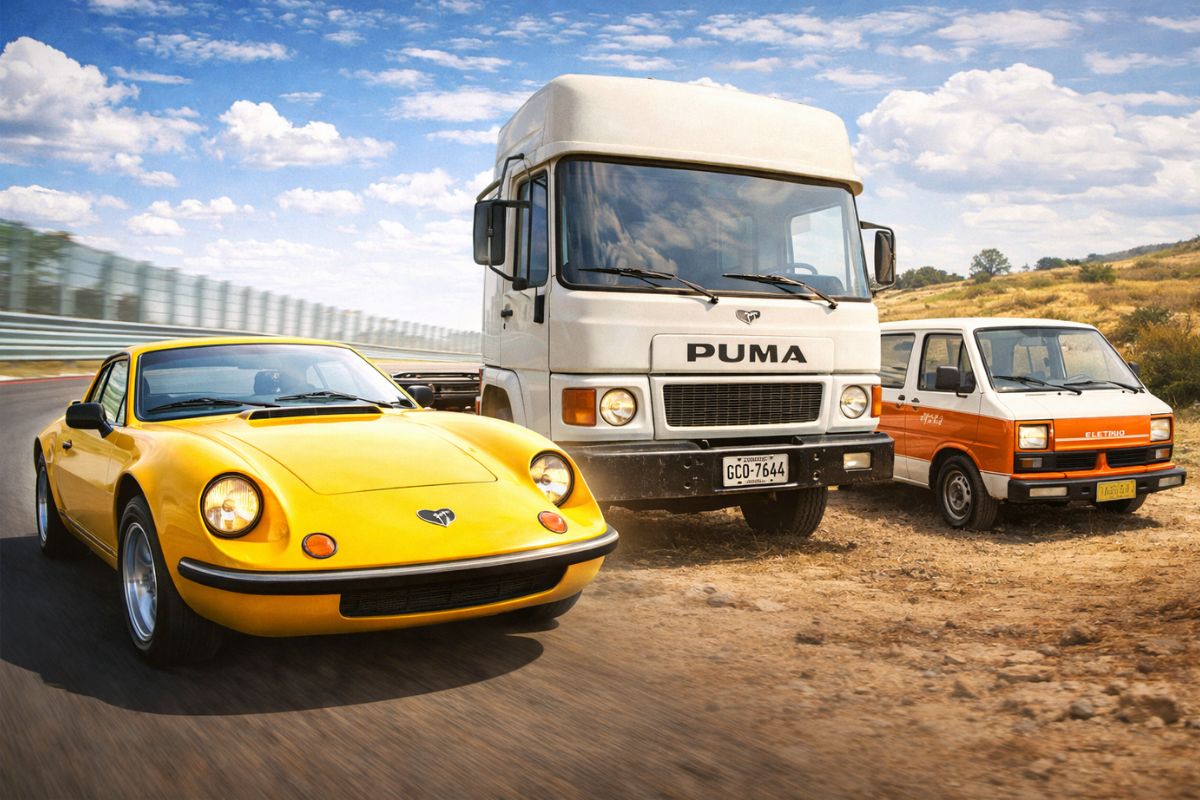
The Brand That Started on the Tracks with Fiber Sports Cars, Created Trucks with Cabins That Don’t Rust, Risked an Electric Utility in the 80s and Ended Up Disappearing from Brazilian Streets.
The name Puma today evokes sportswear, soccer shoes, and sponsorships in stadiums. But behind this modern association lies an incredible story, almost forgotten, of a fully Brazilian Puma that didn’t sell sneakers or t-shirts, but rather sports cars, trucks, and even an electric utility long before it became fashionable. While the global brand gained traction in wardrobes, our Puma was building its own legend in workshops, racetracks, and the yards of large companies across the country.
This incredible story begins with a lawyer who preferred the workshop over the courthouse, goes through a handcrafted sports car that humiliated imported rivals, features trucks with fiberglass cabins that don’t rust, includes an electric prototype running in Curitiba in the 80s, and ends in silence, with the brand reappearing and disappearing again decades later. It’s a journey full of twists that shows how Brazil went much further than many people imagine when it comes to independent automotive industry.
The Lawyer Who Swapped the Courthouse for the Tracks
When someone mentions Puma, almost everyone thinks of the clothing brand, the feline jumping on the shirts, and the rivalry with sports giants.
-
With 10 billion tons of salt, the Salar de Uyuni in Bolivia forms the largest salt desert on the planet, turns into a “giant mirror” visible even from space, and holds one of the largest lithium reserves in the world.

-
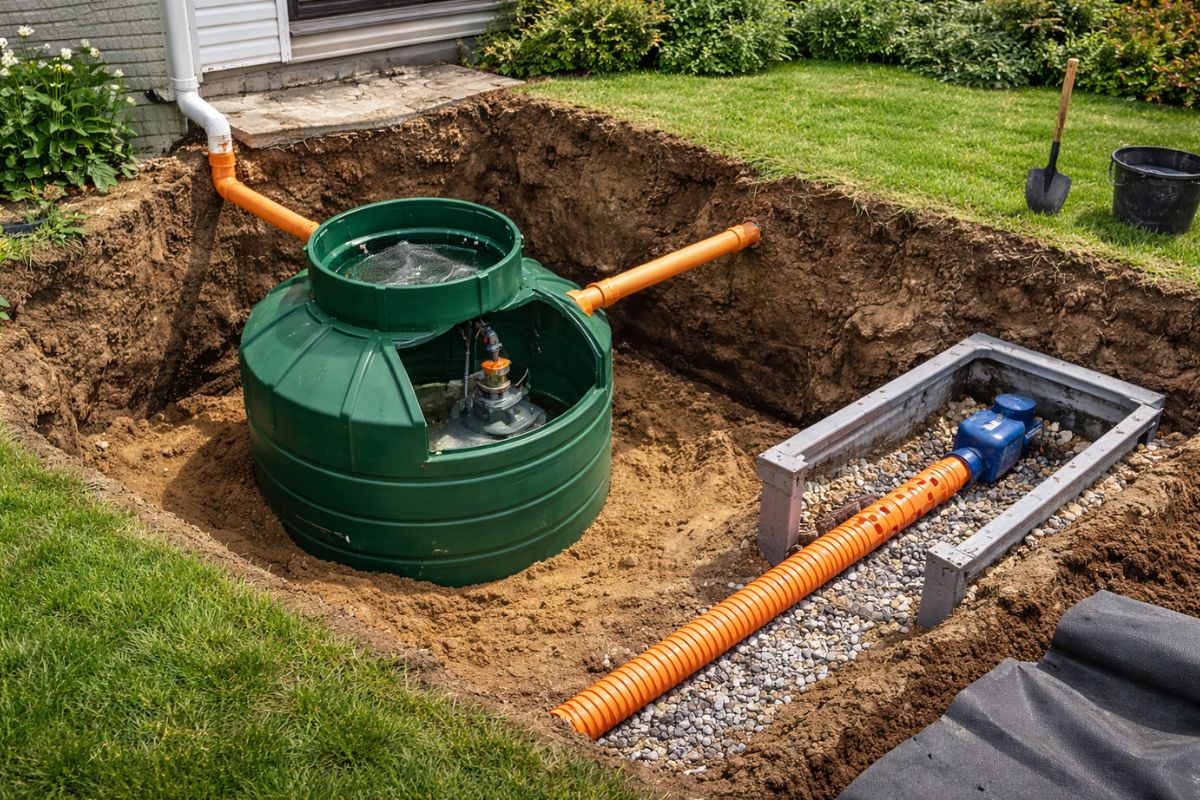
With less than R$ 6,000, you can build an underground cistern in your backyard that collects rainwater and eliminates the fear of rationing while reducing your water bill every month.
-
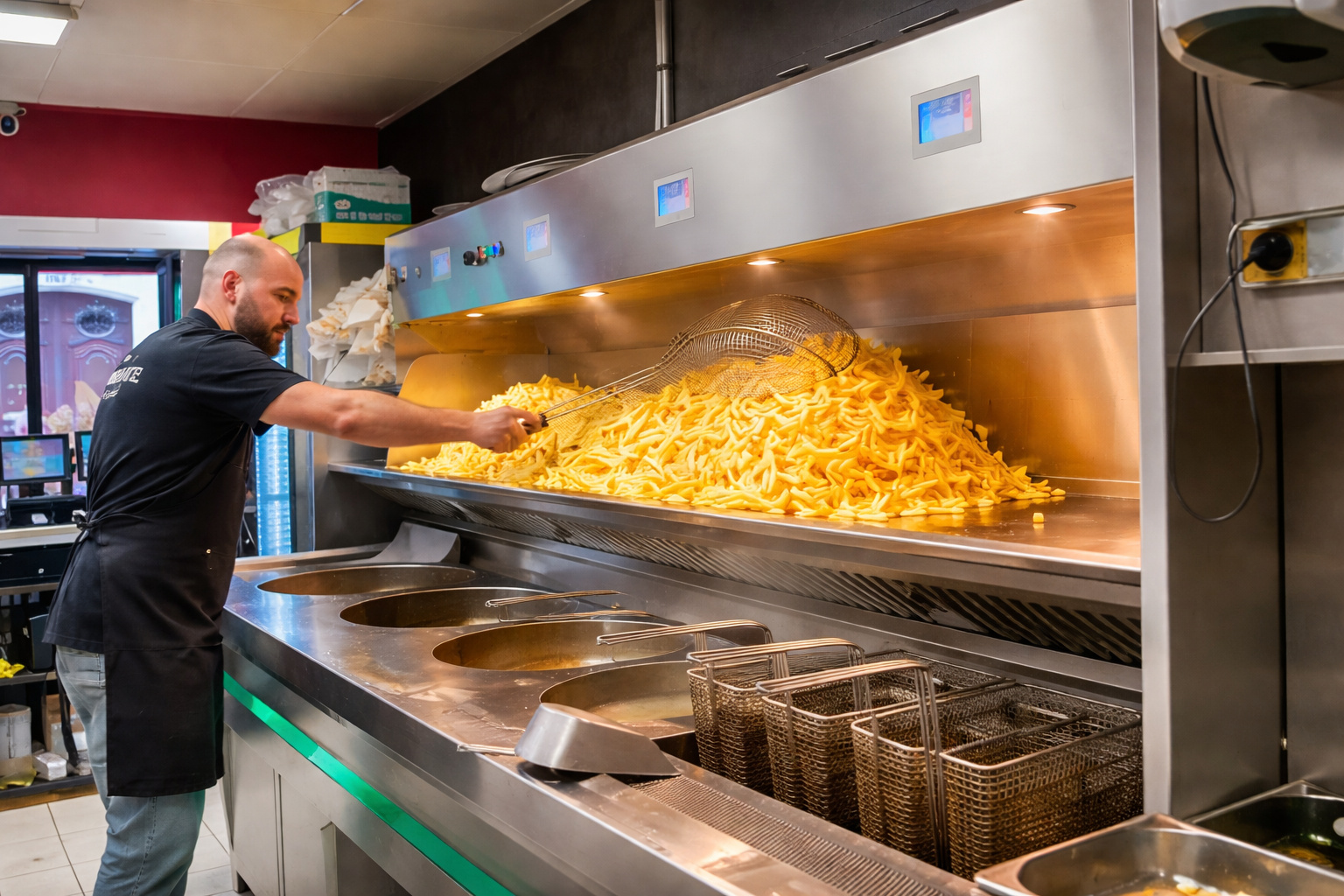
In France, there is a restaurant that prepares its main dish handmade, prioritizes local agriculture, and has become a culinary trend due to a food that Brazilians love.
-
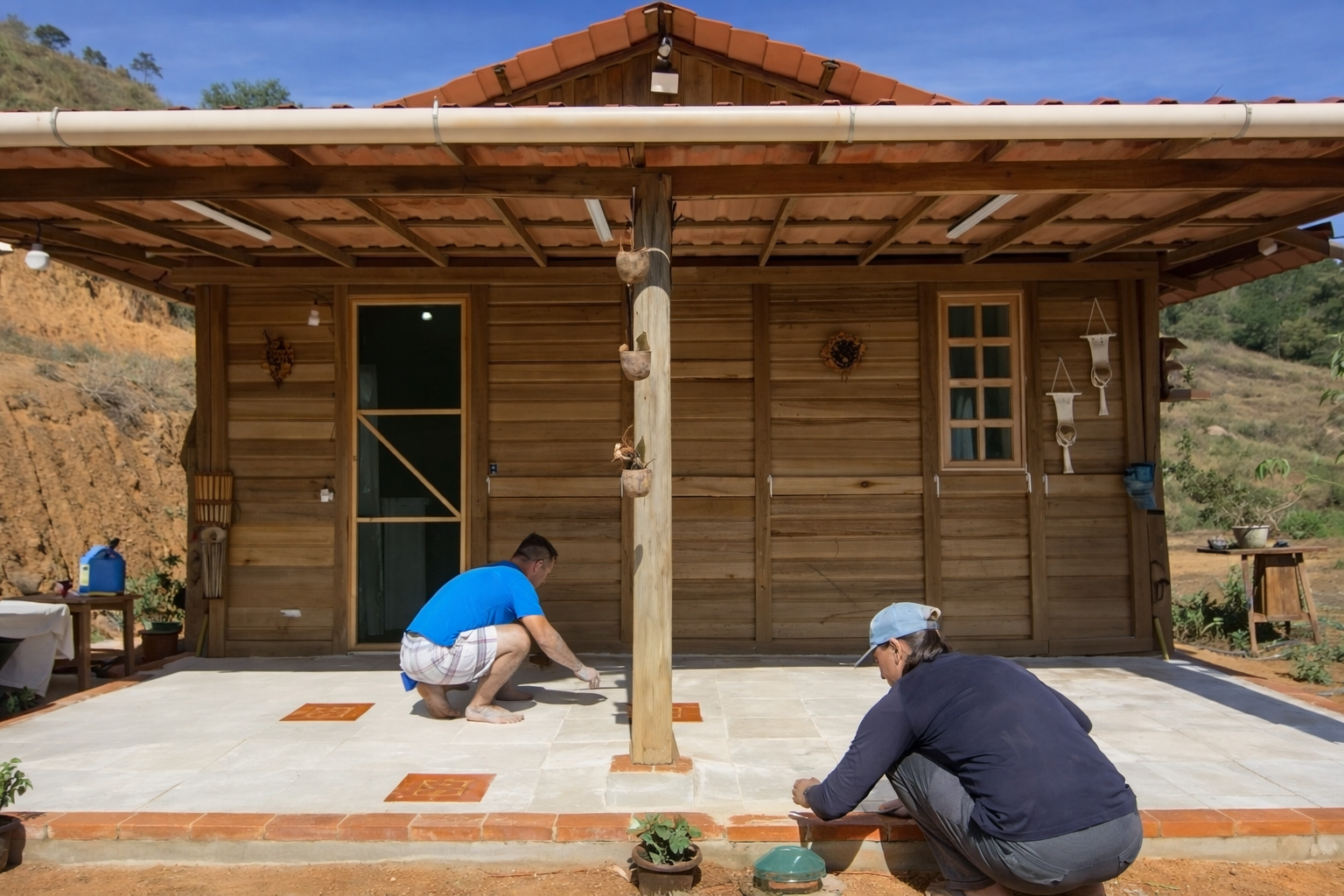
With a lot of talent and creativity, a couple builds a house completely from scratch, using ceramic tiles, a cement base to level the ground, wood for the flooring, ceiling, and entire structure, transforming the construction with slats that fit together and impressing with an impeccable result.
Almost no one remembers that Brazil had its own Puma, which used the same feline name in a completely different universe.
This incredible story begins in São Paulo with Rino Malzone, an Italian lawyer naturalized as a Brazilian who spent more time tinkering with cars than filing petitions.
From a young age, he assembled sports machines using chassis and parts from various models, almost like an automotive Frankenstein. Amid the improvisation, there was method. Rino saw sports potential in any piece of metal.
When Vemag approached Malzone to create a racing car capable of defeating the Willys rival, he saw the chance to turn a dream into a real project.
With parts provided by Vemag itself, the GT Malzone was born, a compact coupe with an aggressive appearance and surprising performance.
The car started winning races, left pricier sports cars behind, and proved that a sports car created in a Brazilian workshop could compete with traditional manufacturers.
What seemed only like a track project turned into the seed of something bigger. From that prototype emerged the brand that would later become the Brazilian Puma.
From Fiberglass Sports Cars to the Garages of Enthusiasts
The success of the GT Malzone paved the way for a small independent manufacturer. The following sports cars adopted fiberglass bodies, a solution that made the cars lighter, more resilient, and relatively cheaper to produce on a small scale.
Models like GT, GTE, GTB, and other sports cars emerged, blending lines inspired by European cars with simple and creative solutions.
The brand began to speak directly to a specific audience: young people, collectors, and enthusiasts who wanted a car with its own personality, something different from the sedans and utilities of large automakers.
Sales increased to the point that some of these cars crossed borders and were exported. For an independent Brazilian company, this was a rare feat.
All signs pointed to the brand’s future being forever linked to striking fiberglass coupes, racetracks, and collectors’ gatherings.
However, one technical detail that helped on the tracks, the fiberglass body, would open a completely unexpected door. And this is where this incredible story shifts its direction.
The Fiber That Doesn’t Rust and the Turn to Trucks

While the Brazilian Puma shone with lightweight sports cars, giant distribution companies were engaged in a different kind of race, the day-to-day one in cities.
Coca-Cola, Ultragaz, and other major urban operations faced a costly and constant problem. The metal cabins of the trucks deteriorated quickly.
Rust advanced with humidity, intense urban use, and even with chemical residues that attacked the metal. Each corroded cabin meant a truck out of service, loss, and rapid replacement of parts.
It was in this scenario that the companies noticed a detail that the market ignored. The Brazilian sports car manufacturer excelled at using fiberglass, a material that doesn’t rust, withstands light impacts well, and does not suffer from corrosion like the thin steel used in traditional cabins.
The contact came from the transport companies themselves. If the same team that made lightweight and durable bodies for sports cars could mold fiberglass truck cabins, perhaps that was the solution.
The idea was simple: to create fiberglass cabins to install on traditional brand chassis like Chevrolet, Ford, and Dodge.
In 1971, the project became a reality. The new fiberglass cabins were lighter, offered better visibility, and proved to be much more resistant to corrosion in daily urban use.
In no time, these cabins began to appear in the largest delivery operations in the country. And within the factory, a question became inevitable. If the brand could produce the cabin, why not produce the entire truck?
4T, 2T, and 6T: When the Brazilian Puma Became a Truck

When Puma decided to create a truck from scratch, it knew it was leaving the realm of handcrafted sports cars and entering a hard and competitive territory.
Instead of a weekend coupe, the focus was now on a vehicle for daily work, subject to heavy loads, potholes, quick maintenance, and demands for durability.
The project for the first model began at the end of the 70s with a clear goal: to create a light, robust, and inexpensive truck to maintain, capable of competing with icons like the Ford F4000. The fiberglass cabin was the starting point, but everything else needed to be designed for severe use.
The result was the 4T, a light truck with an advanced cabin. It used engines from Perkins and MWM, recognized for durability in the diesel world, and Clark transmission, traditional in commercial vehicles.
The chassis had straight beams, making repairs, extensions, and adaptations easier. Interchangeable doors helped reduce maintenance costs. The high, spacious cabin provided good visibility, essential for urban operations.
The presentation at the 1978 Auto Show drew the attention of fleet managers and curious onlookers. Shortly thereafter, the 4T began to enter commercial fleets, where the simple maintenance and durable cabin confirmed the correctness of the concept.
With the 4T gaining traction, the company decided to create a family. In the early 80s, the 2T and 6T emerged, variations of the same concept.
The 2T was a compact truck designed for quick deliveries in urban areas, ideal for bakeries, small grocery stores, and neighborhood distributors.
It used a 3-cylinder MWM engine, excelled in fuel efficiency, and shared the same non-rusting fiberglass cabin. It was the type of vehicle that any mechanical workshop could service.
The 6T was a step up. With a reinforced structure, five-speed transmission, and the option of alcohol-powered motor during the Proálcool era, it reflected the climate of the decade when companies were testing alternatives to diesel.
It was a complete line designed for different applications, but united by a common concept: lightweight trucks with fiberglass cabins and known mechanics.
Eletron: The Electric Utility That Came Before Its Time


Amid this cycle of innovation, even bolder projects emerged. The most notable was a partnership with Copel, the electricity distributor in Paraná, and Bardella, a national manufacturer of electric motors. This union birthed the Eletron, an electric utility in the midst of the 80s.
The vehicle used a direct current motor and a large set of lead batteries, weighing over a ton. For the time, this was a technological leap.
The Eletron ran in Curitiba and caught attention for its silence and smoke-free operation, something completely out of the ordinary on Brazilian streets at that time.
Today, there is talk of electrifying fleets and zero-emission targets. However, back then, Proálcool was gaining traction, batteries were expensive and heavy, and the market wasn’t ready for a change of this magnitude.
The Eletron never became a mass-produced product, but it left a mark. It showed that the Brazilian Puma had the energy to anticipate trends that would only become mainstream decades later.
Once again, this incredible story displayed a small manufacturer making moves typical of a giant, and precisely for that reason, vulnerable to any economic turbulence.
Floods, Fires, and the Fall of the Puma of Trucks

While engineering advanced, Brazil entered an unforgiving economic phase. Rising inflation, high interest rates, political instability, and gradual market opening created a tough environment even for large automakers. For a smaller company, each crisis weighed as heavily as a truck loaded.
The Puma facilities were located in an area of São Paulo prone to severe flooding. When the rains came, water would flood the warehouses and destroy equipment, molds, and freshly produced parts.
Entire teams lost weeks of work with each flood, and often a new flood would arrive before the factory could fully recover.
Fires in storage areas worsened the situation. For a large automaker, this would already be serious. For a smaller company, it was devastating.
Production stalled, orders lagged, suppliers went unpaid, and exhausted employees watched part of their efforts literally go up in smoke.
In the market, competition tightened. Larger manufacturers offered more modern engines, extensive assistance networks throughout the country, and more aggressive financing conditions.
In 1979, Puma still produced over 3,000 vehicles, including cars and trucks. Five years later, annual production barely exceeded a little over a hundred.
In 1985, bankruptcy was declared. The end came symbolically. The last unit produced wasn’t a track sports car, but rather a utility truck, which sums up this story that began on racetracks and ended in heavy labor.
Attempts at Rebirth and the Recent Silence
The bankruptcy did not erase the brand’s value. Shortly after the closure, molds, industrial rights, and equipment were bought by Araucária SA in Paraná.
The idea was to reorganize operations, relaunch some models, and leverage the brand’s prestige among enthusiasts.
Some units of the old GTB returned to the streets as ASA GTB. Convertible body kits also emerged.
However, nothing progressed in the truck segment. There was a lack of capital, a sales network, and the breath needed to compete in an increasingly consolidated market dominated by global manufacturers.
With the definitive opening of the economy and the massive arrival of imported models, even sports cars lost ground.
Starting in 1999, the Puma name was basically restricted to the memories of collectors and fans of classic cars.
In 2013, the flame reignited. A group of enthusiasts, entrepreneurs, and former leaders from the classic phase officially reopened the brand, focusing on recapturing its original sporting spirit.
The first model of this new phase was the P052, a racing prototype with a tubular chassis, lightweight body, and turbocharged engine.
Next came the GT Lumimari, a modern reinterpretation of one of the most iconic sports cars in the brand’s history. Mid-engine, wide body, limited production, and focusing on collectors.
In August 2022, the GT Lumimari was officially presented at an antique car event in Goiás, reigniting enthusiasm for the brand.
But soon after, silence. Social media stopped being updated, behind-the-scenes activity disappeared from public view, and there are no clear signs about the future of this new phase.
The story of the Brazilian Puma, which already seemed incredible, gained yet another chapter, open-ended and without a defined conclusion.
For those who love cars, trucks, and stories of brands that dared to go beyond the obvious, there is a question that seems tailor-made for this trajectory.
Do you think this incredible story of the Brazilian Puma will gain a new chapter, or has the Brazilian feline already made its last lap on the tracks and roads of the country?






-

-

-

6 pessoas reagiram a isso.