





 Portuguese
  English
  Spanish
  4 min of reading
  19 comments


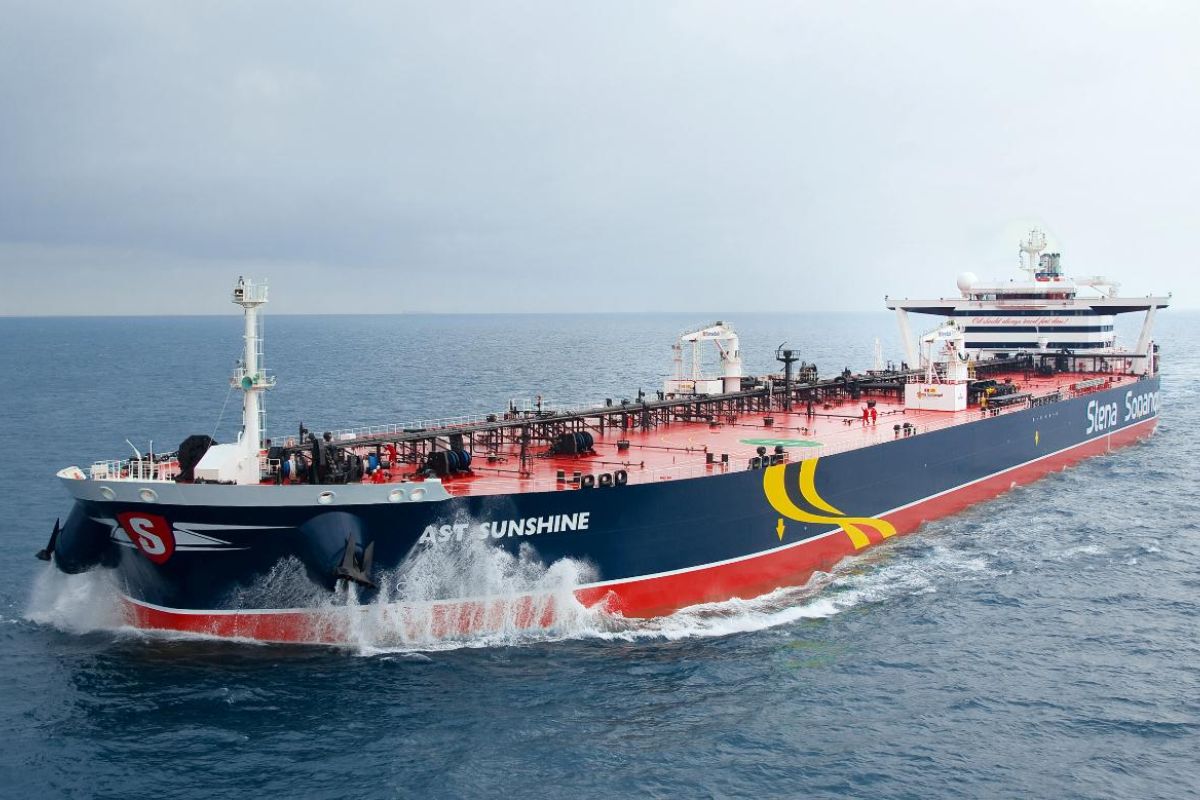


Meet The Specialized Tankers That Conduct High-Frequency, High-Technology Operations To Offload All The Oil From The Offshore Platforms To The Ports, Being Vital For The Success Of The Pre-Salt.
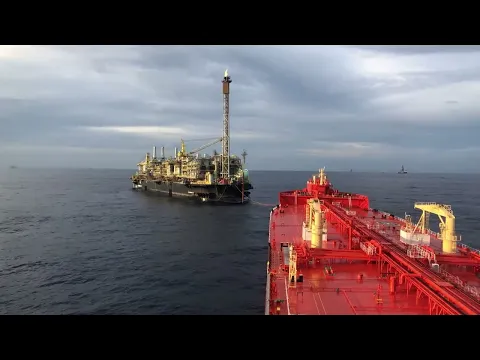
In the middle of the Atlantic Ocean, hundreds of kilometers from the coast, one of the most critical and sophisticated logistical operations in the world takes place: a true floating highway. This highway has no asphalt, but it is incessantly traversed by a fleet of special vessels, the offloading tankers. They are the only bridge between the giant pre-salt production platforms and the mainland.
It is this fleet that ensures the offloading of record production that, in March 2025, has already surpassed the mark of 3.7 million barrels of oil per day. Without the offloading tankers, the wealth of Brazilian pre-salt simply would not be able to reach the market. They are the key piece of a machine that moves billions of dollars and defines Brazil’s position as a global energy powerhouse.
What Is It And How Does The Floating Oil Highway Work?
Imagine a gigantic factory that cannot stop producing, located in the middle of nowhere. This factory is the oil platform, or FPSO. Since building pipelines from the pre-salt to the coast is economically unfeasible, the offloading tankers are the solution. They travel to the platforms to “offload” the accumulated production.
-
Spain surprises the world by erecting 62 artificial dunes, mixing sand with natural remains of posidonia, and causing the structure to lose only 1.4% of its volume in 1 year.

-
With 16 Bulava missiles, improvements in acoustic stealth, and a design focused on silent patrols, Russia’s nuclear submarine was born to ensure Moscow’s invisible retaliation and has become one of the pillars of its maritime strength.

-
‘Populous’ city in Rio among the worst in Brazil in national ranking and exposes silent development crisis.
-
Couple buys house in the South Zone of São Paulo, opens a hidden door in the garage, and finds a secret wine cellar with dozens of old wines forgotten since the 1970s.

The transfer operation, called offloading, is a true high-risk ballet. The ship approaches the platform and, using cutting-edge technology, remains practically stationary in the sea, while a hose connects the two structures and pumps the oil. If one of these ships is delayed, the platform may be forced to stop production, which would incur millions of dollars in daily losses. Therefore, the operation is continuous and the frequency is extremely high, creating a constant and uninterrupted flow system.
The Technology Behind The Operation: Dynamic Positioning DP2
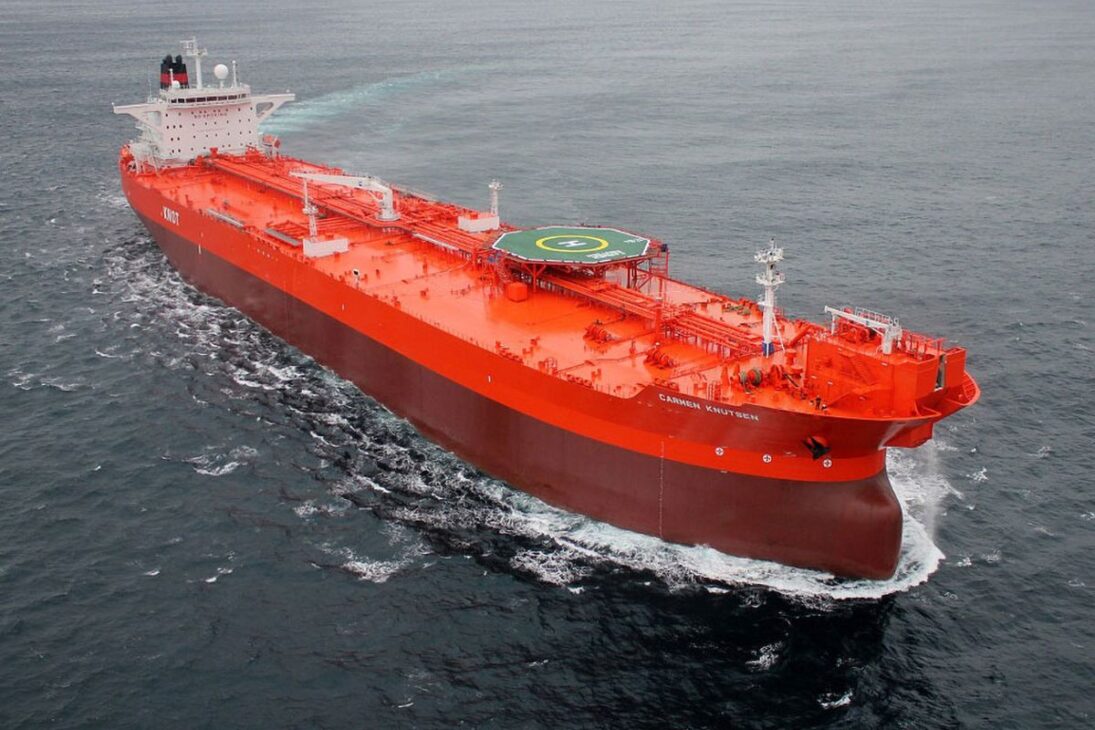
Keeping a ship weighing thousands of tons perfectly stationary at sea, facing waves, wind, and currents, seems impossible. But this is achieved thanks to the Dynamic Positioning System, or DP. Specifically, the offloading tankers use DP2 class technology.
The DP2 system works like the ship’s brain. It uses multiple sensors, high-precision GPS, and computers to control the vessel’s thrusters, correcting its position every second. The main feature of DP2 is redundancy. This means that all components are duplicated. If a generator, a computer, or a thruster fails, there is another ready to take over, preventing the ship from losing its position. This extra layer of safety is the mandatory license for such a delicate and risky operation to be approved.
The Transpetro Plan: A US$ 2 Billion Investment To Double The Fleet
At the helm of most of this floating highway is Transpetro, the logistics arm of Petrobras. With an eye on increasing pre-salt production, the company made a strategic move: a US$ 2 billion investment to expand its fleet.
The contract provides for the construction of nine new Suezmax offloading tankers, equipped with DP2 technology. These vessels, which will be built in South Korea and delivered by 2028, will nearly double Transpetro’s offloading capacity. This is not just a ship purchase; it’s a maneuver to secure the future, ensuring that there will be enough vessels to transport the wealth of the pre-salt while keeping control of this critical logistics in-house.
Where Does The Oil Go? The Two Strategic Routes Of The Pre-Salt
Once loaded, the oil transported by the offloading tankers follows two main paths, each with a strategic destination:
The Domestic Market: Most of the oil that fuels Brazil disembarks at the Almirante Barroso Terminal (TEBAR) in São Sebastião (SP). From there, it is pumped through pipelines to the major refineries in the Southeast, such as the Paulínia Refinery (REPLAN), the largest in the country, where it is transformed into gasoline, diesel, and other fuels.
The Export Market: The oil destined for sale to other countries predominantly exits through the Açu Port in São João da Barra (RJ). There, the cargo is transferred to even larger tankers. The main destination is China, which buys about 45% of all the oil Brazil exports.
Why Are The Offloading Tankers Crucial For The Brazilian Economy?

The efficient operation of this fleet has had a tremendous impact on the economy. Thanks to the ability to offload pre-salt production, crude oil has become one of Brazil’s main export products, competing with soybeans and iron ore.
This directly reflects on the trade balance. In 2021, the country’s oil account had a record surplus of US$ 19 billion. The “floating highway” is not just a logistical solution; it is the lifeline that connects the greatest natural wealth of Brazil to the global market, generating revenue, strengthening the economy, and consolidating the country as an indispensable player in the global energy landscape.







Se vocês não sabem. Eu assisti palestras na confederação dos marítimos, isso lá na decade de 78, 80 e já naquela época o falecido presidente MAURÍCIO SANTANA, nos alertava que nosso pais, gastava na balança de pagamentos algo como U$ 18 a 29 bi com afretamentos de navios de bandeira estrangeiras. Mas onde que ir.? O governo brasileiro, -( principalmente a PETROBRÁS )- até poderia fazer a fretamento de navios de bandeira estrangeiras a Vasco nu. Para que gerasse EMPREGOS aos trabalhadores MARITIMOS brasileiros. E cadê essa geração de marítimos que não cobram nada de ninguém?
Eu queria entender essa conta das 200 viagens por mês. Esse navios passam tipicamente 2 dias recebendo petróleo. Acho que nem por ano dá 200 viagens.
E tudo isso pra chegar no posto a preço absurdo