





 Portuguese
  English
  Spanish
  5 min of reading
  0 comments



Petrobras Reiterated That It Will Maintain 31% Renewable Energy by 2050, Reinforcing a Structural Change in the Brazilian Energy Sector.
The discussion about energy, especially in Brazil, has always gone hand in hand with economic, environmental, and geopolitical debates. Therefore, when Petrobras President Magda Chambriard stated in an interview with R7 that the state-owned company intends to maintain a 31% share of renewable energy by 2050, the announcement reinforced a movement that has been solidifying for decades: the need to integrate fossil fuels and clean sources into a single long-term plan.
Although Petrobras has built its history as an oil giant, it is now going through a phase in which energy transition is not just a trend but a strategic obligation in the face of global climate pressures, international environmental policies, and domestic economic demands.
The Historical Weight of Petrobras in the Brazilian Energy Matrix
Since its foundation in 1953, Petrobras has shaped not only the energy sector but also a significant part of Brazil’s industrialization and sovereignty. During the 20th century, oil served as a symbol of national progress, and the state-owned company expanded its reach from the 1970s with the advancement of deep-water exploration.
-
The rise in oil prices could ensure an extra revenue of R$ 100 billion for the Federal Government, indicates a recent economic study.

-
Naturgy begins an investment of R$ 1.6 million to expand the gas network in Niterói and benefit thousands of new residences and businesses.

-
A major turn in the Justice system suspends tax increases and directly impacts oil and gas companies in Brazil by affecting costs, contracts, and financial planning, leaving uncertain what could happen to the sector if these costs had increased.

-
Brava Energia begins drilling in Papa-Terra and Atlanta and could change the game by reducing costs in oil while increasing production and strengthening competitiveness in the offshore market.
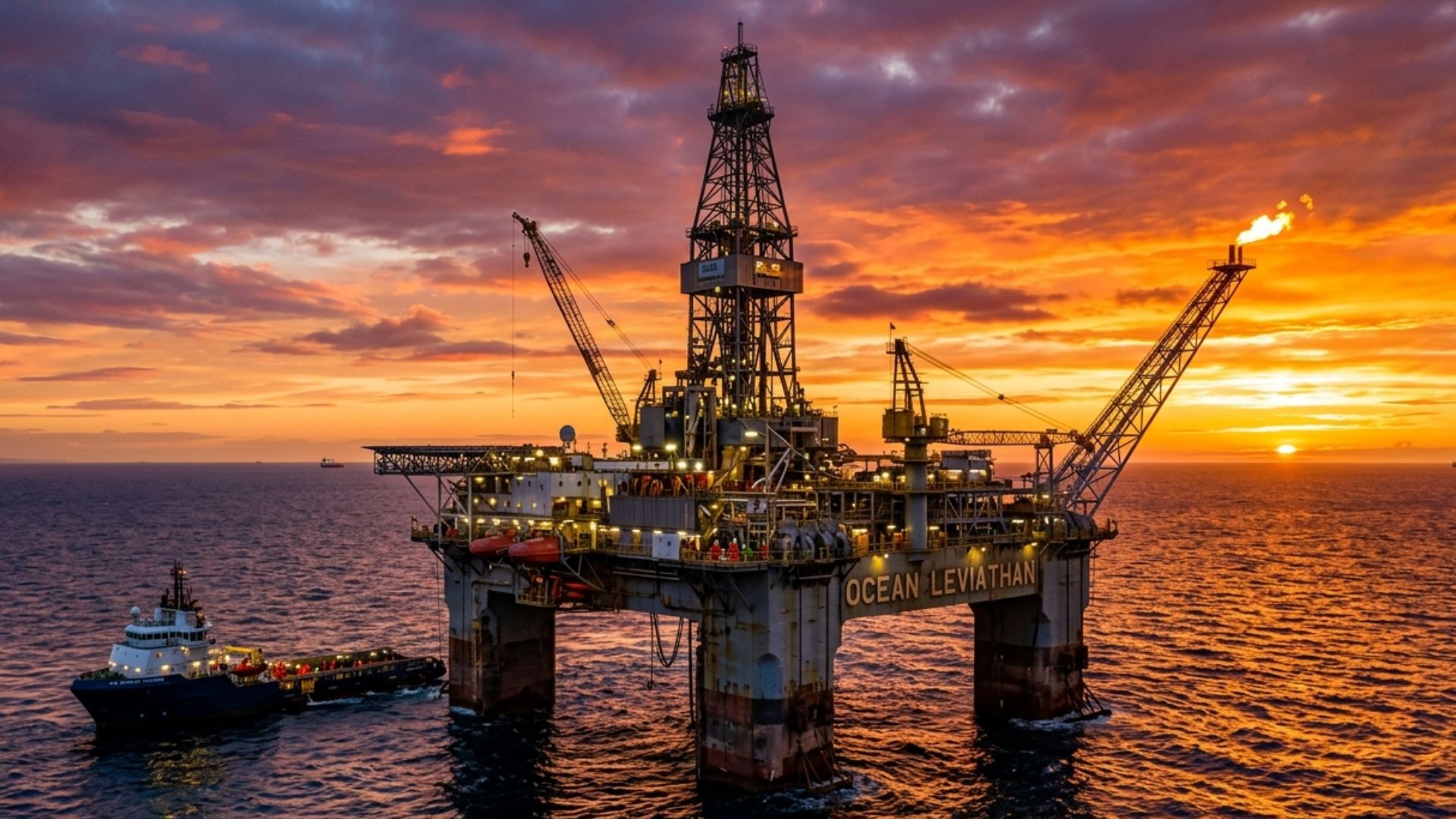

However, following the Kyoto Protocol (1997) and later the Paris Agreement (2015), the world began a race to reduce emissions. Consequently, governments and companies started reallocating investments to clean energy. Nevertheless, according to historical data released by the International Energy Agency (IEA), oil has remained the most used fuel on the planet for over a century.
Brazil, although a pioneer in ethanol since the 1970s, has also followed this trend, as its economic growth has always demanded fossil fuels for mobility, industry, and exports. Thus, Magda’s statement is not surprising: Petrobras remains dependent on oil, but now it is trying to balance this base with progressive participation in renewable energies.
The Strategy for 2026–2030 and the New Vision for the Future
According to the website R7 (11/24/2025), the state-owned company’s strategic plan for the 2026–2030 period will be entirely focused on energy transition themes. This means that Petrobras intends to direct an increasing portion of its investments to technologies that reduce emissions, increase efficiency, and create alternatives to traditional oil.
Still, oil will continue to exist as the financial backbone of the company, as it sustains much of the revenue needed to finance long-term projects. This coexistence between fossil fuels and renewables reveals that the Brazilian energy transition will be progressive, planned, and linked to the company’s economic stability.
Why Maintain 31% and Not More? The Logic of Gradual Transition
Although some environmental groups advocate for more aggressive targets, Petrobras adopts a calculated pace. This is because:
Petrobras is responsible for Brazil’s energy security.
Sudden cuts in oil production could lead to economic instability, increased fuel prices, and direct impacts on industry and transportation.
The Brazilian market has not yet absorbed renewable energy on a large scale.
Sources such as wind and solar are growing rapidly but still require storage systems, transmission, and balance with thermal generation.
Oil finances the transition itself.
According to various analyses from the IEA, companies that still have a strong fossil base use those profits to invest in innovation and renewable expansion.
Therefore, maintaining 31% renewable energy by 2050 shows a strategy of continuous adaptation, but without creating ruptures that compromise the historical role of the state-owned company.
The Brazilian Infrastructure and the Challenge of Energy Diversification
The Brazilian energy matrix has always been seen as one of the cleanest in the world. According to the federal government, more than 80% of the national electricity comes from renewable sources, especially hydropower. However, the reliance on rivers has revealed vulnerabilities during drought periods, such as the water crises of 2001 and 2021, which led to tariff increases and risk of rationing.
These episodes reinforce the idea that energy diversification is crucial. As a result, Petrobras aims to focus on:
– Offshore wind energy
– Low-carbon hydrogen
– Advanced biofuels
– Carbon capture and storage
Each of these fronts requires unprecedented infrastructure in the country and high investments. Therefore, Petrobras needs to maintain its traditional pillars while financing this expansion.
International Pressures and Petrobras’ Role in the Global Scenario
In the geopolitical landscape, energy serves as an instrument of power. Countries with energy self-sufficiency possess greater geoeconomic stability. Thus, when Petrobras emphasizes that it will maintain a significant share of renewables, it also responds to international pressures for climate commitments, especially from the UN, the IEA, and European bodies demanding carbon limits in production chains.
At the same time, the state-owned company needs to ensure that Brazil does not depend on expensive or vulnerable fuel imports. Therefore, the transition must respect the pace of the national economy.
What Renewable Stability Represents for Brazil by 2050
If Petrobras truly consolidates the 31% share of renewable energy, Brazil will gain:
More energy security,
More international competitiveness,
More autonomy in green technologies,
Less climate vulnerability,
More attraction of foreign investments,
More capacity to lead global environmental policies.
According to experts quoted by R7, the state-owned company is likely to transform into a multi-energy enterprise, capable of meeting the demand for oil while building its renewable base.
A Future That Still Depends on the Present
Magda Chambriard’s statement marks an important line in Brazil’s energy history. She acknowledges that oil will still support the economy in the coming decades, but asserts that Petrobras will continue to invest consistently in renewable energy.
This combination highlights that Brazil’s energy transition will not be abrupt, but it will also not be postponed. Thus, the state-owned company is moving towards a balanced future, where fossil fuels and clean energy will coexist, at least until technology and infrastructure allow for a more profound shift.







-

Uma pessoa reagiu a isso.