





 English
  Francês
  Alemão
  Italiano
  Japonês
  Norueguês
  Portuguese
  Spanish
  4 min of reading
  0 comments


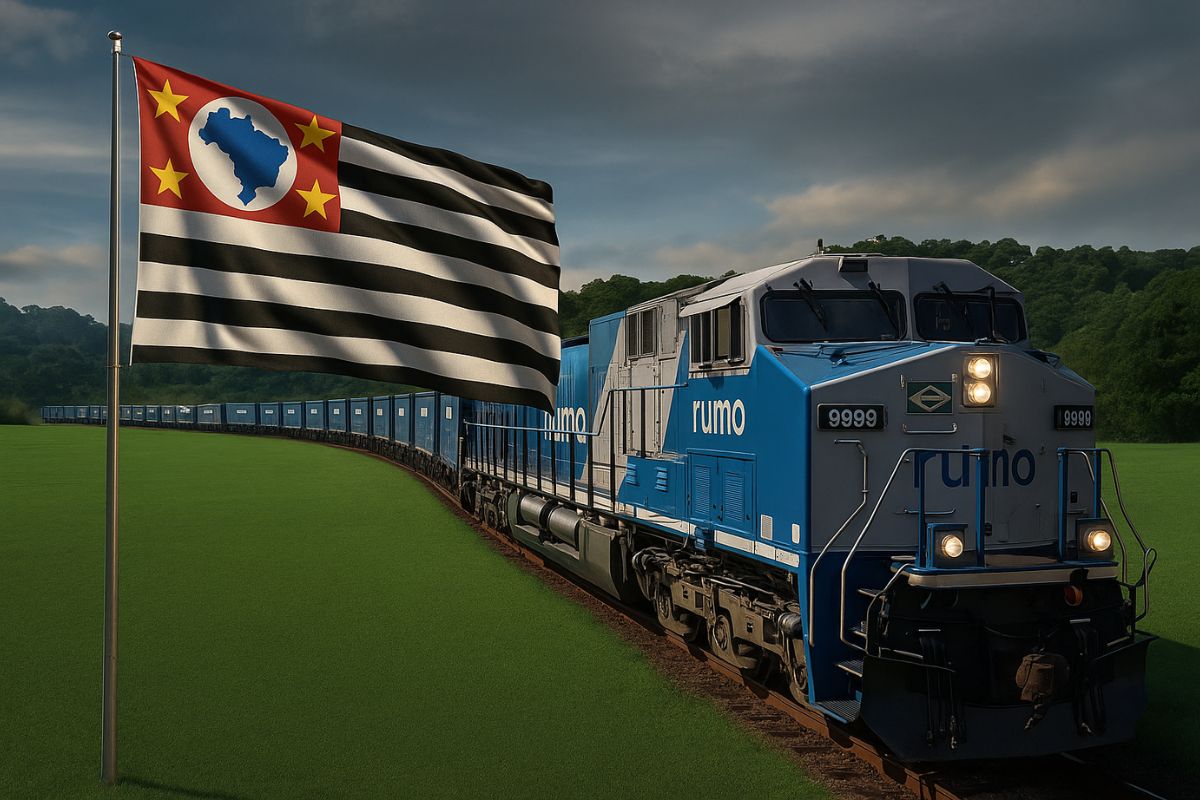
The History of Privatization of the Paulista Network, Sold in 1998, Is the Chronicle of How a State Asset in Crisis Became the Most Vital Export Corridor for Brazilian Agriculture in the Hands of the Private Initiative.
The privatization of the Paulista Network, the former network of Ferrovia Paulista S.A. (FEPASA), in November 1998, was one of the most important and controversial chapters of Brazil’s de-statization program. The sale, which marked the end of an era for railway transport in São Paulo, gave rise to a logistics corridor focused on agriculture, now operated by the giant Rumo.
The trajectory of the network is marked by a profound transformation: from a state system in crisis to a pillar of the country’s export economy. However, this success was built on a foundation of mass layoffs, the end of passenger transport, and a legacy of disputes over the management of public assets.
The Scenario of the Sale of the Paulista Network: The Crisis of Fepasa and the Federalization in 1998
FEPASA, created in 1971 to unify the railways of the state of São Paulo, faced a serious crisis in the 90s. With aging infrastructure and no capacity for investment, the company became a burden for the São Paulo government.
-
In A European City, The Country’s Largest Railway Junction Was Modernized Without Closing Its Doors, Kept Trains Running During Years Of Construction, Now Serves Up To 60,000 Passengers Per Day, And Installed Solar Panels That Generate About 30% Of Its Energy
-
Famous Brazilian Railway May Become a Parking Lot
-
The Country of “Punctual As a Train” Admits It Has Lost Control: High-Speed Trains Delay, Stop, Disappear from the Map and Turn 6-Hour Trips into 10, While Deutsche Bahn Promises Restructuring in 2026 But Faces 19th Century Infrastructure, Staff Shortages and Sections Closed for Months

-
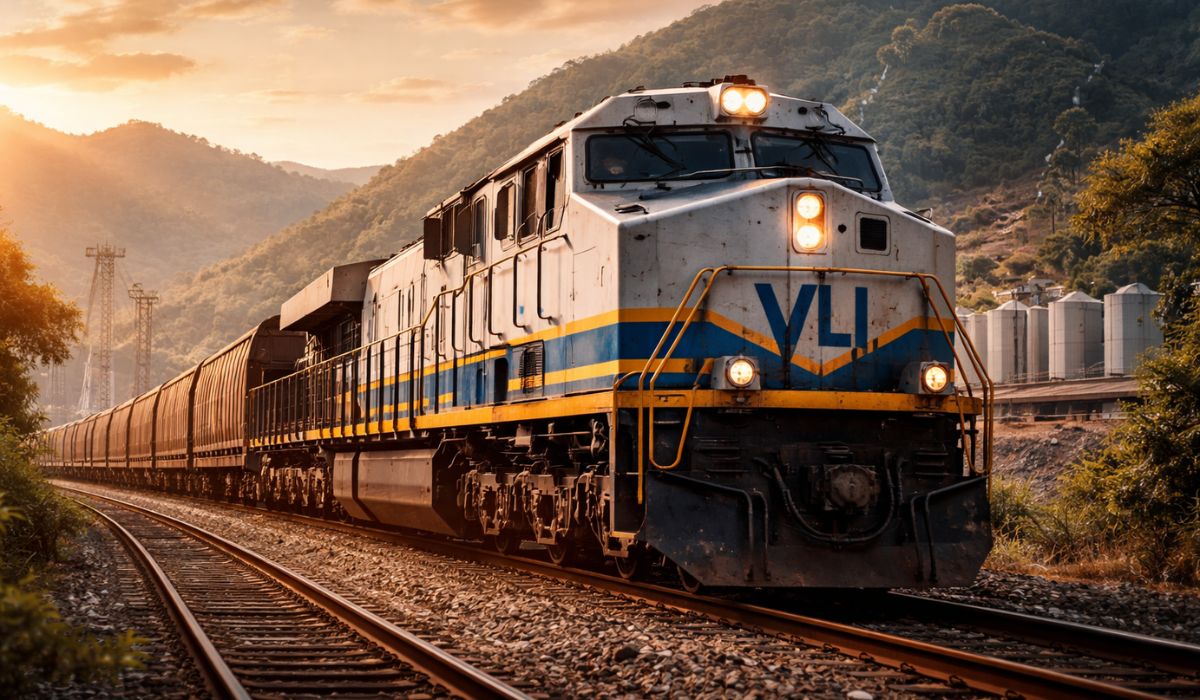
With an Investment of R$ 700 Million in One of the Country’s Main Rail Networks, VLI Reinforces Infrastructure, Receives 8 New Locomotives, and Expands the Corridor Connecting 7 States, Boosting Jobs and the Transportation of Grains, Ore, and Oil Products to the Port of Santos

The solution was a complex financial maneuver. In January 1998, FEPASA was transferred to the control of the Union as part of the payment of the debt of the bank Banespa. Upon being incorporated by Rede Ferroviária Federal S.A. (RFFSA), the network was renamed “Paulista Network” and officially entered the schedule of the National De-statization Program.
The Auction of November 10, 1998, and the New Owner, Ferroban
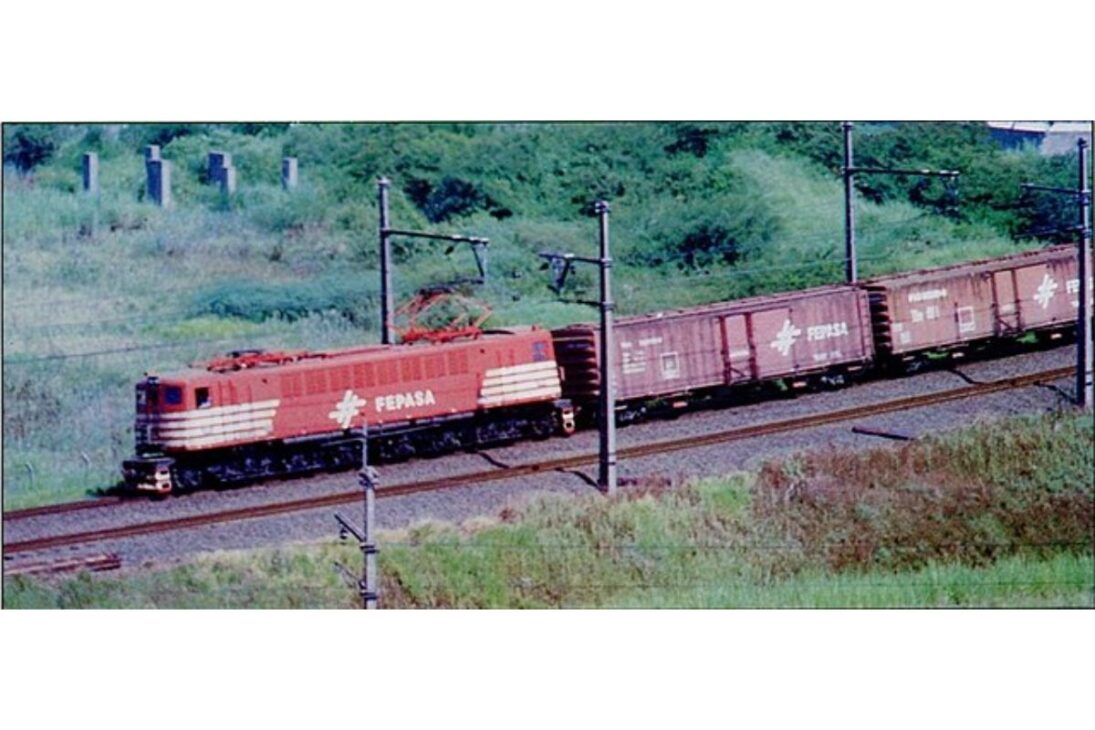
The auction for the 30-year concession of the Paulista Network was held on November 10, 1998, at the São Paulo Stock Exchange. The winner was the Ferrovias Consortium, which created the company Ferrovias Bandeirantes S.A. (Ferroban) to operate the network.
The bid amount was R$ 245 million, with a premium of only 5% over the minimum price. The winning consortium was a coalition of giants, led by the then-state-owned Companhia Vale do Rio Doce (CVRD) and included pension funds, signaling strong interest from the commodities sector in the corridor.
The First Years and the Controversies: The End of Passenger Trains and the Accusations of Dismantling
The new private management, focused on the profitability of cargo transport, quickly restructured the operation. One of the most felt consequences for the population was the elimination of passenger transport. The date of March 15, 2001, when the train connecting Itirapina to São José do Rio Preto made its last trip, was marked as the end of an era for the interior of São Paulo.
The first years were also marked by serious accusations. A Parliamentary Inquiry Commission (CPI) in the São Paulo Legislative Assembly, in 2010, concluded that the then-operator was promoting the “total scrapping of the Paulista Network,” selling tracks and carriages as scrap.
The Consolidation Under Rumo and the Billion Renewal of 2020
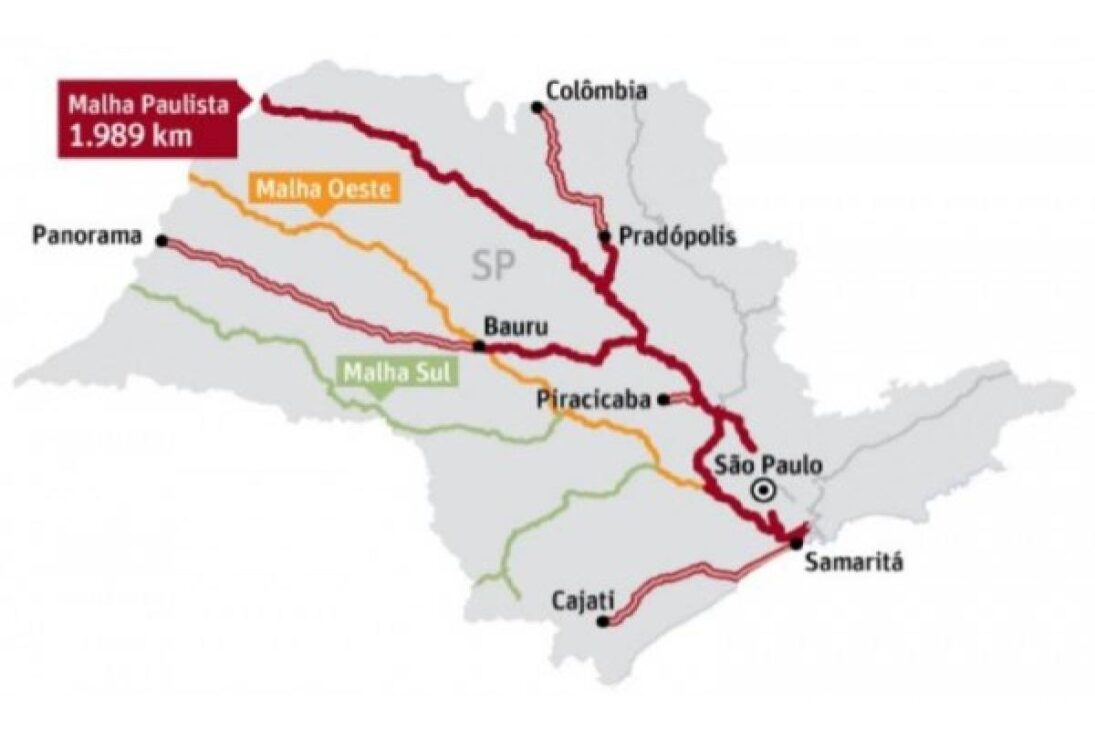
After a series of mergers and acquisitions, control of the Paulista Network was consolidated in 2015 by Rumo Logística, the logistics arm of the Cosan group. Under the new management, the railway received heavy investments and became the most efficient export corridor in the country.
The future of the network was secured on May 27, 2020, when Rumo signed the early renewal of its concession for another 30 years, until 2058. In exchange, the company committed to invest more than R$ 6 billion to more than double the railway’s capacity, from 35 million to 75 million tons per year.
The Legacy of Privatization: An Efficient Corridor for Agriculture, with a Turbulent Past
The history of the privatization of the Paulista Network is a case of success and controversy. On one hand, it created a high-performance logistics corridor, vital to the competitiveness of Brazilian agriculture.
On the other hand, its legacy includes the end of an essential public service for many communities and a history of disputes over asset management. The trajectory of the network is a lesson about the complex relationship between private efficiency and public interest in Brazil’s infrastructure.









Seja o primeiro a reagir!