





 Portuguese
  English
  Spanish
  6 min of reading
  0 comments


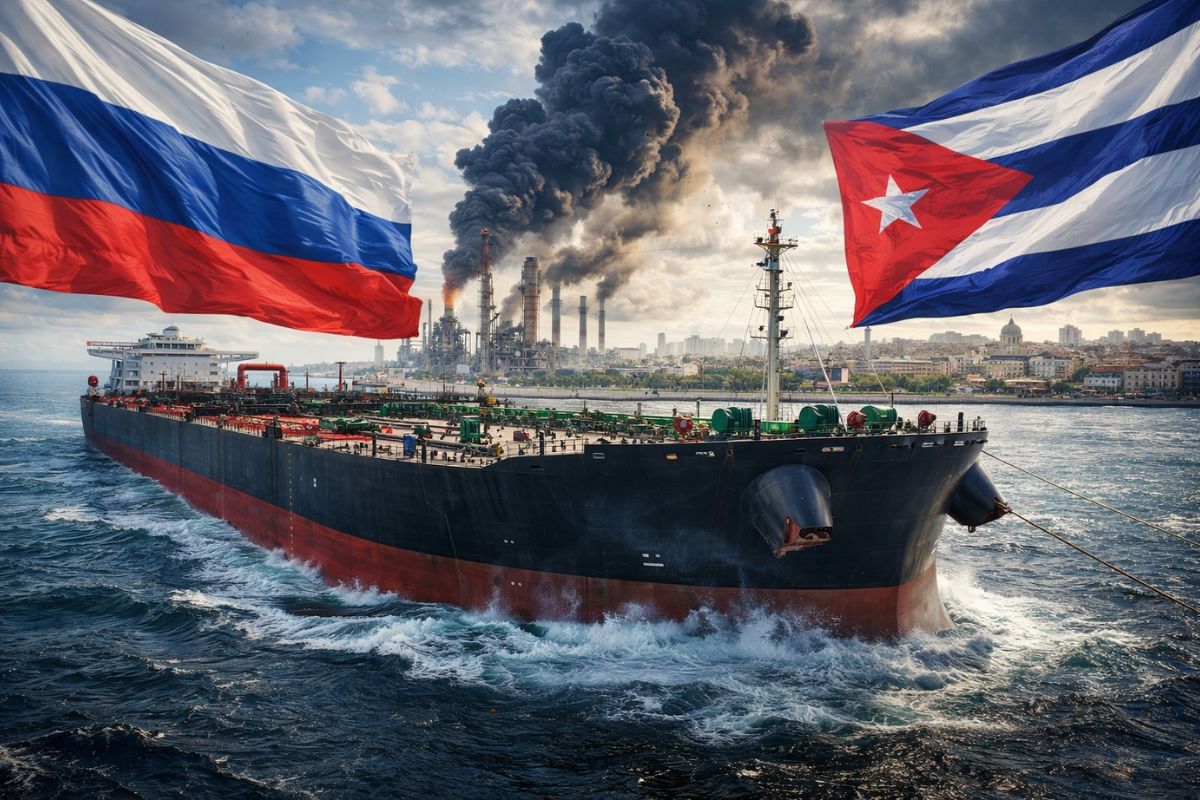
Russia sent the tanker Anatoly Kolodkin with 730 thousand barrels of oil to Cuba on Monday while Mexico negotiates with private companies for the sale of Pemex fuel to Cuban companies, in a move that comes after the island lost supply from Venezuela due to US military action and faces the worst energy crisis in decades.
Cuba has just received 730 thousand barrels of Russian oil on the tanker Anatoly Kolodkin, while Mexico negotiates with private companies to purchase fuel from the state-owned Pemex for resale to Cuban companies. The two movements are happening simultaneously and for the same reason: the island lost its main oil supplier, Venezuela, after the United States deposed President Nicolás Maduro in a military operation in January. Cuba is immersed in a severe energy crisis, with constant blackouts, fuel shortages, and an economy that desperately relies on alternative energy sources.
The geopolitical situation is complex. President Donald Trump stated that he has “no problem” with the shipment of Russian oil to Cuba, but had blocked the arrival of Venezuelan oil and from other countries, including Mexico, under the threat of tariffs. The partial green light from Washington that authorizes fuel sales to Cuba as long as they are intended for the private sector has opened a loophole that both Russia and Mexico are taking advantage of, each in their own way, to supply an island that is literally running out of power.
The Russian ship that delivered 730 thousand barrels of oil to Cuba
Russia reported on Monday that the tanker Anatoly Kolodkin, loaded with 730 thousand barrels of crude oil, has arrived in Cuba. The delivery is a clear sign that Moscow maintains its support for the Caribbean island even amid global tensions caused by the war in the Middle East and Western sanctions.
-
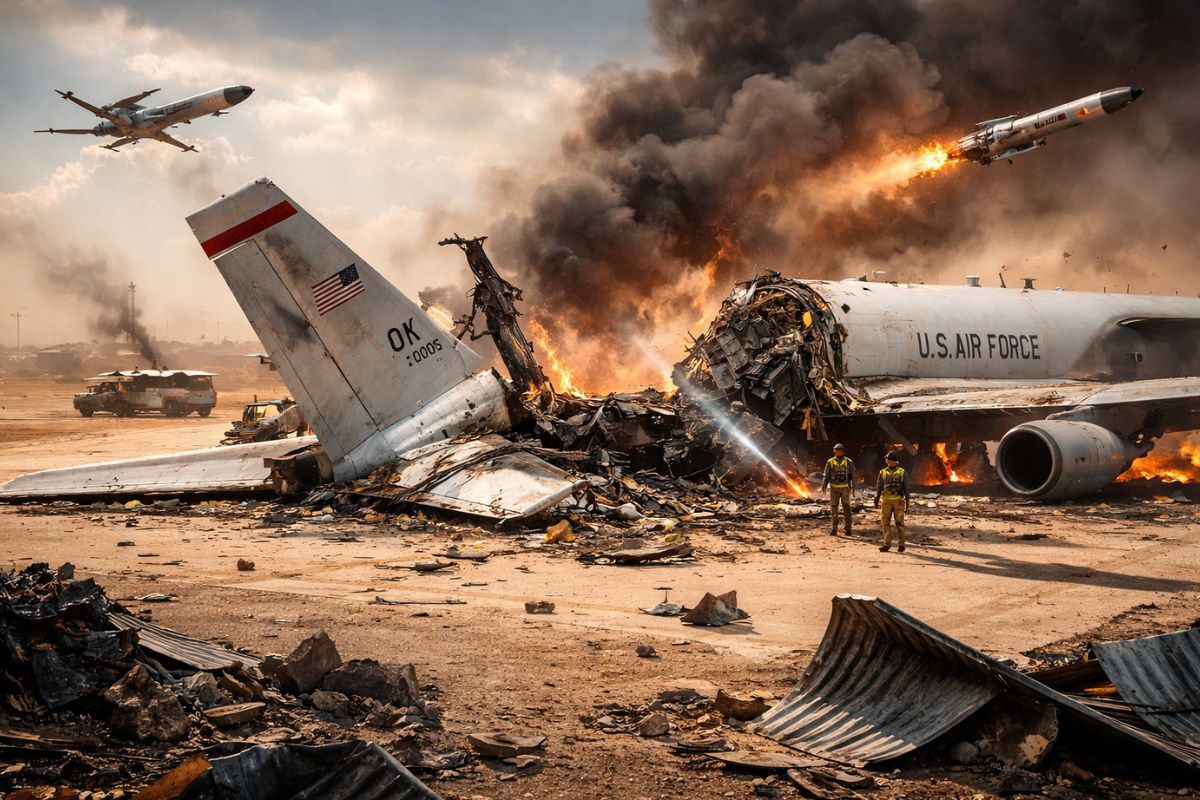
Iranian drones and missiles destroyed a 270 million dollar American spy plane in Saudi Arabia, splitting the E-3 Sentry aircraft in half and injuring 12 military personnel in an attack that exposes the vulnerability of U.S. bases in the Persian Gulf.
-
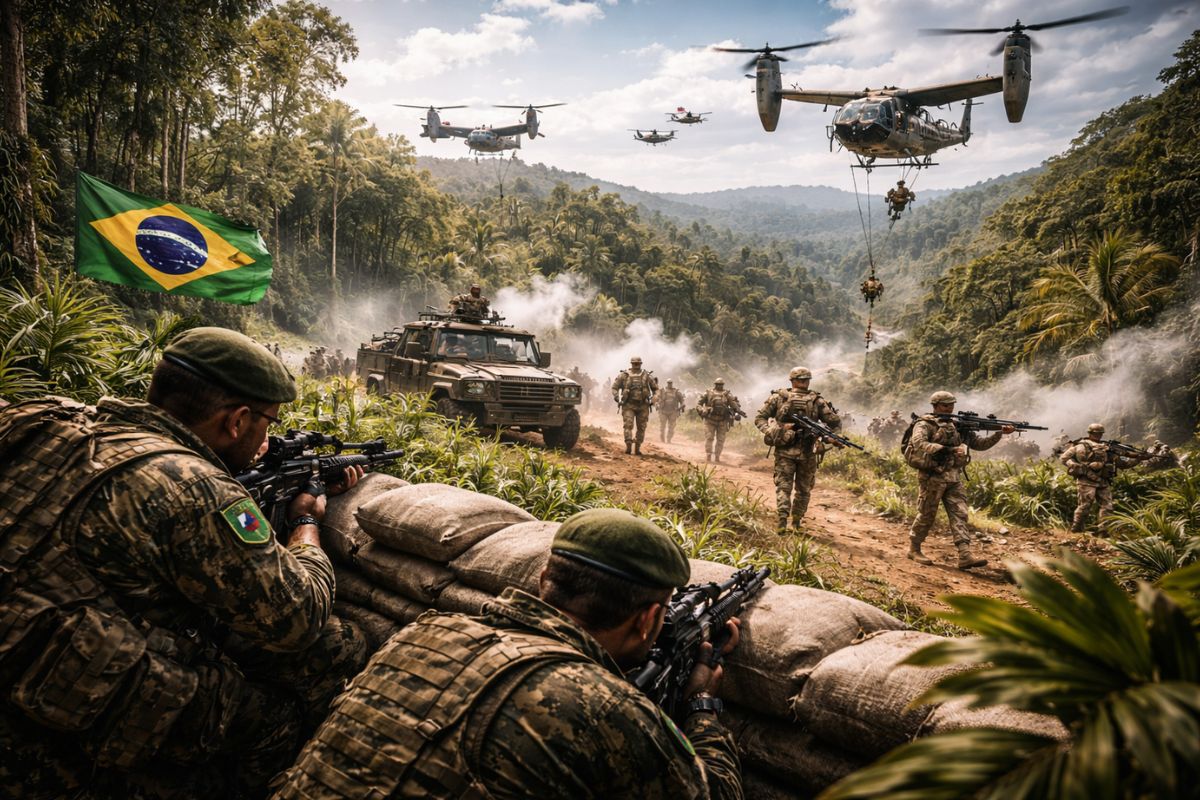
If the USA were to go to war with Brazil, Washington’s greatest fear would not be the attack itself, but facing a vast territory, prolonged resistance, and a costly, chaotic, and unpredictable occupation.
-
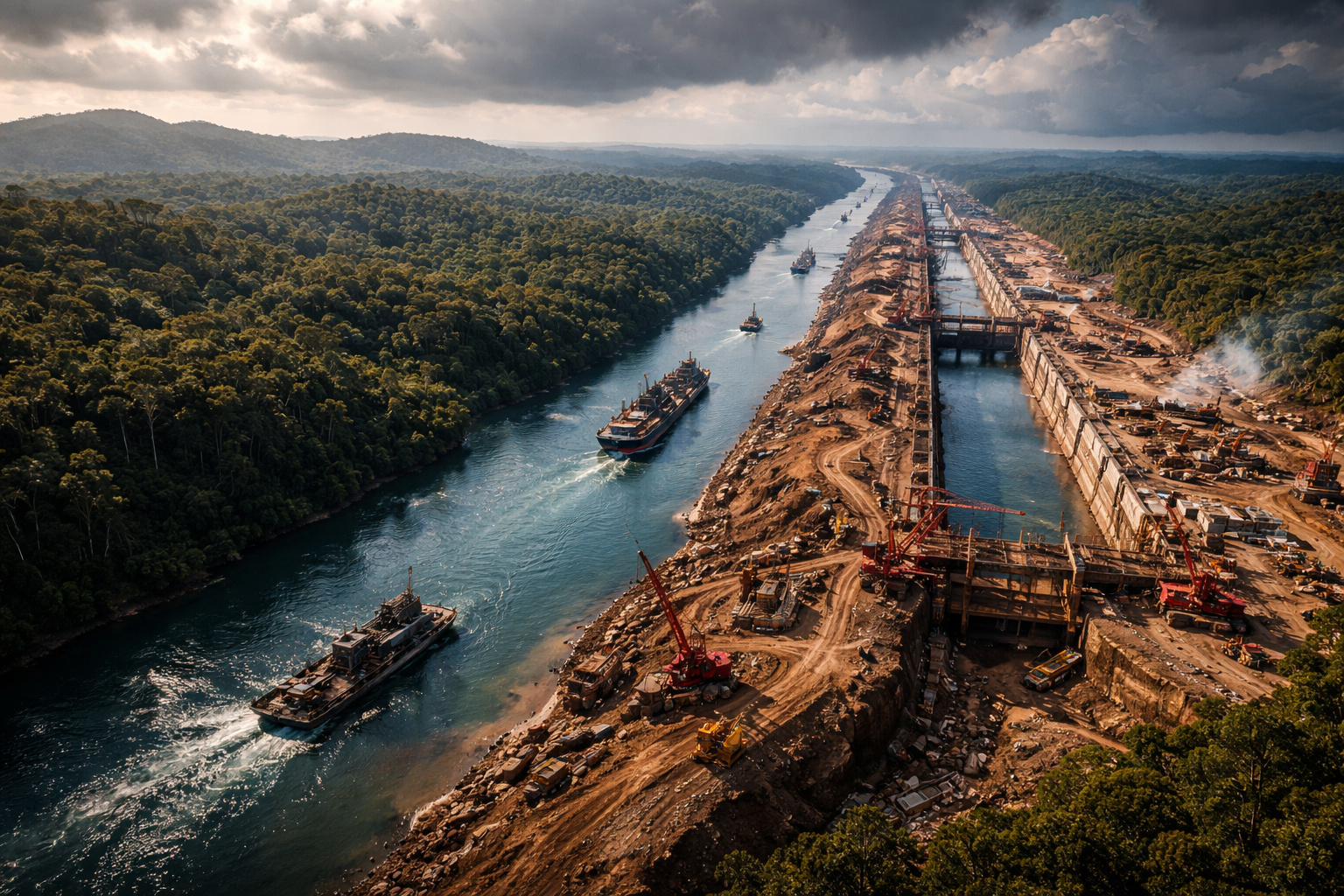
In 2013, Nicaragua sold the concession for a canal to rival Panama to a Chinese billionaire who lost 85% of his fortune, disappeared, and was declared bankrupt. Now the project resurfaces with a new route, a new Chinese partner, and a cost of $64.5 billion.
-
The USA announces a mysterious billion-dollar vault project to store critical minerals, but what intrigues experts is not just the plan itself, but why Latin America, including Brazil, has entered the center of this global dispute against China.

For Cuba, every barrel of Russian oil that arrives at the port is oxygen for a suffocated economy. The island relies on imported fuel to generate electricity, move public transport, and keep hospitals running.
Without the regular supply from Venezuela that sustained Cuba’s energy infrastructure for decades, any oil shipment that docks on the island has an immediate impact on the lives of 11 million people.
The fact that Trump declared he does not oppose Russian oil reaching Cuba is a calculated geopolitical move. Washington blocked Venezuela and pressured Mexico, but allowed Russia to partially fill the void—a decision that balances pressure on Havana with the need to avoid a complete humanitarian crisis that could generate migration waves towards the United States.
What Mexico is negotiating to sell fuel to Cuba
The President of Mexico, Claudia Sheinbaum, confirmed that the government is in talks with several private companies interested in purchasing fuels from Pemex, the Mexican state oil company, to resell them to Cuban companies.
“There are private companies that have approached us to buy fuel from Pemex and take it themselves to private entities in Cuba. There are several companies, not just one,” Sheinbaum stated at a press conference.
The model is different from a government-to-government sale. Private companies act as intermediaries: they buy oil or derivatives from Pemex and resell them to private Cuban companies, such as hotel chains that need fuel to operate.
This structure partially circumvents American restrictions, as the US Treasury Department announced in February that the sale of fuels to Cuba could be authorized if intended for the private sector.
The existence of private companies in Cuba is relatively recent. Small and medium-sized private businesses only became legally recognized on the island in 2021, after more than half a century of prohibition.
In March of this year, the Havana government also authorized the creation of mixed companies between the state and the private sector, an opening that, in the context of the energy crisis, creates channels for fuel to reach the island through avenues that Washington is willing to tolerate.
Why Cuba lost Venezuelan oil and what it caused
Venezuela was for decades Cuba’s main oil supplier. The agreement between the two countries, established during the Chávez-Castro era, provided for the shipment of oil under preferential conditions in exchange for Cuban services such as medical assistance, teachers, and intelligence advisors.
This flow sustained Cuba’s energy infrastructure for over 20 years and was, in practice, the lifeline that kept the island functioning.
The interruption came after the military operation in which the United States deposed Nicolás Maduro in January.
With the regime change in Venezuela, the supply of oil to Cuba was cut off. Washington also blocked attempts by other countries, including Mexico, to send fuel to the island, using the threat of tariffs as a pressure instrument.
The result on the island is devastating. Cuba faces daily blackouts lasting hours, public transport paralyzed due to a lack of diesel, hospitals operating with intermittent generators, and a population that was already living in an economic crisis now plunged into a shortage of basic products.
The loss of Venezuelan oil was not just an energy problem; it was the collapse of an economic model that depended entirely on a single allied supplier.
The American loophole that Russia and Mexico are taking advantage of
The United States’ position regarding Cuba is deliberately contradictory. Trump blocked Venezuelan oil and pressured Mexico, but publicly stated that he does not oppose the shipment of Russian oil to the island.
At the same time, the Treasury Department opened an exception: fuels can be sold to Cuba if intended for the private sector for their activities.
Russia took advantage of the loophole by sending the Anatoly Kolodkin with 730 thousand barrels of crude oil. Mexico, in turn, is structuring an indirect sales model through private companies that buy from Pemex and resell to Cuban companies.
These are two different strategies for the same goal: to get oil into Cuba without provoking direct retaliation from Washington.
For Cuba, diversifying sources is a matter of survival. Relying on a single supplier, as it did with Venezuela for decades, has proven to be a fatal vulnerability.
The simultaneous arrival of Russian oil and negotiations with Mexico signal that Havana is trying to build a more resilient supply network, even if improvised and dependent on loopholes in American policy.
What is at stake for Cuba in the coming months
The Cuban energy crisis cannot be resolved with a single delivery of Russian oil or with the first Mexican sales. The island needs continuous and predictable supply to stabilize electricity generation and avoid a total collapse of infrastructure, and none of the current alternatives guarantee that.
Russia has a geopolitical interest in keeping Cuba as an ally in the Caribbean, but Moscow also faces internal and external pressures that may limit the volume of oil sent. Mexico operates within restrictions imposed by Washington and depends on American tolerance for each shipment.
Any change in political mood in the United States could close the loopholes that currently allow fuel to reach the island.
The scenario is one of permanent improvisation. Cuba seeks oil wherever it can, accepts what arrives, and tries to keep 11 million people with the minimum energy necessary for daily life to function.
The 730 thousand barrels of Russian oil and the Mexican negotiations are a temporary relief, not a structural solution. And as long as the island does not find a reliable and continuous source of oil, each week will be a race against the next blackout.
With information from the portal of G1.
What do you think: should the United States fully lift the oil supply to Cuba or is energy pressure a legitimate tool of foreign policy? Leave your opinion in the comments; the debate about Cuba, oil, and geopolitics is more relevant than ever.





Seja o primeiro a reagir!