





 Portuguese
  English
  Spanish
  5 min of reading
  0 comments


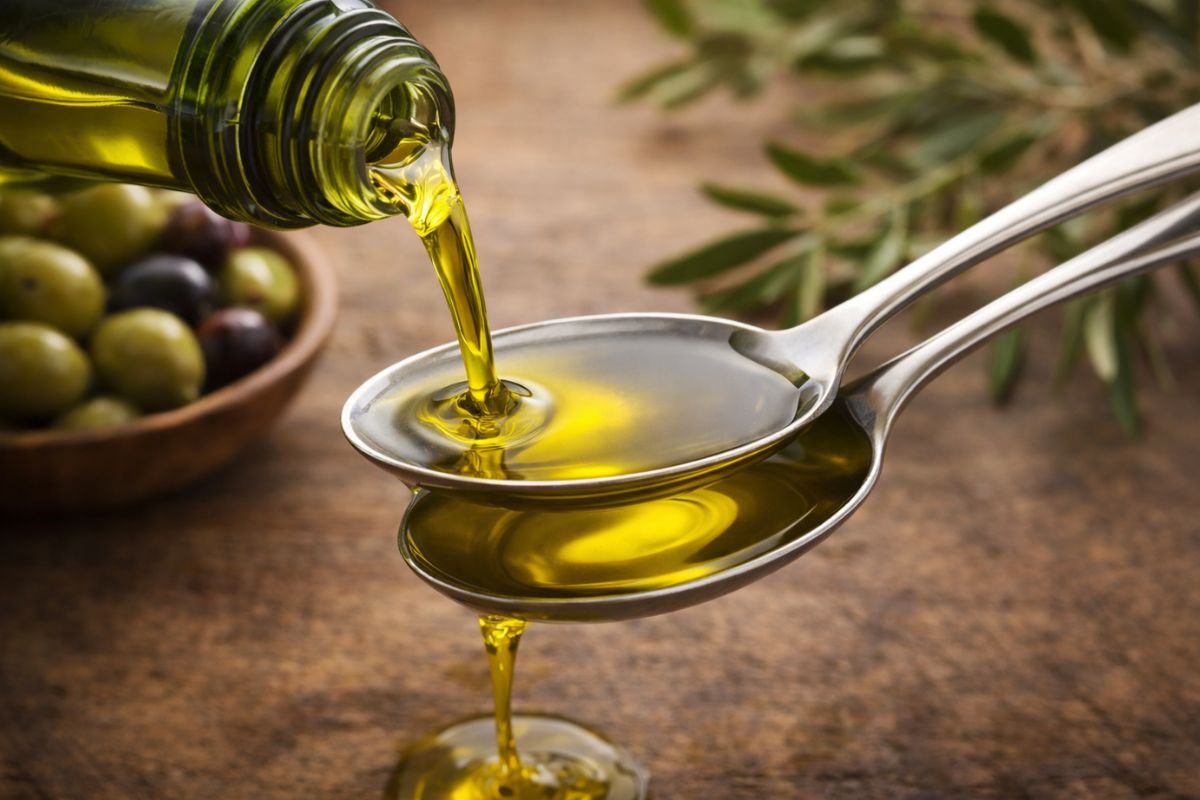
The PREDIMED study, published in the New England Journal of Medicine, showed that daily consumption of extra virgin olive oil reduces the risk of heart attack and stroke by up to 30% in high-risk individuals, in addition to protecting the liver against fat accumulation.
Few kitchen ingredients carry as much scientific evidence in their favor as olive oil. The PREDIMED study, published in the New England Journal of Medicine, one of the most respected medical journals in the world, revealed that daily consumption of extra virgin olive oil reduces the risk of serious cardiovascular events, such as heart attack and stroke, in high-risk individuals. The research followed thousands of participants over the years and has become a global reference in the field of nutrition and cardiovascular health.
But the impact of olive oil goes beyond the heart. Research indicates that the compounds present in olive oil act to protect the liver, reducing fat accumulation in the organ and assisting in the detoxification functions it performs daily. The most surprising thing is that the amount needed to reap these benefits is not excessive: two tablespoons a day are enough for the body to receive the protective effects of this ancient food that is present in most Brazilian kitchens.
How olive oil protects the heart from heart attack and stroke
According to the New England Journal of Medicine, the mechanism by which olive oil benefits the cardiovascular system is well documented by science. It is rich in monounsaturated fatty acids, especially oleic acid, which help reduce LDL cholesterol (the so-called bad cholesterol) in the bloodstream.
-
China surprises the world again with a human research program at the Tiangong station, which aims to create an unprecedented space atlas, with 387 projects submitted, 53 already completed, and a mission involving an astronaut spending over 1 year in orbit.

-
With R$ 22.5 million from BNDES, J. Assy accelerates the hybrid diesel-electric autonomous planter, featuring remote monitoring and AI: it promises to plant without an operator and adjust to the terrain; the prototype will be ready in the second half of 2026.

-
Robot that climbs açaí trees in Pará cuts bunches with a remote control, reduces accidents for harvesters, and promises to harvest 10 times more, reaching 1,000 kg per day, costing R$ 21,000 with subsidized PRONAF.

-
Scientists have discovered for the first time a gigantic cave hidden beneath a volcano on Venus, nearly a kilometer wide and 375 meters high, using radar images that had been forgotten for over 30 years.

This process prevents the buildup of plaques in the arteries and facilitates the continuous and efficient flow of blood throughout the body. Keeping the pathways clear is essential to prevent the serious problems documented by the PREDIMED study.
In addition to healthy fats, extra virgin olive oil contains powerful antioxidants, including polyphenols and vitamin E, which combat premature aging of the cells in the cardiovascular system. This protective barrier helps maintain blood pressure at appropriate levels and prevents unnecessary strain on the heart muscle.
The result is a heart that works with less effort and more efficiency. The 30% reduction in the risk of heart attack and stroke identified by the study did not come from medications, but from a simple change in daily diet.
What olive oil does for the liver silently
The liver plays a central role in detoxifying toxins and processing ingested fats. Olive oil facilitates these functions by providing compounds that naturally reduce fat accumulation in the organ.
This support is particularly important in a context where hepatic steatosis, known as fatty liver, affects a growing portion of the population due to diets rich in ultra-processed foods and saturated fats.
The phenolic compounds present in extra virgin olive oil have anti-inflammatory action that protects liver cells from damage that could lead to chronic inflammation. Maintaining liver health is essential for proper digestion and overall balance of the body.
Frequent use of olive oil stimulates the production of substances that aid in breaking down heavy foods, allowing the digestive system to function more lightly and efficiently.
The nutrients in olive oil that explain its effects on the body
The nutritional value of extra virgin olive oil is widely recognized by science as one of the pillars of the Mediterranean diet. It contains a combination of elements that act directly in cellular repair and protection against oxidative damage.
Monounsaturated fatty acids account for the majority of the composition, but it is the micronutrients that make the difference when it comes to disease prevention.
Among the most relevant components of olive oil are polyphenols with anti-inflammatory action, highly absorbable vitamin E, protective phenolic compounds, and vitamin K, essential for blood clotting and bone health.
This combination explains why the PREDIMED study found such significant results: it is not just a single nutrient acting in isolation, but a set of substances that work in synergy to protect the body from multiple fronts at the same time.
Two tablespoons of olive oil a day are sufficient
One of the most common questions about olive oil is how much to consume to obtain the benefits documented by science. The answer is surprisingly simple: two tablespoons a day are enough to reap cardiovascular and liver benefits without exceeding the caloric limit indicated for a balanced diet.
Each tablespoon contains about 120 calories, which means that the recommended daily intake adds approximately 240 calories to the diet.
The secret lies in the regularity of use, not in the quantity. Consuming olive oil sporadically does not produce the same effects as daily and consistent intake over weeks and months.
Replacing other less healthy fats, such as margarine or refined oils, with extra virgin olive oil is a swap that progressively improves the health of the arteries and liver without requiring radical changes in dietary routine. Dressing salads, finishing hot dishes, or simply adding it to bread are practical ways to incorporate the habit.
How to choose the right olive oil to ensure the benefits
Not all olive oil found on shelves delivers what it promises. The extra virgin version with low acidity is the one that preserves the highest concentration of polyphenols and antioxidants, the compounds responsible for the protective effects documented in the PREDIMED study.
Products labeled only as “olive oil” or “refined oil” have undergone processes that significantly reduce the content of these nutrients.
Checking if the packaging is dark is another essential care, as light degrades the beneficial compounds of olive oil over time. Reading labels carefully helps avoid mixtures of oils that dilute the quality of the product.
Consulting official nutrition guidelines, such as those available on the National Institutes of Health website, helps in understanding how the body benefits from this food when consumed in its purest form and from guaranteed sources.
Do you already use olive oil daily or do you still prefer other oils in the kitchen? Did you know that two tablespoons a day can make such a difference in heart and liver health? Let us know in the comments. This is the kind of information worth sharing with those you want to see living better.









Seja o primeiro a reagir!