





 English
  Francês
  Alemão
  Italiano
  Japonês
  Norueguês
  Portuguese
  Spanish
  5 min of reading
  0 comments



Study points to advancement of renewable energy in Brazil and reveals how companies expand the contracting of renewable energy to generate savings, reduce operational costs, and strengthen sustainable strategies in the current energy market.
The renewable energy in Brazil has regained strength in the strategic planning of companies. A study released by Clean Energy Latin America (Cela) revealed that the contracting of renewable energy grew significantly in 2025, even in the face of structural challenges in the electricity sector.
The data shows that 40 contracts were signed in the free market, totaling 1,207 MW average and 4.2 GW of installed capacity. Compared to 2024, when there were 659 MW average negotiated in 31 agreements and 2.3 GW of capacity, the growth was 83.2%.
This movement indicates that companies are acting proactively to ensure savings, predictability, and energy security. The advancement also reinforces the consolidation of renewable energy in Brazil as a strategic and competitive alternative.
-
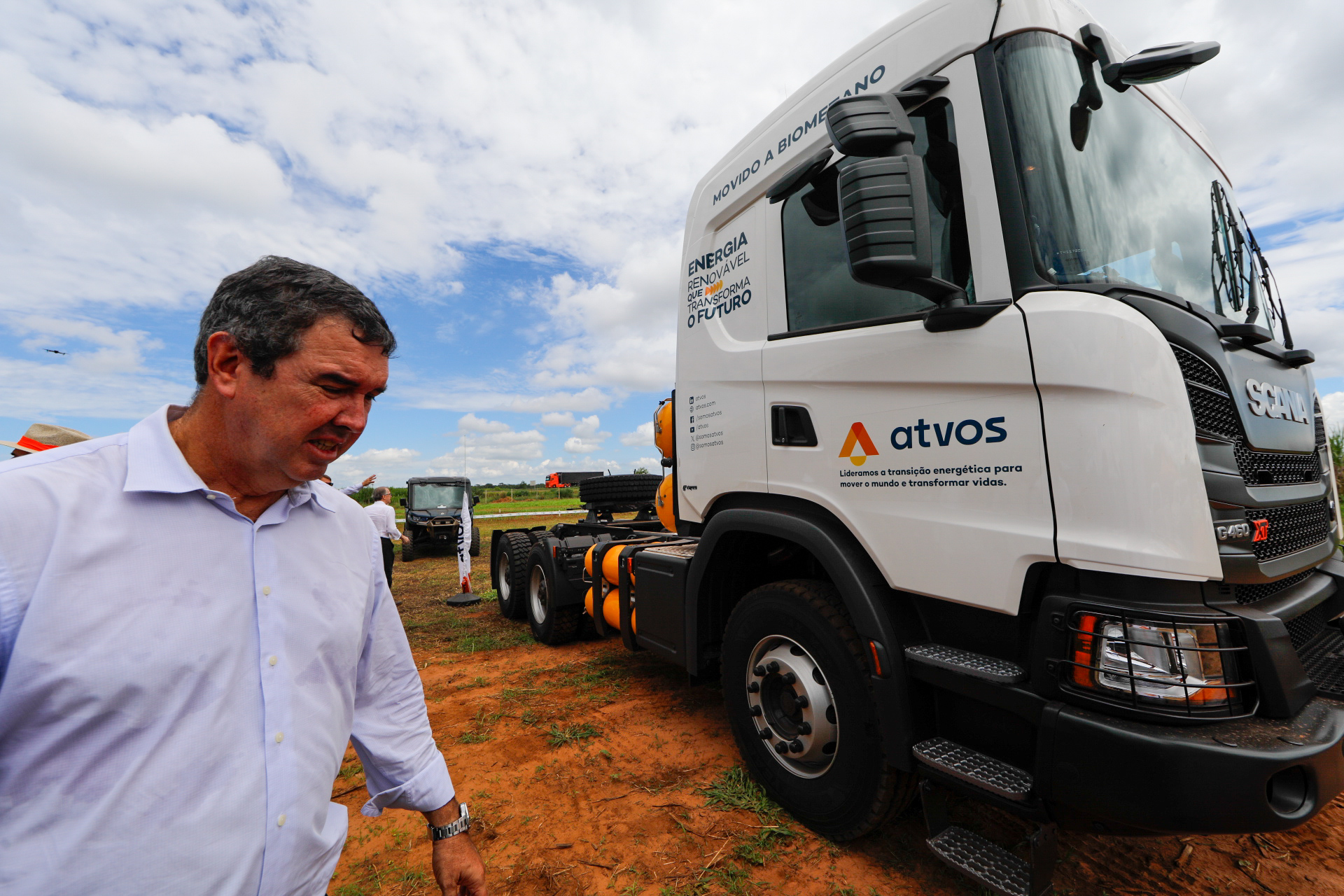
Mato Grosso do Sul excels in the sugar-energy sector: the state reaches a milestone of 22 operating mills and accelerates the production of clean energy in MS with a focus on sustainability.
-
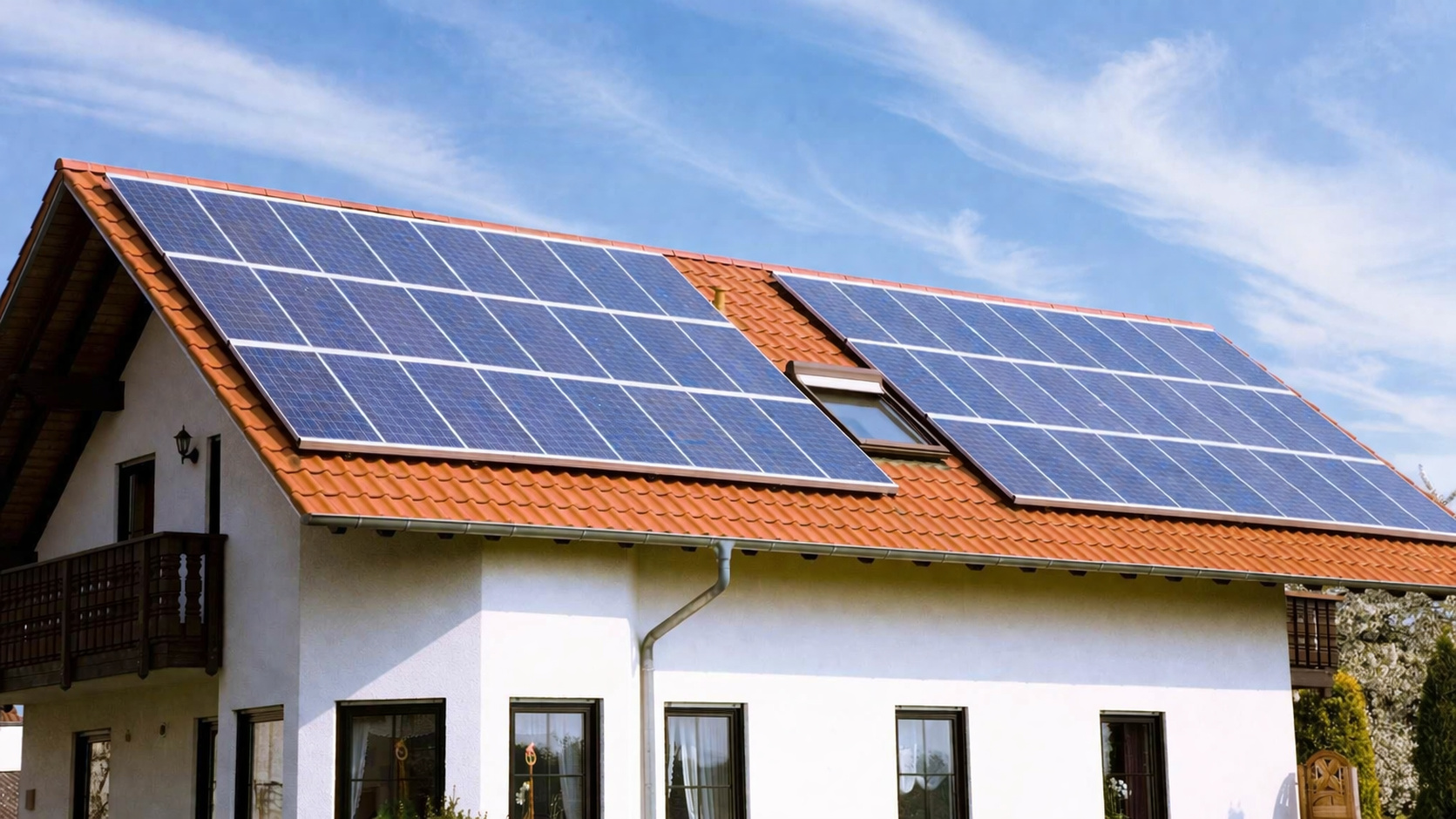
National energy dilemma: Brazilians support clean energy but reject increases in tariff costs to finance the sustainable transition.
-
Research indicates that Brazilians support clean energy and wish to advance in the energy transition, but reject paying more on their electricity bill, showing a direct conflict between cost and sustainability.

-
The only natural hydrogen field in commercial operation on the planet was discovered by accident when a driller lit a cigarette over a dry well in Mali; the fire lasted for weeks, the well was capped and forgotten for 24 years because no one knew it was hydrogen, and today it supplies an entire village with clean energy.


Race for contracts reinforces importance of contracting renewable energy for companies
The study points out that the growth was driven by a corporate race to close contracts before regulatory changes in the electricity sector. This anticipation helped accelerate the contracting of renewable energy, especially among large consumers.
Companies began to seek models that ensure more control over costs and operations. Among the main perceived benefits are:
- Significant reduction in energy expenses
- Long-term predictability
- Greater energy efficiency
- Protection against market fluctuations
The renewable energy in Brazil thus becomes a competitive differential. Businesses that adopt this strategy can not only reduce costs but also strengthen their position in the market.
Self-production gains space and redefines the economy in the Brazilian energy market
One of the central points of the study is the advancement of self-production. In this model, companies become partners in generation projects, ensuring financial and operational advantages.
The contracting of renewable energy through self-production offers important benefits, such as exemption from charges and greater control over supply. This directly contributes to the savings of companies, especially in energy-intensive sectors.
Another relevant data point is that all contracts mapped in 2025 followed this model. This shows a clear change in market behavior, which is beginning to prioritize more customized solutions instead of traditional contracts. The renewable energy in Brazil thus evolves into a more sophisticated model, aligned with the specific needs of each company.

Changes in legislation influence decisions and boost new businesses
The reform of the electricity sector played a decisive role in this scenario. The study highlights that changes in self-production rules led companies to anticipate decisions and accelerate the contracting of renewable energy.
The main changes include:
- Increase in the minimum demand required
- Greater mandatory participation of companies in projects
- Adjustments in the rules for accessing tariff benefits
These changes created a sense of urgency in the market. As a result, there was a significant increase in contracts in 2025. Even with possible future adjustments, the trend is that renewable energy in Brazil will continue to attract investments, driven by the search for savings and energy security.
Even with losses in the sector, renewable energy in Brazil maintains consistent growth
Despite the progress, the sector faces significant challenges. The study shows that renewable generators suffered losses due to production cuts determined by the National Electric System Operator.
These cuts occur mainly due to:
- Lack of sufficient demand
- Limitations in the transmission network
- Infrastructure bottlenecks
Companies like Auren Energia and CPFL Energia reported losses close to R$ 500 million in 2025. Even in this scenario, the contracting of renewable energy continued to advance. This shows that the long-term benefits, especially in terms of savings, still outweigh the short-term risks. The renewable energy in Brazil demonstrates resilience and remains one of the pillars of the energy transition.
New sectors expand demand and strengthen the free energy market
The study also points to an important change in the profile of consumers. The contracting of renewable energy is no longer concentrated only in large industries and has begun to attract new segments.
Among them, the following stand out:
- Data centers
- Technology companies
- Large-scale digital operations
These sectors demand large volumes of energy and seek more efficient alternatives. The renewable energy in Brazil emerges as the ideal solution, combining sustainability and cost reduction.
This movement expands the reach of the free market and strengthens the competitiveness of the national energy sector.
History of investments proves the strength of renewable energy in Brazil
The study also analyzed the last decade and revealed significant numbers. In total, 214 contracts were counted, with 6.04 GW average of traded energy and 21.8 GW of installed capacity.
The investments associated with the contracting of renewable energy totaled about R$ 88.8 billion during the period. These data reinforce the importance of renewable energy in Brazil as a driver of economic development.
Moreover, they show that the savings generated by this model are not just one-off, but structural. Companies that invest in clean energy can maintain more stable costs over time. This history also highlights the maturity of the market, which continues to evolve even in the face of challenges.
Sustainability and economy go hand in hand in the strategy of companies
The environmental agenda has increasingly gained space in corporate decisions. The study indicates that the contracting of renewable energy is directly linked to ESG commitments.
Companies seek to reduce emissions, improve reputation, and meet investor demands. In this context, renewable energy in Brazil becomes a strategic tool.
The main objectives include:
- Reduction of carbon footprint
- Compliance with environmental targets
- Attraction of sustainable investments
- Strengthening corporate image
At the same time, the savings generated by clean energy reinforce the viability of these initiatives. In other words, sustainability and cost reduction go hand in hand.
What this movement reveals about the future of the Brazilian electricity sector
The study shows that the Brazilian electricity sector is undergoing a profound transformation. The contracting of renewable energy is no longer an alternative but has become a strategic necessity.
Even with challenges such as limitations in infrastructure and regulatory adjustments, renewable energy in Brazil continues to advance. The growth of new consumer sectors and the search for energy efficiency should maintain this trend.
The expectation is that the market will evolve into increasingly personalized and efficient models. In this scenario, companies that invest early will have clear advantages in terms of savings, competitiveness, and sustainability.
The movement observed in 2025 is not isolated. It represents a structural change that will shape the future of energy in the country.








Seja o primeiro a reagir!