





estudo


Science and Technology
Capable of storing up to five times more carbon than terrestrial forests and protecting millions of people against tsunamis and storms, the planet’s mangroves are reemerging after decades of destruction and surprising scientists with their impressive natural regeneration capacity.
Maria Heloisa Barbosa Borges 15/06/2026 at 18:12
Science and Technology
The sea is swallowing the coast increasingly faster, and a new UN report confirms the silent jump from 3.2 to 4.3 millimeters per year, a direct threat to the capitals of the 17 coastal states and the 8,000 kilometers of coastline in Brazil.
Maria Heloisa Barbosa Borges 08/06/2026 at 15:21
Science and Technology
Scientists from 86 countries concluded in a UN report that the rate at which the sea level rises has doubled from up to 1.9 to 4.3 millimeters per year since 2015 and link the future of billions to the health of the ocean, threatened by climate change and pollution.
Maria Heloisa Barbosa Borges 08/06/2026 at 15:05
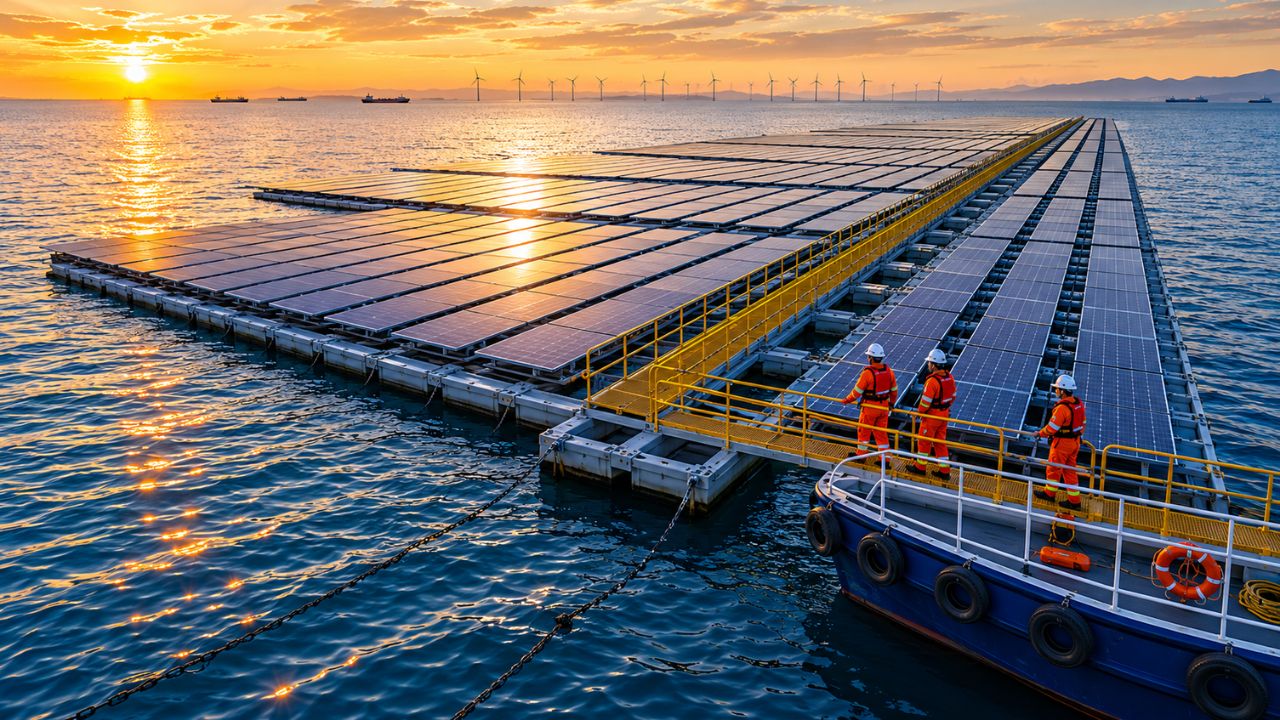
Solar Energy
Solar panels at sea can generate up to 12% more energy than land-based plants, study finds: Researchers from Taiwan discovered that offshore solar panels take advantage of the natural cooling of water to increase electrical efficiency, reduce heat losses, and expand renewable energy production in regions with limited available land space.
Andriely Medeiros de Araújo 28/05/2026 at 19:50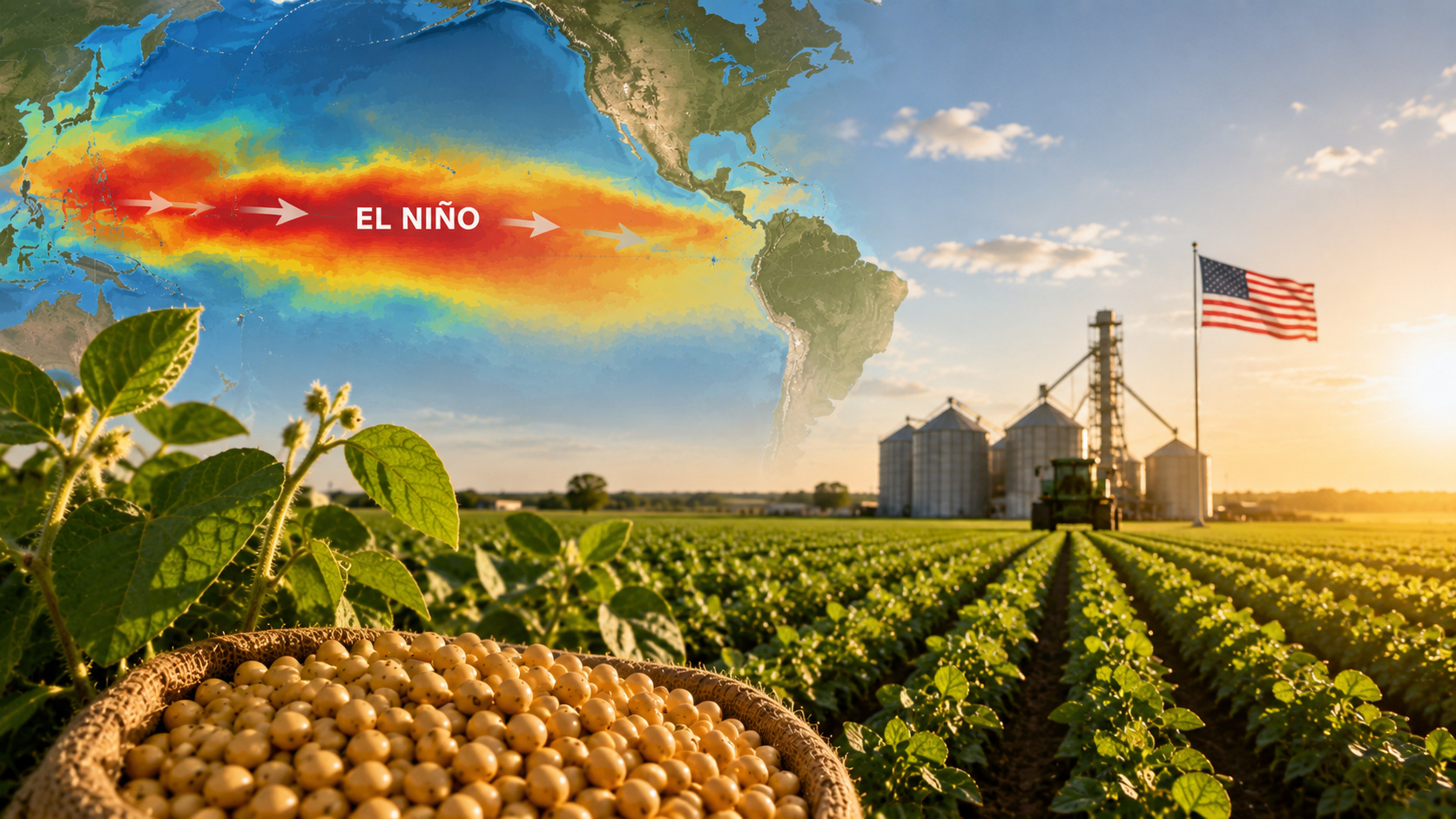
Agribusiness
Study reveals that El Niño is gaining strength in the Pacific, favoring the soybean crop in the United States in 2026 and increasing the risk of losses in Brazil due to excessive rainfall in the South and drought in the Midwest, a scenario that could affect global prices and agricultural exports.
Hilton Libório 27/05/2026 at 17:35
Science and Technology
Great Atlantic Sargassum Belt has ceased to be a climatic phenomenon and has become a biological system that feeds on itself, with 8,000 kilometers in length, 37 million tons of algae, and scientists confirm that it is now permanent.
Maria Heloisa Barbosa Borges 26/05/2026 at 21:41

Science and Technology
Researchers discover that the more ice melts in Antarctica, the more warm water can reach the base of the platforms and melt even more. A scientist says that the climate tipping point may arrive sooner than current models predict.
Maria Heloisa Barbosa Borges 16/05/2026 at 12:58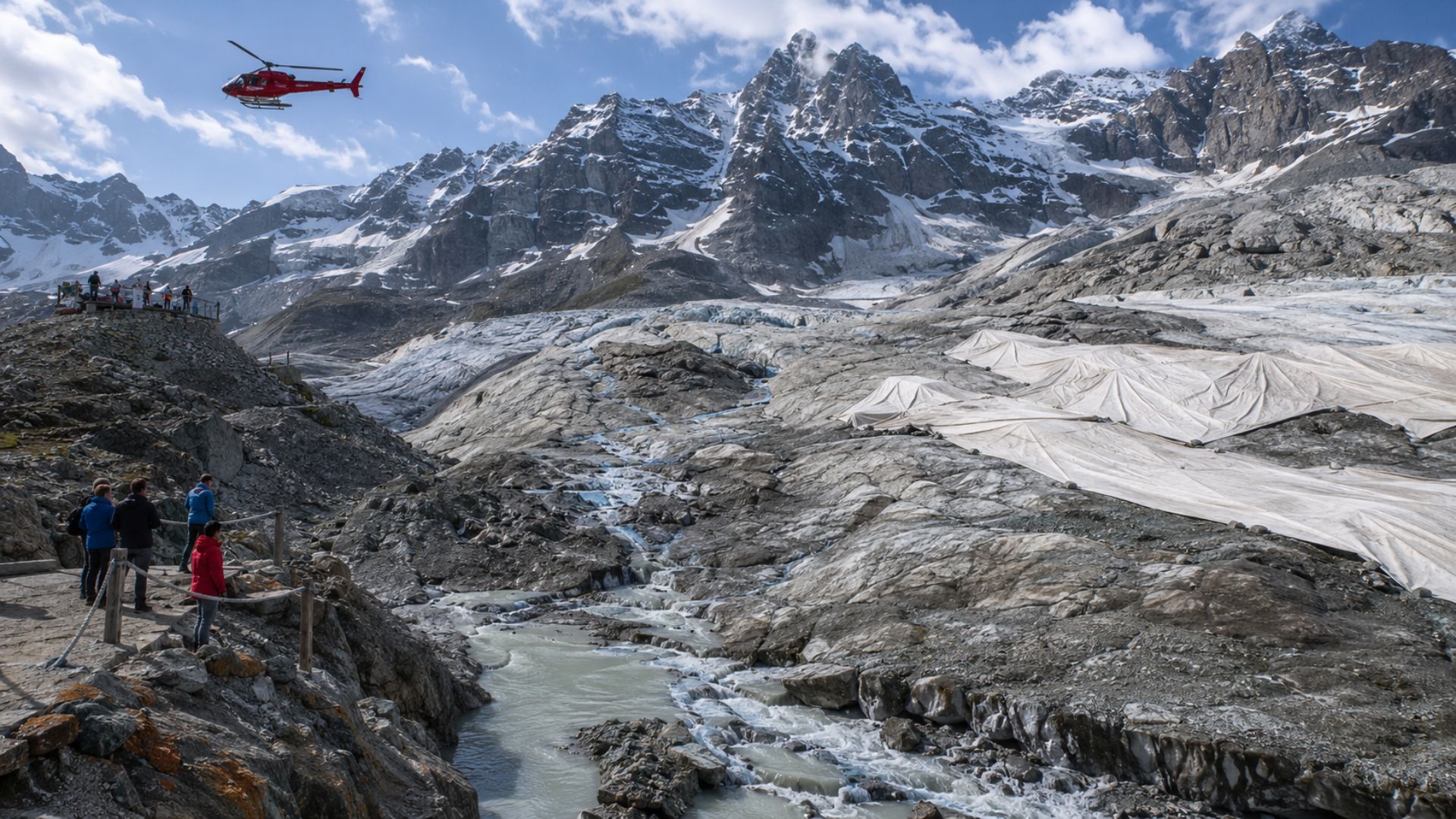
Science and Technology


