





 Portuguese
  English
  Spanish
  3 min of reading
  0 comments


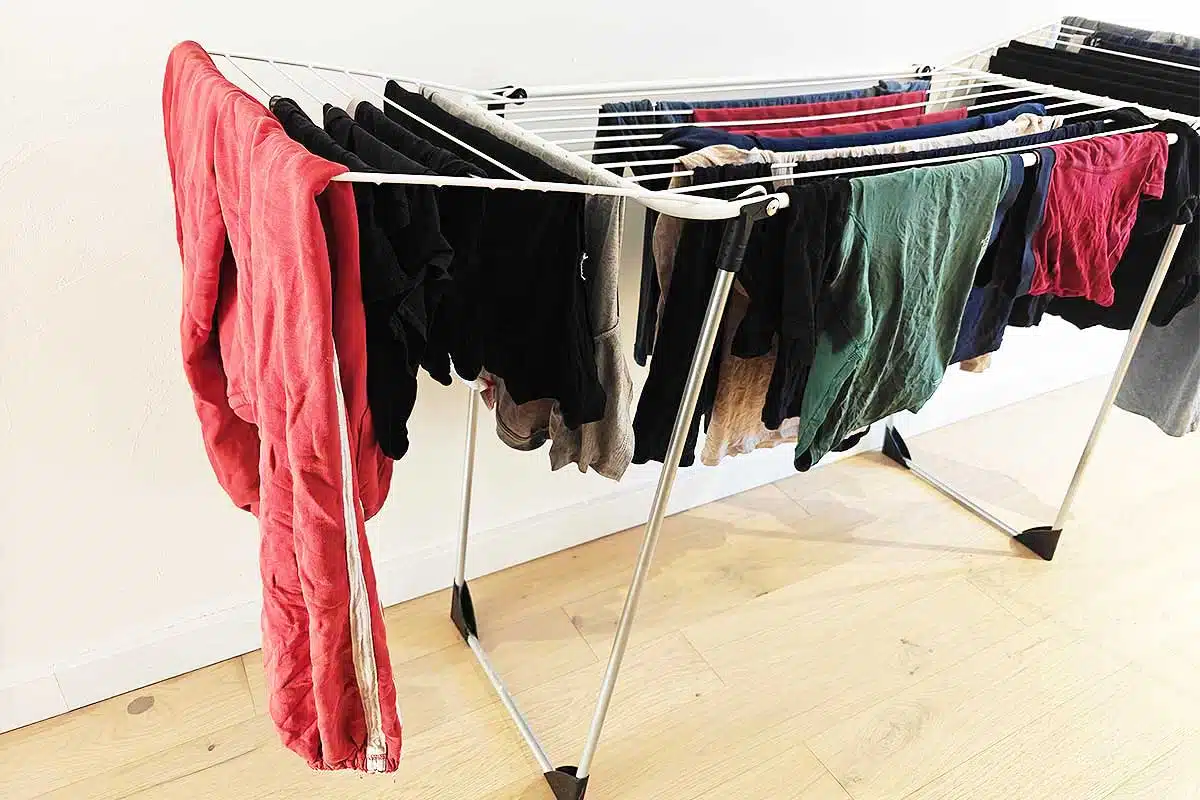
A Simple And Effective Technique Created In Japan Promises To Dry Clothes Faster, Saving Time And Energy.
Drying clothes is a daily task that can become a challenge, especially in small spaces and during the colder months of the year.
However, there is a simple and efficient solution that has gained attention: the “Rainbow” technique, which originated in Japan.
This smart drying method promises to speed up the drying of clothes without relying on high-energy appliances. In other words, the clothes will dry faster without spending an extra cent for it.
-
How to build a floating island from scratch with reeds, giant blocks, and stakes in the lake in a process that needs to be repeated almost every day.

-
A forgotten cord on the floor of a basement in Vienna leads a plumber to a box containing 30 kilograms of gold with Mozart’s face, hidden before World War II. The treasure, worth 2.3 million euros, was just centimeters away from a worker who ignored the sign a day earlier.

-
A couple buys an old chalet, breaks the kitchen floor for renovation, and finds over a thousand coins of gold and silver hidden since the English Civil War over 4 centuries ago.
-
Rigid bags with their days numbered: new trend prioritizes comfort in 2026.

What Is the “Rainbow” Technique?
Inspired by the need to optimize spaces in Japanese homes, where compact apartments are common, the “Rainbow” technique consists of organizing clothes on the drying rack strategically to maximize air circulation.
The arrangement in an arc allows moisture to evaporate more quickly, resulting in effective drying without unpleasant odors.
In Japan, where living spaces are limited, this approach has been developed as an efficient alternative to outdoor drying.
Many Japanese people have adopted this technique in their routines, making the most of internal environmental conditions to dry their clothes without compromising the available space.

How to Apply the Method Step by Step
Organizing clothes is the key to the success of the “Rainbow” technique. Follow these steps to implement the method correctly:
- Positioning the Larger Pieces:
- Place longer and heavier clothes, such as pants and towels, in the center of the drying rack.
- Distribution of Medium Pieces:
- Shirts and t-shirts should be placed around the central pieces, creating a gradual transition.
- Small Items on the Sides:
- Underwear and rags can be placed at the ends of the drying rack.
This layered distribution, similar to a rainbow, improves air flow between the pieces, promoting more even drying. Additionally, the method helps prevent clothesline marks and unwanted wrinkles.


Benefits of the “Rainbow” Technique
Applying this method brings a series of advantages, both in terms of savings and practicality:
- Reduction of Drying Time: By optimizing air circulation, clothes dry faster, saving time.
- Prevents Unpleasant Odors: Better ventilation prevents moisture from being retained for too long, preventing mold smells.
- Sustainable Solution: Eliminates the use of electric dryers, reducing energy consumption and electricity costs.
- Greater Durability of Clothes: The method minimizes wear caused by excessive heat from electric dryers, preserving the quality of fabrics for longer.
Where to Position the Drying Rack?
To enhance the effects of the technique, the location where the drying rack is positioned makes all the difference. Some important tips include:
- Close to Heat Sources: Radiators are ideal for cold days, but maintain a safe distance to avoid fire hazards.
- Near Windows: Exposure to natural light and fresh air circulation speeds up moisture evaporation.
- Avoid Humid Locations: Basements or unheated balconies are not recommended, as they can slow down drying.
Additional Tips for Quick Drying
In addition to the “Rainbow” technique, some other strategies can be adopted to ensure more efficient drying in indoor environments:
Proper Spacing: Never stack clothes or overlap them. Leave gaps between pieces to facilitate airflow.
Use of Fans: Placing a fan about a meter away from the drying rack can significantly accelerate drying.
Choice of Fabrics: Hang lighter fabrics in the center and heavier ones on the edges to ensure even drying.
Use of Dry Towels: Placing a dry towel with the wet clothes can help absorb excess moisture, speeding up the process.
Adopting sustainable strategies for drying clothes not only saves financial resources but also contributes to a more ecological future.
The “Rainbow” method is an accessible and efficient option for those seeking a practical and sustainable solution for drying clothes.







Seja o primeiro a reagir!