





 Portuguese
  English
  Spanish
  4 min of reading
  0 comments


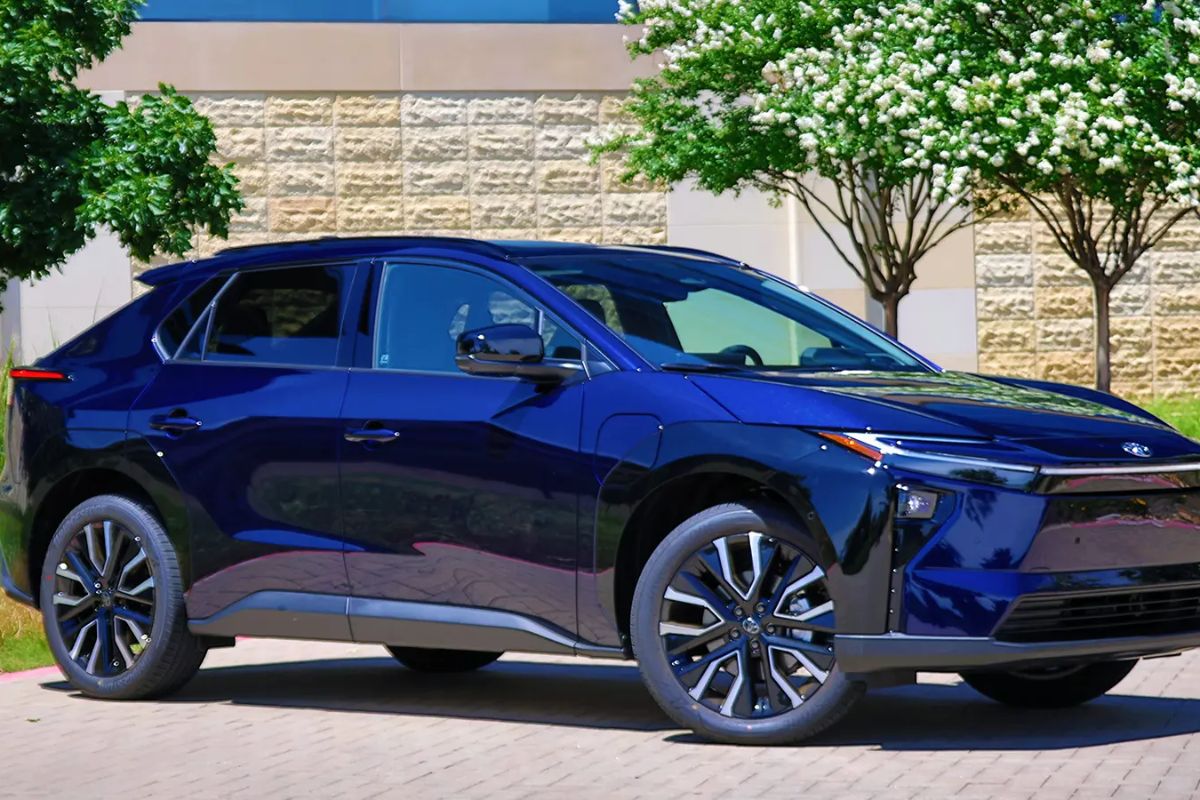
With A New Generation Of Batteries And A Revamped Design, The Japanese Giant Prepares A 100% Electric SUV To Compete With BYD And Other Chinese Electric Cars.
Toyota is preparing one of its biggest offensives in the electric car market. By 2026, the Japanese giant plans to launch a 100% electric SUV of a new generation, equipped with battery technology that promises to revolutionize the range of the brand’s vehicles, with ranges that can reach 800 km.
After years of being accused of ‘missing the boat’ in the electric vehicle race, Toyota is finally preparing its counteroffensive. This move is a direct response to the rapid rise of competitors, especially the Chinese BYD, and represents a strategic repositioning of Toyota. The company is heavily investing to correct the flaws of its early electric models and to develop a new family of vehicles and batteries that will firmly place it at the forefront of the electric era.
What We Already Know About The bZ 2026 And The New Compact Electric Crossover
Toyota’s strategy for 2026 is based on two fronts. The first is the deep update of its first global electric SUV, which in Brazil is still known as the bZ4X. The 2026 model, which will be renamed simply “bZ”, received a significant power increase, jumping from 214 hp to 338 hp in the all-wheel-drive version, and a new battery that raises its range to approximately 505 km.
-
Spain surprises the world by erecting 62 artificial dunes, mixing sand with natural remains of posidonia, and causing the structure to lose only 1.4% of its volume in 1 year.

-
With 16 Bulava missiles, improvements in acoustic stealth, and a design focused on silent patrols, Russia’s nuclear submarine was born to ensure Moscow’s invisible retaliation and has become one of the pillars of its maritime strength.

-
‘Populous’ city in Rio among the worst in Brazil in national ranking and exposes silent development crisis.

-
Couple buys house in the South Zone of São Paulo, opens a hidden door in the garage, and finds a secret wine cellar with dozens of old wines forgotten since the 1970s.

The second and most important front is the launch of a completely new 100% electric SUV. Based on the bZ Compact SUV Concept, this model will feature a sportier and bolder design with a coupe style. Its official presentation is scheduled for 2025, with market arrival expected in 2026, positioning it as a direct competitor to models like the Volvo EC40.
The New Generation Of “Performance” Batteries And The Promise Of 800 km
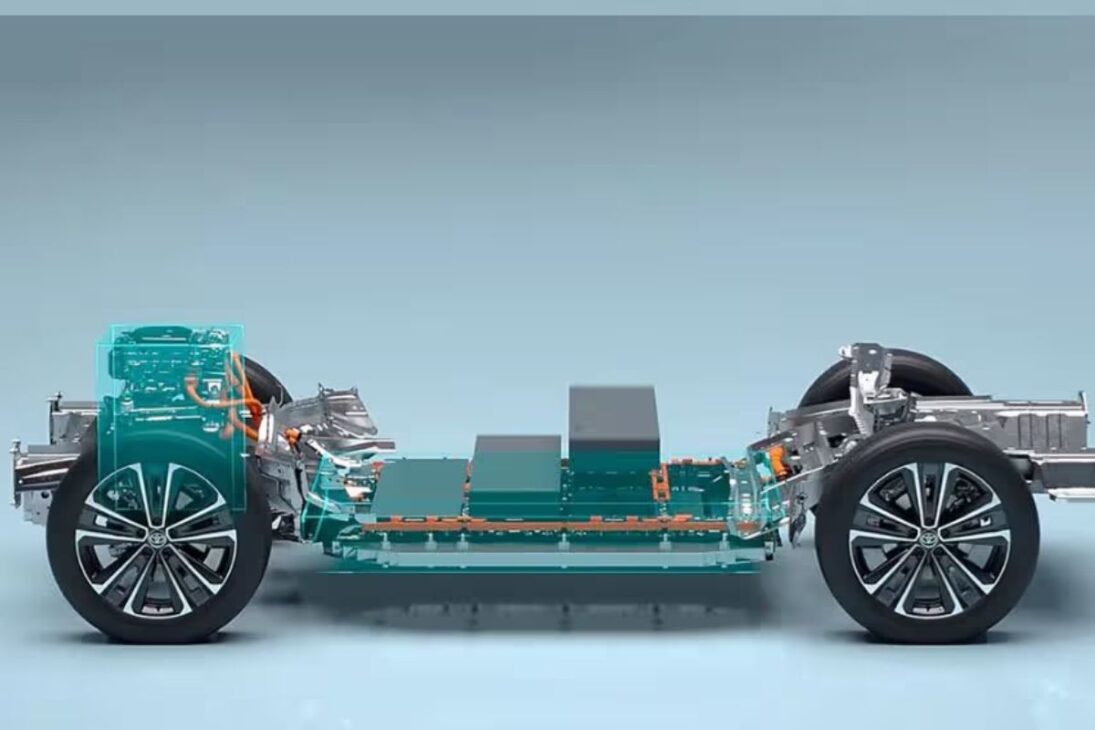
The heart of Toyota’s offensive lies in its new generation of batteries. The standout feature is the “Performance” battery, with NCM chemistry (nickel, cobalt, manganese), scheduled to be introduced in vehicles from 2026.
This technology brings the promise of 800 km of range. However, caution is necessary: this number likely relies on optimistic test cycles, such as the Chinese CLTC. Under more realistic conditions, like those of the American EPA standard, the range should be around 600 km, which is still a highly competitive figure. In addition to range, the new battery promises a 20% reduction in cost and a fast charging time, from 10% to 80% in 20 minutes or less.
The Toyota bZ4X In Brazil: What’s Already Available
While Toyota plans its future generation of electric vehicles, the first step of this strategy is already present in the Brazilian market: the Toyota bZ4X. Launched as the brand’s first 100% electric SUV in the country, it serves as a real-time laboratory and the foundation upon which the company’s counteroffensive is being built. Analyzing the model already on the streets of Brazil is crucial to understanding the challenges and opportunities faced by Toyota.
The bZ4X arrived in Brazil with the mission of establishing Toyota’s presence in the electric segment. Built on the modern e-TNGA platform, the model available in the country is the initial global version, with a front electric motor delivering 204 hp of power, or an all-wheel-drive configuration with two motors totaling 218 hp. Its 71.4 kWh battery guarantees a claimed range of up to 503 km in the European WLTP cycle.
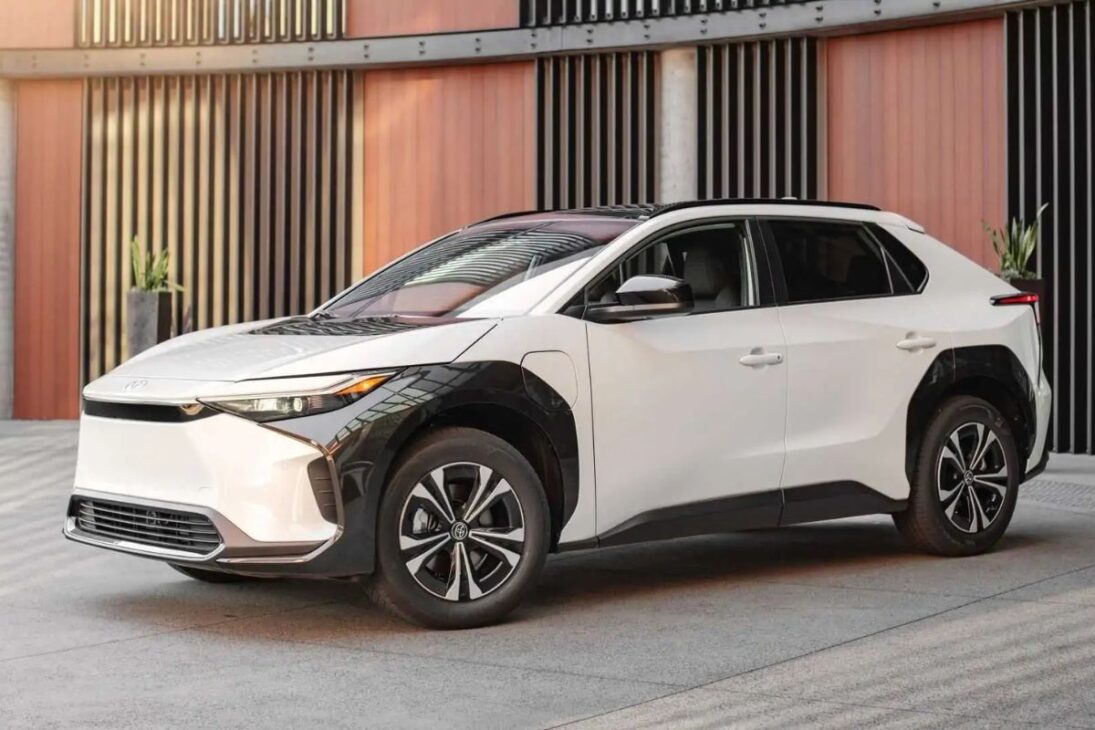
In tests and evaluations in Brazil, the SUV is praised for its ride comfort, generous interior space (thanks to the long wheelbase of 2.85 meters), and the typical build quality of Toyota. However, it has also faced criticism. Its performance, with a 0 to 100 km/h time of around 7.5 seconds, is considered only satisfactory for the category. The design of the dashboard, with the digital cluster positioned above the steering wheel, has sparked debates about ergonomics for drivers of different heights.
The main challenge for the bZ4X in Brazil, however, has been its pricing position. With estimated values in the range of R$ 320,000, it competes in a high purchasing power market niche, where it faces Chinese competitors that often offer more performance and technology at a similar or lower price. The experience with the bZ4X serves, therefore, as a valuable lesson for Toyota, informing the pricing and equipment strategy for future launches, such as the 2026 compact crossover, which will need to be much more competitive to compete in the volume market.
The Electric Future Of Toyota And The 100% Electric SUV
Toyota’s strategy goes beyond 2026. The company has already outlined a roadmap that includes the launch of a cheaper LFP (Lithium Iron Phosphate) battery to popularize the 100% electric SUV, and a “High Performance” battery for after 2027.
Toyota’s big long-term bet, however, is on solid-state batteries (SSBs). The promise is revolutionary: a range exceeding 1,000 km and a charging time of just 10 minutes. However, this technology still faces immense skepticism in the industry, with significant cost and scalability challenges. Toyota’s future will depend on its ability to turn these lab promises into mass-produced products, and the 100% electric SUV of 2026 will be the first major test of this new phase.








-

-

-

-

-

-

28 pessoas reagiram a isso.