





 Portuguese
  English
  Spanish
  4 min of reading
  0 comments


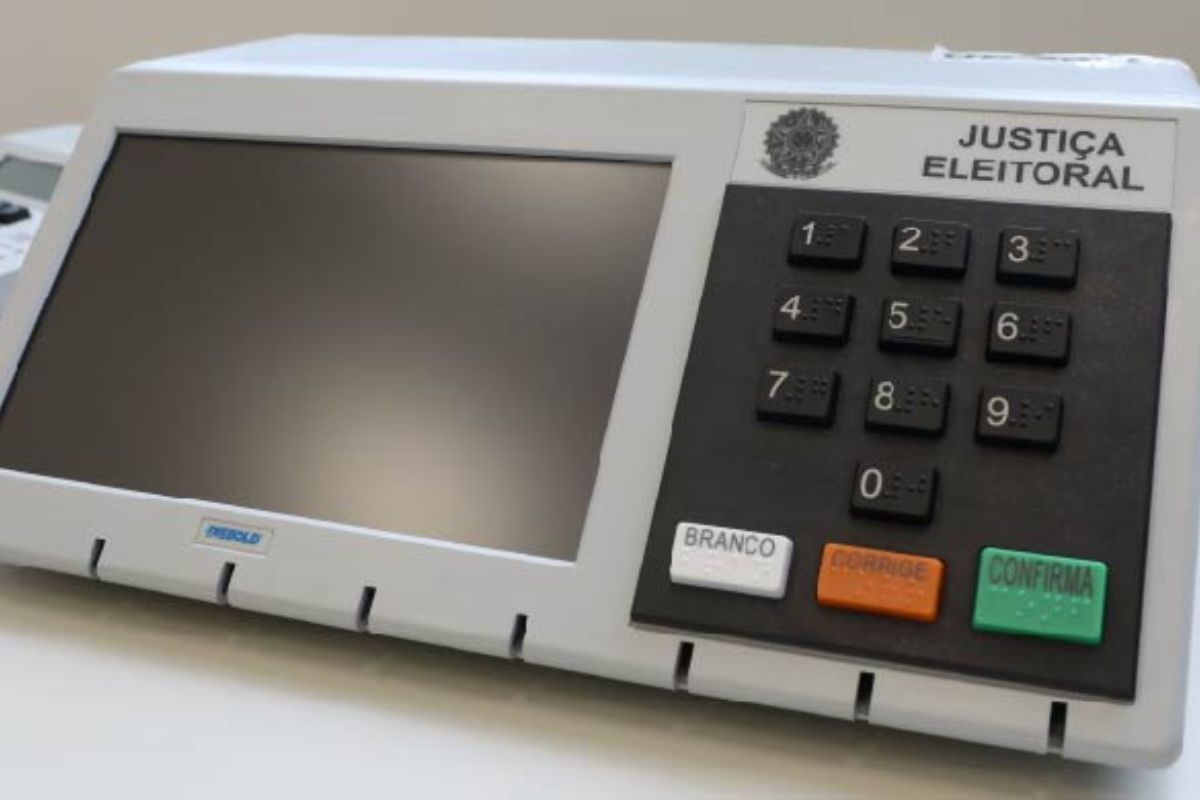
Born to Combat Historical Fraud, the Brazilian Electronic Voting Machine Has Established Itself as a Fast and Secure System Capable of Counting the Votes of More Than 155 Million Voters in a Few Hours.
The Brazilian electronic voting machine is one of the biggest innovations in electoral technology in the world. According to reports from international missions, such as those from the Organization of American States (OAS), the system stands out for its ability to count the votes of one of the largest electorates on the planet in a matter of hours, a feat that contrasts with the days or weeks that many developed countries take to complete their counts.
However, the history of the voting machine is not just about speed. It was born out of the need to end a long tradition of fraud that undermined trust in Brazilian democracy. Developed in the 1990s, the voting machine became a pillar of the electoral process, but even today it is the subject of debates regarding its security and transparency.
The End of the Era of Fraud: Why Brazil Needed the Electronic Voting Machine?
The history of elections in Brazil, during the Empire and most of the Republic, has been marked by fraud. Practices such as the “cattle voting” (in which the voter was forced to bring a pre-filled ballot) and the “pregnant ballot box” (in which fake votes were inserted into the ballot box before voting) were common.
-
Spain surprises the world by erecting 62 artificial dunes, mixing sand with natural remains of posidonia, and causing the structure to lose only 1.4% of its volume in 1 year.

-
With 16 Bulava missiles, improvements in acoustic stealth, and a design focused on silent patrols, Russia’s nuclear submarine was born to ensure Moscow’s invisible retaliation and has become one of the pillars of its maritime strength.

-
‘Populous’ city in Rio among the worst in Brazil in national ranking and exposes silent development crisis.
-
Couple buys house in the South Zone of São Paulo, opens a hidden door in the garage, and finds a secret wine cellar with dozens of old wines forgotten since the 1970s.

The catalyst for change was the scandal of the 1994 elections in Rio de Janeiro. The evidence of manipulation was so overwhelming that the Regional Electoral Court (TRE-RJ) had to annul the voting for deputies. The episode, as reported by the press at the time, “definitively exposed the bankruptcy of the manual voting and counting system,” making the creation of a new system a national urgency.
The Creation of the Voting Machine in the 90s
The creation of the Brazilian electronic voting machine was a state project. Instead of purchasing foreign technology, the Superior Electoral Court (TSE), under the presidency of Minister Carlos Velloso, formed a partnership with some of the most respected institutions in the country to develop a sovereign solution.
The technical project was developed by a team that included specialists from the TSE, the National Institute for Space Research (INPE), the Aeronautics Technological Institute (ITA), and technology sectors of the Armed Forces. This collaboration ensured that Brazil had full control over the hardware and software of the system from the outset.
The Step-by-Step Implementation: From 1996 to Universalization in 2000
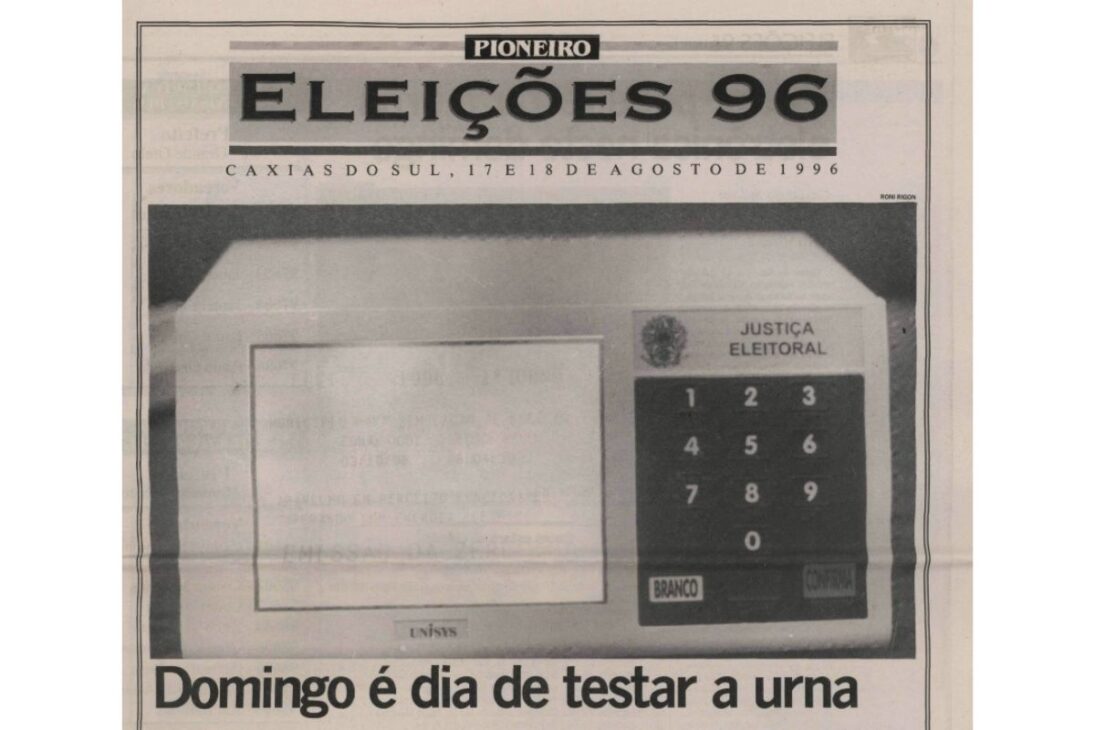
The debut of the Brazilian electronic voting machine occurred in the municipal elections of 1996. The system was implemented in 57 cities, including all state capitals, reaching about 32% of the electorate. The success of the operation, with results counted in record time, gave confidence for expansion.
In the general elections of 1998, usage was expanded to 537 municipalities. Universalization came in the municipal elections of 2000, when, for the first time, 100% of Brazilian municipalities used electronic voting, in the largest computerized election in the world to that date.
How Does the Security of the Brazilian Electronic Voting Machine Work?
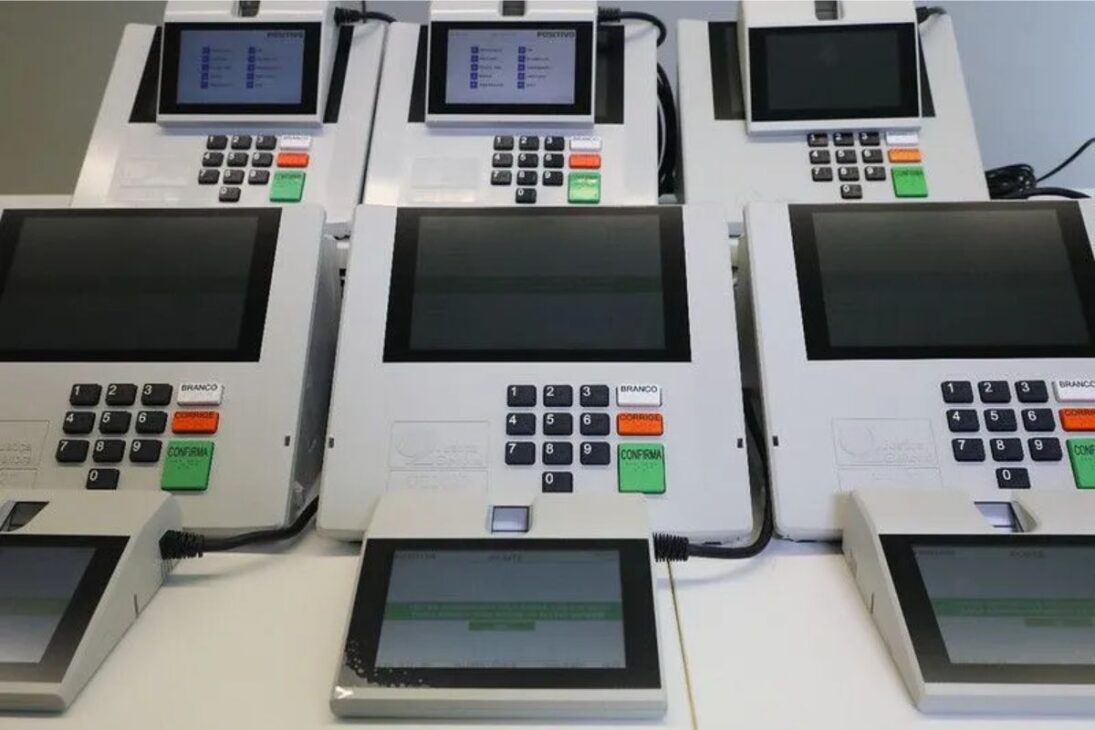
The security of the voting machine is based on a fundamental principle: physical isolation. The machine is a single-purpose computer, without any connection to the internet, Wi-Fi, or Bluetooth. This makes it immune to remote attacks.
Additionally, the system has more than 30 layers of security, including:
- Proprietary Software: The entire operating system (a customized version of Linux called Uenux) and the programs are developed by the TSE.
- Digital Signature: All files and programs are digitally signed, ensuring they have not been altered.
- Encryption: Votes are shuffled and encrypted to ensure confidentiality and integrity.
The Multiple Forms of Audit of the System
Trust in the system is built through a public audit ecosystem. Before the election, the source code of the voting machine is opened for inspection by parties, universities, and other entities. In addition, the TSE conducts the Public Security Test (PST), where ethical hackers are invited to attempt to infiltrate the system to find and correct vulnerabilities.
On election day, the Integrity Test (or “parallel voting”) is the final proof. Randomly selected machines undergo a simulated vote, and the electronic result is publicly compared with the manual count of paper votes, always achieving 100% match.
The Debate on Printed Voting and International Recognition
Despite all the security mechanisms, the Brazilian electronic voting machine is the subject of an ongoing debate regarding the implementation of printed voting. The proposal, which was rejected by Congress in 2021, has been discussed again in 2024.
Proponents argue that a paper receipt would increase trust, creating a physical audit trail. Critics, including the TSE, warn that the measure would be a regression, reintroducing the risk of fraud in manual counting.
While the internal debate continues, the Brazilian system receives international praise. Observation missions from the Organization of American States (OAS) consistently highlight the efficiency, security, and transparency of the Brazilian electoral process as an example for the world.








Seja o primeiro a reagir!