





 Portuguese
  English
  Spanish
  5 min of reading
  2 comments


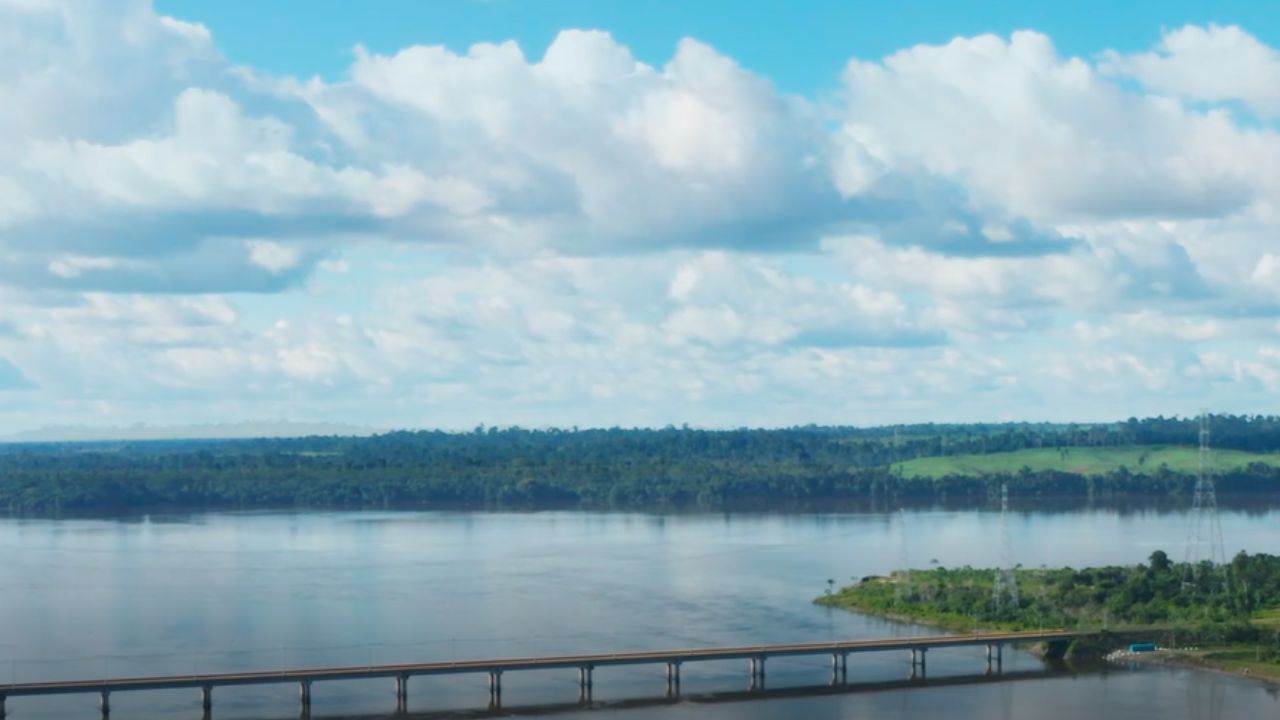


Know The History Of The Monumental Hydroelectric Plant That Moved More Earth Than The Panama Canal, Altered An Amazon River And Generated A Legacy Of Social And Environmental Impacts.
In the heart of the Amazon, the Belo Monte Hydroelectric Plant redefined the landscape of the Xingu River in Pará. Its construction required the excavation of more earth and rock than the Panama Canal. The project diverted the course of a river, flooded a forested area the size of a metropolis, and became the most monumental and controversial infrastructure work in Brazil in the 21st century.
The Engineering Behind The Hydroelectric Plant
The magnitude of the Belo Monte Hydroelectric Plant is an engineering feat. To tame the “Volta Grande do Xingu,” a 100 km stretch with a gentle slope, the solution was to create an artificial waterfall. This required a radical re-engineering of the river.
The complex is not just a dam, but a system of structures. At the Pimental Site, a dam measuring 6.7 km long diverts most of the water into a canal. This Diverging Canal, measuring 20.2 km, is the most invasive structure.
-
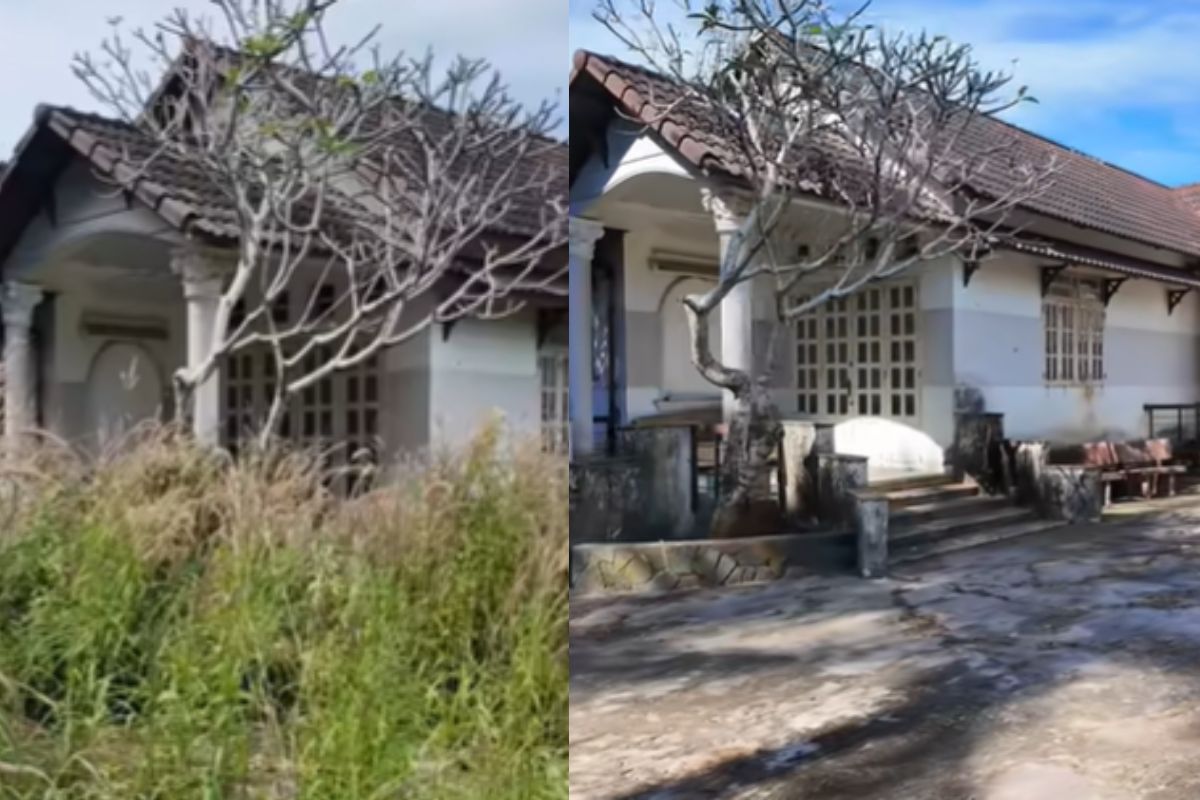
Abandoned house for 15 years disappears in the woods, shocks owner with unrecognizable scenery and is reborn in an intense transformation after almost 90 hours of work in just 10 days.
-
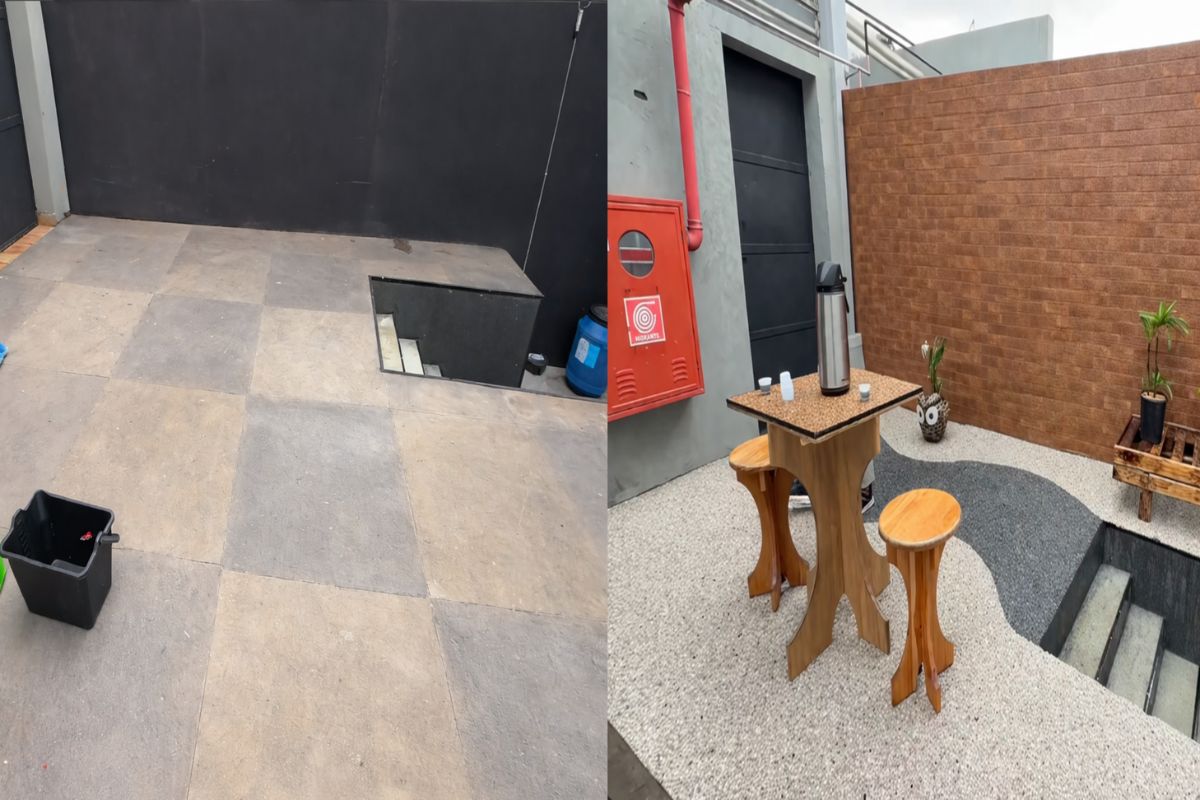
In just three hours, a natural stone floor transforms the entrance of the house with an organic effect, immediate drainage, and a sophisticated non-slip finish that doesn’t puddle water, dries quickly, and impresses with the final result.
-
‘Interlocking brick’ made of earth arrives in the construction industry with cost reductions of up to 40% on the project.

-
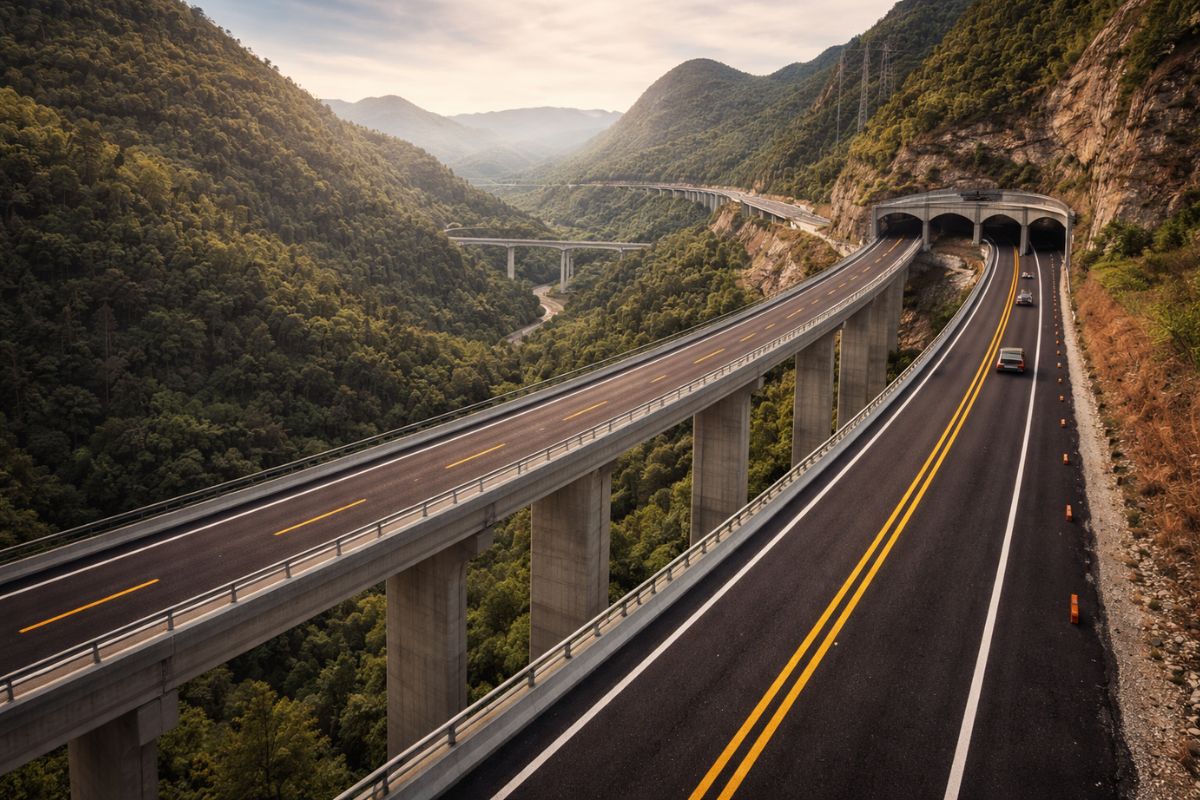
Espírito Santo will receive the largest engineering project in its history with the duplication of BR 262, which will have 50 viaducts, 28 bridges, and 2-kilometer tunnels cutting through the most challenging mountainous region of the entire state.

The excavation to build it totaled about 200.7 million cubic meters (m3) of material, a volume comparable to the 204.9 million m3 removed during the construction of the Panama Canal. At the end of the canal, at the Belo Monte Site, a main powerhouse with 18 turbines generates most of the energy.
The Political Impulse And The Interests Behind The Project
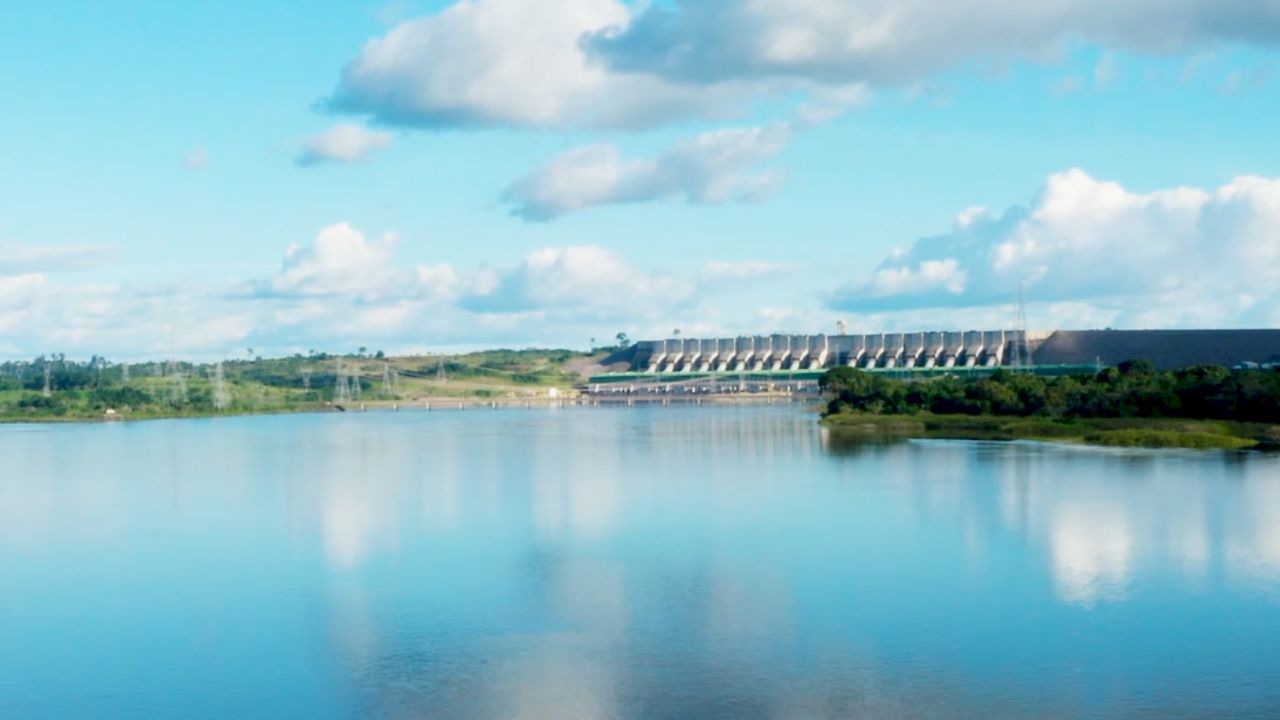
Belo Monte was the most emblematic work of the Growth Acceleration Program (PAC), during the governments of Luiz Inácio Lula da Silva and Dilma Rousseff. The official justification was based on the need for energy security for the country. The government promised electricity for 26 million people, in addition to being a clean and competitive energy source.
It also announced the creation of thousands of direct and indirect jobs. Dilma Rousseff, as minister and later president, was the main advocate for the project, stating that the hydroelectric plant was “good, important for the country, and it will be built!” The work was awarded to the Norte Energia S.A. consortium, and the construction consortium included giants of Brazilian engineering, such as Queiroz Galvão and Mendes Júnior. These companies were the direct beneficiaries of multibillion-dollar contracts.
The Human And Environmental Cost: Lives And Ecosystems Affected
The construction of the Belo Monte Hydroelectric Plant is a topic of intense debate, with criticism over its high social and environmental costs. It is claimed that the work resulted in the forced displacement of over 40,000 people and flooded 478 km², impacting indigenous and riverside populations. In contrast, Norte Energia, responsible for the project, states that, to assist families, it created six planned neighborhoods in Altamira with 3,800 houses, schools, and Basic Health Units, highlighting that many of these families previously lived in at-risk areas and without sanitation. Regarding the flooded area, the company clarifies that the 478 km² correspond to the size of the reservoir and that “a large part of this area was not flooded because it was already part of the riverbed of the Xingu River”.
One of the most critical points was the impact on the city of Altamira, which is said to have collapsed with the population doubling, overwhelming services and increasing violence. Norte Energia counters these data, stating that the population, according to IBGE, grew from 99 thousand (2011) to 126 thousand (2022), and did not double. The company also cites a vast investment program as a countermeasure, which included the construction of two hospitals, 65 UBS, 62 schools, the implementation of 509 km of sanitation networks that now cover 92% of the urban area of Altamira, and investments in public safety. Furthermore, the company claims to have paid R$ 1.2 billion in royalties since the beginning of operations.
The claim that the Federal Court recognized the impacts as “ethnocide” is refuted by Norte Energia, which states that “there is, to date, no decision from the Federal Court recognizing this”. The company emphasizes that it maintains ongoing dialogue with indigenous peoples and supports various actions for cultural appreciation and income generation, such as the creation of the first indigenous chocolate brands from Xingu and teacher training. The company further highlights that no Indigenous Land was flooded and that the indigenous population served by its actions in the region grew from 3,000 to about 5,800 people.
In ecological terms, it is pointed out that the diversion of water flow affected fish migration (piracema) and destroyed the primary source of local food and income. Norte Energia responds that, according to monitoring, most species maintain their reproductive cycles, even in the Reduced Flow Section (TVR), and that changes in fish populations may relate to other factors, such as illegal mining and deforestation. Regarding food security, the company states that fish consumption in the region (33 kg/year per person) remains 275% above the WHO recommended level, indicating that fish continues to be a relevant source of protein.
Finally, the critique that the decomposition of vegetation in the reservoir released large quantities of methane (CH4) is contested by a study from COPPE/UFRJ, published by the company. According to the research, Belo Monte is the hydroelectric plant that emits the least greenhouse gases in the Amazon and one of the most efficient in Brazil. The study’s coordinator, Professor Marco Aurélio dos Santos, asserts: “I am confident in saying that Belo Monte is a very good project from both the electricity and environmental perspectives”. The company adds that, just in 2025 (up to March), the plant avoided the emission of 5.3 million tons of CO2 by replacing energy generation from thermal sources.
Maximum Power Vs. Actual Generation Of The Belo Monte Hydroelectric Plant


The energy generation of the Belo Monte Hydroelectric Plant, the largest 100% Brazilian plant with 11,233.1 MW of installed capacity, is marked by a paradox. Due to the great seasonal variation in the flow of the Xingu River, its “firm energy,” the guarantee of continuous generation, is 4,571 MW. Critics point out that this intermittency, especially in the dry season, leads to the need to activate thermal power plants, which are more expensive and polluting, to compensate for the drop in production.
On the other hand, Norte Energia, the company responsible for the plant, argues that Belo Monte significantly contributes to national energy security. According to the company, its production during high flow periods helps maintain reservoir levels in other regions of the country and reduces the need to activate more expensive and polluting energy sources, particularly during peak consumption times.
As an example, the company cites data from the National Electric System Operator (ONS) from February 24, 2025, when, during a national consumption peak, Belo Monte accounted for 12% of the total electricity demand in the country. On that single day, the plant’s generation contributed to avoiding the emission of approximately 93 thousand tons of CO2. Norte Energia reinforces that the project was designed to reconcile energy benefits with social issues and environmental preservation, reaffirming its commitment to sustainable development.








Saudações respeitosas
Não podemos na minha opinião crucificar sem julgamento amplo, obras públicas com viés político partidário.
Teríamos que comparar Belmonte com outras hidroelétricas da planície amazônica e não com as super usinas dos nossos rios de planalto. Quem assim proceder irá verificar que muitas críticas aqui elencadas não procedem.
Devemos nos lembrar que se há necessidade de apoio complementar de termoelétricas, sem Belmonte elas teriam que ficar acionadas o tempo todo , e dimensionadas para a geração total da potência elétrica .
A manchete a comparando com a movimentação de terra com o canal do Panamá também não me parece adequada uma vez que pode sugerir que todo o território do Panamá foi escavado para unir os dois oceanos, oque não é verdade.
Barragens exigem normalmente enormes movimentações de terra, então, a comparação para não ser tendenciosa, deveria ser feita com outras barragens da região.
Belmonte tem também qualidades não mencionadas aqui, como sua alta relação entre kw produzido e área de floresta alagada. O projeto ao meu ver é o melhor que se pode obter para as condições locais, e estratégico para a integração e desenvolvimento da região, e deve ser motivo de orgulho de para nós brasileiros.
Obrigado pelo espaço de manifestação
Da maneira como essa usina foi projetada, em função da pressão dos órgãos ambientais, ela nem deveria ser construída.
Não armazena água para produzir energia em todas as 18 turbinas nos períodos de seca. Portanto, no período de seca quase todas elas precisam ser desligadas.
Acredito que essa usina só dá prejuízo.
Muito mais proveitoso seria investir na conclusão de Angra 3 que está parada.