





 Portuguese
  English
  Spanish
  3 min of reading
  0 comments



With an Investment of R$ 1.1 Billion, the Partnership Between Agrojem, ACP Bioenergia, and Czarnikow Creates in Miranorte (TO) a Hub for Corn Ethanol Focused on Sustainability and Regional Development.
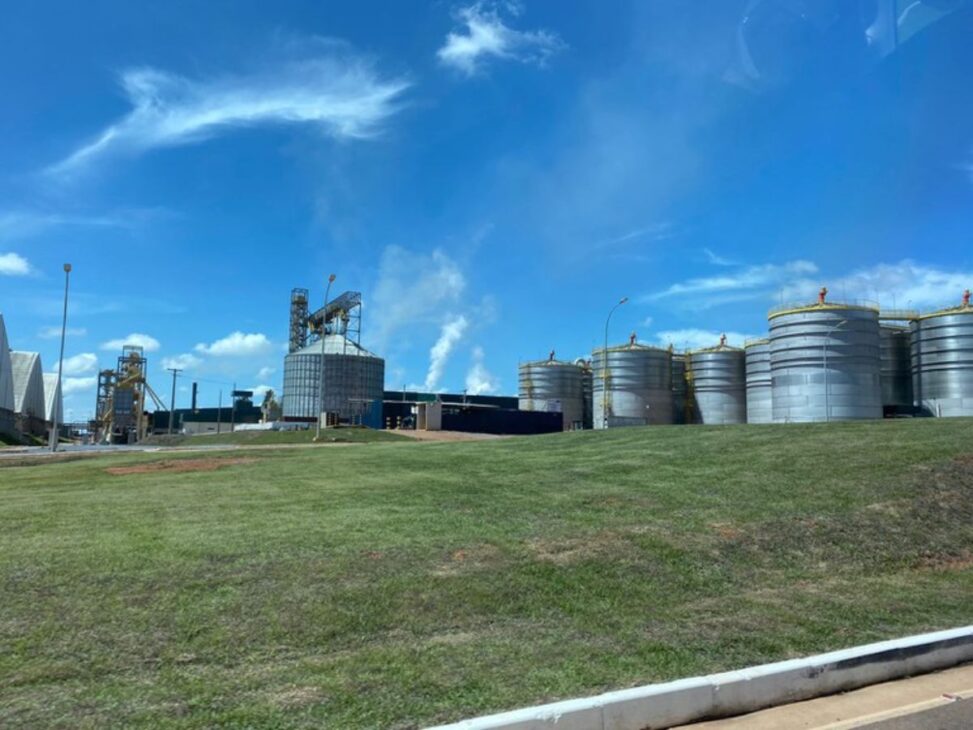
The Tocantins Bioenergia project emerges as a transformative initiative in Brazil’s agribusiness and renewable energy landscape. With an estimated investment of R$ 1.1 billion, the corn ethanol plant in Miranorte, Tocantins, is the result of a strategic partnership among Agrojem, ACP Bioenergia, and the English trading company Czarnikow.
Scheduled to begin operations in 2027, the plant will process 500,000 tons of corn annually, producing 220 million liters of ethanol, along with valuable co-products. This pioneering venture aims to boost the local economy and consolidate Tocantins as a new hub in the country’s growing corn ethanol industry.
The Tocantins Bioenergia Project and Its Objectives
Conceived in 2020 by José Eduardo Motta from Agrojem, the Tocantins Bioenergia project aims to industrialize the growing corn production in Tocantins. Its objectives include the production of corn ethanol, the co-product DDGS (used in animal feed), corn oil, electricity generation, and the issuance of decarbonization credits (CBios).
-
Historic bankruptcy of Centauro shocks the market, and the century-old company puts more than 500,000 products, machines, and complete infrastructure up for online auction.

-
New shoe factory in Ceará is expected to create 400 jobs and strengthen the local economy.

-
No one imagined it, but a mixture of sawdust with a mineral that fights fires surprises scientists with a result that changes the course of fire-resistant construction.

-
From empty land to a high-end house, wooden construction uses a lightweight system, metal structure for the foundation, ventilated ceramic cladding, and special windows to create an efficient and comfortable living space throughout the year.

Miranorte was strategically chosen due to the pre-existing infrastructure of Agrojem and the easy access to corn in the Matopiba region. The plant will process 500,000 tons of corn per year, producing 220 million liters of ethanol, 152,000 tons of DDGS, and 10,000 tons of corn oil. The groundbreaking is scheduled for May 12, 2025, with operations expected to begin in 2027.
The Strategic Partnership Behind the Corn Ethanol Plant in Tocantins
The success of the Tocantins Bioenergia project relies on the complementarity of its partners:
Agrojem: With a 50% stake, it leads the initiative. It will supply about 70% of the corn and use 50% of the DDGS in its cattle feed.
ACP Bioenergia: Holding about 35%, it brings over 33 years of experience in the sugar-energy sector and grain operations in Tocantins.
Czarnikow: With up to 15%, the English trading company is responsible for financial structuring and global marketing of the corn ethanol and other products.
This strategic union aims to mitigate risks and optimize the production chain, from raw materials to the consumer market.
Socioeconomic Impact and Sustainability in Corn Ethanol Production
The Tocantins Bioenergia project promises substantial socioeconomic impact. It is estimated to generate over 1,200 direct jobs in construction and approximately 630 direct jobs in the operational phase. The annual state tax revenues are projected to exceed R$100 million.
The venture benefits from tax incentives from the Tocantins government through the Proindústria program and is aligned with the National Biofuels Policy (RenovaBio), allowing for the generation of CBios. The project also emphasizes the complete valorization of the raw material and the partners’ commitment to ESG (environmental, social, and governance) practices.
Tocantins and the Growth of Corn Ethanol in Brazil’s Energy Matrix
The production of corn ethanol is rapidly expanding in Brazil, complementing sugarcane ethanol production. Tocantins emerges as a promising new hub, with advantages such as rail logistics and access to the Northeast market.
The Matopiba region has projections for significant increases in grain production, ensuring raw material supply. Tocantins Bioenergia, along with other projects such as COAPA in Pedro Afonso, signals the consolidation of the state as an important producer of corn ethanol.
The Expansion of Tocantins Bioenergia


The project already envisions a Phase Two, with plans to double the corn processing capacity and ethanol production by 2035. However, the sector faces challenges such as market volatility, logistical constraints at agricultural borders, and potential regulatory changes.
For the long-term success of Tocantins Bioenergia, efficient operational management will be crucial, along with a stable corn supply, effective marketing of products, and a favorable regulatory environment. This initiative is an important step for the industrialization of Tocantins agribusiness and for Brazil as a leader in renewable energy.








Seja o primeiro a reagir!