





 Portuguese
  English
  Spanish
  4 min of reading
  13 comments


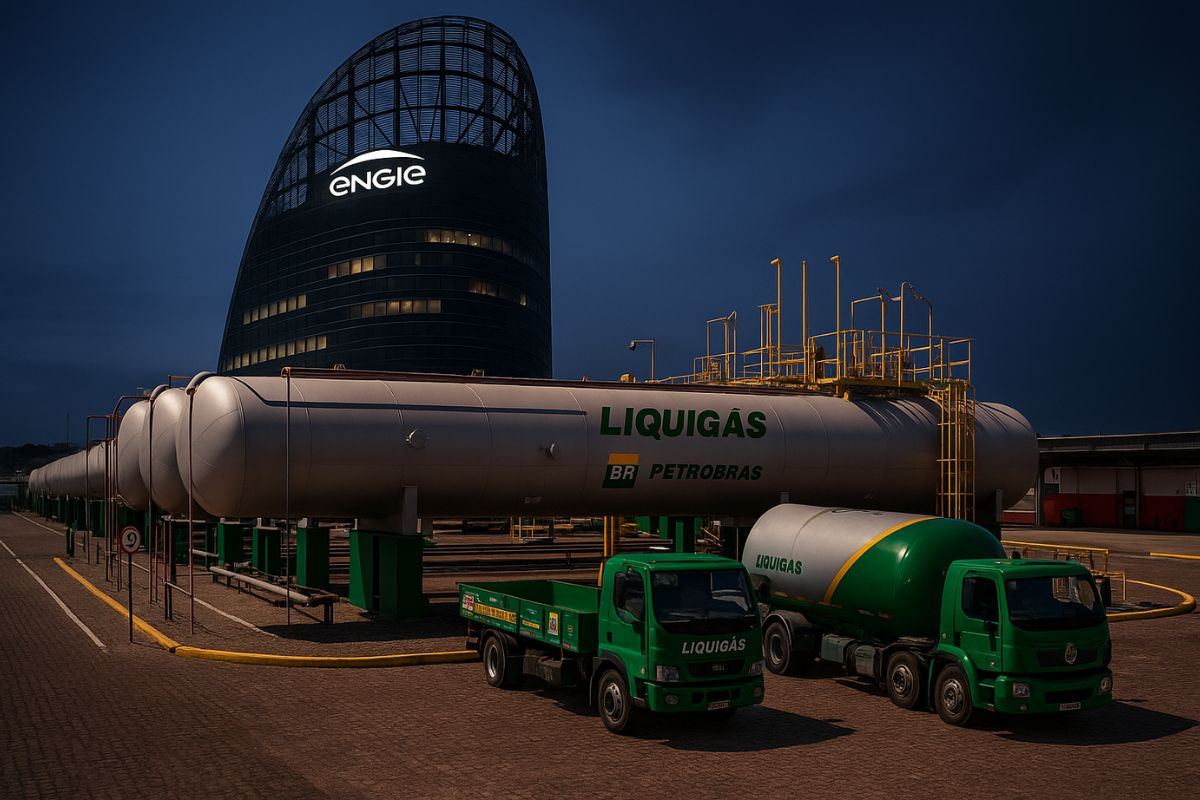


Understand How Petrobras’ Gas Transporter Was Sold to French Engie for US$ 8.6 Billion, Broke a Monopoly, and Changed the Gas Sector in Brazil Forever
In one of the largest privatizations in Brazil’s history, Petrobras sold its most valuable infrastructure subsidiary, TAG. The gas transporter from Petrobras was acquired in 2019 by a consortium led by French giant Engie and Canadian pension fund CDPQ. The transaction, valued at US$ 8.6 billion, was not only a billion-dollar deal but also an event that broke a decades-long monopoly and initiated a new era for the natural gas market in the country.
The sale was the result of a combination of factors: Petrobras’ strategy to focus on pre-salt exploration, government pressure to open the market, and a crucial decision by the Federal Supreme Court. However, the operation left a complex legacy and a debate that continues to this day: did privatization bring more competition and efficiency or did it merely create an expensive rent that Petrobras itself and, ultimately, the consumer, have to pay?
What Was TAG, the Crown Jewel of Brazil’s Gas Infrastructure?
The Associated Gas Transporter (TAG) was, and continues to be, the backbone of the Brazilian gas system. At the time of the sale, the company had the largest gas pipeline network in the country, with about 4,500 kilometers of extension, crossing 10 states in the Southeast and Northeast. Its transport capacity was 75 million cubic meters per day, almost half of the national capacity.
-
These are the drivers who may stop paying tolls on highways in a project that promises to reduce costs for those who live from transportation in Brazil.

-
(Video): Italian pilot lands plane on moving train at 120 km/h and achieves unprecedented feat in aviation, even with a narrow runway and without direct visual contact.
-
It seems to have come out of a science fiction movie: A Brazilian city where it rains almost every day, recording over 4,000 mm per year, driven by climatic factors — a direct result of its strategic location in the Amazon.

-
The water crisis that could change everything this year has already begun; it’s not just about the climate, it affects technology, raises product prices, and can halt entire companies without warning.


What made TAG such a valuable asset was its low-risk business model. The company had long-term contracts, mostly with Petrobras itself, in the “ship-or-pay” format. This means that the client is obliged to pay for the reserved transport capacity, whether they use it or not. This model guaranteed a stable and predictable revenue stream, which strongly attracted foreign investors.
How Was the Sale of US$ 8.6 Billion?
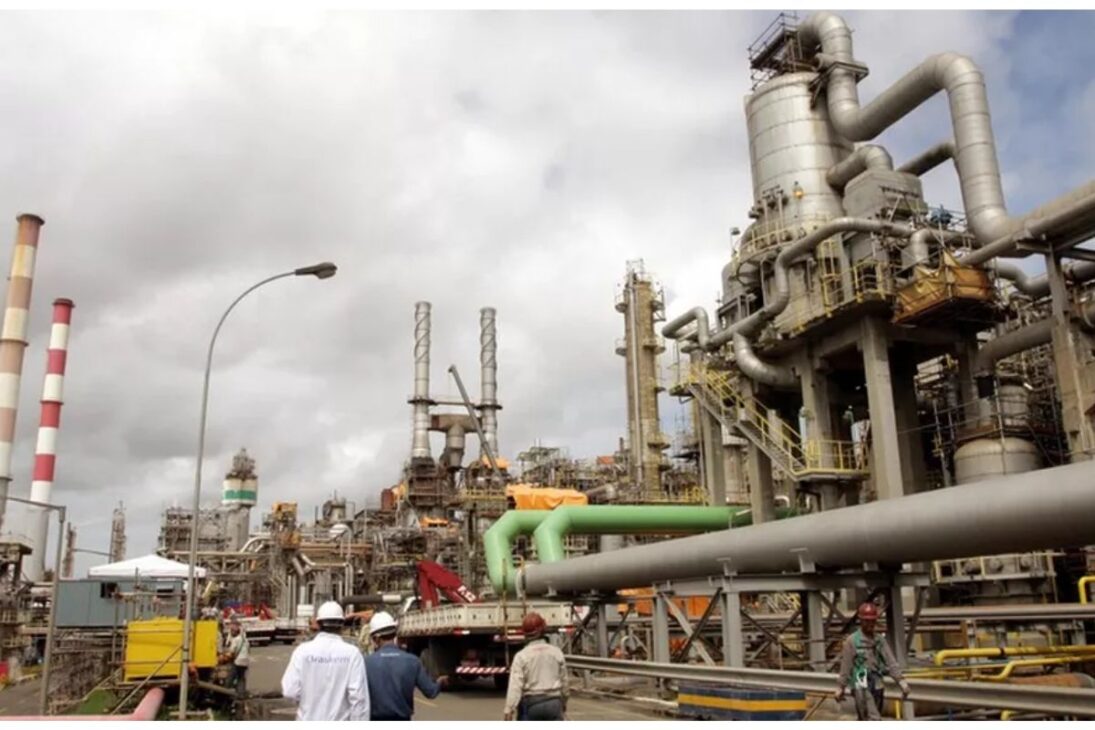
The divestment was executed in two phases. The first and largest phase was completed on June 13, 2019, when Petrobras sold a 90% stake in TAG for R$ 33.5 billion to the Engie/CDPQ consortium. Part of this amount, around R$ 2 billion, was used to pay off a debt that TAG had with BNDES.
The second phase occurred on July 20, 2020, when Petrobras sold the remaining 10% to the same group, for R$ 1.1 billion. With this, the state-owned company completely exited the gas transportation business, paving the way for the consolidation of an independent infrastructure operator in the market.
Why Did Petrobras Sell Its Main Gas Transporter?
The sale of TAG was motivated by an alignment of interests between the company and the government. For Petrobras, the deal was part of its strategy to reduce its enormous debt and concentrate investments on the exploration and production of oil and gas in deep waters, especially in the pre-salt area, where it has a greater competitive advantage.
At the same time, the federal government was pushing for the opening of the gas market through the “New Gas Market” program. The goal was to break Petrobras’ monopoly to attract new investments. CADE (Administrative Council for Economic Defense) formalized this pressure by requiring Petrobras, through an agreement (TCC), to sell its transportation assets. The path was sealed in June 2019, when the STF decided that the sale of state-owned subsidiaries did not need congressional approval, removing the last legal obstacle.
The Legacy of Privatization: More Competition or an Expensive Rent for Petrobras?
The sale of Petrobras’ gas transporter achieved its main objective of breaking the monopoly. For the first time, Brazil had an independent gas transportation company, allowing new producers and consumers to enter the market. The new owners also announced investments, such as a partnership with Origem Energia to create the country’s first gas storage system.
However, the transaction generated a controversy that persists. Critics, including the current Minister of Mines and Energy, blame privatization for the high cost of gas transportation. The argument is that Petrobras now finds itself in a paradoxical situation: it pays billion of reais a year in “rent” to use the same pipelines it built, a cost that inevitably impacts the final price of gas for industry and consumers.








Quero ver um país tão liberal como o EUA 🇺🇸 fazer isso no país deles. Isso é um crime, Paulo Guedes foi o laranja dos banqueiros e do mercado financeiro. Qual o benefício que teve pro povo ? O gás reduziu ? Duvido !! Fizeram Mesma coisa com a BR distribuidora, hoje a Petrobras baixa o valor do combustível e não chega nas bombas. Se o povo continuar votando nesses canalhas logo logo não teremos mais nada e o dinheiro das privatizações já vão ter sido gastos com emendas parlamentares. Nem estatal, nem dividendos nem redução de custos.
Tem **** que acredita que uma empresa construída com investimento público é uma **** que tem que ser privatizada, contudo nunca vimos nenhuma dessas **** ser construídas por empresa privada. O governo tem que primeiro construir e depois doar para os competentes. Quem não domina a energia é subserviente.
O único fator foi a corrupção, só isso, uma analogia simples, jamais venderia uma apartamento por 100 pra pagar 100 de aluguel em um ano …basicamente isso