





 Portuguese
  English
  Spanish
  3 min of reading
  0 comments


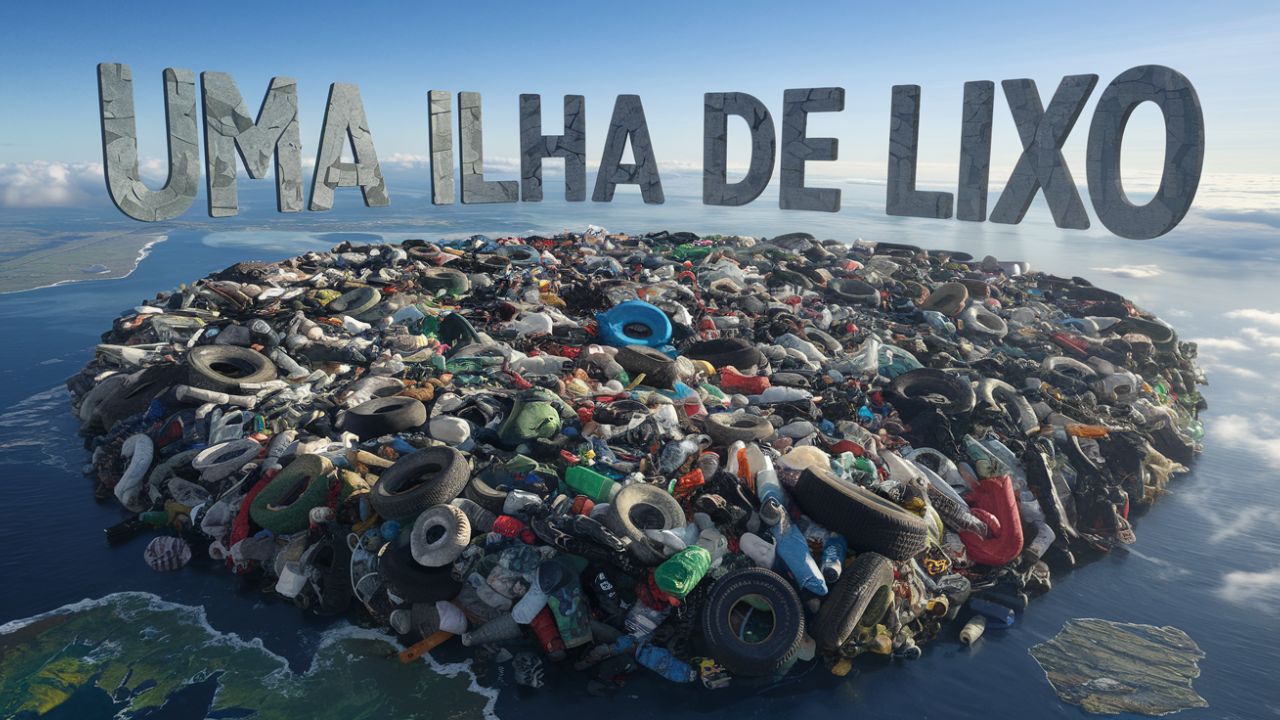
A Trash Island With 1.8 Trillion Pieces of Plastic, Weighing 100 Thousand Tons, Floats in the Pacific, Devastating Marine Species and Growing Out of Control Every Year.
An island made entirely of garbage, floating in the middle of the ocean. The Great Pacific Garbage Patch (GPGP) is a true “island” composed of 1.8 trillion pieces of plastic, occupying an area three times larger than France. This phenomenon is a direct reflection of our negligent relationship with plastic consumption and disposal.
Plastic pollution in the oceans is a global problem, but the GPGP is undoubtedly the most impactful symbol of this environmental crisis. Let’s explore what this “trash island” is, why it is so devastating, and what we can do to tackle this threat.
What Is the Trash Island?
@mapreels ARTICLE CONTINUES BELOWSee also
Beet greens that end up in the trash in many kitchens contain a high concentration of antioxidants, and a 2025 study shows that extracts may have even more potent activity when transformed into microparticles.
Something was orbiting Earth before any human launched a satellite into space: scientists have found thousands of unexplained flashes in old photos of the sky, and a NASA researcher says the evidence points to non-human intelligence.
There is a gap of hundreds of kilometers between weather observation points in the United States, and now drones flying at 6,000 meters altitude in strong winds are filling this gap to predict tornadoes before they kill.
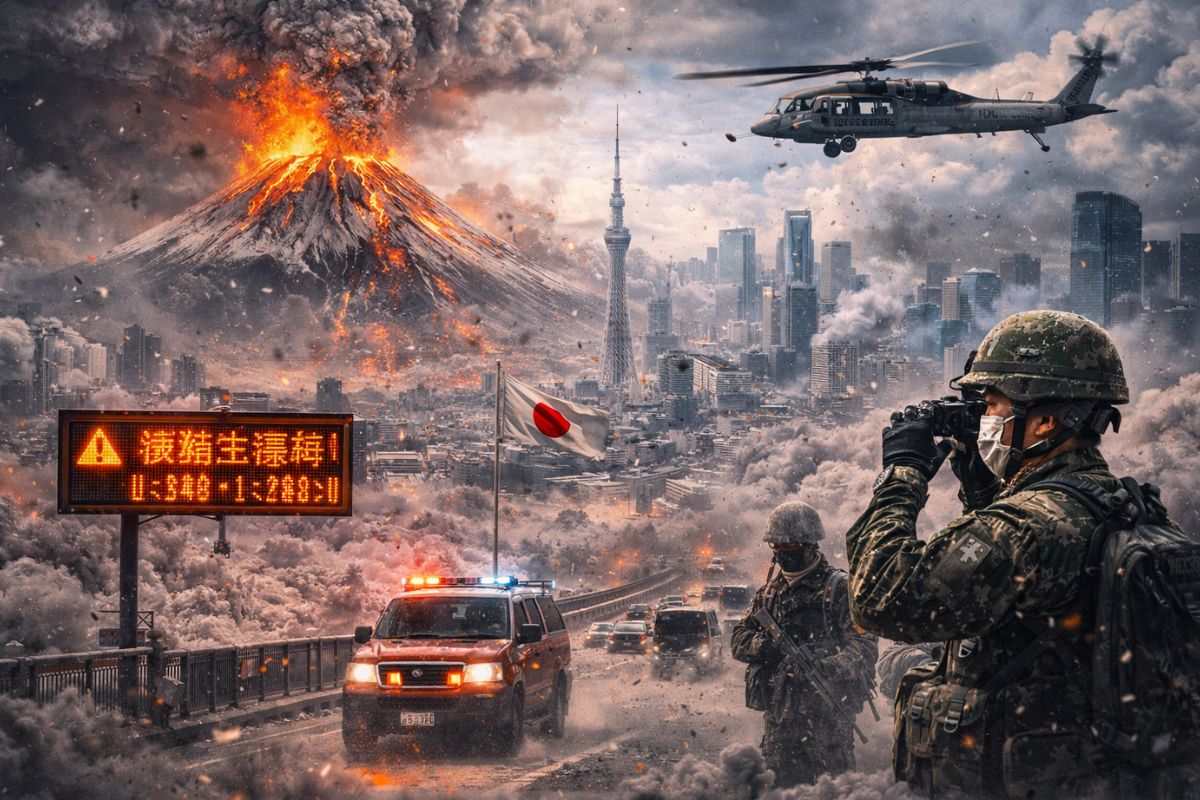
The most famous volcano in the world could paralyze one of the largest metropolises on the planet: Japan accelerates emergency plans for the eruption of Mount Fuji, which could bury Tokyo in ash for over two consecutive weeks.
The Great Pacific Garbage Patch is more than a garbage island—it’s an environmental crisis. With 1.8 trillion pieces of plastic spread across 1.6 million square kilometers, it threatens marine life and our planet’s future. Discover the shocking reality of ocean pollution. #greatpacificgarbagepatch #pacificocean #pollution #garbage #plasticpollution
The GPGP is the largest zone of plastic accumulation in the oceans, located between California and Hawaii. With almost 618,000 square miles in size, it is like a silent monster floating in our waters. In addition to its colossal size, the island weighs about 100,000 tons, equivalent to over 740 Boeing 777 airplanes.

This “island” didn’t appear overnight. Ocean currents known as gyres carry discarded plastics into the sea to convergence points, where they accumulate over decades. Plastic bags, toothbrushes, lighters, and even phones make up this floating deposit of human irresponsibility.
Devastating Impacts on the Marine Ecosystem
The trash island directly affects at least 267 marine species. Among them, 86% of sea turtles and 43% of marine mammals have suffered from plastic ingestion or entanglement.
Imagine a small fish consuming microplastics. Now, think of the predator that eats that fish. This chain continues until it reaches us, humans. Plastic is not just an ocean problem; it’s already on our plate.
Why Is the Problem Getting Worse?
Since 1945, the amount of plastic in the ocean has increased tenfold each decade. With billions of tons of plastic entering the seas annually, the GPGP continues to grow out of control. It is a problem that keeps multiplying.
In addition to large pieces, microplastics represent a silent threat. Too small to be filtered, they mix in the water, making them virtually impossible to remove.
- There are approximately 250 pieces of plastic for every person on Earth floating in the island.
- Some items date back more than 50 years, such as toothbrushes and old bottles.
- The highest estimate points to up to 3.6 trillion pieces of plastic present in the patch.
Plastic Crisis in the Oceans
Projects like The Ocean Cleanup are working to remove plastic from the oceans. The goal is ambitious: to eliminate half of the plastic pollution by 2027. Boats equipped with floating barriers have been crucial in this effort.
Small changes in daily life make a huge difference. Reduce the use of single-use plastic, choose reusable materials, and participate in awareness campaigns. Every gesture counts to save our oceans.






-

Uma pessoa reagiu a isso.