





 Portuguese
  English
  Spanish
  3 min of reading
  1 comment


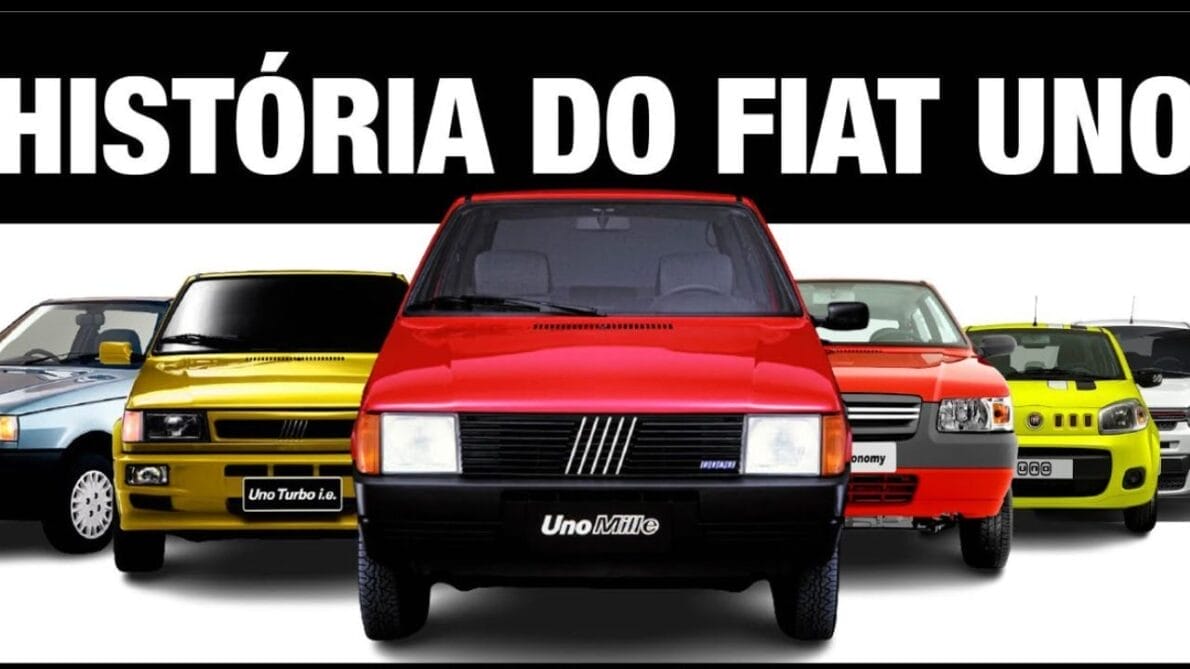

The Fiat Uno Is One of the Most Iconic Cars in Brazil, Known for Its Economy and Practicality. However, Its Trajectory Includes Special Editions and Significant Changes That Many Brazilians Are Unaware Of.
The Fiat Uno, launched in Brazil in the 1980s, gained a legion of fans with its economical and accessible versions. Besides the popular model, the Uno had several special editions, including a turbocharged version and farewell series that marked its history.
With the success of the Fiat Uno Mille, Fiat launched the Uno Mille Brio version, featuring a more sophisticated interior and a more powerful engine, increasing from 48.5 to 54.4 horsepower. This special series brought improvements in performance and fuel consumption, but had a short duration in the market.
In 1991, The Fiat Uno Received a New Front, with a Grille and Narrower Headlights, Modernizing Its Look
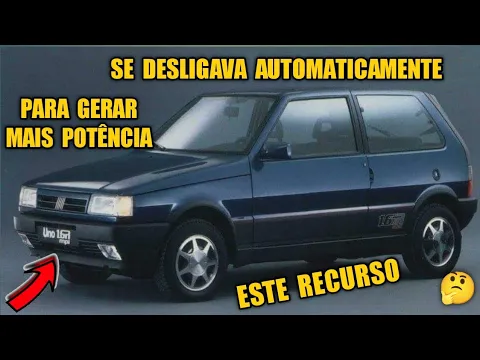

The sporty version 1.6R received new side stripes, a roof rack, and updates to the interior, such as a new steering wheel and instrument panel.
-
OMODA & JAECOO grows in Europe in 2026 with an integrated strategy of sales, innovation, local production, and technological advancement in the United Kingdom, Italy, and Spain.
-
OMODA & JAECOO expands after-sales service in Brazil with competitive maintenance, a 7-year warranty, and high availability of parts for technological SUVs.

-
OMODA & JAECOO appoints Alessandra Souza as executive marketing director in Brazil and accelerates brand expansion with a focus on innovation, networking, and hybrid portfolio.

-
Jaecoo 7 with super hybrid SHS system exceeds 1,200 km of combined range with a 1.5 turbo engine, high-density battery, and intelligent energy management.

In 1994, the Uno Turbo arrived as the first factory-turbocharged national car. With a 1.4 engine producing 118 horsepower, the model reached 0 to 100 km/h in 9.2 seconds and had a top speed of 195 km/h. This version stood out for its performance and sporty look.
In the following years, the Uno continued to receive improvements and new versions. In 1996, new hubcaps and larger mirrors were introduced. In 1997, Fiat launched the Uno Mille Young, aimed at a young audience, with distinctive graphics and gray bumpers.
In 2010, The Second Generation of the Uno Was Launched, with Design Inspired by the European Fiat Panda
This new version brought options for 1.0 and 1.4 engines, as well as sporty versions with black mask headlights and other details.
In 2014, new legislation required all cars to leave the factory equipped with airbags and ABS brakes. Since the Fiat Uno Mille, still based on the 1984 design, could not be equipped with these items, its production was ended in 2013. To mark its farewell, Fiat launched the special series Grazie Mille, limited to 2,000 units, with exclusive items such as air conditioning and power steering.
In 2021, The Second Generation of the Uno Also Bid Farewell with the Special Series Uno Ciao, Limited to 250 Units
This version featured exclusive details, such as a black roof and mirrors, as well as darkened alloy wheels and special graphics.
The history of the Fiat Uno in Brazil is rich in innovations and special editions that marked an era. From its debut as an economical car to its turbocharged editions and farewell series, the Uno has left an indelible mark on the Brazilian automotive industry. Many Brazilians may not know all the versions and details of this trajectory, but the legacy of the Fiat Uno remains alive in the memory of its fans.








Eu tenho um Fiat uno , 1993 amo meu carro pra mim nunca caiu de moda vai pra todos os lugares , sou mais ele , do que estes que estão vindo agora qualquer esbarrão se amassa todo