






 Portuguese
  Spanish
  2 min of reading
  0 comments



The Truqueta Trucks, Known for Having Three Rear Axles, Are a Rare and Controversial Configuration in Brazil. Let’s Understand More About This Story and Discover Why These Trucks Were Prohibited.
Truqueta trucks, or 8×2, have a steering axle in the front and three rear axles. This configuration emerged in Brazil in the 1970s, especially in 1972. However, this configuration was never offered by any manufacturer, being the result of adaptations made in mechanic workshops. Companies like Randon, Iderol, and Rodoviária carried out these modifications, which were nicknamed “fourth axle”.
At the time of its launch, these trucks were popular for allowing greater cargo capacity. With a Gross Vehicle Weight (GVW) of 31.5 tons, with 6 tons on the front axle and 25.5 tons on the rear axles, they provided a solution to increase efficiency in cargo transportation.
Despite the Popularity, in 1978 the National Department of Roads (DNER) Prohibited These Adaptations in Truqueta Trucks


The justification was that trucks with three rear axles were circumventing legislation, which stipulated that the GVW should be the one set by the manufacturer. Furthermore, the government claimed that this configuration caused more intense wear on the brakes, engine, chassis, and body.
-
Driver who “holds” the left lane can receive a hefty fine and 4 points on their driver’s license even if they think they are going at the correct speed for the road.

-
São Paulo Government puts R$ 343 million on the table and releases 31 km of duplication, 9.84 km of third lanes, 4 reinforced viaducts, and 8 grade-separated returns.

-
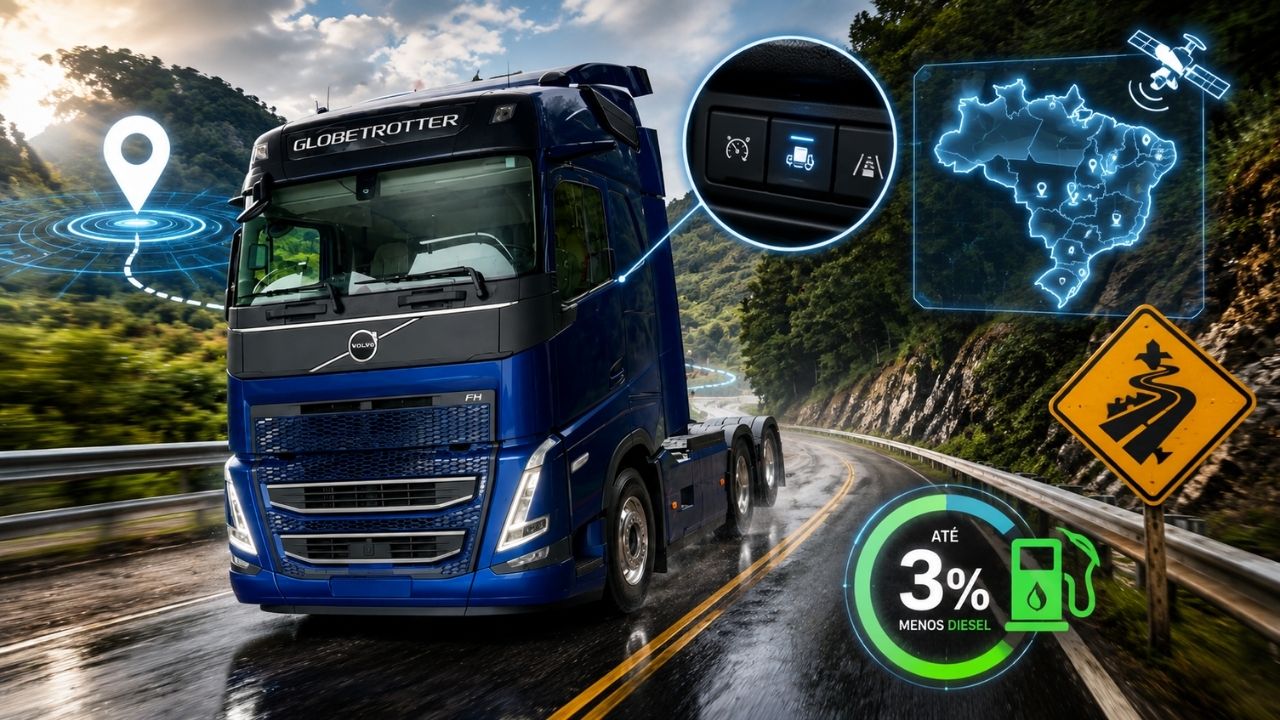
Volvo FH 2026 truck automatically reduces speed in risk areas in Brazil with GPS, activates engine brake without driver intervention, and combines safety with aerodynamics capable of saving up to 3% of diesel in some operations.

-
A viaduct over 40 years old in a city in Minas Gerais was closed due to the risk of collapse, blocked routes for months, exposed maintenance failures, and now requires a R$ 1.7 million project to prevent a collapse in the urban heart for decades.



Transport companies did not readily accept the ban, arguing that the adapted trucks were not overloaded and used the Mercedes 1519 as an example, which had a Maximum Traction Capacity (MTC) of 32 tons. With the adaptations, the GVW would be 30.5 tons, below the limit set by the manufacturer.
In November 1978, the DNER suspended the fines but did not regularize the configuration of truqueta trucks. This meant that the adapted trucks remained illegal and subject to further fines. This uncertainty caused the popularity of truqueta trucks to decline.
Today, It Is Still Possible to Find Modern Models with This Configuration, Adapted for a GVW of 31.5 Tons
However, this configuration is still subject to fines, as it is not regularized and certified. There are variations of these trucks, such as the bi-directional ones with three rear axles and a GVW of 37.5 tons, but current legislation prohibits non-articulated vehicles from exceeding 29 tons of GVW.
The truqueta trucks, despite their initial popularity, faced many difficulties due to the lack of regulation and fines. The history of these trucks illustrates the complexity of adaptations and the importance of regulation to ensure safety and efficiency in cargo transportation.





-

-

2 people reacted to this.