





 Portuguese
  English
  Spanish
  3 min of reading
  0 comments


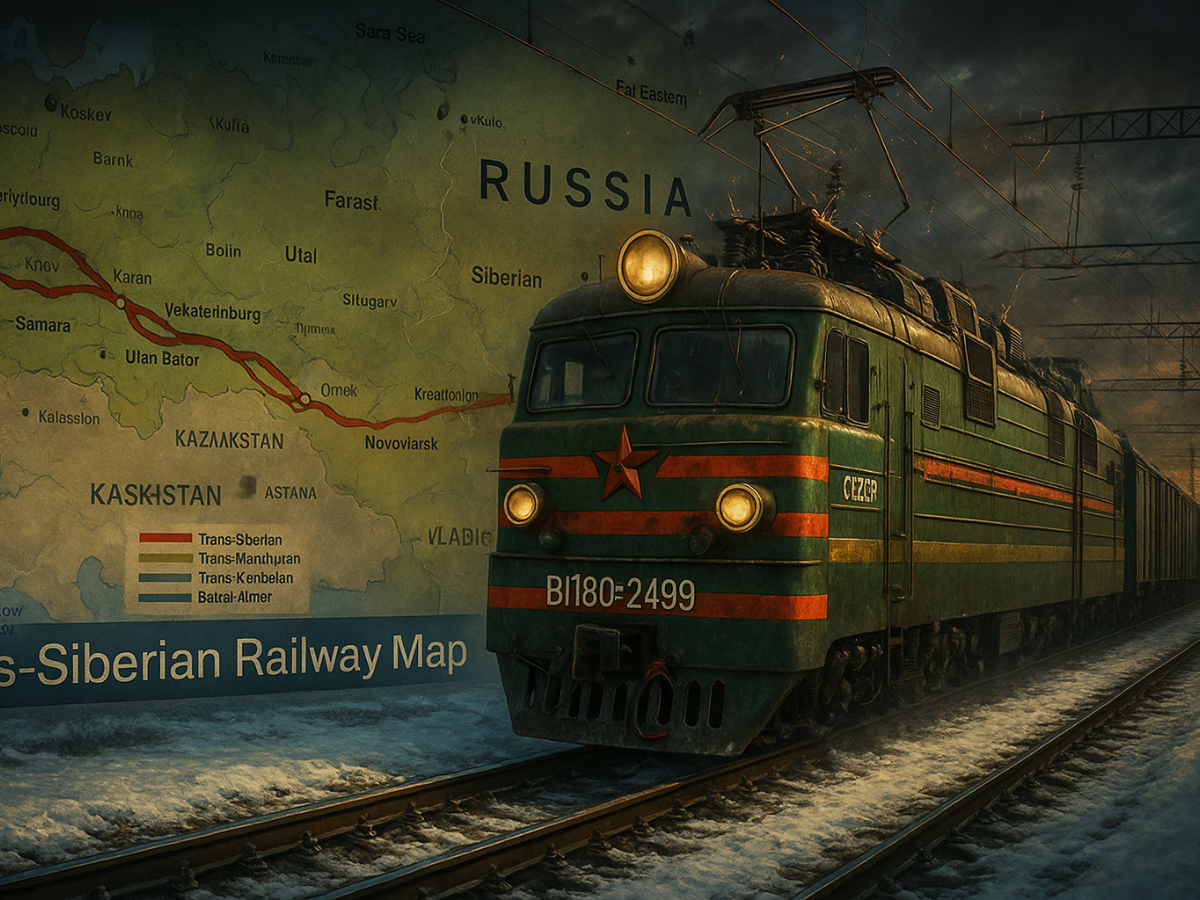
With 9,289 km, the Trans-Siberian Railway is not just a train journey, but an immersion in the history, culture, and vast landscapes that unify a continental nation
The Trans-Siberian Railway is more than a railway; it is a legendary odyssey. Described as the “most precious jewel in the crown of the Russian tsars”, its grandeur transcends engineering. The seven-day journey from Moscow to Vladivostok, crossing eight time zones, is a deep immersion in the geography and history that shaped Russia.
Understand the saga of the construction of this “steel ribbon”, its iconic routes, the experience on board, and the lasting legacy of one of the greatest feats of engineering in the world.
The Construction of the Trans-Siberian Railway
The genesis of the Trans-Siberian Railway dates back to the late 19th century, under the vision of Emperor Alexander III. The objectives were clear: to connect resource-rich Siberia with European Russia, encourage colonization, and project Russian imperial power in Asia.
-
Italian researchers have detected what appears to be a second Sphinx buried under the sands of Egypt, and satellite scans reveal a gigantic underground megastructure hidden beneath the Giza Plateau for over 3,000 years.

-
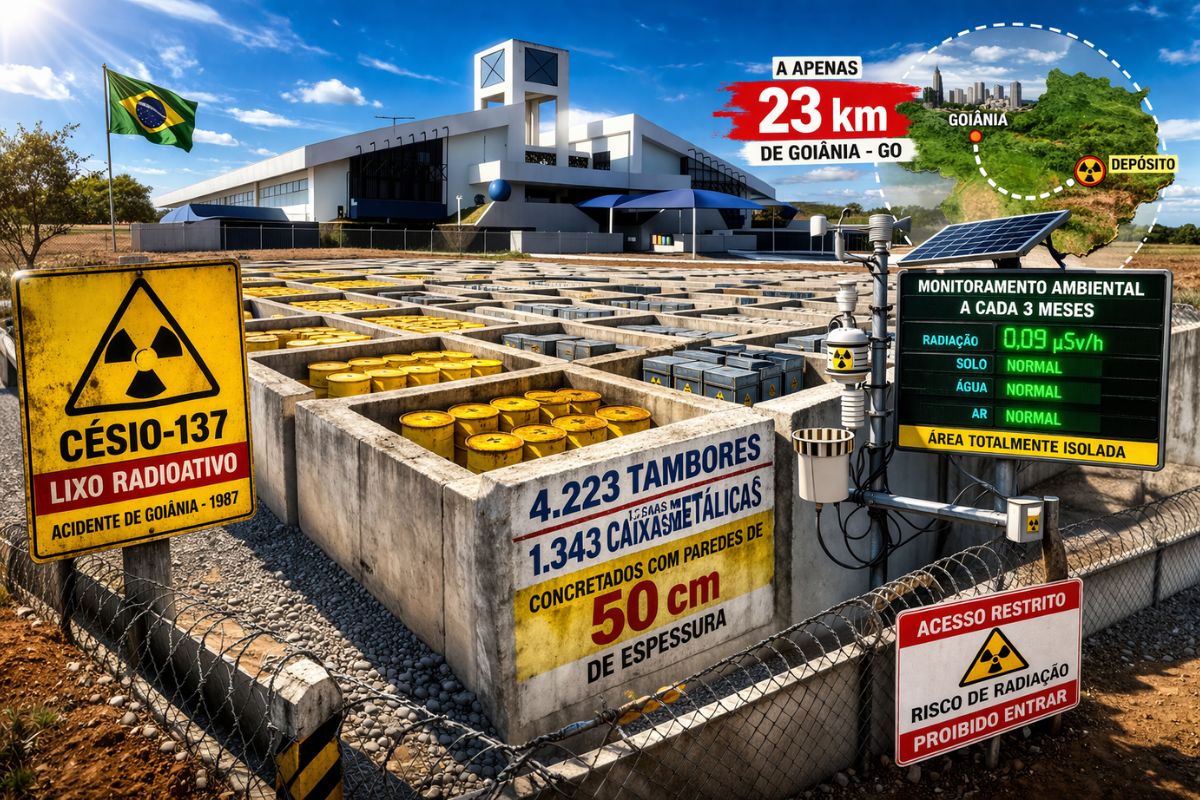
There are 4,223 drums and 1,343 metal boxes concreted with 50-centimeter walls that store the radioactive waste from Cesium-137 in the worst radiological accident in Brazil, just 23 kilometers from Goiânia, with environmental monitoring every three months.
-
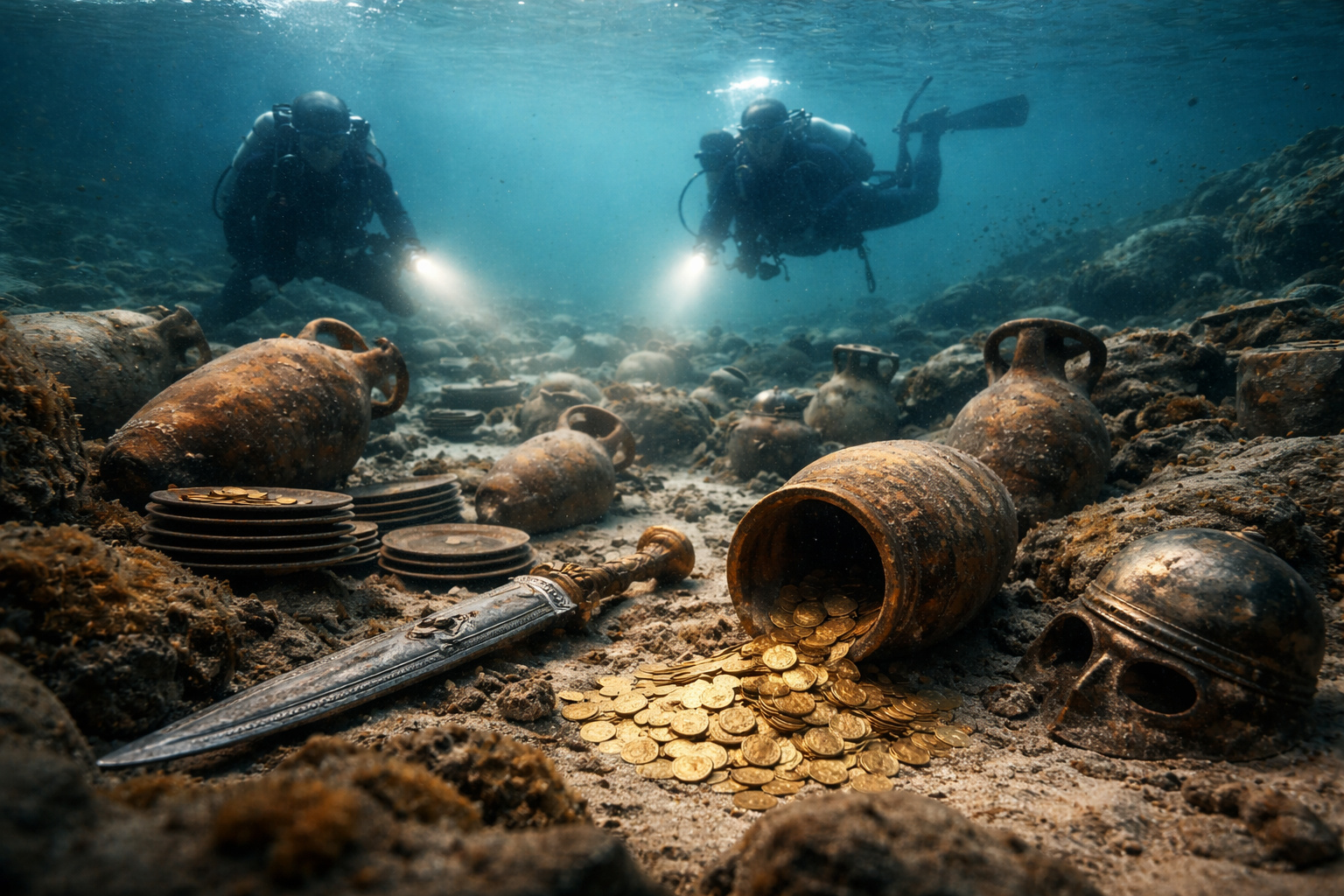
Giant Roman treasure found at the bottom of Lake Neuchâtel in Switzerland reveals an advanced trade system, circulation of goods, and armed escort in the Roman Empire about two thousand years ago.
-
He buried 1,200 old tires in the walls to build his own self-sufficient house in the mountains with glass bottles, rainwater, and an integrated greenhouse.


The official construction, which began in 1891, was a monumental effort. The challenges included the impenetrable taiga, extreme cold Siberian winters, swamps, and powerful rivers. The workforce, peaking at 89,000 people, consisted of peasants, soldiers, and prisoners, who performed much of the work manually. Despite the difficulties, in October 1916 the line was completed in Russian territory.
The Main Routes of the Trans-Siberian Railway
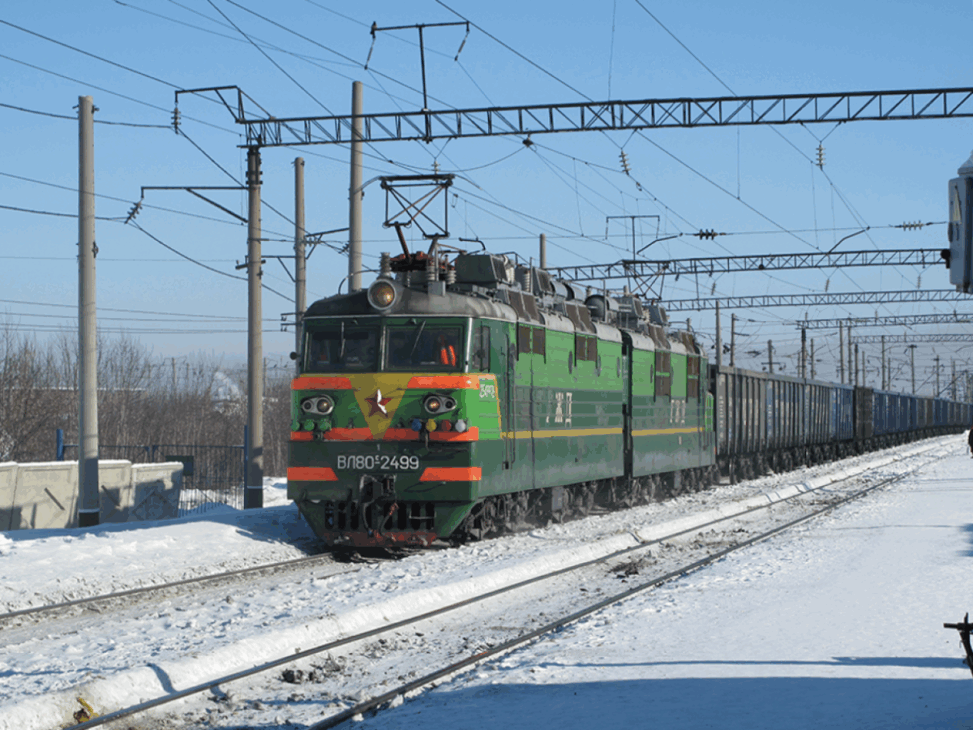
The Trans-Siberian Railway is actually a network of routes. The most well-known is the classic route, but there are two others that lead to China.
Classic Trans-Siberian Route: With 9,289 km, it connects Moscow to Vladivostok, on the Pacific Ocean. It is the backbone of the system, operating entirely within Russia.
Trans-Mongolian Route: Branches from the main line at Ulan-Ude and heads south, crossing Mongolia (via Ulaanbaatar) to reach Beijing, in China.
Trans-Manchurian Route: Also connects Moscow to Beijing but bypasses Mongolia, passing through the Manchuria region, in northeastern China.
The Experience on Board the Train and Its Classes
The experience on board the Trans-Siberian Railway varies according to the travel class. The Third Class (Platzkart), with open carriages, offers minimal privacy but maximum social interaction. The Second Class (Kupe) has closed cabins with four bunks, and the First Class (SV) offers cabins with just two bunks and more comfort.
Life on the train has its own rhythm. The provodnik (car attendant) is a central figure. The kipitok, a hot water dispenser, is essential for preparing teas, coffees, and instant meals. Interaction with other passengers, both Russian and foreign, is a fundamental part of the journey. All schedules follow Moscow time.
A Journey Through Russia, Iconic Stops on the Classic Route of the Trans-Siberian Railway
The classic route from Moscow to Vladivostok is punctuated by cities that reveal Russian diversity.
Moscow and Yekaterinburg: The starting point is the vibrant capital, with its Kremlin and Red Square. The first major stop is Yekaterinburg, which marks the border between Europe and Asia.
Novosibirsk and Irkutsk: Novosibirsk is the largest city in Siberia and an important industrial hub. Irkutsk, known as the “Paris of Siberia”, is the main gateway to the majestic Lake Baikal, the world’s deepest lake.
Ulan-Ude and Vladivostok: Ulan-Ude, the capital of Buryatia, is a fascinating cultural center. The journey ends in Vladivostok, an important port on the Pacific Ocean whose name means “Ruler of the East”.
How the Trans-Siberian Railway Shaped Modern Russia


The impact of the Trans-Siberian Railway on Russia was profound. Economically, it fueled Siberia’s industrial revolution, facilitating the transport of resources like timber and coal. Strategically, it was crucial for troop movement, especially during World War II.
The railway was the engine of the “Great Siberian Migration”, which led over 2.5 million peasants from European Russia to Siberia between 1895 and 1916. Cities like Novosibirsk emerged along its route. Today, the Trans-Siberian Railway is a symbol of industrial growth, ambition, and Russia’s ability to integrate its vast territories, serving as a pillar of national pride.









-

-

-

-

-

18 pessoas reagiram a isso.