





 Portuguese
  English
  Spanish
  4 min of reading
  0 comments


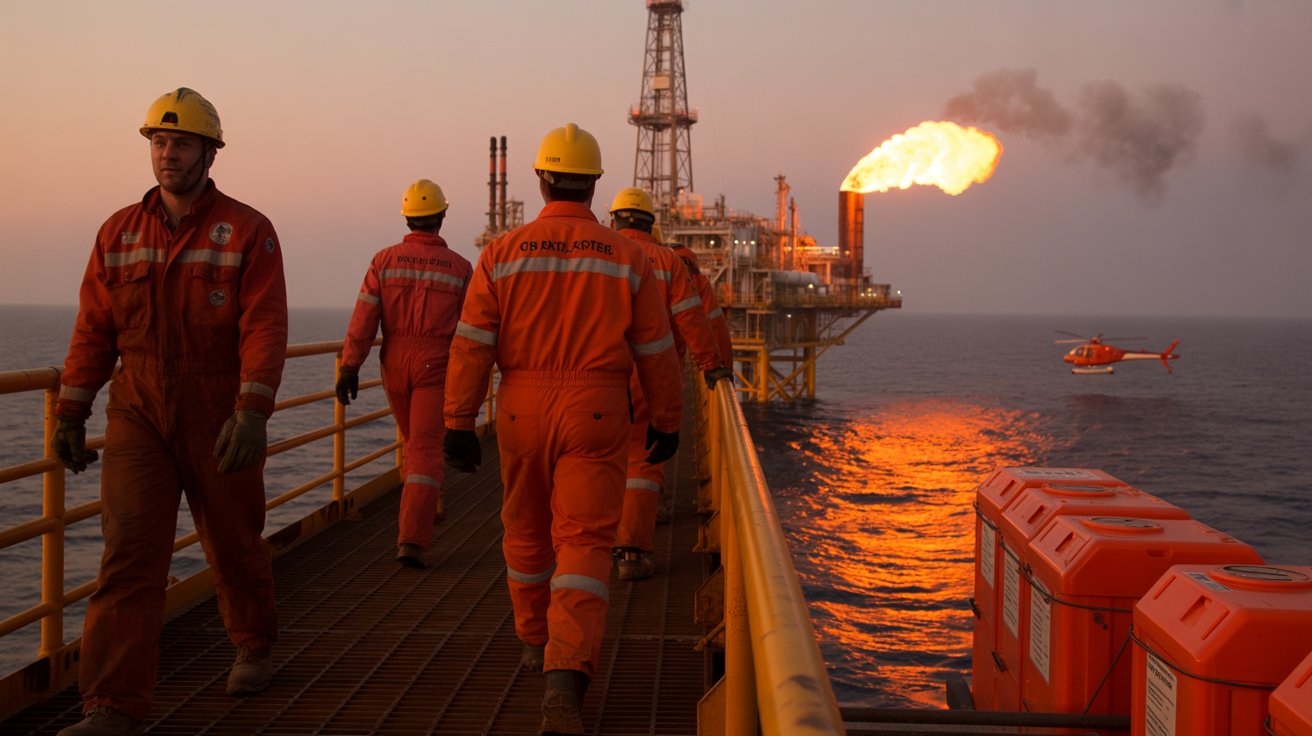
Working Aboard An Oil Platform In Brazil Involves Long Shifts, Isolation From Family Life, Strict Safety Rules, And A Routine Marked By Intensive Rotations In A Hostile And Remote Environment In The Middle Of The Ocean.
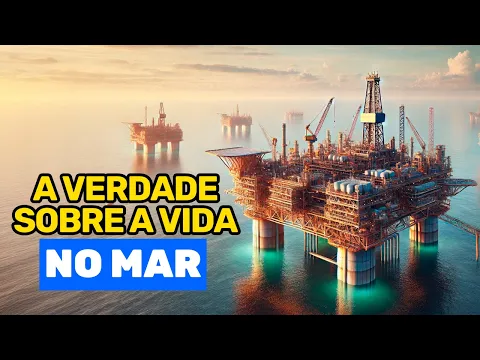
Despite being one of the main energy sources in the world, work on offshore platforms demands much more than technical knowledge. Located in isolated maritime regions, these structures house hundreds of workers who need to adapt to a confined life, with their own rules, high risks, and complex travel.
On the platforms, professionals work 12-hour shifts for up to 14 consecutive days, followed by 21 days off. The routine is intense and repetitive: work, cafeteria, dormitory. Rest is taken in shared cabins with bunk beds and communal bathrooms. To relieve the tension, some units offer game rooms, gyms, and internet access for contact with family.
Life On A “Steel Island”
The routine does not forgive fatigue. During the 12 hours of work, operators, technicians, engineers, and assistants face heavy tasks in noisy, oily, and demanding environments. During breaks, some run around the helipad or maintain contact with family through video calls as a way to alleviate loneliness.
-
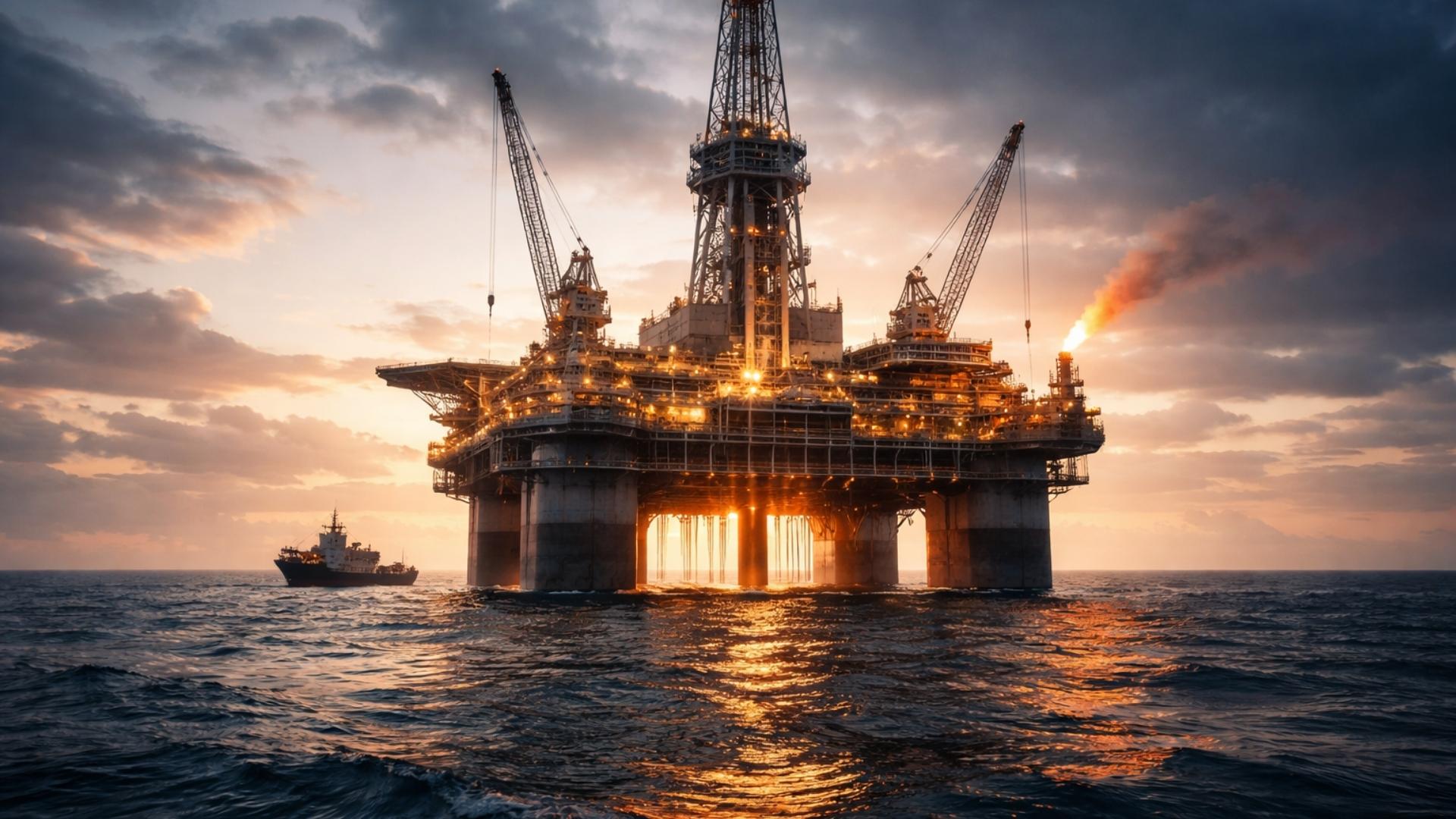
Petrobras surprises the world again by announcing a new discovery in the pre-salt with excellent quality oil.
-
Offshore industrial demand in Macaé skyrockets with the recovery of oil and gas and could grow by up to 396% by 2026 in the Campos Basin.
-
Offshore industrial demand in Macaé surges with the recovery of oil and gas and could grow by up to 396% by 2026 in the Campos Basin.
-
Brazilian giant expands borders in the Southeast: Petrobras confirms new oil discovery in ultra-deep waters in the pre-salt of the Campos Basin.


Risks are part of daily life. Due to the constant presence of fuels and flammable gases, each platform has strict fire-fighting protocols, protective equipment, and evacuation boats known as lifeboats. Periodic training ensures that everyone knows how to act in case of an emergency.
Safety is taken to the extreme. In the event of a kitchen fire, for example, everyone must wear special suits, life vests, and proceed to the meeting point. Modern platforms are required to be equipped with closed lifeboats ready for launch at sea within seconds.
From The Mainland To The Sea: The Challenge Of Displacement
Getting to an offshore platform is a delicate logistical mission. Professionals embark from cities like Macaé (RJ) or Aracaju (SE), traveling long distances by bus, car, and helicopter. The journey can take up to two days, depending on the worker’s origin.

Helicopters are the preferred means for the final crossing. This is because most platforms have their own helipads and are positioned in rough sea areas, making it difficult to approach by large vessels. On days with bad weather, landing can be delayed for hours.
The logistical operation also involves transporting food, drinking water, spare parts, and even doctors. Some platforms have infirmaries with staff on call 24 hours a day, ready to provide emergency care and, if necessary, request air evacuation.
Drilling, Extraction, And The Role Of FPSOs
In Brazil, most offshore production is concentrated in the Santos Basin, particularly the Mero field. There, the FPSO Guanabara unit operates, managed by Petrobras. FPSO stands for Floating Production Storage and Offloading, a floating structure capable of producing, storing, and transferring oil.
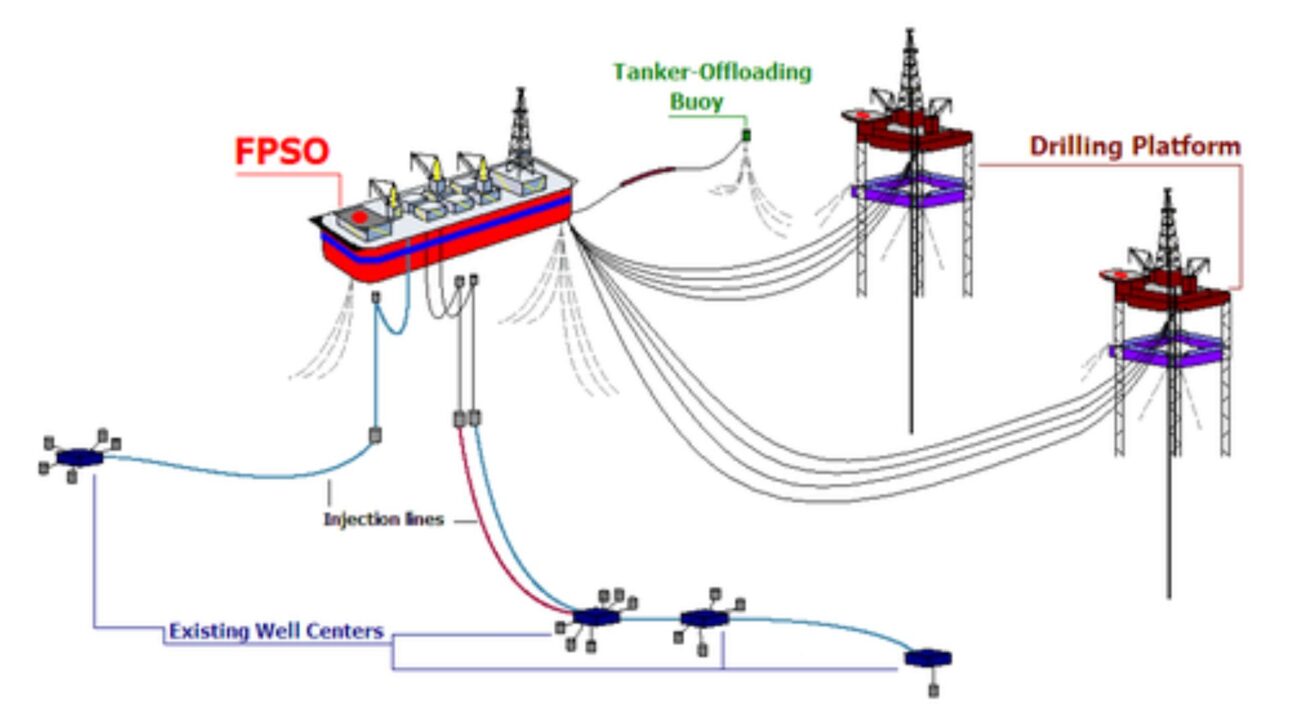
These floating platforms are true cities at sea, capable of storing up to 1 million barrels of oil. Wells are drilled by automated systems while teams monitor pressure, fluid viscosity, and the transport of production to support ships.
In other parts of the world, such as Norway, the Goliat field stands out with a similar unit built in South Korea and transported for 63 days to the Arctic Circle. The operation was carried out by the Dockwise Vanguard, the largest ship in the world for transporting heavy maritime cargo.
Environmental Impact And The Future Of The Industry
Despite its economic relevance, offshore exploration still faces criticism for its environmental impact. The burning of petroleum derivatives such as gasoline, diesel, and kerosene releases polluting gases into the atmosphere, such as carbon dioxide (CO2), which contributes to the greenhouse effect and global warming.
Therefore, countries like Brazil, the United States, and Japan have invested in alternatives such as solar, wind, and the promising green hydrogen. Still, oil remains the predominant energy matrix in various industrial and logistical sectors.
Even with its risks and limitations, the offshore profession continues to be a choice for many Brazilians. In addition to attractive salaries, the work offers intense learning, multicultural coexistence, and a unique experience of personal and professional overcoming in an extreme environment.
The information was organized based on public data from the National Agency of Petroleum (ANP), Petrobras, technical reports from the offshore industry, and audiovisual content published by the channel Port Technology on YouTube.







-

Uma pessoa reagiu a isso.